
Film
Crooklyn
Crooklyn is Spike Lee's warm, prickly valentine to his own 1970s Bed-Stuy childhood, filtered through nine-year-old Troy as she navigates four brothers, a jazz-musician father chasing artistic purity, and a schoolteacher mother holding the family's finances together. It's episodic and lived-in rather than plotted, funny and rueful in equal measure — best for anyone who wants a rowdy dinner-table drama, not a message movie.
Should you watch it?
Watch it if you like warm, messy family portraits where the rhythms of a crowded house, its arguments, music and street noise, matter more than a plot that marches toward a point.
Skip it if you want a tidy, tightly plotted story, because this wanders through episodes and shifting moods, and its loose, sometimes frantic style can feel scattered rather than deliberate.
What it asks of you: Just under two hours of loose, bright episodes: it hops between household crises and street scenes, rewarding attention to small details over momentum.
Not sure? Find tonight's pick in a minute.
If you liked this
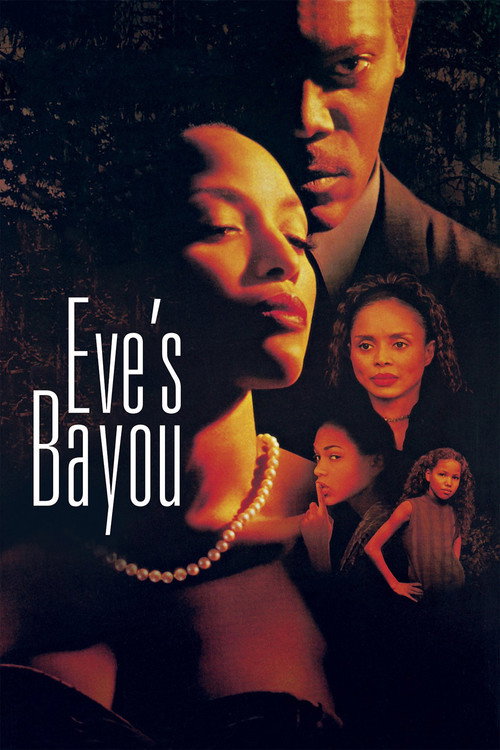
Eve's Bayou1997
Kasi Lemmons' Southern gothic family drama seen through a sharp-eyed young girl narrator, full of secrets, memory and a marriage under strain — Crooklyn's sibling in tone and vantage point.
But It trades Crooklyn's warmth for something darker and more haunted; less comedy, more slow-burning dread.
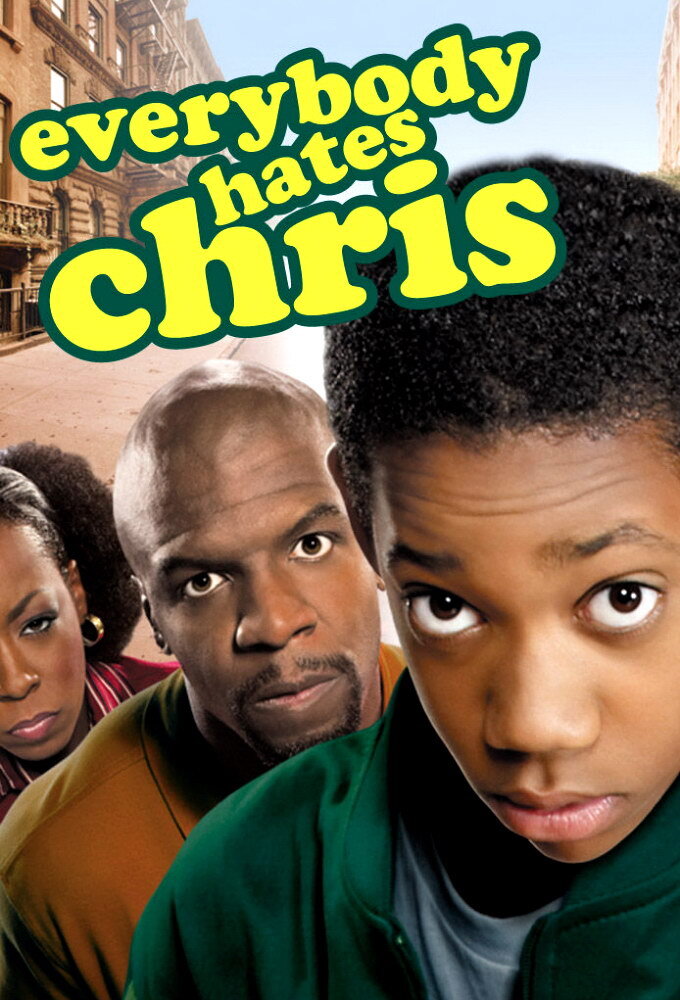
Everybody Hates Chris2005
Chris Rock narrates his own Brooklyn childhood with a hustling dad, sharp-tongued mom and constant hilarious indignities — same autobiographical DNA, played almost entirely for laughs.
But Sitcom pacing and broader jokes can feel slighter than Crooklyn's messier, more textured realism.
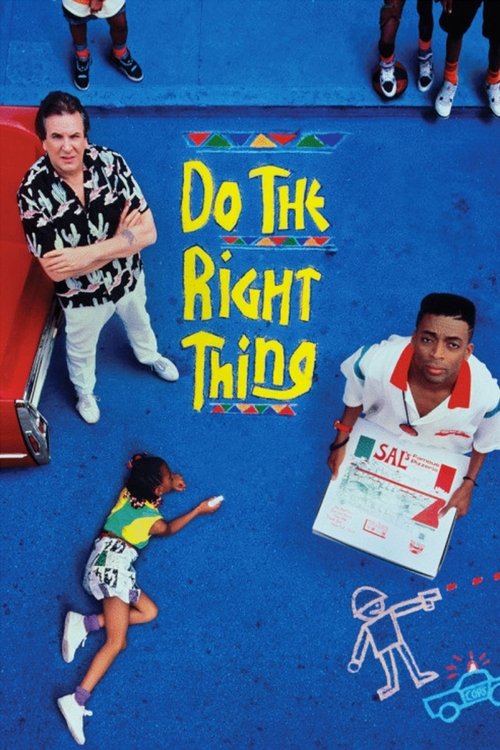
Do the Right Thing1989
Spike Lee's own Brooklyn, one scorching day instead of one restless summer — the same neighborhood pride, music and simmering tension, just cranked up to a boil.
But It's angrier and more confrontational than Crooklyn; not the film for a cozy family-nostalgia mood.
Not sure tonight? Get a pick in a minute, starting from Crooklyn
The wildcard
Something you would not have found on your own.
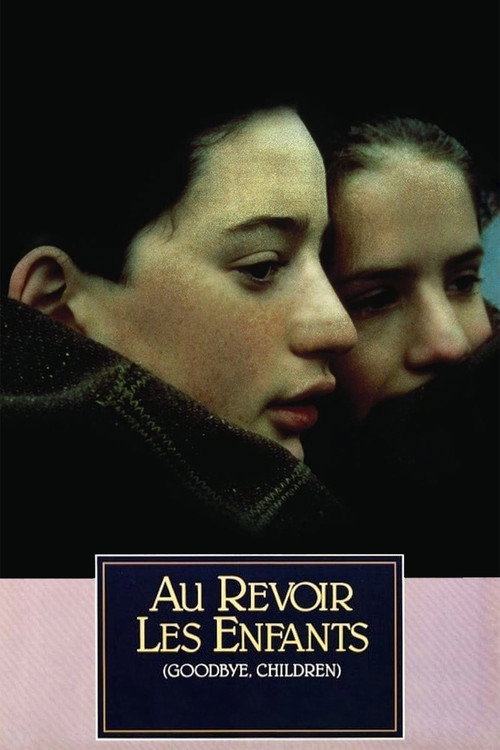
Au Revoir les Enfants1987
Both directors reconstruct a specific, real childhood memory almost scene by scene — the same act of personal excavation, aimed at a much darker destination.
Louis Malle turned his own boarding-school childhood memory into this quiet, devastating film years before Lee did the same for Crooklyn — proof the genre is older than you'd think.
But Wartime France under occupation is a far graver world than 1970s Brooklyn; this one ends in grief, not warmth.
More like this (8)
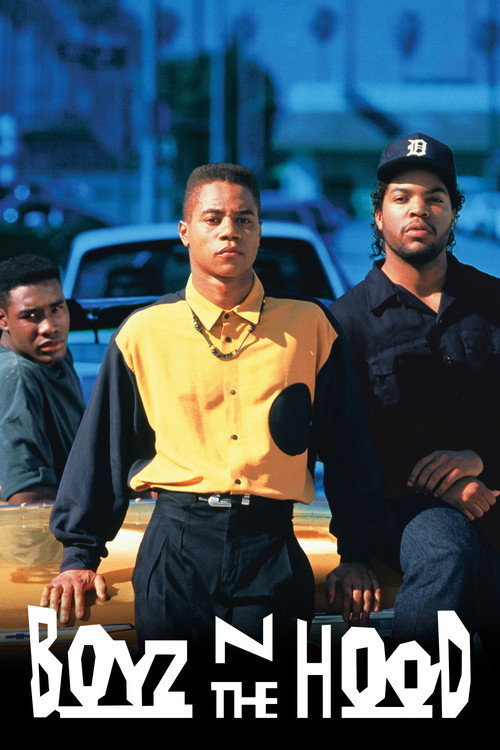
Boyz n the Hood1991
Another lived-in portrait of Black family life and a neighborhood raising its kids, with a father figure just as stubborn and central as Woody Carmichael.
But South Central instead of Brooklyn, and a much heavier, tragedy-bound back half.
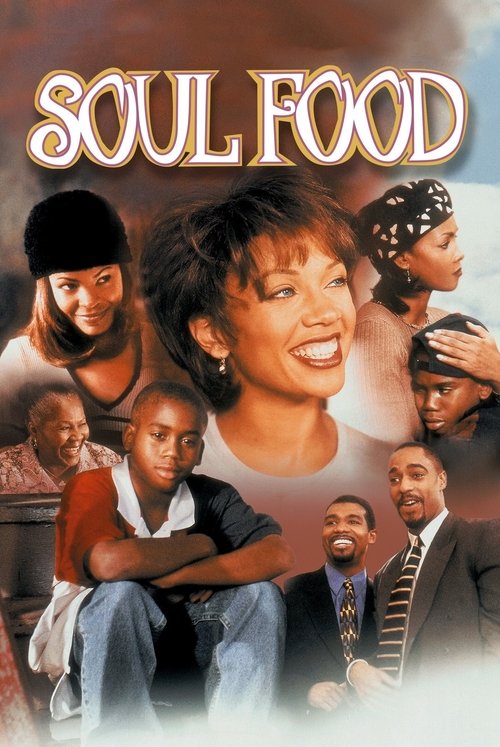
Soul Food1997
A big, loud, loving Black family held together by ritual — here it's Sunday dinners instead of block parties — with the same mix of comedy, conflict and tenderness.
But More soap-opera in structure, with adult marital drama taking over from Crooklyn's child's-eye view.
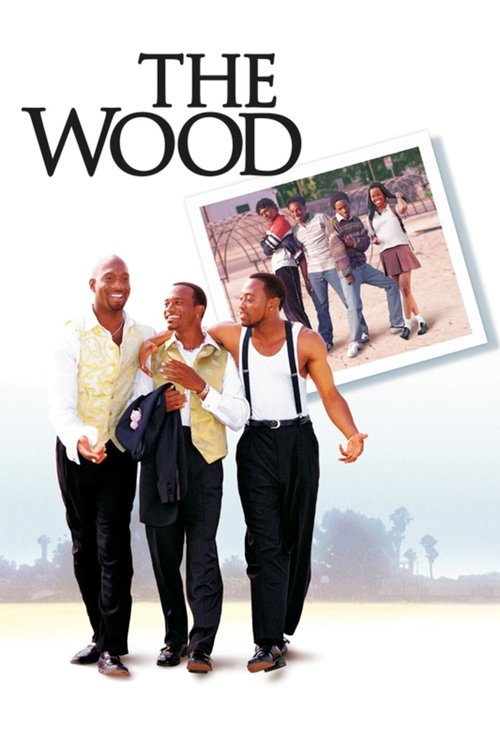
The Wood1999
Three friends looking back on their Inglewood childhood and adolescence, mixing comedy and nostalgia the way Crooklyn mixes memory and mess.
But Focuses on friendship and romance rather than family, and the tone is gentler, less prickly.
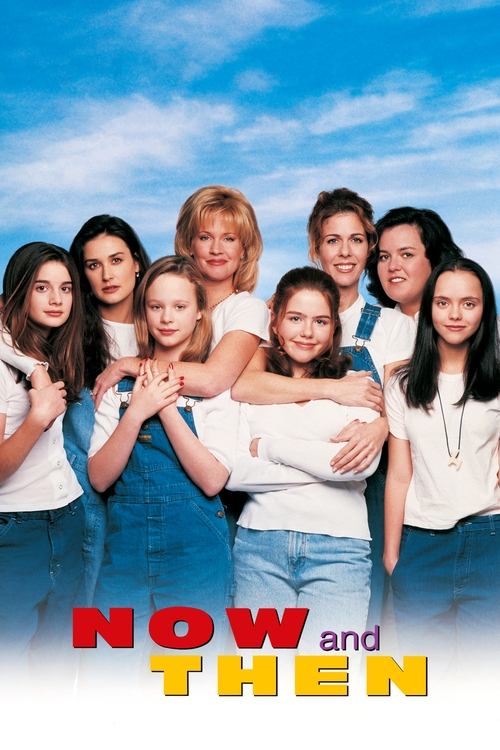
Now and Then1995
A different coast and a softer decade's edge, but the same wide-eyed summer nostalgia and ensemble of kids figuring out the adult world around them.
But Whiter and more sentimental — it skips the economic and racial texture that gives Crooklyn its bite.
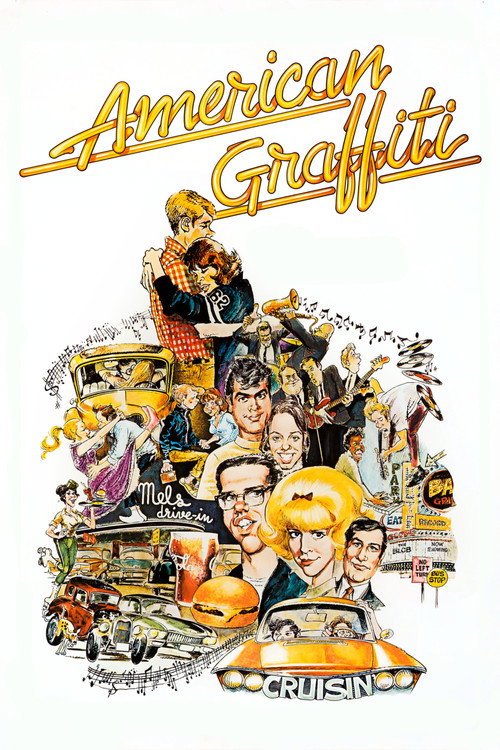
American Graffiti1973
The granddaddy of the 'one lived-in place, one unforgettable stretch of time' movie, with wall-to-wall period music doing exactly what Crooklyn's soundtrack does.
But Cruising teens in early-60s California, not siblings in a crowded brownstone — the connection is structural, not cultural.
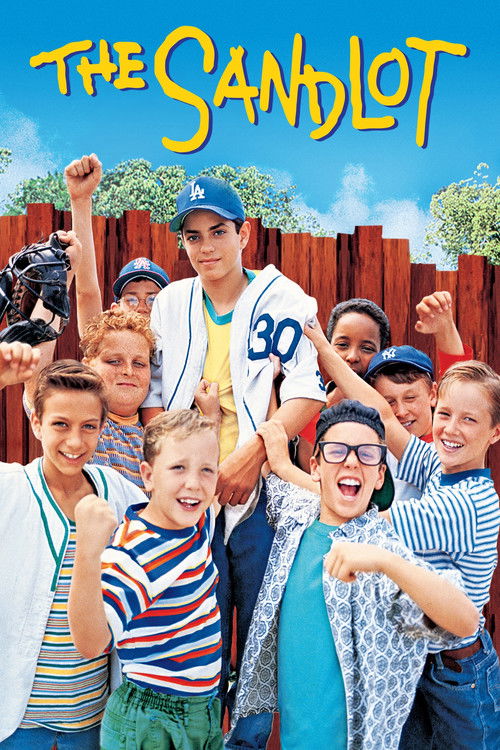
The Sandlot1993
Pure childhood-summer nostalgia, seen entirely from a kid's height, with the sense that the neighborhood itself is a character.
But Much lighter and more innocent — no money worries, no family strain, just baseball and legend.
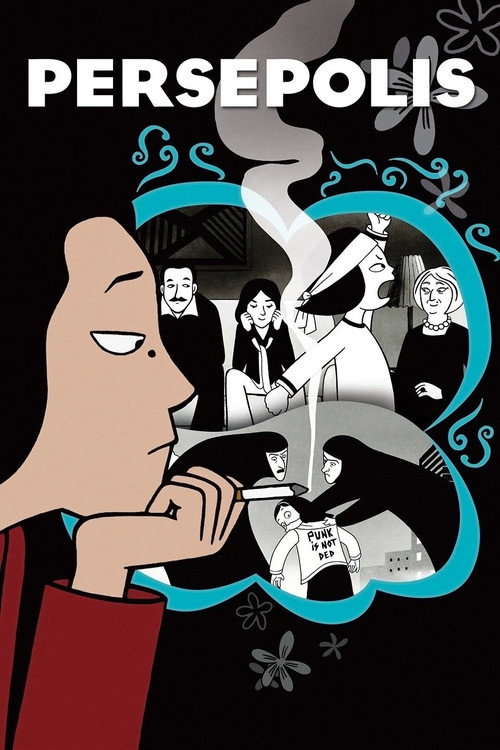
Persepolis2007
Both are autobiographical portraits of a headstrong girl's childhood, held together by a fierce family, unfolding against social upheaval she's too young to fully name.
An animated memoir of growing up amid revolution in Iran, narrated by the child who lived it — the same first-person nostalgia and family loyalty, told in stark black-and-white line drawings instead of live action.
But Animation and subtitles are a bigger ask than a dinner-table dramedy, and the political stakes are far higher.
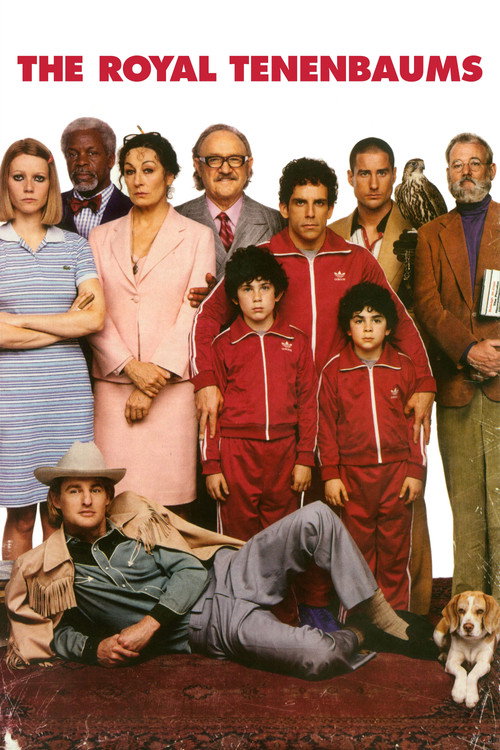
The Royal Tenenbaums2001
Same structural engine — a big flawed family, a checked-out artist parent, a soundtrack doing half the emotional work — run through an entirely different, arch comic register.
Take the 'eccentric family under one roof, held together by love and money troubles' idea and dress it in Wes Anderson's deadpan, storybook whimsy and needle-drop soundtrack.
But Precious, symmetrical and very white-upper-class — the opposite of Crooklyn's loose, sweaty, lived-in realism.
People
Cast
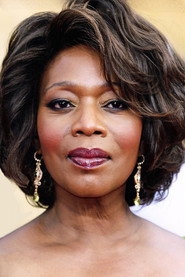 Alfre WoodardCarolyn Carmichael
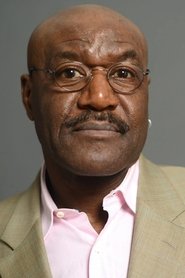 Delroy LindoWoody Carmichael
 David Patrick KellyTony Eyes / Jim
 Zelda HarrisTroy Carmichael
- Carlton WilliamsClinton Carmichael
 Sharif RashedWendell Carmichael
 Tse-Mach WashingtonJoseph Carmichael
 Christopher KnowingsNate Carmichael
 José ZúñigaTommy La La
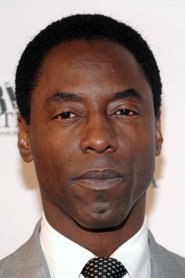 Isaiah WashingtonVic Powell
- Ivelka ReyesJessica
 Spike LeeSnuffy
Directing
- Spike LeeDirector
- Mike EllisFirst Assistant Director
- Shari L. CarpenterScript Supervisor
- Tracey HindsSecond Assistant Director
- Lee DavisSecond Second Assistant Director
- Sarah GyllenstiernaSecond Second Assistant Director
Writing
- Cinqué LeeScreenplay
- Joie LeeScreenplay
- Spike LeeScreenplay
- Joie LeeStory
Production
- Cinqué LeeAssociate Producer
- Joie LeeAssociate Producer
- Robi ReedCasting
- Aisha ColeyCasting Associate
- Monty RossCo-Producer
- Jon KilikExecutive Producer
- Winsome SinclairExtras Casting
- Spike LeeProducer
- Caryn E. CampbellProduction Coordinator
- Preston L. HolmesProduction Supervisor
Recommended by
Everybody Hates Chris, Soul Food, School Daze, Do the Right Thing, Eve's Bayou, A Raisin in the Sun, Just Another Girl on the I.R.T., Dim Sum: A Little Bit of Heart, The Inkwell