
Film
Floating Life
- Family drama
- Slow-burning
A Hong Kong family scatters across the globe—Australia, Germany, Hong Kong—after the parents migrate. Gentle and observant, *Floating Life* finds profound loneliness in proximity: people in the same room who speak past each other, children failing to bridge the gap with aging parents. It's quietly devastating, the kind of film that lingers.
If you liked this
The Farewell2019
Another story about diaspora, family fracture, and what gets lost in translation between generations. Lulu Wang captures similar emotional truths with warmth and dark comedy, showing how distance reshapes love.
But It's more overtly funny than *Floating Life*, and some find its tonal shifts between comedy and heartbreak uneven. Lighter than you might want if you're seeking something purely melancholic.

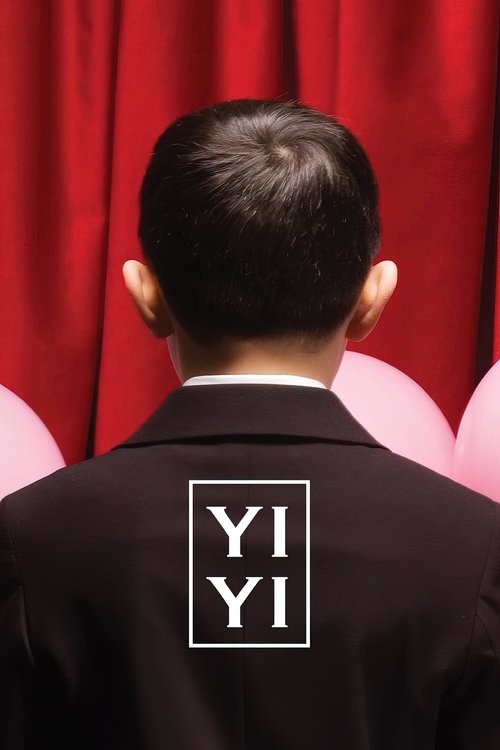
Yi Yi2000
Edward Yang's three-hour portrait of a Taipei family navigating modernity, work, and each other. Like *Floating Life*, it observes rather than judges, finding both comedy and ache in everyday failure to connect.
But It's long and deliberately paced. Nothing explodes; everything just slowly accumulates. Requires patience and genuine interest in the texture of ordinary life.
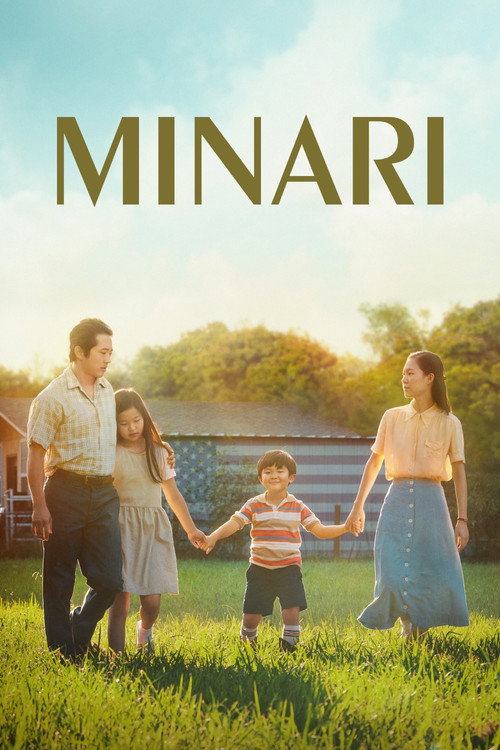
Minari2021
A Korean-American family chases the American dream in rural Arkansas. It shares *Floating Life*'s eye for immigrant longing, generational misunderstanding, and the way geography can't solve what's broken between people.
But More hopeful in tone than *Floating Life*. If you want unrelenting melancholy, this pivots toward something warmer and more redemptive.
Not sure tonight? Get a pick in a minute, starting from Floating Life
The wildcard
Something you would not have found on your own.
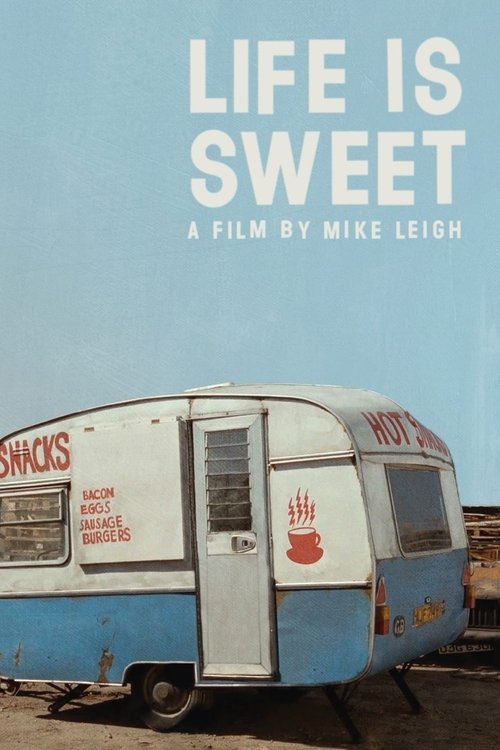
Life Is Sweet1991
Both use domestic comedy to expose genuine alienation within families; both find the absurdity in love that can't quite express itself.
Mike Leigh's working-class London family comedy-drama: parents, adult children, everyone stuck in patterns they can't break. Same DNA as *Floating Life*—messy, unglamorous observation of how families fail and endure—but infinitely funnier and messier, proving the themes work across geography and class.
But Improvised feel, unglamorous, sometimes shapeless. British kitchen-sink realism doesn't appeal to everyone, and Leigh's humor is sour.
More like this (7)
In the Mood for Love2000
Wong Kar-wai's Hong Kong masterpiece—lush, sensual, about desire thwarted by propriety and circumstance. Different story, but shares *Floating Life*'s Hong Kong setting and its elegiac sense of connection forever out of reach.
But Entirely style-driven; plot is secondary. If you need narrative momentum, the slow-cinema languor will feel like watching paint dry in the most beautiful way possible.

Tokyo Story1953
Ozu's elderly Japanese couple visits their children in post-war Tokyo. The template for everything *Floating Life* does: quiet observation of family fracture, generational distance, the unbridgeable gap between what parents and children need from each other.
But Made in 1953. The pacing is glacial even by art-film standards. Some viewers find Ozu's stillness boring rather than meditative.

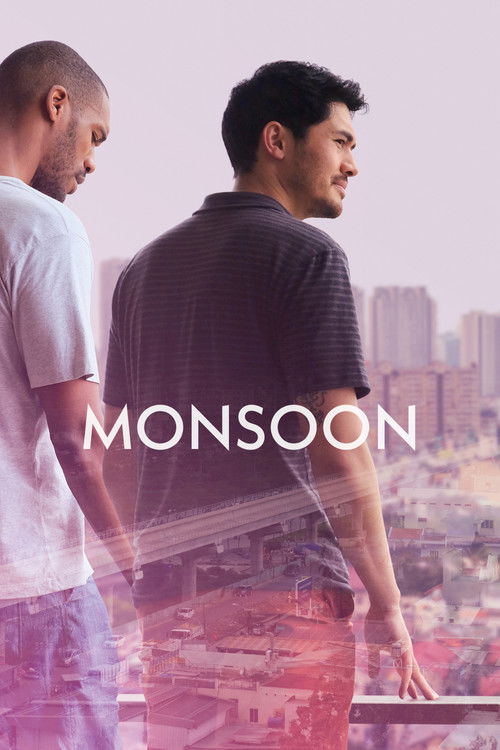
Monsoon2020
Henry Golding's father, dying, makes a pilgrimage to Vietnam to reconcile with a lost lover. Spare and melancholic, it captures similar themes of diaspora, aging, regret, and the geography of estrangement.
But Very quiet and slow. Long stretches without dialogue. Some find it too slight, too concerned with mood over substance.
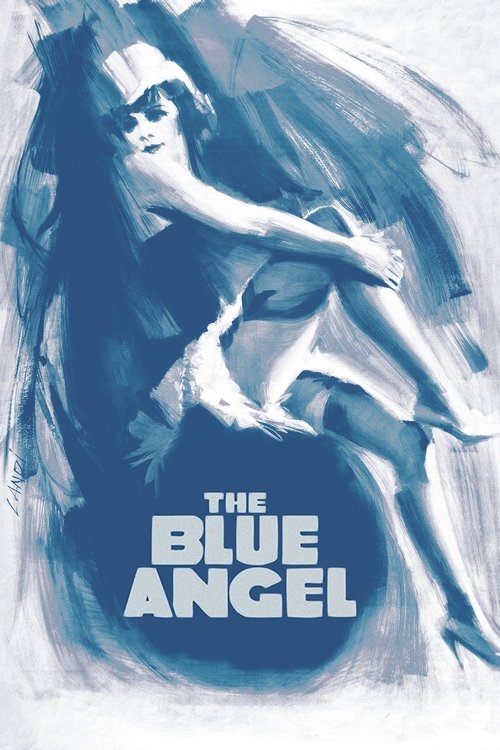
The Blue Angel1930
Not similar in plot, but Marlene Dietrich's only German-language talkie explores desire, displacement, and the impossibility of going home. Worth seeing for its atmosphere of isolation and longing, themes that haunt *Floating Life*.
But It's 1930s German cinema, expressionistic and baroque. The emotional register is different—more operatic—and the gender politics are uncomfortable by modern standards.
Moonlight2016
Barry Jenkins' three-chapter meditation on a Black man's life, relationships, and the people he can't quite reach. Like *Floating Life*, it's built from silence and glances, from what's unsaid between people who love each other imperfectly.
But Formally ambitious in ways some find obscure. Dialogue is sparse; you're reading faces and bodies. Requires active engagement; it won't spell things out.

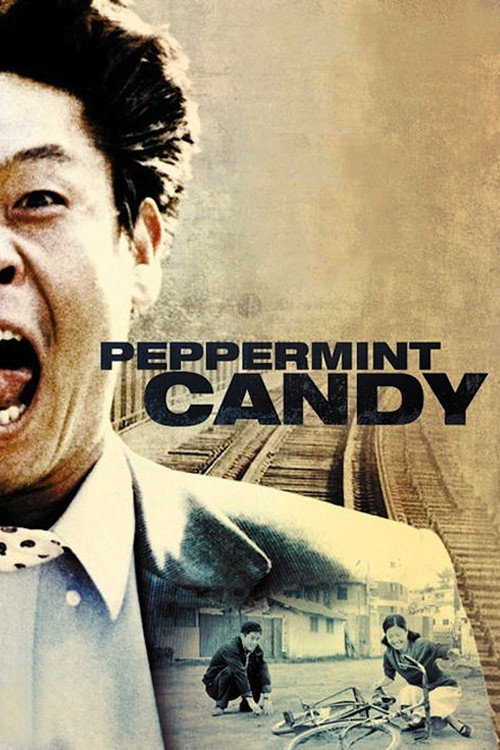
Peppermint Candy2000
Both are portrait films about fragmentation: *Floating Life* scatters a family across continents; *Peppermint Candy* scatters a life across decades. Both argue that distance—whether geographic or temporal—is where meaning hides.
Lee Chang-dong's stunning Korean film moves backward through decades, beginning with a suicide attempt and unraveling the small betrayals and historical forces that broke a man. *Floating Life* is about space; this is about time—but both explore how fractured lives become.
But Formally demanding, moving backward in time. Relentlessly bleak. Some find it punishing rather than enlightening.
Bicycle Thieves1948
Both films believe that small domestic failures contain the whole tragedy of human limitation. Both watch a parent unable to give their child what they need.
Vittorio de Sica's Italian neorealist masterpiece: a father and son hunt for a stolen bike through Rome. It's about survival, humiliation, the gap between parent and child, love that can't translate into provision. Utterly different setting, same emotional truth.
But Post-war Italian melodrama, deliberately artless. Some find it dated or precious. The ending divides people sharply.

People
Cast
 Annette Shun WahYen Chan
 Annie Liu On-LaiBing Chan
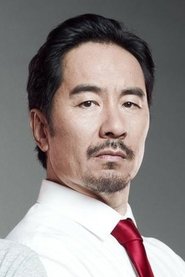 Anthony Brandon WongGar Ming
- Toby ChanChau
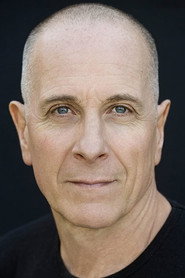 Julian PulvermacherMichael
- Bruce PoonCheung
- Claudette ChuaMui Mui
- Jian Feng LiNoodle Shop Waiter
 David Lee Wai-SheungNoodle Shop Owner
Directing
- Heather OxenhamContinuity
- Clara LawDirector
- Greg StittFirst Assistant Director
- Stefanie KleinhenzSecond Assistant Director
- Habib MassadThird Assistant Director
- Queeny LoThird Assistant Director
Writing
- Clara LawScreenplay
- Eddie Fong Ling-ChingScreenplay
Production
- Helen LovelockAssociate Producer
- Anousha ZarkeshCasting
- Diana RowanCasting
- John MaynardCo-Producer
- Susan WellsExtras Casting
- Eddie Fong Ling-ChingLine Producer
- Patricia BluntLocation Manager
- Helen LovelockPost Production Coordinator
- Bridget IkinProducer
- Ben GrantProduction Accountant
- Susan WellsProduction Coordinator
- Elisabeth KnightProduction Manager
- Mark OliveProduction Runner
- Cameron WintourUnit Manager