
Film
The Enigma of Kaspar Hauser
- Period drama
- Mystery
- Very dark
- Slow-burning
Werner Herzog's 1974 meditation on isolation and civilization. A man emerges from lifelong captivity knowing nothing of the world, and society scrambles to teach him. Hypnotic, haunting, unsettling—Herzog asks whether we truly *help* those we rescue, or merely impose our order. For viewers drawn to philosophical cinema and human strangeness.
Should you watch it?
Watch it if you are drawn to slow, austere films where one strange human case is studied with patient, almost clinical attention, and you don't mind being left to puzzle over what it means.
Skip it if you need plot momentum or warmth from your characters, because the film holds its people at a distance and rarely hurries to explain anything.
What it asks of you: Settle in for just under two hours of unhurried scenes, long silences and a patient camera that lets a face sit on screen until it gives something up.
Not sure? Find tonight's pick in a minute.
If you liked this
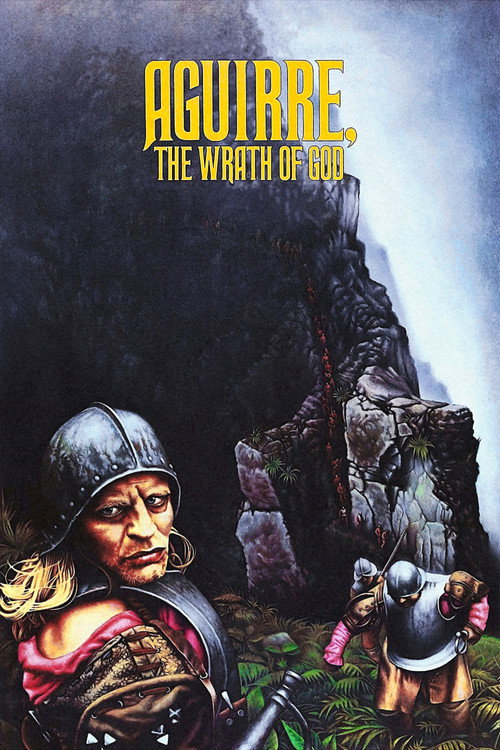
Aguirre, the Wrath of God1972
Herzog's earlier masterpiece about obsession and delusion in the jungle. The same visionary director at peak power, with Klaus Kinski in a performance that borders on religious ecstasy. Hypnotic and strange.
But The pacing is glacial and the narrative deliberately withholding. If you need plot momentum or clear resolution, this will frustrate you deeply.
The Seventh Seal1957
Bergman's meditation on mortality and meaning, equally philosophical but in a different register. A knight plays chess with Death. It has the same quality of asking unanswerable questions about human existence with complete seriousness.
But Very Swedish, very mid-century, very mannered. The existentialism can feel dated if you're not prepared for that particular flavor of solemnity.

Come and See1985
A Soviet film about a boy conscripted into war. Like Kaspar Hauser, it's about innocence meeting an incomprehensible world—except the world is actively annihilating it. Devastating and unforgettable, a genuine masterpiece.
But One of the most harrowing films ever made. Graphic violence, profound despair. Not escapism; an endurance test that demands something from you.

Not sure tonight? Get a pick in a minute, starting from The Enigma of Kaspar Hauser
The wildcard
Something you would not have found on your own.
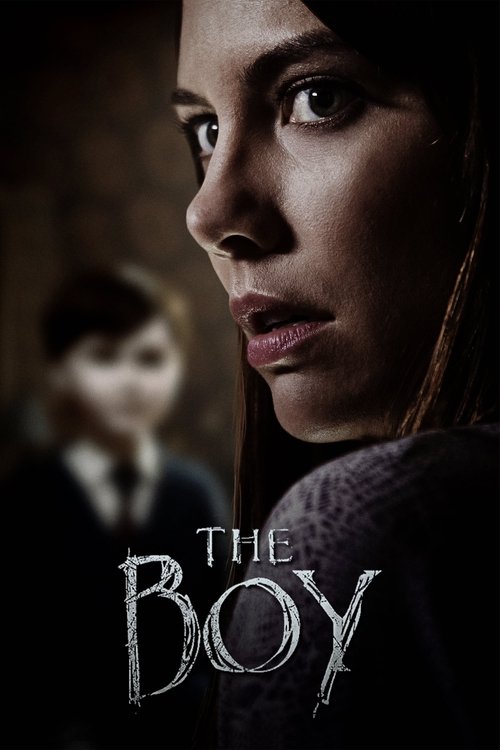
The Boy2016
Both examine how the arrival of the strange—or the vulnerable—reveals the cruelty embedded in systems we thought were normal. Kaspar Hauser asks what civilization does to innocence; The Boy asks what happens when the innocent person refuses to be civilized.
A psychological horror film about a young woman hired to care for a porcelain doll that may or may not be alive. Inverts the Kaspar Hauser premise: instead of society teaching an isolated innocent, we watch an outsider confront a closed, cruel system. Genuinely unsettling.
But It's genre horror, not art cinema. If you're watching Herzog for profundity, this ventures into thriller territory that might feel reductive by comparison.
More like this (7)
Stalker1979
Tarkovsky's science-fiction meditation on desire and futility. Like Herzog, he moves slowly, asking big questions through small moments. A guide leads people through a mysterious zone toward what they think they want. Hypnotic.
But Seventy minutes of walking and talking. No action, no plot turns, only philosophical inquiry. Patience is not optional.

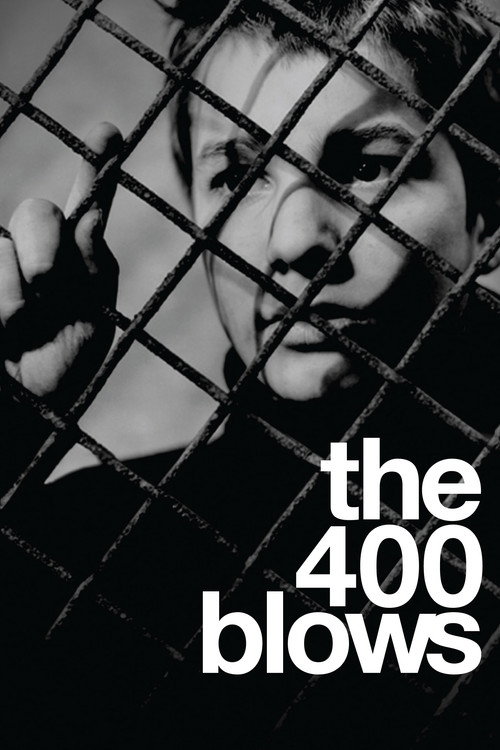
The 400 Blows1959
Truffaut's portrait of a boy adrift in an incomprehensible adult world. Tender and observant where Kaspar Hauser is alienated, but both watch childhood collide with civilization. Warm, humanistic, profound.
But The plot meanders deliberately. It's a character study, not a rescue narrative. If you want things resolved, you'll leave unsatisfied.
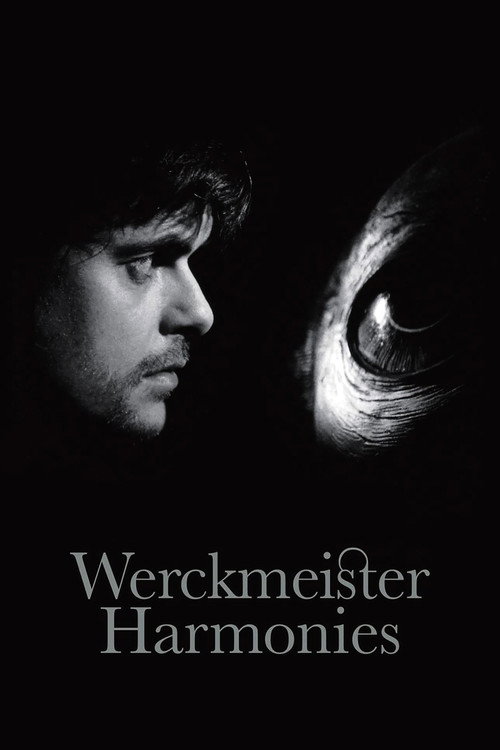
Werckmeister Harmonies2001
Béla Tarr's black-and-white epic about a whale arriving in a small town and the chaos it triggers. Like Herzog, Tarr is obsessed with how the arrival of the strange disrupts the ordinary. Visually stunning and morally unsettling.
But Nearly three hours of deliberate, mournful cinema. The cinematography is gorgeous but the mood is relentlessly bleak. Requires active attention and surrender.
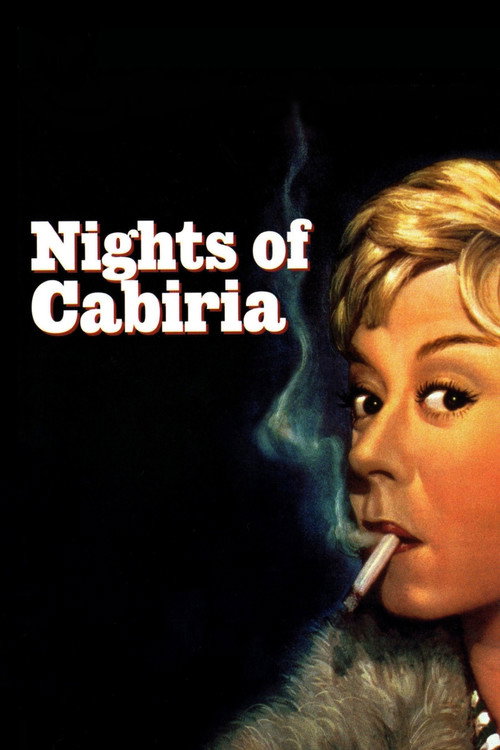
Nights of Cabiria1957
Fellini's portrait of a woman adrift in Rome, scraping for meaning and dignity. Like Kaspar Hauser, it watches someone trying to navigate a world that doesn't quite make sense, but with more pathos and Italian warmth.
But Episodic and sometimes melodramatic. The tonal shifts between comedy and tragedy can feel jarring if you're not in sync with Fellini's particular wavelength.
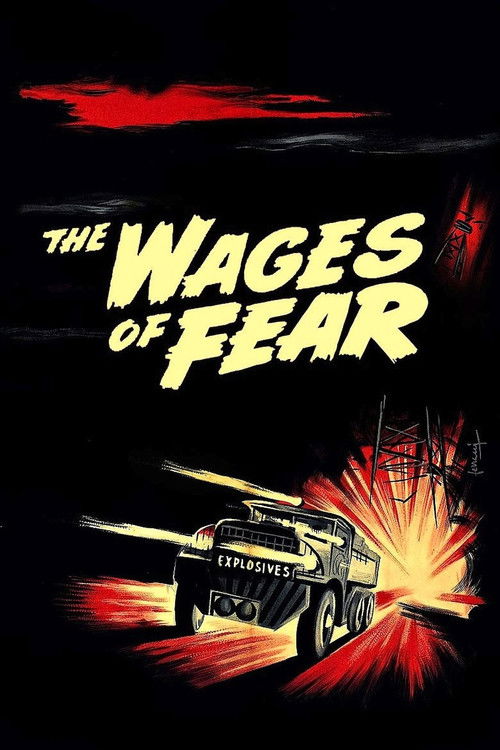
The Wages of Fear1953
Clouzot's masterpiece about desperation and the fragility of civilization. Men transport nitroglycerine through the jungle, and every moment pulses with existential dread. Completely gripping and philosophically complex.
But The pacing is deliberately slow-building. The first half is setup; payoff comes late. Some viewers find it ponderous before it becomes compelling.
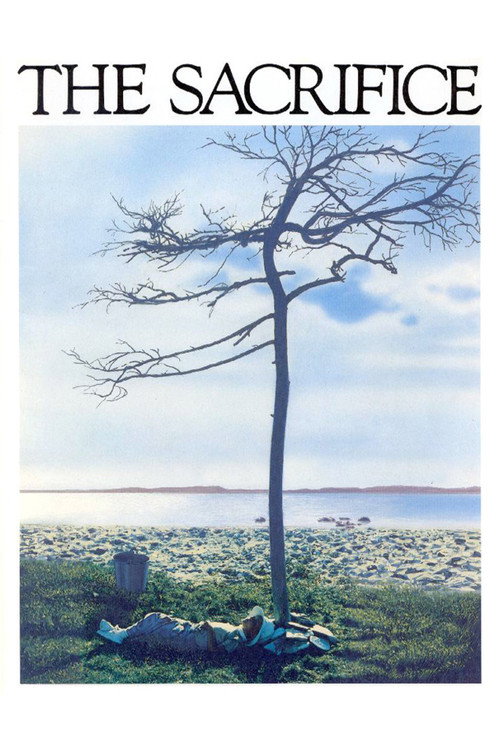
The Sacrifice1986
Tarkovsky's final film, a spiritual reckoning about meaning and faith. A man grapples with existence and mortality in the face of apocalypse. Meditative, profound, asks the same philosophical questions Herzog does.
But Extremely long, extremely slow, and philosophically opaque. Requires multiple viewings and genuine patience. Not a film that rewards casual watching.
A Prophet2009
Both follow a figure with no prior knowledge entering a closed world—prison, society—and learning its rules through observation and trauma. The question in both is whether knowledge gained this way is wisdom or damage.
A French prison drama about a young man entering the system as a blank slate, learning to navigate a brutal microcosm. Like Kaspar Hauser, it tracks education through systematic cruelty. Tense, intelligent, modern, and absolutely gripping.
But Contemporary crime cinema, not philosophy. If you want meditative pacing and metaphysical questions, this delivers narrative momentum and social realism instead.

People
Cast
 Bruno S.Kaspar Hauser
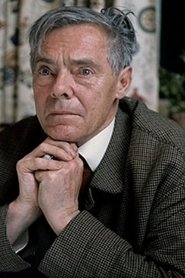 Walter LadengastProfessor Daumer
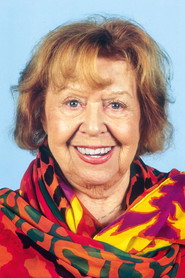 Brigitte MiraHaushälterin Käthe
 Willy SemmelroggeRingmaster
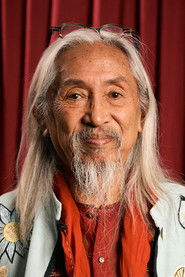 Kidlat TahimikHombrecito, the Indian
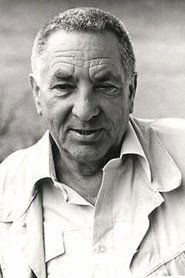 Hans MusäusUnknown Man
 Michael KroecherLord Stanhope
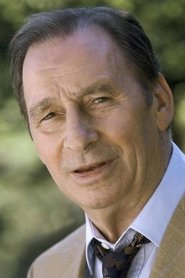 Henry van LyckCalvary Captain
- Enno PatalasPastor Fuhrmann
- Volker Elis PilgrimPastor #2
 Volker PrechtelHiltel, the prison guard
- Gloria DoerFrau Hiltel
Directing
- Benedikt KubyAssistant Director
- Werner HerzogDirector
- Feli SommerScript Supervisor
Writing
- Werner HerzogScreenplay
Production
- Christian WeisenbornLocation Manager
- Werner HerzogProducer
- Walter SaxerProduction Manager