
Film
Sundays and Cybele
A 1962 French film about an isolated veteran and a young girl who meet in a Paris park, forming a profound but fragile friendship. It's a delicate, melancholic portrait of two damaged people finding solace in each other—searching, tender, and shot through with the dread of what outsiders might see. For those who want cinema that trusts silence and treats emotional complexity with real gravity.
Should you watch it?
Watch it if you are moved by quiet, observant films where a small gesture or a long look between two wounded people says more than any scene of dialogue.
Skip it if you need momentum, since the pace is unhurried and the 110 minutes spend long stretches on ordinary days, with little to push the story forward.
What it asks of you: Its shape is a slow, hushed hundred and ten minutes, mostly silences and lingering frames, with a melancholy mood that holds steady from first frame to last.
Not sure? Find tonight's pick in a minute.
If you liked this
The 400 Blows1959
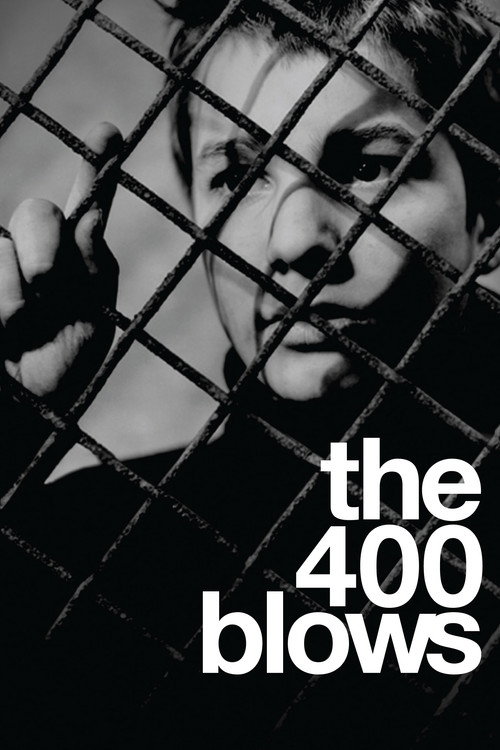
Truffaut's portrait of a misunderstood boy in Paris, moving through the city with the same sense of displacement and longing. Shares Cybele's gift for finding dignity in loneliness and childhood hurt.
But It's about a delinquent teenager, not a pastoral friendship, and moves into grimmer territory than some expect from the New Wave.
Knife in the Water1962
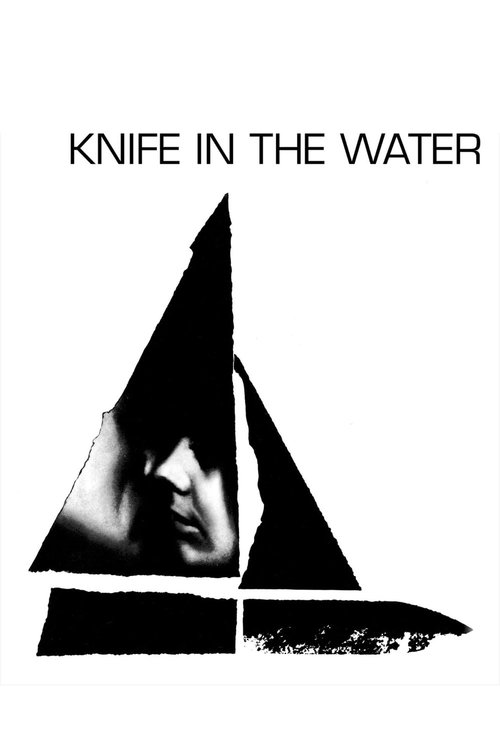
Polanski's chamber piece about three people on a boat, where innocent proximity becomes charged with unspoken danger. Both films understand how fragile goodness is when observed by others.
But More of a thriller than a character study; the threat is immediate rather than existential.
The Leather Boys1964
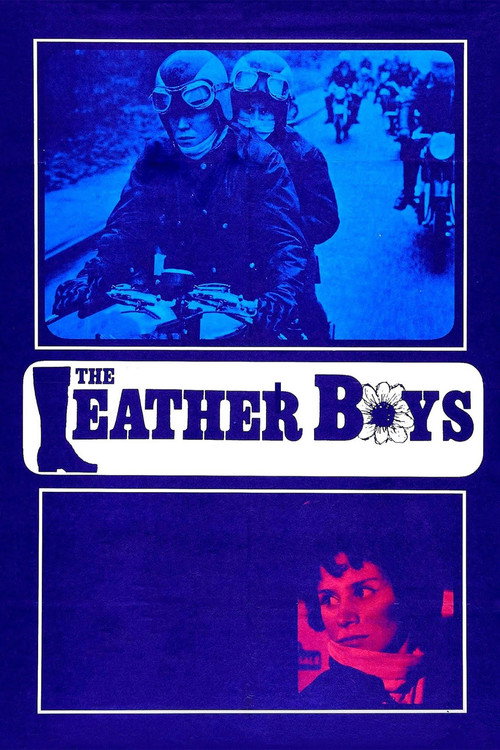
A British film about two young men whose closeness becomes dangerous the moment society begins to suspect it. Captures the same quiet dread of connection being misread by the world.
But Less poetic than Cybele and grounded in 1960s youth culture rather than timeless emotion.
Not sure tonight? Get a pick in a minute, starting from Sundays and Cybele
The wildcard
Something you would not have found on your own.
Carol2015
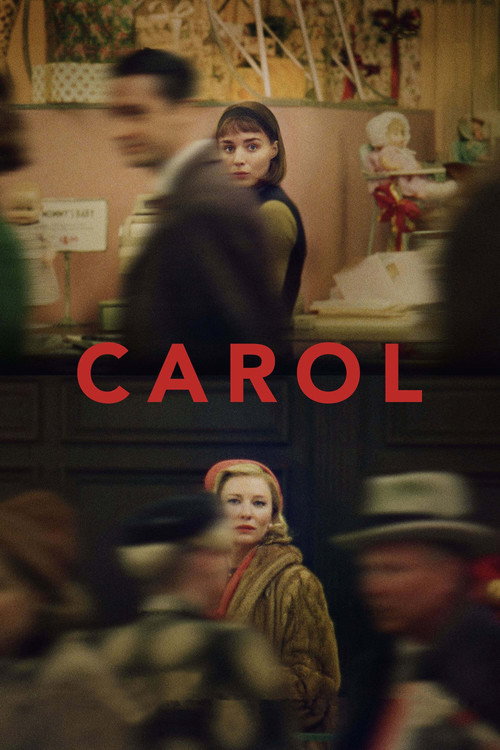
Both films understand how context and suspicion can poison even the purest relationship; both ask us to witness tenderness that others will misinterpret.
A contemporary film about two women whose quiet, careful love is criminalized by the society around them. Like Cybele, it's about a connection that the world refuses to read innocently, shot with tender precision and moral clarity.
But It's about adult women rather than a man and child, and it exists in a modern legal and social context that's entirely different.
More like this (8)
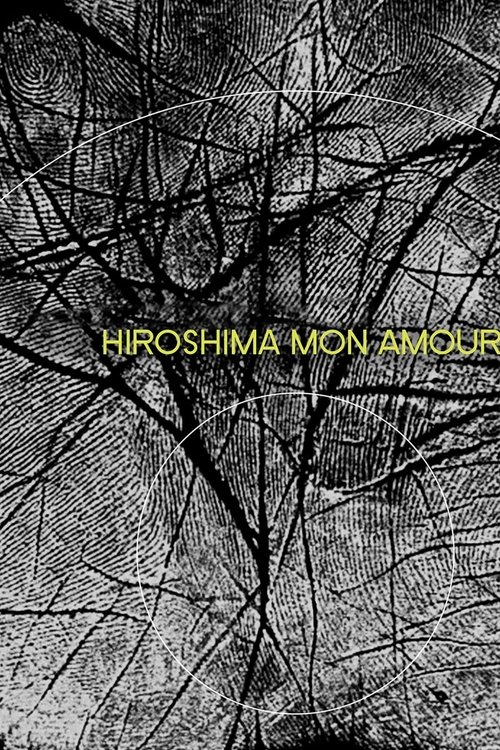
Hiroshima Mon Amour1959
Resnais's film about two people meeting in a city, unable to fully know each other, haunted by what came before. Both are meditations on what broken people can offer each other.
But More formally experimental and abstract; the narrative is deliberately fragmented and dreamlike.
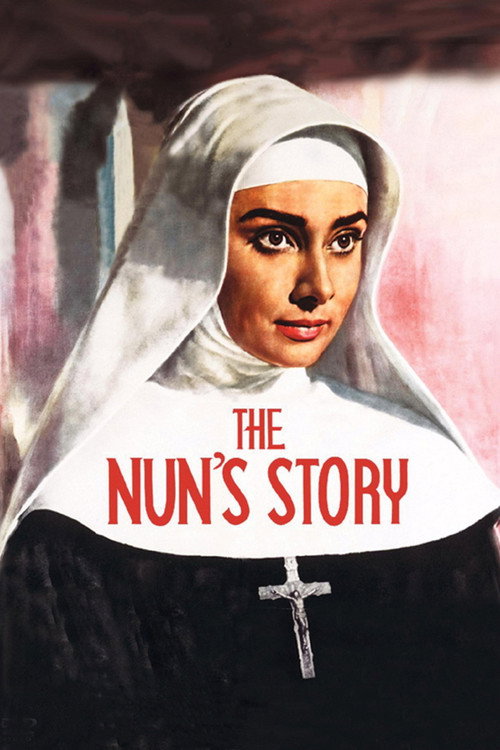
The Nun's Story1959
Audrey Hepburn as a woman caught between vocation and human connection, deeply introspective about conscience and belonging. The same quiet intensity, the same stakes about how to live.
But Religious in context and much longer; the drama is internal rather than relational.
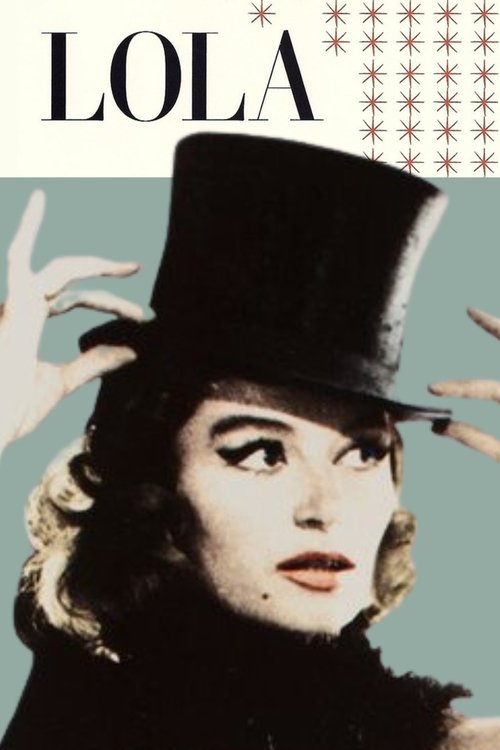
Lola1961
Jacques Demy's portrait of a woman and the men who orbit her in Nantes, shot in colour but melancholy. Another film about people reaching across isolation, trying to hold something that won't stay.
But More stylised and playful than Cybele; the sadness is softer, almost whimsical.
Woman in the Dunes1964
A Japanese film about a man trapped with a widow in a sand pit—a parable about connection and surrender. Both films see relationships as inescapable, transformative, slightly suffocating.
But Metaphysical rather than emotional; the setting is surreal and the pacing hypnotic to the point of tedium.

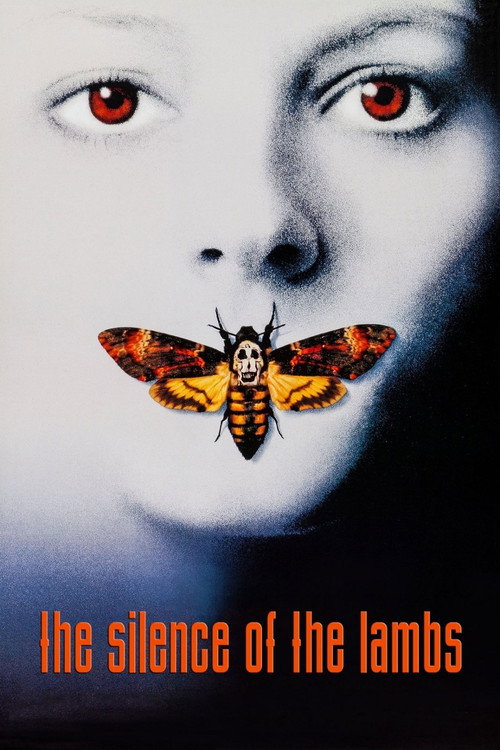
The Silence of the Lambs1991
Hopkins and Scott as two damaged people who need each other across an unbridgeable gulf. Both films understand that the deepest connections can exist between people the world says shouldn't meet.
But A thriller about a serial killer; the darkness is explicit and visceral, not psychological.
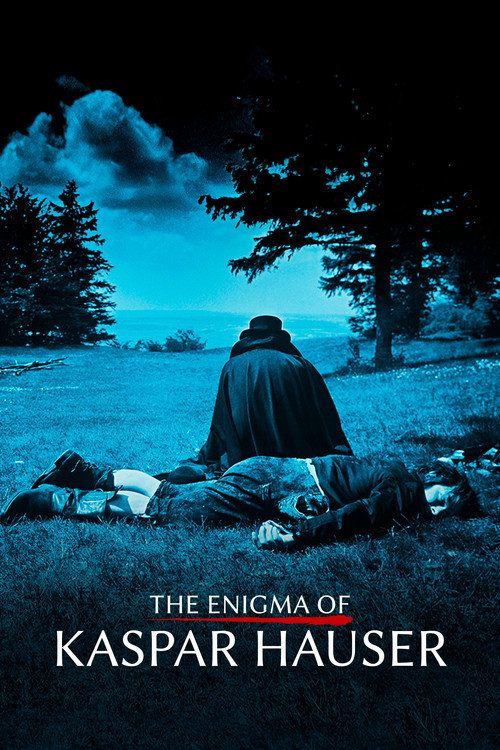
The Enigma of Kaspar Hauser1974
Herzog's film about a man raised in isolation who can barely speak or understand the world. Another meditation on innocence, damage, and the cruelty of how others see those who are different.
But Heavily philosophical and deliberately paced; the narrative is more about mood than plot.
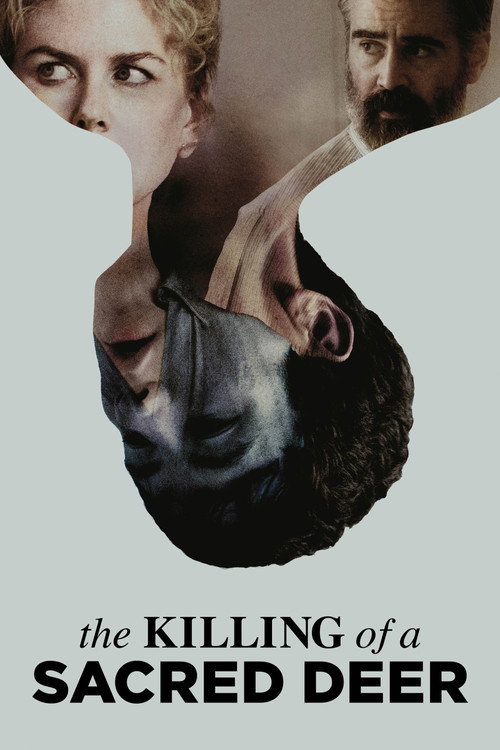
The Killing of a Sacred Deer2017
Both involve an adult-child bond that the narrative treats as simultaneously redemptive and doomed; both are about the weight of unspoken obligation.
Yorgos Lanthimos's baroque tragedy about a surgeon and a strange boy whose friendship becomes a blood debt. Cybele with the Gothic machinery turned inside out—same structure of inexplicable bond leading to catastrophe.
But Grotesquely stylised and formally cold; the horror is ceremonial and distant, not intimate.
Come and See1985
Both centre a young person damaged beyond repair by what adults have done; both refuse sentiment and ask us to hold their pain in full seriousness.
A Soviet film about a boy conscripted into war, following him through apocalypse. Like Cybele, it's about innocence destroyed by forces beyond the frame, but told with the opposite strategy—not quiet, but shattering.
But One of cinema's most brutal films; it's a war film about child trauma, not a meditation, and it will wound you.

People
Cast
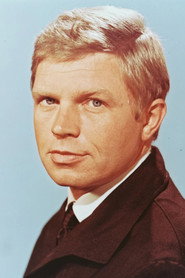 Hardy KrügerPierre
 Nicole CourcelMadeleine
 Patricia GozziFrançoise / Cybèle
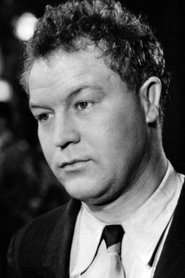 Daniel IvernelCarlos
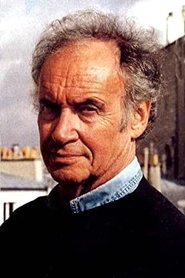 André OumanskyBernard
 Anne-Marie CoffinetFrançoise II
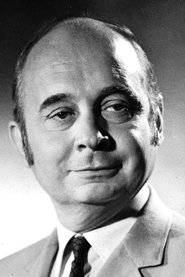 René ClermontPostman
 Malka RibowskaSeer
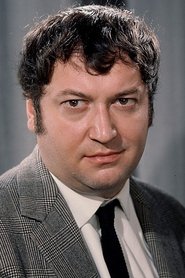 Michel de RéFiacre, the Pharmacist
 France AngladeLulu
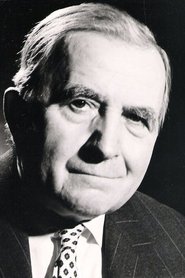 Paul BonifasGrocer
 Serge BourguignonCavalier
Directing
- Serge BourguignonDirector
Writing
- Bernard EschassériauxDialogue
- Bernard EschassériauxNovel
- Antoine TudalWriter
- Serge BourguignonWriter
Production
- Romain PinèsProducer
Recommended by
A Man and a Woman, Céline and Julie Go Boating, Lola, Lady Killer