
Film
Lola
Lola is a luminous 1961 French New Wave romance about desire, nostalgia, and the possibility of second chances. A man encounters his ex—now a cabaret dancer raising a child alone—and old feelings resurface with complicated tenderness. It's achingly romantic without being naive, stylish without pretense, a film that moves like a melody.
Should you watch it?
Watch it if you treasure films where a city's streets and a wistful score speak nearly as loudly as the characters, and you don't mind melancholy that never quite turns into tidy hope.
Skip it if you need brisk plotting or a clear emotional arc, since this drifts through its romance at a dreamlike pace and keeps its characters at a careful distance.
What it asks of you: Patience with a loose, circling rhythm is required, and you'll read feelings from glances and small gestures rather than speeches, across a compact stretch under ninety minutes, in black and white.
Not sure? Find tonight's pick in a minute.
If you liked this
Contempt1963
Godard's masterpiece about a marriage cracking under the pressure of cinema itself. Brigitte Bardot and Michel Piccoli embody a couple drifting apart with such visual poetry that you feel it in your chest.
But It's deliberately paced, more interested in long conversations and lingering shots than plot momentum. Some find it slow; others find that slowness is the point.

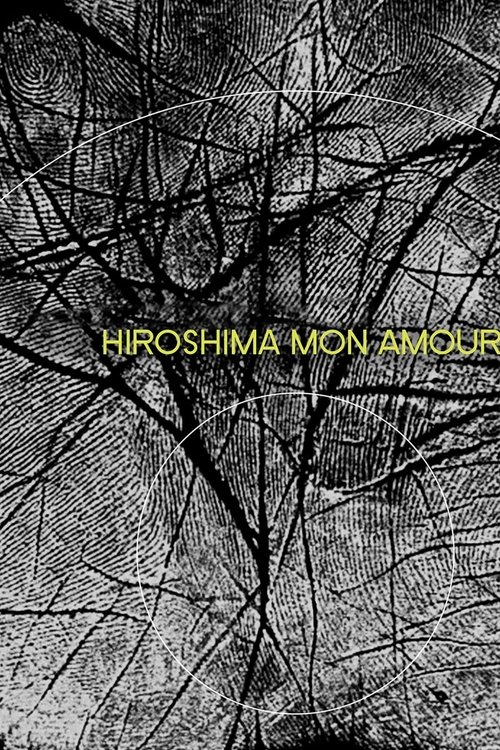
Hiroshima Mon Amour1959
Alain Resnais creates an almost dreamlike meditation on memory, love, and how the personal collides with history. A French woman and Japanese man share a night that becomes an entire universe.
But The fragmented structure and heavy philosophical weight can feel abstract. It demands your full attention and emotional engagement.
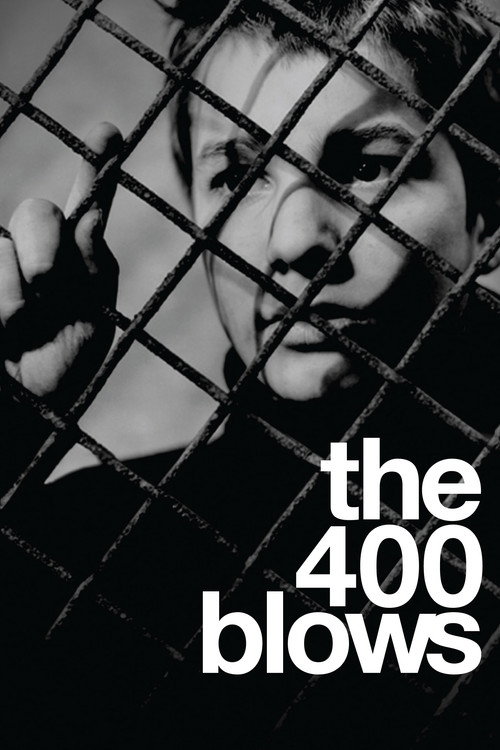
The 400 Blows1959
Truffaut's debut is pure cinema—a portrait of adolescent restlessness and longing that still feels alive and immediate. The final scene will haunt you. It invented a way to film longing.
But It's melancholic throughout, and the story of a troubled boy offers no easy answers. Some viewers find the sadness unrelenting.
Not sure tonight? Get a pick in a minute, starting from Lola
The wildcard
Something you would not have found on your own.
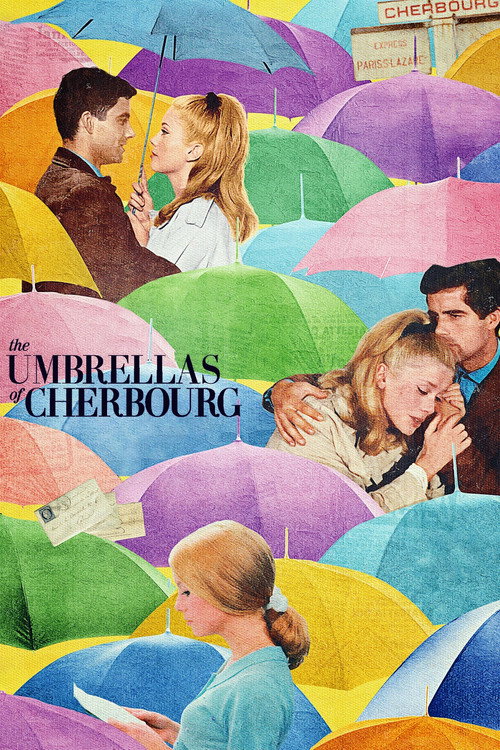
The Umbrellas of Cherbourg1964
Demy directed Lola and returns to the same dreamlike Marseille, the same obsession with how chance and choice fracture lives, but now he sings it.
Demy's colour-saturated musical is a close spiritual sibling to Lola—both films live in mood and romance and the ache of missed connection. Here it's fully musical, impossibly beautiful, every frame a painting. Catherine Deneuve never looked better. It's Lola's dream version of itself.
But The sentimentality is unironic and total. If sugared-up romance makes you uncomfortable, this is too much. Also, the resolution will destroy you.
More like this (7)
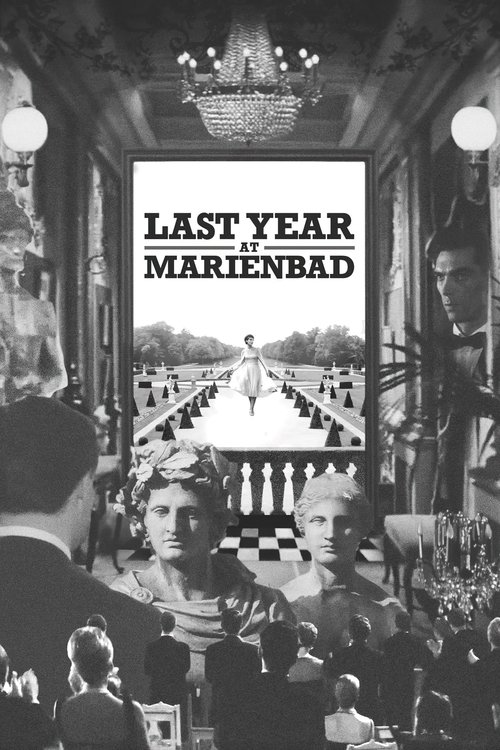
Last Year at Marienbad1961
Resnais and Robbe-Grillet build a mystery inside a romance inside a puzzle. Formally dazzling, hypnotic, the kind of film that rewires how you think about narrative itself.
But It's deliberately disorienting. If you need clarity and forward momentum, this will frustrate you thoroughly.
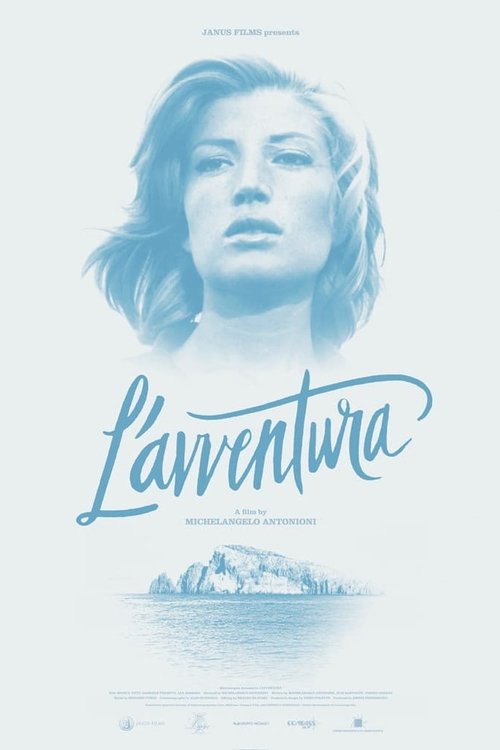
L'Avventura1960
Antonioni's masterwork about alienation and desire. A woman vanishes; the people searching for her become obsessed with each other instead. It's slow, strange, and weirdly modern.
But There's almost no plot in the conventional sense. If you're waiting for the movie to 'happen,' you'll miss the point entirely.
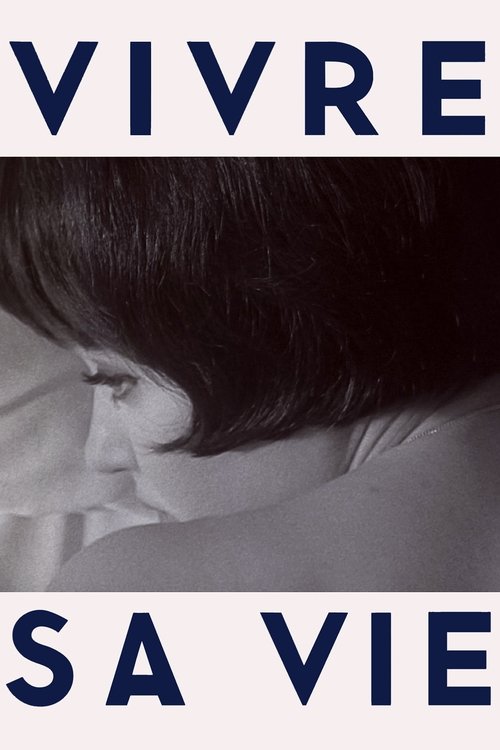
Vivre Sa Vie1962
Godard's portrait of a woman navigating Paris, love, sex, and survival. Anna Karina is luminous. It's playful and tragic and utterly original in form.
But The narrative is loose and fractured. Some sequences feel like essays rather than scenes. The ending is devastating in a way some find punishing.
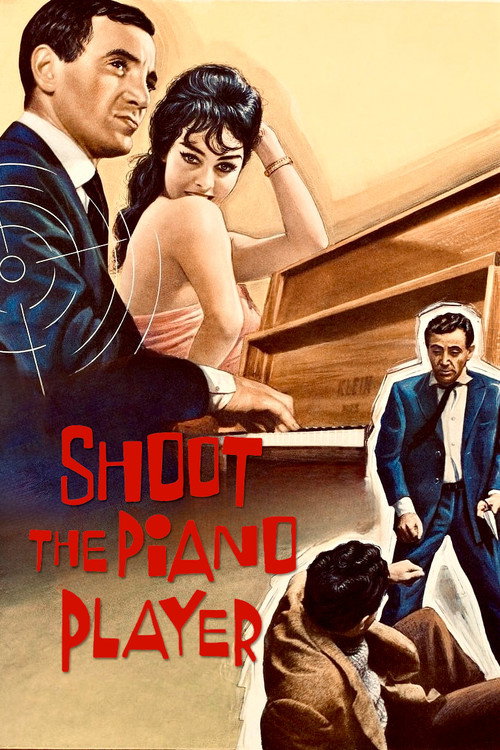
Shoot the Piano Player1960
Truffaut's second feature is charming, playful, and heartbreaking—a noir that refuses noir's cynicism. The tonal shifts feel deliberate, almost musical. Pure joy to watch.
But The lightness can feel inconsistent with the darker plot points. Some viewers find the genre-mixing discordant rather than delightful.
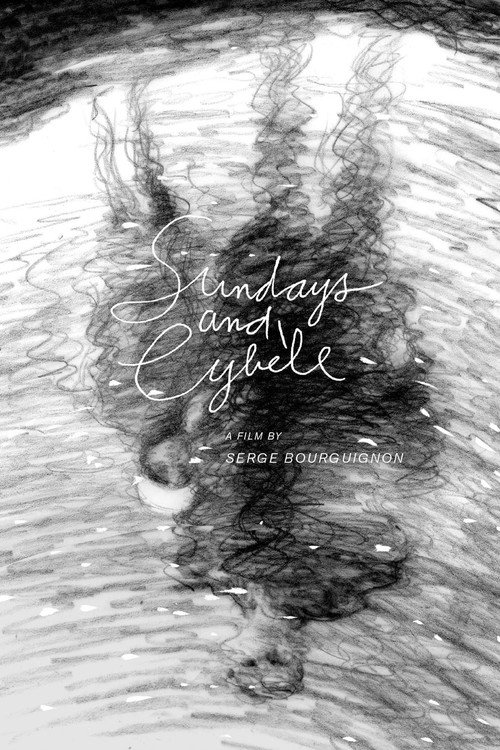
Sundays and Cybele1962
A damaged war veteran befriends a girl and they spend Sundays together in careful innocence. It's tender and strange, a film that trusts its audience to sit in moral ambiguity.
But The premise makes modern viewers understandably uneasy. The film is ultimately about protection and loss, but the setup demands patience with discomfort.
In the Mood for Love2000
Both films are about longing rather than consummation, about how much weight a glance can carry. Both understand that romance lives in what's *not* said.
Wong Kar-wai's Hong Kong masterpiece about two neighbours discovering their spouses are having an affair. It's told through glances, silences, and the space between bodies. Impossibly stylized yet deeply felt. A meditation on desire, restraint, and the unbearable nearness of what you cannot have.
But It moves at its own hypnotic pace, favours visual language over dialogue. The restraint might read as withholding rather than moving. Very slow, very quiet, very deliberate.

Stalker1979
Both films centre on the terrible gap between what we want and what we're willing to do to get it. Both understand that the approach matters more than the destination.
Tarkovsky's science-fiction meditation on desire and yearning is, at its heart, about whether we actually want what we think we want. It's paced like a poem, shot like a prayer, and concerns three men walking toward a mysterious room. Difficult, demanding, transcendent.
But It's a 163-minute Russian science-fiction film about people walking and talking. It's the opposite of entertainment. It requires surrender, and many viewers resent the imposition.

People
Cast
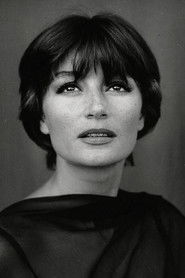 Anouk AiméeLola (Cécile)
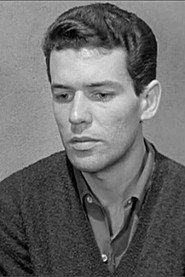 Marc MichelRoland Cassard
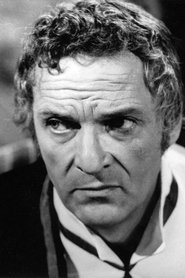 Jacques HardenMichel
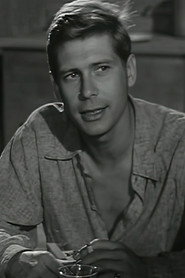 Alan ScottFrankie
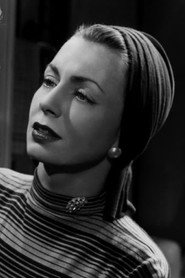 Élina LabourdetteMadame Desnoyers
 Margo LionJeanne, la mère de Michel
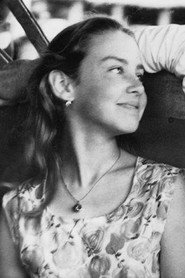 Annie DuperouxCécile Desnoyers
- Catherine LutzClaire, the bar owner
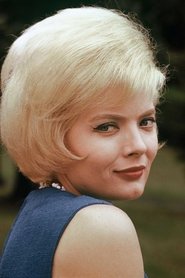 Corinne MarchandDaisy
- Yvette AnzianiMadame Frédérique
 Dorothée BlanckDolly
- Isabelle LunghiniNelly
Directing
- Bernard Toublanc-MichelAssistant Director
- Denis MornetAssistant Director
- Jacques DemyDirector
- Suzanne SchiffmanScript Supervisor
Writing
- Jacques DemyScreenplay
Production
- Carlo PontiProducer
- Georges de BeauregardProducer
- Bruna DrigoProduction Assistant
- Georges de BeauregardProduction Manager
- Marcel GeorgesUnit Manager
Recommended by
Marnie, Sundays and Cybele, Phaedra, Emmanuelle, My Lover, My Son