
Film
Phaedra
A fever dream of a film transplanting the Phaedra myth into the world of Greek shipping wealth. Melina Mercouri burns through the screen as a young woman trapped between desire and social obligation, Anthony Perkins as her stepson a study in dangerous vulnerability. It's operatic, sensual, and morally queasy in ways that feel less about judgement and more about the inescapability of desire itself.
If you liked this
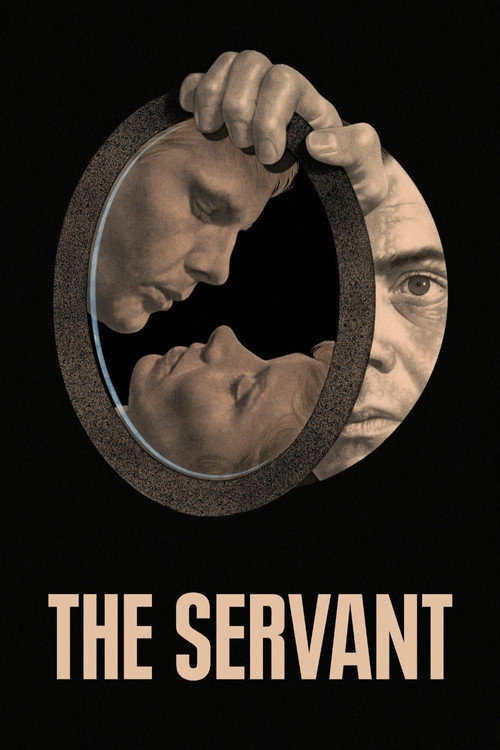
The Servant1963
A masterwork of class tension and psychological manipulation set in a London townhouse. Like Phaedra, it's about the corruption of a household from within, shot in gorgeous black and white by Dirk Bogarde and James Fox that crackles with suppressed eroticism.
But Slow-burn plotting and a deliberately ambiguous ending frustrate viewers looking for clear moral clarity or satisfying resolution.
Lola1961
Jacques Demy's seductive portrait of a woman who enchants everyone around her in a port town. The same stylized, heightened reality as Phaedra—sensuality and fatalism as visual language, Anouk Aimée luminous in impossible situations.
But Its dreamy logic and refusal to explain character motivation can feel indulgent if you prefer stories that explain themselves.

The Lovers1958
Louis Malle's film of a woman torn between security and passion. The infidelity, the shipboard scenes, the way bourgeois life contains explosive desire—it's the same erotic pressure cooker, just as European and feverish.
But The sex scenes, radical then, now read as relatively chaste. And the film's sympathies can feel frustratingly ambiguous about its heroine.

Not sure tonight? Get a pick in a minute, starting from Phaedra
The wildcard
Something you would not have found on your own.
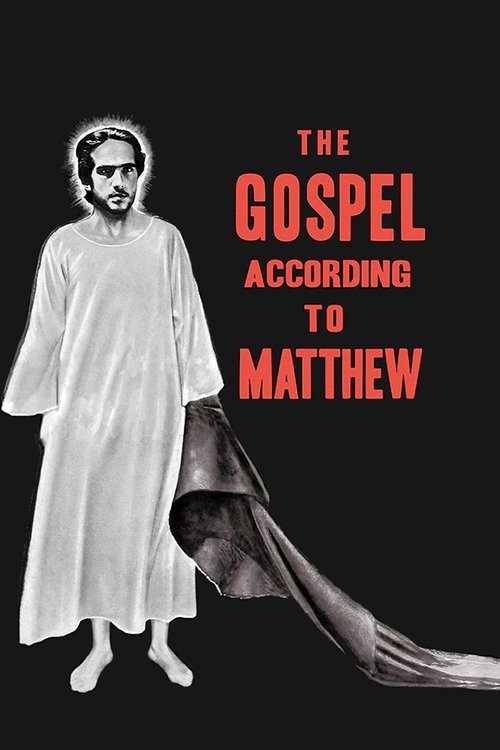
The Gospel According to St. Matthew1965
Both films treat their central conflict as cosmically inevitable—not a failure of character but a collision of irreconcilable forces. Both use the body as the language of that conflict.
Pier Paolo Pasolini's radical, sacred rendering of Matthew's account. Like Phaedra, it's a story about desire, law, and the impossible place of the body within social order—but Pasolini's lens is incandescent, spiritual, treating the material world as transcendent rather than doomed. The passion here is salvation rather than ruin.
But Experimental form, austere black and white, long stretches without dialogue. Its sacredness demands patience that secular viewers may not grant.
More like this (7)
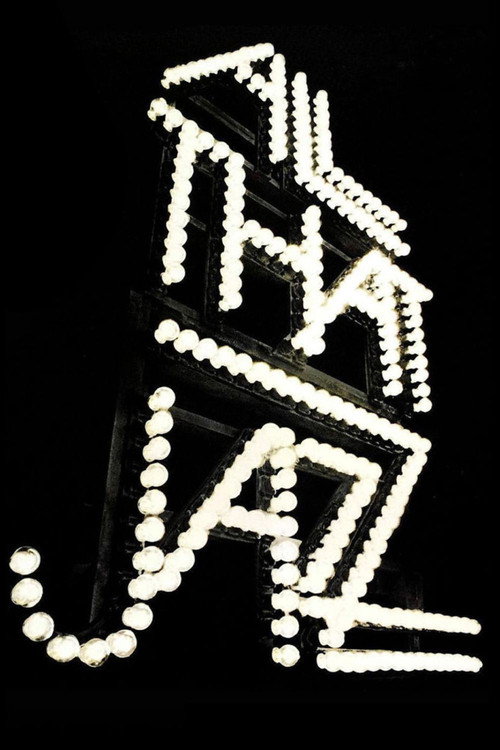
All That Jazz1979
Fosse's semi-autobiographical nightmare about obsession and self-destruction. Like Phaedra, it's an immoral person you can't stop watching, opera-scale emotions, the inevitability of catastrophe treated as erotic.
But Punishingly long at 123 minutes, deliberately ugly at moments, and its main character is a genuine asshole without redemption.
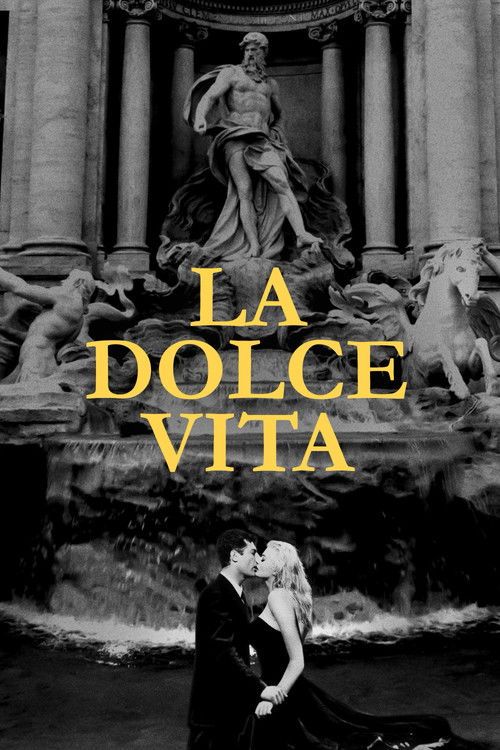
La Dolce Vita1960
Fellini's glittering, grotesque Rome where morality dissolves in pleasure and spectacle. Carries the same intoxicated atmosphere, the sense of watching people caught in currents they can't resist or even name.
But Three hours of episodic narrative without forward momentum. Beautiful to look at but exhausting if you need a traditional story.
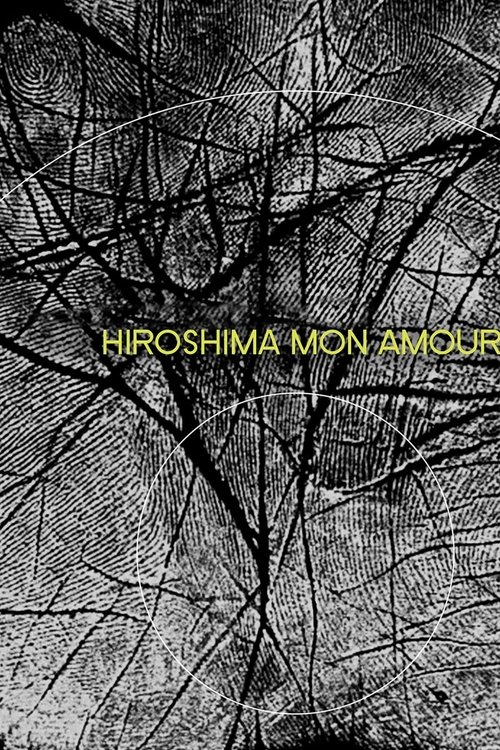
Hiroshima Mon Amour1959
Resnais and Duras: a forbidden affair between a French actress and Japanese architect in postwar Hiroshima. Forbidden desire, the past that won't release you, language that refuses clarity—it's Phaedra's cousin made even more abstract and devastating.
But Deliberately fragmentary, poetic structure. The narrative is almost impressionistic; plot-driven viewers will find it maddening.
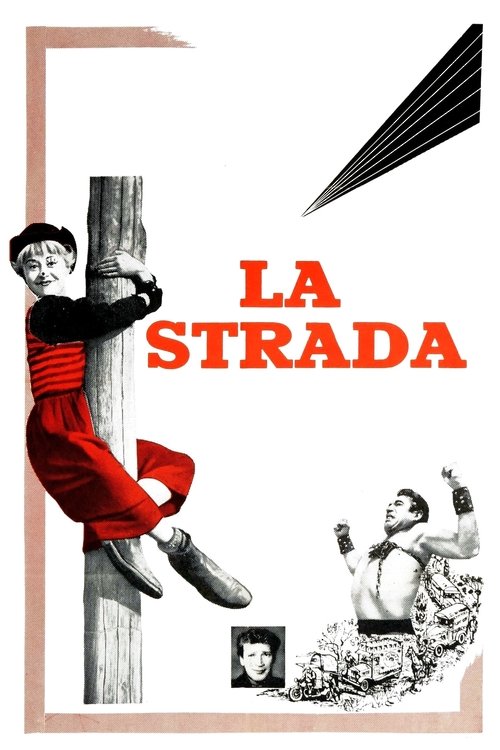
La Strada1954
Fellini's tragic love story between a brutish carnival strongman and an innocent girl. The same sense of doom, of love as degradation, performed under circus lights. Anthony Quinn as the cruelty at the heart of desire.
But Relentlessly bleak. The relationship is abusive and the film offers no comfort, just pity.
The Lovers2015
One final look at the middle-aged affair: married couple, unexpected passion, the lie that unravels. It's Les Amants remade for the 2010s, quieter but hitting the same notes about the hunger that won't accept nice domesticity.
But Quiet, conversational, deliberately unglamorous. Lacks the visual and dramatic intensity that might make infidelity feel operatic.

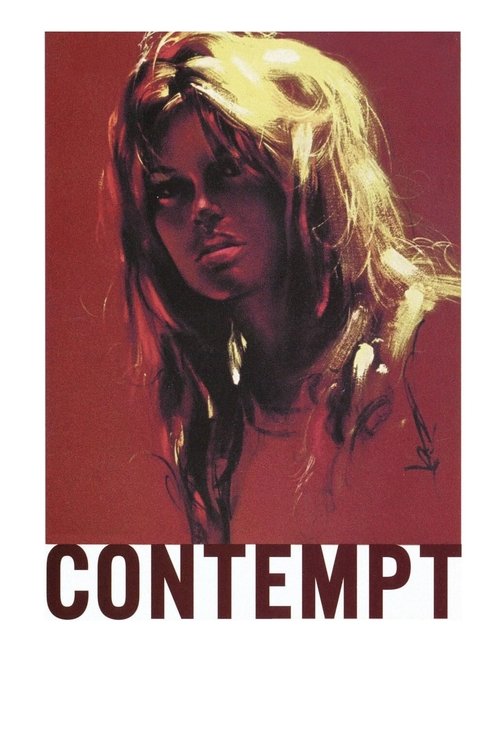
Contempt1963
Both dissect the marriage and the stepson/stepmother relationship as structures designed to fail. Both films refuse to let you feel superior to their characters—you're trapped with them.
Godard's acid dissection of a marriage in crisis, shot in stunning Technicolor on the island of Capri. Where Phaedra buries its doubts in sensuality, Contempt exposes them with brutal precision. Yet both films are about the impossibility of knowing anyone—love as a system of beautiful lies that collapse.
But Deliberately fractured editing, Godard's essayistic interruptions, Michel Piccoli as a hollow cynic. It's anti-cinema, determined to frustrate narrative pleasure.
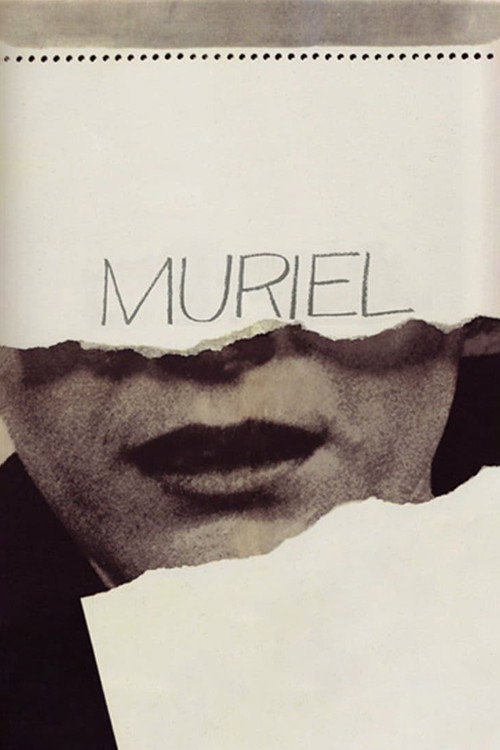
Muriel, or the Time of Return1963
Both treat family bonds not as sanctuary but as pressure cookers. Both are ultimately about how we lie to survive proximity to people we love.
Alain Resnais' film about a widow, her son, an old flame—and an unspeakable act in Algeria that haunts everything. Where Phaedra speaks in myth and passion, Muriel speaks in fractured time and repression. But both are about how the past colonizes the present, how family is the space where desire and violence live alongside each other.
But Genuinely difficult: fractured chronology, Resnais' puzzle-box structure, political weight. It's a film that requires active assembly by the viewer.
People
Cast
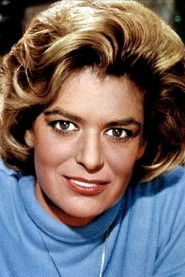 Melina MercouriPhaedra Kyrilis
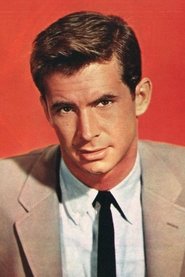 Anthony PerkinsAlexis Kyrilis
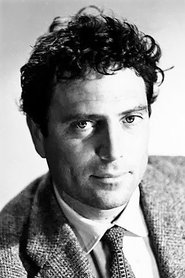 Raf ValloneThanos Kyrilis
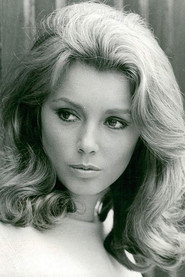 Elizabeth ErcyErcy (as Elisabeth Ercy)
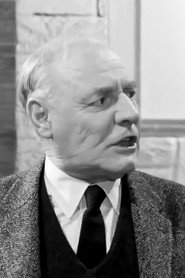 Tzavalas KarousosPhaedra's father, (as T. Karoussos)
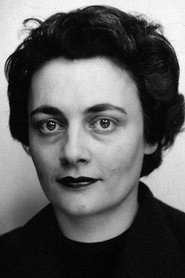 Zorz SarriAriadne
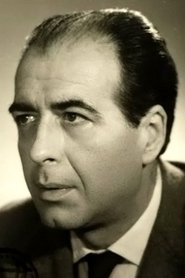 Andreas FilippidesAndreas
 Stelios VokovichStravos
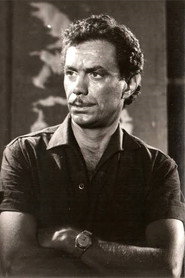 Nikos TzogiasFelere (as Nicos Tzoyas)
 Depi MartiniHeleni
- Alexis PezasDimitris
Directing
- George KoukopoulosAssistant Director
- Ginette Diamant-BergerAssistant Director
- Roy MillichipAssistant Director
- Jules DassinDirector
Writing
- Margarita LymberakiScreenplay
- EuripidesTheatre Play
- Jules DassinWriter
Production
- Noël HowardAssociate Producer
- Jules DassinProducer
- George MillsProduction Manager
- Marios StavropoulosProduction Manager
- Michel RittenerProduction Manager