
Film
Electra
- Period drama
- Vigilante
- Very dark
A Greek tragedy stripped down to its bone-deep fury. Irene Papas burns as Elektra, a woman consumed by the need for vengeance against the mother and stepfather who murdered her father. It's austere, intense, shot in stark black-and-white—philosophy and violence in equal measure, the kind of film that lodges in your chest.
Should you watch it?
Watch it if you love Greek tragedy in its stark, unhurried original form, where grief and vengeance are carried by faces and chanted verse rather than by plot machinery.
Skip it if you want brisk momentum or modern pacing, since this 1962 Michael Cacoyannis film moves slowly, leans on long silences, and treats its myth with solemn, unbroken gravity.
What it asks of you: Roughly a hundred and ten minutes of patient, hushed attention, with little relief from its austere tone and a mostly fixed, stage-like sense of space.
Not sure? Find tonight's pick in a minute.
If you liked this
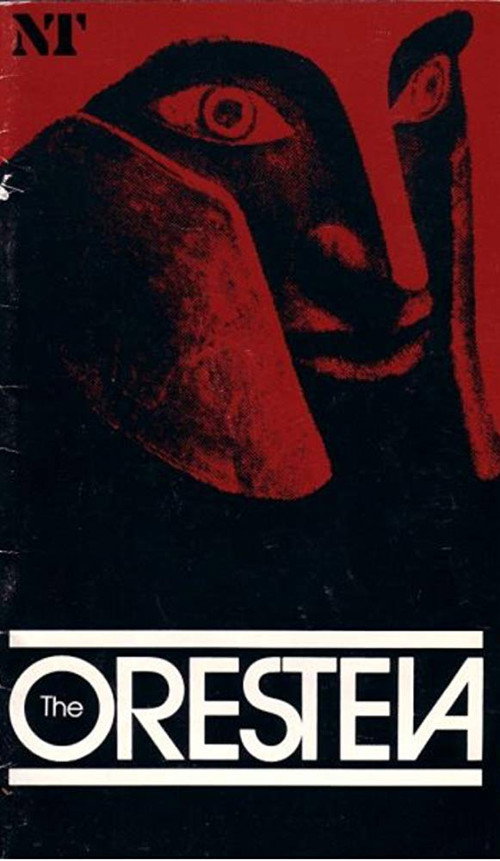
The Oresteia1983
Robert Icke's savage reimagining plays the same ancient material as political thriller. If Elektra makes you hungry for more of this story, this is the modern answer: bloody, urgent, impossibly tense.
But Three-hour BBC production. Heavy classical theatre with a contemporary edge—some find that mixture awkward rather than illuminating.
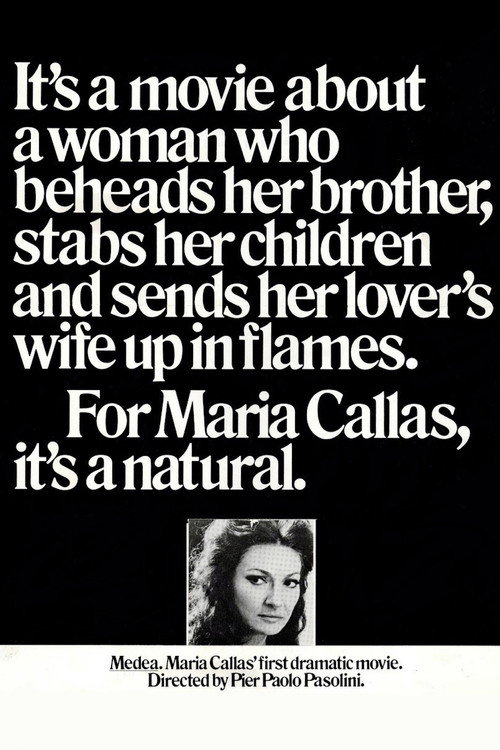
Medea1969
Pasolini's film of Euripides, also starring Papas. A woman driven to unthinkable acts by betrayal and rage. Same actress, same playwright, same primal emotional logic—but angrier, more baroque, less restrained.
But Pasolini's aesthetics are deliberately alienating. Gorgeous and cold. Not a film that wants to comfort you.
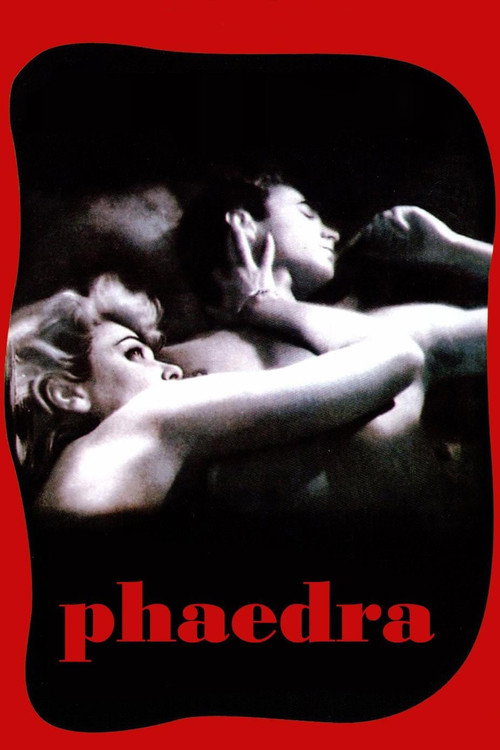
Phaedra1962
Jules Dassin moves Greek tragedy to 1960s shipping magnates. Melina Mercouri and Anthony Perkins in a modern setting, but the doom and desire are pure Euripides. Same era as Elektra, same mission: tragedy in contemporary dress.
But Melodrama dressed as art film. If you need plot momentum or contemporary dialogue, the artificiality will show.
Not sure tonight? Get a pick in a minute, starting from Electra
The wildcard
Something you would not have found on your own.
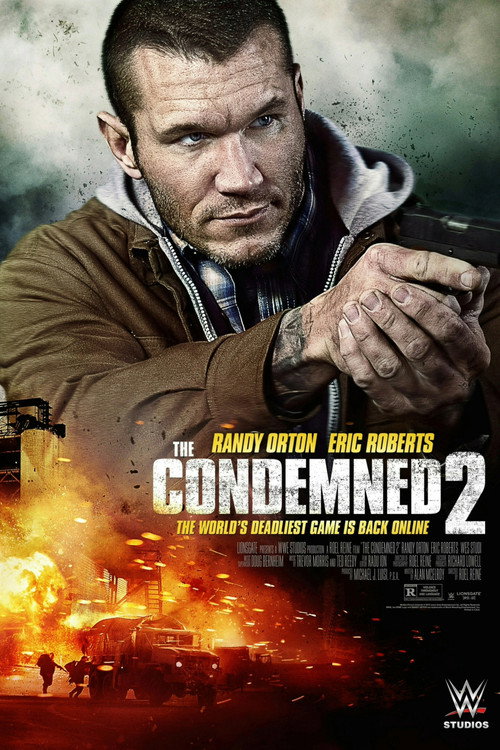
The Condemned 22015
Both are direct Sophocles adaptations. Both use austerity and spatial restriction to trap you inside a character's rage. Both ask: what happens when you become your revenge?
A South Korean adaptation of Sophocles' Philoctetes—wounded man, impossible choice, vengeance dressed as justice. Shot in grimy colour instead of stark black-and-white, but it carries Elektra's spiritual weight and moral vertigo. A film almost no one knows.
But Subtitled, sparse, and glacially paced. The point is suffering and stasis, not resolution. Some will find it punishing.
More like this (7)
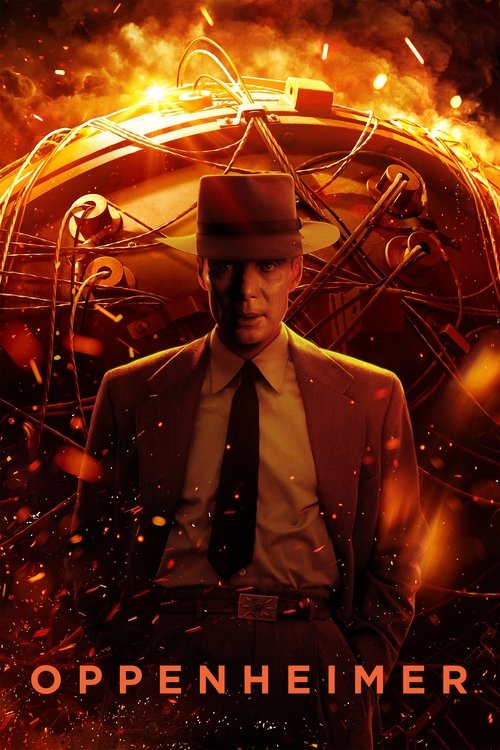
Oppenheimer2023
A man haunted by what he's done, consumed by the weight of consequence. Like Elektra, it's a study in obsession and the cost of single-minded purpose, but here the tragedy unfolds at the scale of nations.
But Three hours. More interested in intellectual argument than character intimacy. Some will find it sterile.
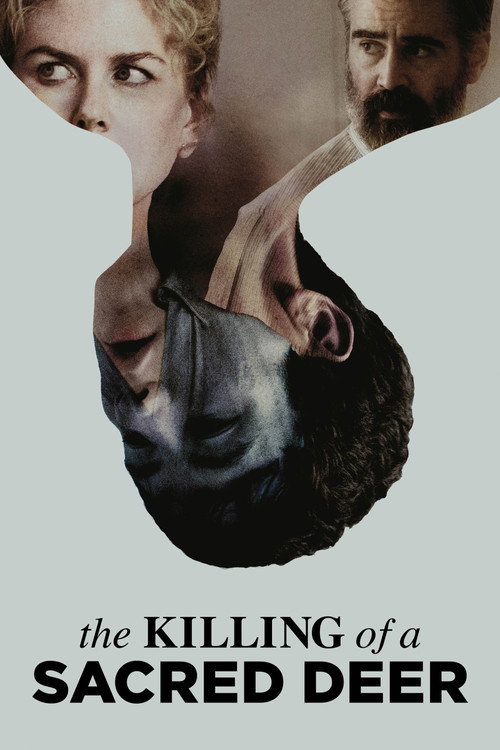
The Killing of a Sacred Deer2017
Yorgos Lanthimos remakes Iphigenia as a modern psychological horror about a family bound by obligation and curse. The Greek DNA is obvious; the dread is contemporary and suffocating.
But Deliberately artificial performances and pacing. The strangeness is the point, but it can feel mannered rather than moving.
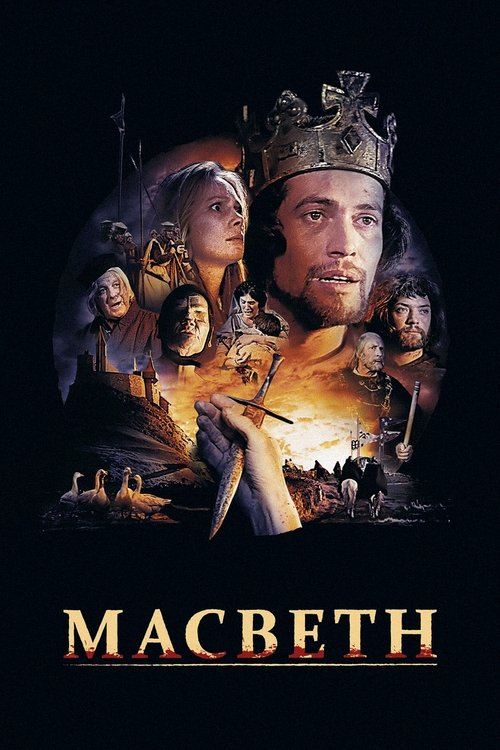
Macbeth1971
Polanski's version: blood, murder, a crown seized, vengeance rippling outward. The same engine of ambition and retribution that drives Elektra, but through Shakespeare's lens instead of ancient Greece.
But Grim and visually brutal. The famous violence is the least of what makes it bleak. Not uplifting cinema.
A Prayer for the Dying1987
Mickey Rourke as a grieving father turned avenger. Less classical, more pulp—but the core is the same: a man hollowed out by loss and bent on retribution, unable to stop even when he should.
But Uneven 1980s thriller, not high art. The execution (in all senses) doesn't match the ambition.

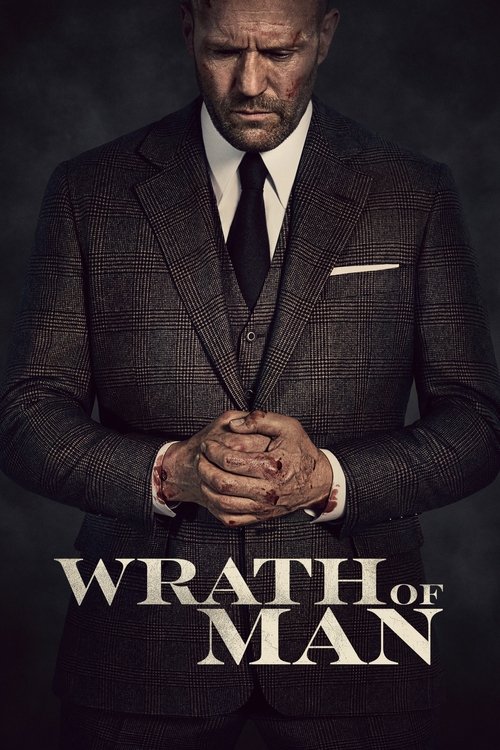
Wrath of Man2021
Jason Statham in a revenge thriller structured around the slow reveal of buried trauma. Like Elektra, it's about the price of nursing rage, though told through modern action-film logic and moral ambiguity.
But Slick and surface-level. If you want substance and not just propulsive plotting, this will feel hollow.
The Ballad of Little Jo1993
Both centre a woman whose refusal to bend becomes her entire identity. Both are about the cost of that defiance, not its triumph. Both are uncomfortable to watch in ways that matter.
Maggie Greenwald's quietly furious film about a woman who reinvents herself to survive in a world that wants her dead or servile. Not ancient, not tragic, but driven by the same quiet burn—a refusal to accept the hand you've been dealt, dressed in Western clothing.
But Slow, gentle in tone, and deeply strange. The fury is internal. If you want Elektra's volcanic intensity, this is its opposite extreme.

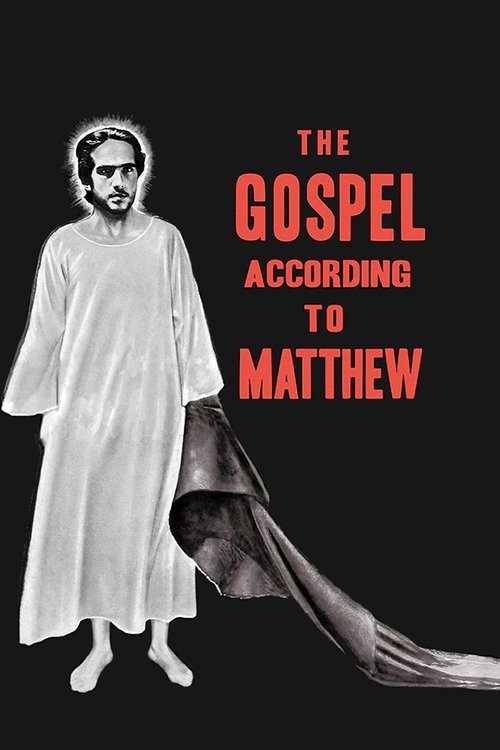
The Gospel According to St. Matthew1965
Both films use monochrome severity and non-professional acting to make the familiar feel ancient and unchosen. Both believe that justice and suffering are inseparable. Both reject comfort.
Pasolini's austere, black-and-white film of Matthew's Gospel—cast with non-professionals, shot like a documentary of the sacred. Like Elektra, it's stripped-down, visually sparse, and radically serious about moral law and divine retribution. Pure cinema as theology.
But A religious film, which alone will repel some. Longer than it feels, with no plot momentum. Patience is prerequisite.
People
Cast
 Irene PapasElektra
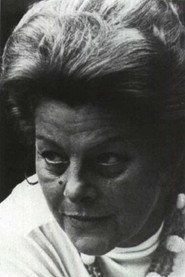 Aleka KatselliKlytaemnistra
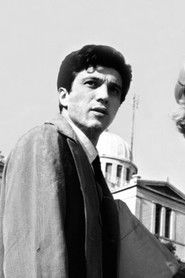 Giannis FertisOrestis
 Theano IoannidouChorus Leader
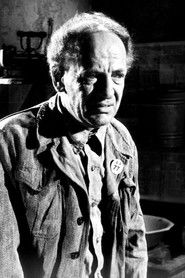 Notis PeryalisElektra's Husband
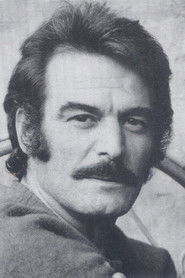 Takis EmmanuelPylades
- Fivos RaziAegisthus
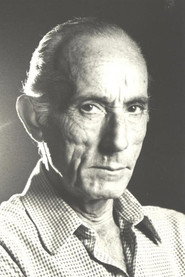 Manos KatrakisThe Tutor

Directing
- Vassilis MariolisAssistant Director
- Stamatis VlassisContinuity
- Mihalis KakogiannisDirector
Writing
- Mihalis KakogiannisScreenplay
- EuripidesTheatre Play
Production
- Mihalis KakogiannisProducer
- Yannis PetropoulakisProduction Manager