
Film
Oedipus the King
- Period drama
- Mystery
- Very dark
Sophocles' masterpiece made urgent and intimate. This 1968 staging traps you in Oedipus's unravelling—a man discovering the unspeakable truth of his own nature through interrogation, confession, and inexorable fate. Plummer is magnificent. It's stagey, yes, but that's the point: ancient drama stripped of illusion, played for devastating emotional clarity.
If you liked this
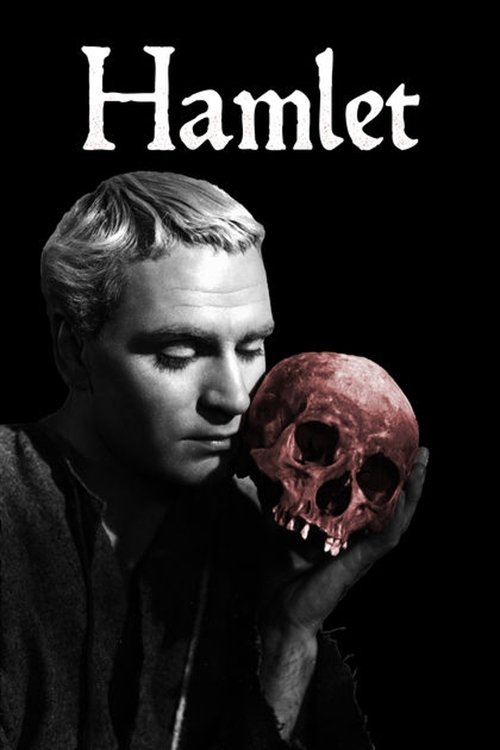
Hamlet1948
Like Oedipus, a man brought low by the truth he uncovers, spiralling toward doom while everyone around him sees what he cannot. Laurence Olivier's definitive version has that same tragic weight.
But At three and a half hours, it demands patience. The archaic language can feel like a second language entirely.
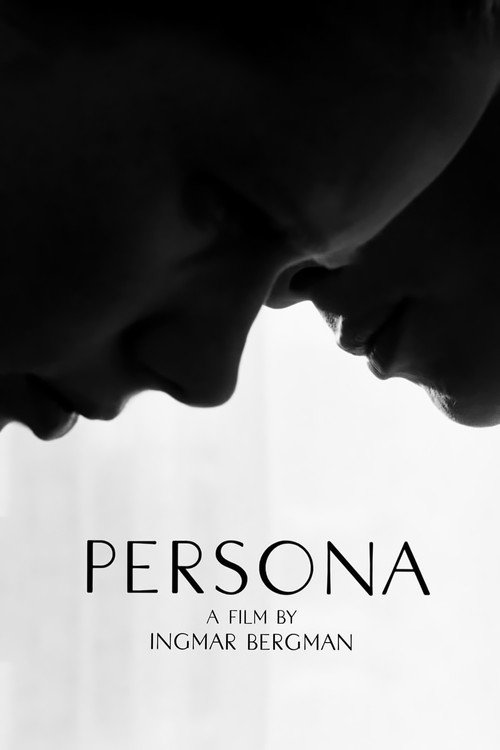
Persona1966
Bergman's interrogation of identity and truth-telling between two women echoes Oedipus's descent into self-knowledge. Cryptic, hypnotic, and built entirely on what cannot be said.
But It's oblique and austere. If you need plot momentum, this will feel like watching paint dry.
The Seventh Seal1957
Bergman's knight confronting fate and mortality in the face of plague and an indifferent cosmos. Medieval settings, but the existential terror is pure Oedipus—destiny closing in.
But Deliberately theatrical and a bit didactic. Can feel like watching someone's philosophy seminar.

Not sure tonight? Get a pick in a minute, starting from Oedipus the King
The wildcard
Something you would not have found on your own.
Dogville2003
Both use theatrical bareness as a weapon. Neither allows the medium to soften the blow. Both ask: how do ordinary people become catastrophes?
Lars von Trier stages moral catastrophe on a bare stage with lines drawn on the floor. Like this Oedipus, it strips away cinema's comforts to trap you in the horror of what humans choose to do. The formal audacity is breathtaking.
But It's brutal toward its own characters and the viewer alike. Watching it feels like a violation, which is exactly the point but makes it hard to sit through.

More like this (7)
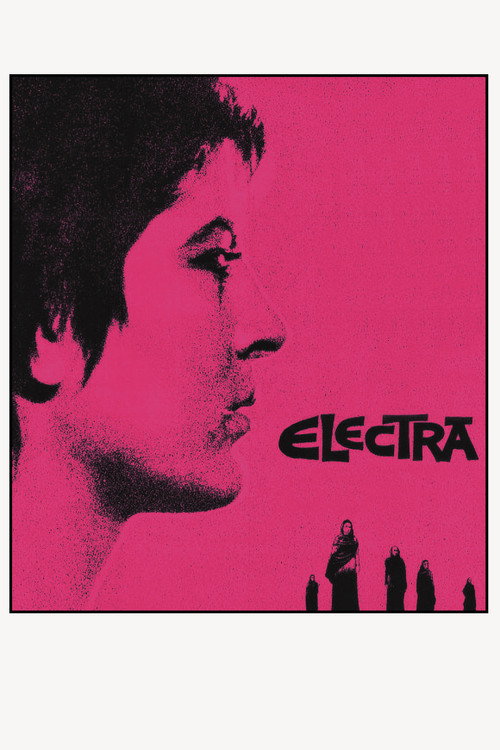
Electra1962
Michael Cacoyannis adapts the companion Sophocles tragedy with the same cast and clarity. If you're moved by Oedipus, here's the family's next generation paying the price.
But It assumes you know the story already. Watching Oedipus first is almost mandatory for full impact.
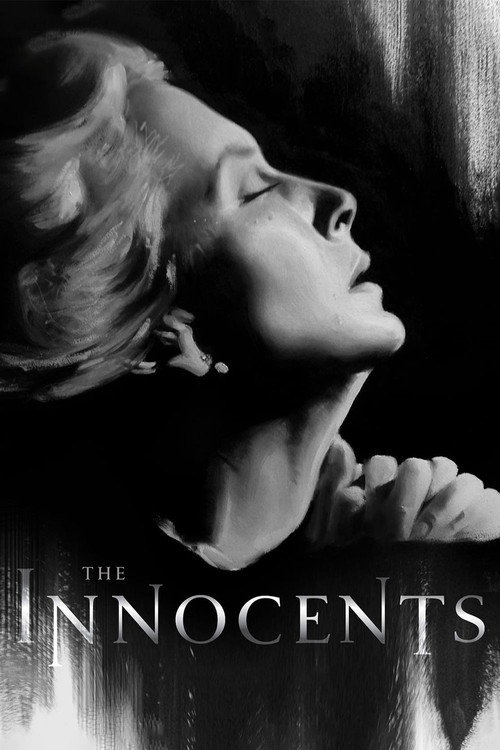
The Innocents1961
Jack Clayton's masterpiece about a governess discovering corruption beneath innocence—a slow unmasking of hidden truth that destroys her. Psychological unease replaces ancient fate, same effect.
But It's ambiguous on purpose. If you need narrative certainty, the ending will frustrate you deliberately.
Medea1969
Pasolini's Medea is operatic and primal—another Sophoclean world where passion and fate collide. Maria Callas is unforgettable. Visually extraordinary, deeply unsettling.
But It's grim and surreal. The violence is not dramatised gently. Some sequences are almost unwatchable.

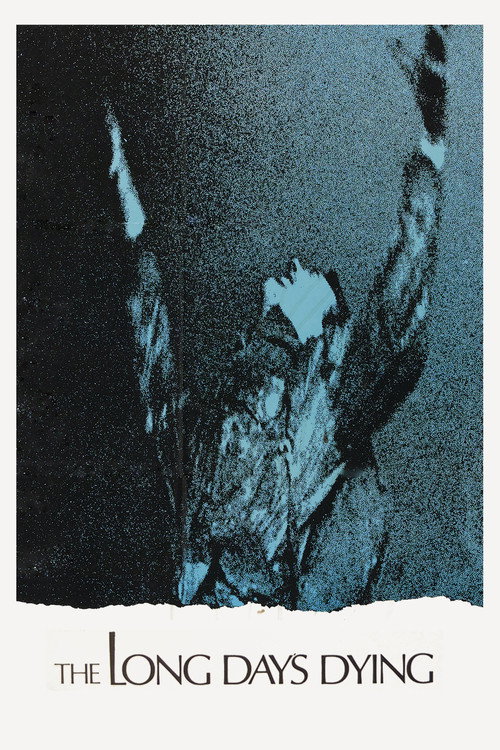
The Long Day's Dying1968
Peter Hall's film of a stage production about three soldiers trapped by circumstance. Like Oedipus, it's actors in a space, exploring how men become prisoners of their own natures.
But Very much a play on film. Claustrophobic and intellectual. The real action happens in language, not movement.
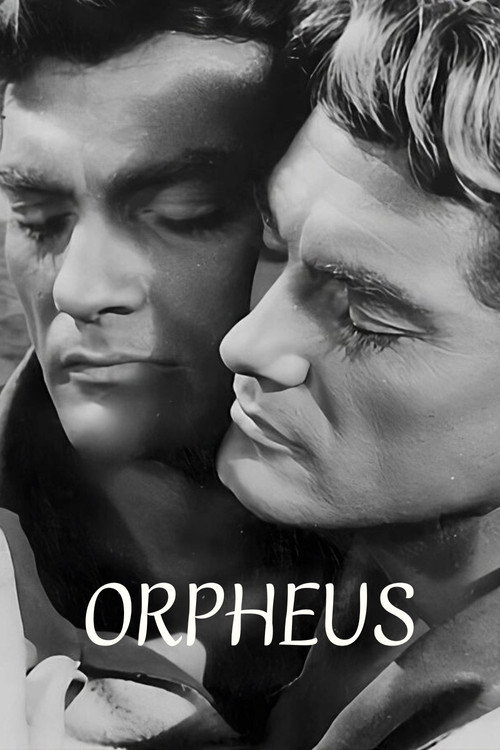
Orpheus1950
Cocteau's modernised Orpheus myth is playful where this Oedipus is stern, but shares the same obsession with destiny, loss, and the power of looking backward when you shouldn't.
But Its whimsy feels dated now. If you're coming from Oedipus wanting more tragedy, this pivots into poetry and style over depth.
Synecdoche, New York2008
Both pivot on the moment a man realises he cannot escape his own nature. Both use formal constraint to mirror psychological dissolution. Both are about the impossibility of knowledge.
Charlie Kaufman's film about an artist creating a life-sized replica of New York inside a warehouse explores the Oedipal terror of recognising yourself in your own creation. It's dizzying, fractured, and absolutely relentless.
But It's deliberately confusing and exhausting. By design. Surrender to it or bounce off it entirely—there's no middle ground.

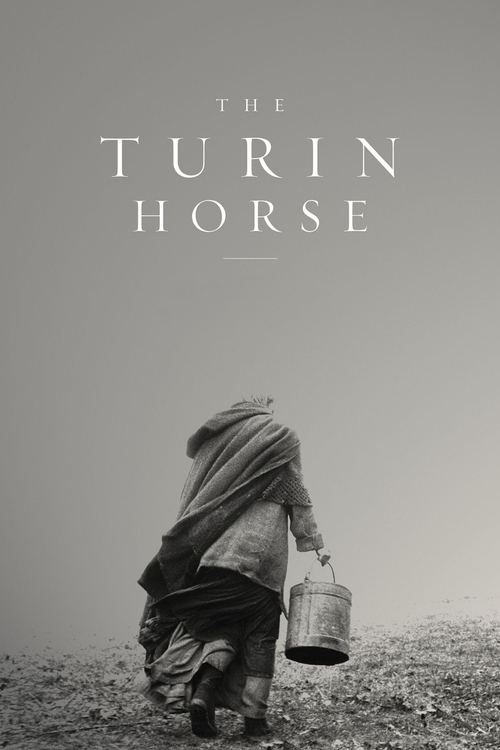
The Turin Horse2011
Where Oedipus discovers the horrifying truth in one shattering moment, Tarr shows what comes after—the slow recognition that fate is not a revelation but a condition of living. Both strip away hope.
Béla Tarr's final film—a black-and-white apocalypse where two people repeat rituals as civilisation collapses. It's Oedipus without the revelation: just repetition, decay, and the knowledge that nothing can be undone.
But It's glacially slow, wordless for long stretches, and offers no comfort. The image of dissolution is the entire point. Bleak doesn't begin to cover it.
People
Cast
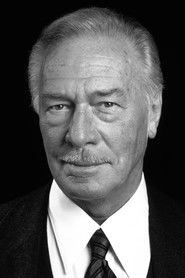 Christopher PlummerOedipus
 Lilli PalmerJocasta
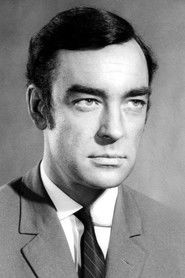 Richard JohnsonCreon
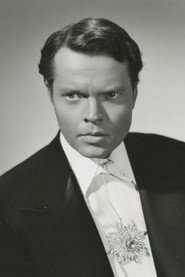 Orson WellesTiresias
 Cyril CusackMessenger
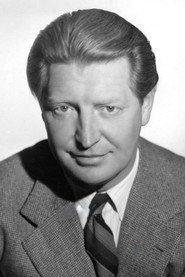 Roger LiveseyShepherd
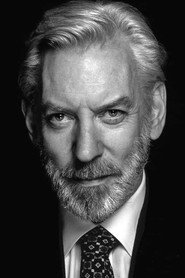 Donald SutherlandChorus Leader
 Friedrich von LedeburKing Laius
 Dimos StareniosPriest
- Alexis MannPalace Official
- Oenone LukeAntigone
- Cressida LukeXemene
Directing
- Philip SavilleDirector
Writing
- Michael LukeScreenplay
- Philip SavilleScreenplay
- Paul RocheTheatre Play
- SophoclesTheatre Play