
Film
Dogville
- Social drama
- Crime
- Very dark
Dogville is Lars von Trier's austere, theatrical dissection of human nature and moral compromise. Staged on a bare set with chalk-drawn buildings, it follows a fugitive woman bartering her labour for shelter in a Depression-era town. The film is confrontational and glacial, demanding patience but rewarding it with insights about cruelty, charity and the cost of vulnerability. For those willing to meet it halfway.
Should you watch it?
Watch it if you like parables that strip a story to its bones and dare you to sit with its cruelty, and you're happy to read meaning off a bare stage.
Skip it if you need real sets, steady warmth or relief, since its 178 minutes on a bare stage can feel punishing.
What it asks of you: Its almost three hours unfold slowly, in a stripped-down theatrical register, with long talky stretches that reward patience and grow steadily harder to watch.
Not sure? Find tonight's pick in a minute.
If you liked this
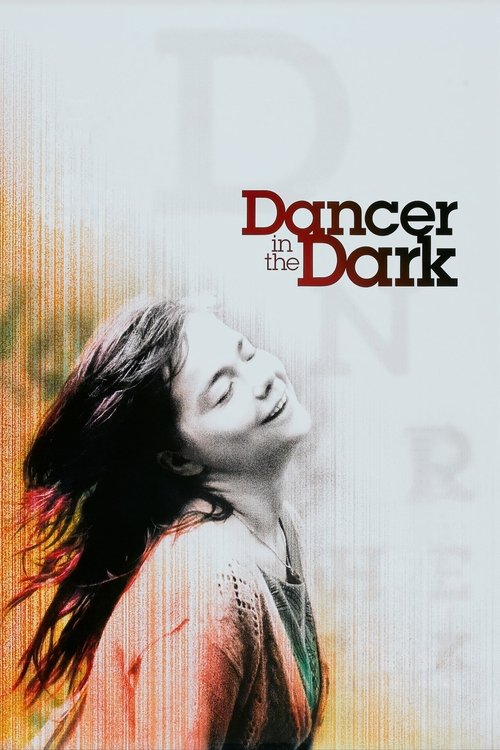
Dancer in the Dark2000
Von Trier's other masterpiece, equally punishing and visionary. Björk's performance as an immigrant factory worker spirals toward tragedy with operatic force. A film that breaks you deliberately and completely.
But Relentlessly bleak, with an ending designed to leave you hollowed out rather than moved. Musical numbers arrive unexpectedly and may feel manipulative.
The Killing1956
Kubrick's tight heist noir compresses moral failure into ninety minutes. Like Dogville, it asks what ordinary people will do when tested. Sharp, crystalline, merciless about human nature.
But The pacing is controlled to the point of coldness. No character invites sympathy, and the film offers no warmth to soften the blow.

Requiem for a Dream2000
Aronofsky's chamber piece about addiction and delusion. Four characters spiral in parallel; the formal precision mirrors their loss of control. Devastating without ever becoming sentimental.
But The final thirty minutes are almost unwatchable by design. The sound design is aggressively distressing. One viewing may be enough for a lifetime.

Not sure tonight? Get a pick in a minute, starting from Dogville
The wildcard
Something you would not have found on your own.
The Ballad of Little Jo1993
Both interrogate how communities treat the vulnerable and dependent, and what happens when someone steps outside the roles assigned to them.
Maggie Greenwald's revisionist Western about a woman who disguises herself as a man to survive the frontier. Like Dogville it strips away pretense to ask what communities will accept and what they'll reject—but it finds unexpected grace.
But It's a small, quiet film without major stars or conventional pacing. The period detail is unglamorous and the ending refuses the triumph you might expect.

More like this (8)
The Crucible1996
Miller's play about Salem witch trials, directed by Hicks. A community turns murderous when fear and accusation replace reason. The parallel to McCarthyism makes its moral architecture clear.
But The hysteria can feel dated in staging. Some may find the didactic intent outweighs the drama, especially if you know the history.

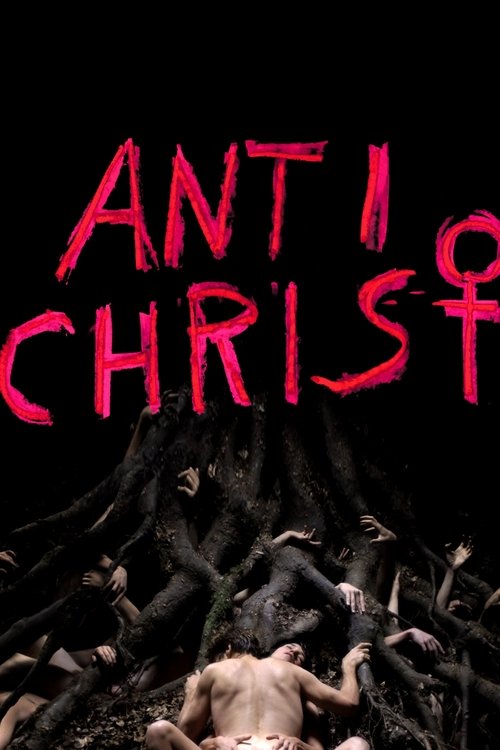
Antichrist2009
Von Trier again, but even more extreme. A couple retreats to a cabin after tragedy; grief and isolation metastasize into something monstrous. Formally audacious and genuinely horrifying.
But Contains graphic violence and sexual content used deliberately to wound. The shock tactics may overshadow the philosophical inquiry for many viewers.
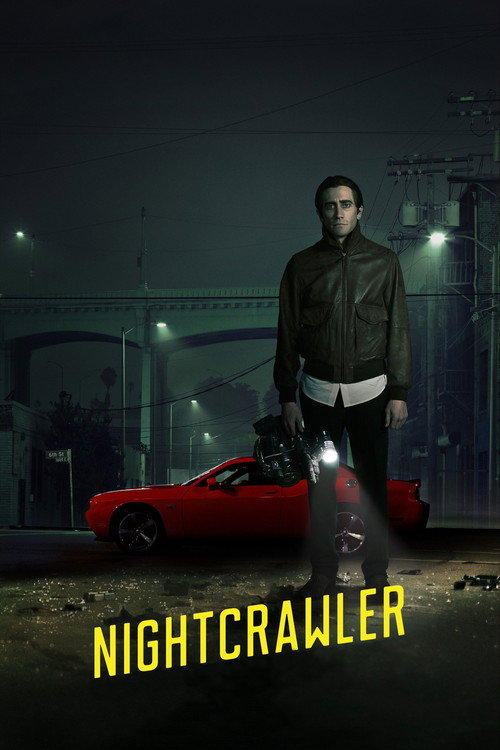
Nightcrawler2014
Jake Gyllenhaal as a feral freelance videographer exploiting tragedy. The film is a clean, propulsive anatomy of moral vacancy in contemporary America. Entertaining and intelligent.
But The protagonist is repellent and the film offers no redemption. It's also deeply cynical about human nature, which can feel exhausting.
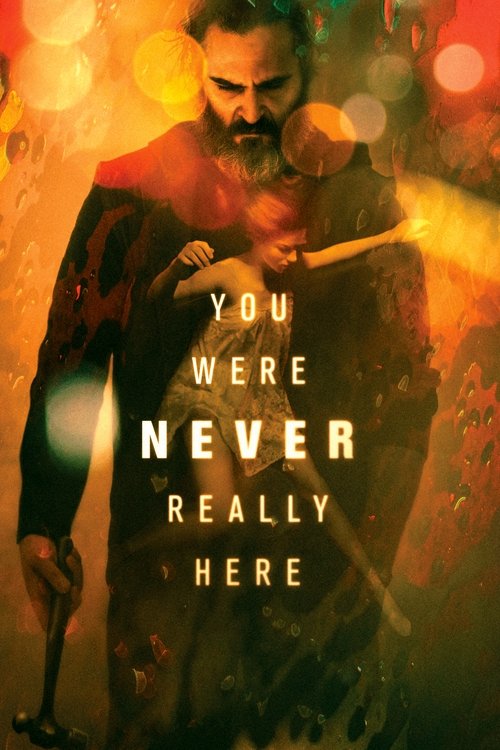
You Were Never Really Here2017
Lynne Ramsay's fractured study of trauma and violence. Joaquin Phoenix as a damaged fixer; the film splinters its narrative to match his mind. Visually extraordinary and formally daring.
But The editing is deliberately disorienting and the violence sudden. It's claustrophobic and offers minimal catharsis or comfort.
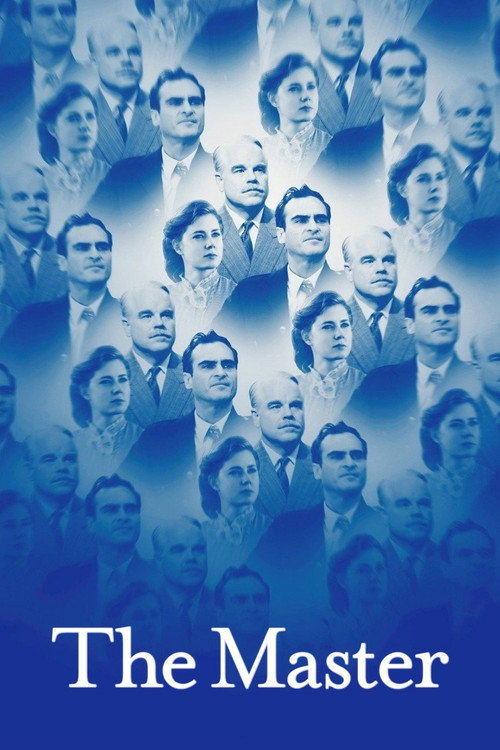
The Master2012
Paul Thomas Anderson's portrait of two damaged men circling each other. Philip Seymour Hoffman and Joaquin Phoenix create a relationship that's magnetic and deeply weird. Hypnotic cinematography.
But The narrative is deliberately oblique; it moves in circles rather than arcs. Some will find it self-indulgent and exhaustingly opaque.
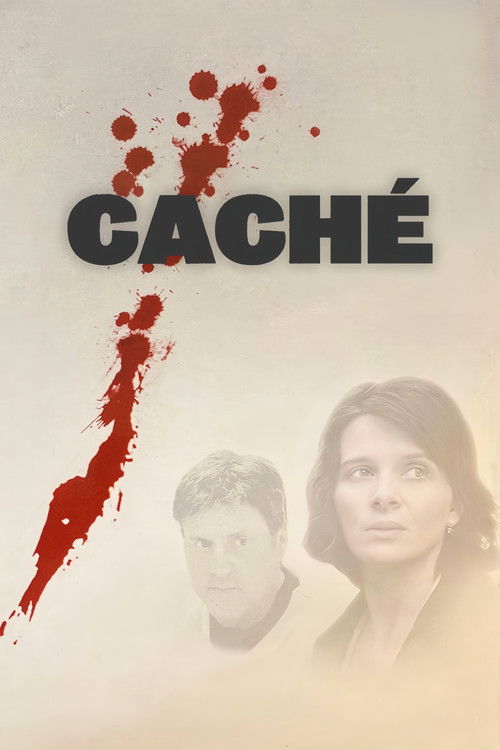
Caché2005
Haneke's smart thriller about guilt and complicity. A well-off couple receives surveillance tapes; the mystery becomes less important than what it reveals. Tense and morally sophisticated.
But The pacing is slow and the plot refuses to clarify itself. Without genre satisfaction, viewers expecting answers will feel shortchanged.
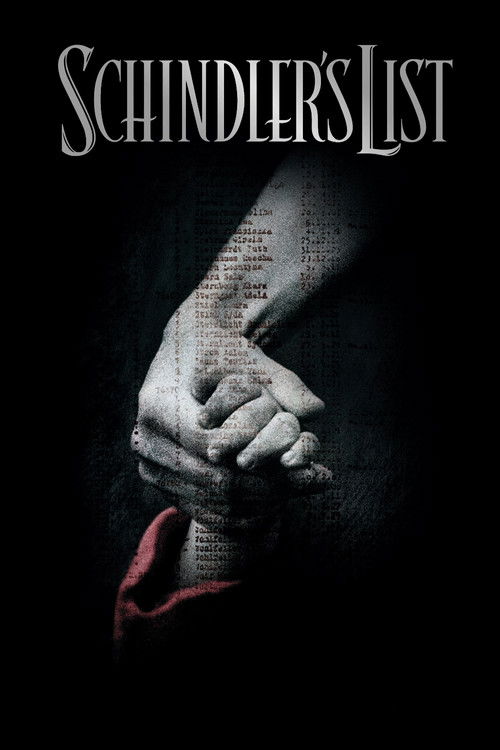
Schindler's List1993
Both use a transactional relationship—labor, shelter, and protection exchanged—as the crucible for moral failure. Both ask what price we place on human life.
Spielberg's unsparing Holocaust film. It shows the machinery of genocide and the banal transactions of survival. Oskar Schindler isn't heroic—he's pragmatic, self-serving, and his factory becomes a strange sanctuary.
But The subject matter is horrific. It's long, unbearably graphic, and emotionally excoriating in ways designed to prevent distance or comfort.
Come and See1985
Like Dogville, it stages human cruelty with formal clarity and refuses to soften the experience. Both strip away narrative comfort to show what people do when consequence dissolves.
Elem Klimov's WWII film about a Soviet boy conscripted into combat. Brutal, hallucinatory, shot in grimy colour that feels like we're watching memory decay. One of cinema's most uncompromising portraits of violence and its aftermath.
But It's profoundly disturbing, with extended sequences of graphic suffering and war crimes. The tone is aggressively bleak and offers no relief, catharsis or redemptive arc.

People
Cast
 Nicole KidmanGrace Margaret Mulligan
 Paul BettanyTom Edison
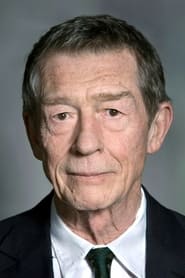 John HurtNarrator (voice)
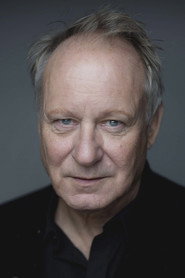 Stellan SkarsgårdChuck
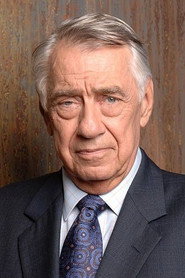 Philip Baker HallTom Edison Sr.

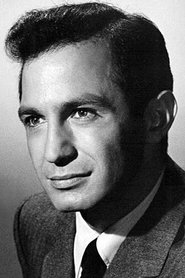 Ben GazzaraJack McKay
 Chloë SevignyLiz Henson
 Siobhan Fallon HoganMartha
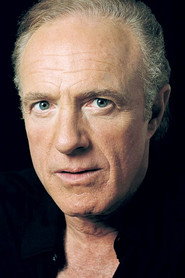 James CaanThe Big Man
 Blair BrownMrs. Henson
Directing
- Caroline Sascha CogezAssistant Director
- Linda DaaeContinuity
- Lars von TrierDirector
- Anders RefnFirst Assistant Director
- Anders BarleboSecond Assistant Director
- Iben SnebangSecond Assistant Director
- Chris SangerThird Assistant Director
Writing
- E. Max FryeScript Consultant
- Clare SaxbyScript Editor
- Lars von TrierWriter
Production
- Ann KøjAccountant
- Ann VognsenAccountant
- Gun ÅsanderAccountant
- Pia JanolsAccountant
- Valérie SieyeAccountant
- Stina BerggrenAssistant Production Coordinator
- Xénia MaingotAssistant Production Manager
- Avy KaufmanCasting
- Hanna NilssonCasting
- Job GosschalkCasting
- Joyce NettlesCasting
- Maureen WhalenCasting Associate
- Lars JönssonCo-Executive Producer
- Lene BørglumCo-Executive Producer
- Marianne SlotCo-Executive Producer
- Peter GardeCo-Executive Producer
- Anja GrafersCo-Producer
- Bettina BrokemperCo-Producer
- Els VandevorstCo-Producer
- Gillian BerrieCo-Producer
- Liisa Penttilä-AsikainenCo-Producer
- Tomas EskilssonCo-Producer
- Turid ØversveenCo-Producer
- Michael SterlingExecutive Producer
- Peter Aalbæk JensenExecutive Producer
- Jonas FrederiksenLine Producer
- Vibeke WindeløvProducer
- Caroline BlancoProducer's Assistant
- Lisbeth KeldsenProducer's Assistant
- Tine Grew PfeifferProduction Accountant
- Anders LejonmåneProduction Assistant
- Antonello CuomoProduction Assistant
- Felicia BushmanProduction Assistant
- Henrik NordbergProduction Assistant
- Henrik RyhlanderProduction Assistant
- Jennifer KentProduction Assistant
- Jonas OhlssonProduction Assistant
- Lars NordenskjöldProduction Assistant
- Linda MaripuuProduction Assistant
- Malini AhlbergProduction Assistant
- Morgan KarlssonProduction Assistant
- Nenad BelancicProduction Assistant
- Sara ErikssonProduction Assistant
- Malte ForssellProduction Consultant
- Daniel GyllingProduction Coordinator
- Pia Severin NielsenProduction Coordinator
- Thomas SchindelProduction Coordinator
- Charlotte PedersenProduction Manager
- Lene NielsenProduction Manager
- Tina WinholtProduction Manager
- Anders LejonmåneProduction Runner
- Antonello CuomoProduction Runner
- Henrik NordbergProduction Runner
- Henrik RyhlanderProduction Runner
- Jennifer KentProduction Runner
- Johan JohnssonProduction Runner
- Jonas OhlssonProduction Runner
- Lars NordenskjöldProduction Runner
- Linda MaripuuProduction Runner
- Malini AhlbergProduction Runner
- Morgan KarlssonProduction Runner
- Nenad BelancicProduction Runner
- Josefine TengbladProduction Secretary
- Wolfgang W. WernerPublicist
- Pia Severin NielsenTravel Coordinator
Recommended by
Compliance, The Village, Pleasantville, We Live in Public, Engrenages, The Broken Circle Breakdown, Custody, Breaking the Waves, Irreversible, 9 Songs, In the Fade, Sleeping Dogs Lie, After the Wedding, Taxi, A Gentle Creature, Another Round, A Question of Silence, Under the Skin, Another Woman, Medea, The Wager, London Road, The Accident, Astitva, The Apostate, Gas Food Lodging, The Truth Beneath, The Correction, Firelight, The Five Obstructions, 24 Weeks, Blind, The Oranges, The Witch Hunt, Aa ab Laut Chalen, The Man Who Sued God, Somersault, Oedipus the King, One Breath, Unforgiven, Flickering Lights, Fireworks Wednesday, A Map of the World, Our Children, The Casual Vacancy, Open Hearts, Touched, Impossible Object, Daisy Diamond