
Film
The Man Who Sued God
- Comedy
- Light-hearted
A burned-out lawyer becomes a fisherman, then sues his insurance company—and God, via the Church—after lightning destroys his boat. Billy Connolly's Australian comedy mines genuine frustration with bureaucracy and faith, never quite settling whether it's satire or feel-good underdog fable. It's for anyone who's wanted to argue with the system and win.
If you liked this
Liar Liar1997
Jim Carrey plays a lawyer forced to tell the truth for 24 hours. Like The Man Who Sued God, it finds comedy in the collision between legal procedure and human chaos, with a protagonist who rediscovers what actually matters.
But The slapstick can feel dated, and Carrey's energy won't appeal if you prefer subtler comedy. It's also more crowd-pleaser than satirist.

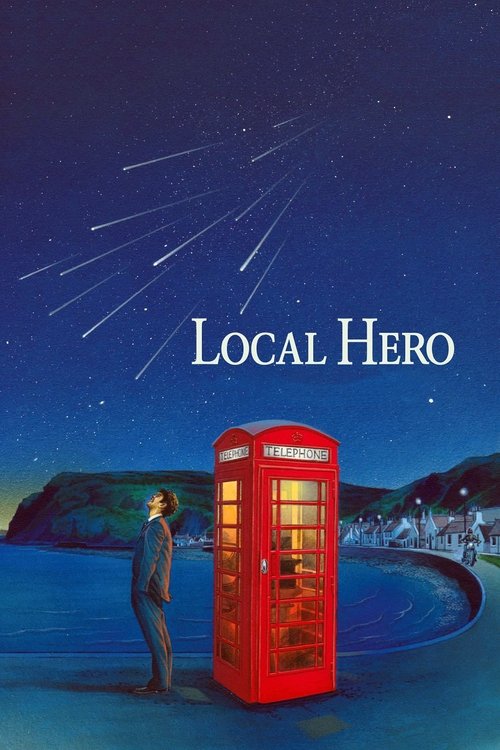
Local Hero1983
A man returns to his small coastal town and discovers the life he actually wants there, against corporate pressure. Both films pit individual integrity against institutional indifference, with warmth and gentle wit.
But Slower paced than most modern comedies. If you want quick laughs rather than mood, this meanders deliberately.
I, Daniel Blake2016
A carpenter fights the welfare bureaucracy after an injury. Like Connolly's film, it's genuinely angry at systems that grind people down, but filters that rage through a human story that matters.
But Far darker and more serious in tone. This isn't comedy—it's tragedy dressed as social realism. Emotionally demanding.

Not sure tonight? Get a pick in a minute, starting from The Man Who Sued God
The wildcard
Something you would not have found on your own.
Dogville2003
Both interrogate how institutions—legal, social, divine—enable ordinary people to commit extraordinary harm under the cover of rules. One is a comedy, one is horror. Same mechanism.
A woman on the run makes a deal with a small town that slowly turns monstrous. Lars von Trier's bleak vision shares The Man Who Sued God's central question: how do systems justify cruelty? But answers it with devastating seriousness.
But Minimalist, punishing, and genuinely difficult to watch. No warmth, no forgiveness. Three-hour experiment in human betrayal. Connolly's film is charming by comparison.

More like this (8)
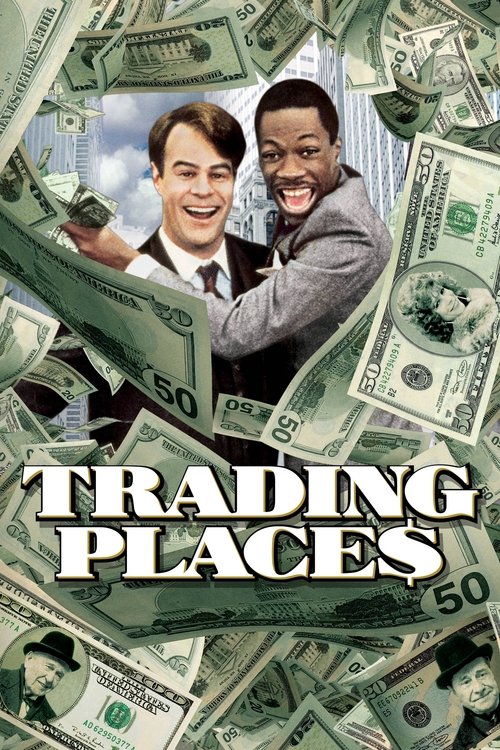
Trading Places1983
Eddie Murphy and Dan Aykroyd expose wealthy corruption through an elaborate scheme. Both films use the legal system and insurance world as their playground, mixing class commentary with genuine fun.
But Dated 80s sensibilities and some jokes that have aged poorly. Also faster and more plot-driven than Connolly's rambling charm.
Ghostbusters II1989
The Ghostbusters take on New York bureaucracy, environmental regulation, and civic incompetence. Same idea: ordinary people fighting absurd systems, with heart and humor.
But Weaker than the first film, and leans more on spectacle. If you want character comedy rather than action, this disappoints.

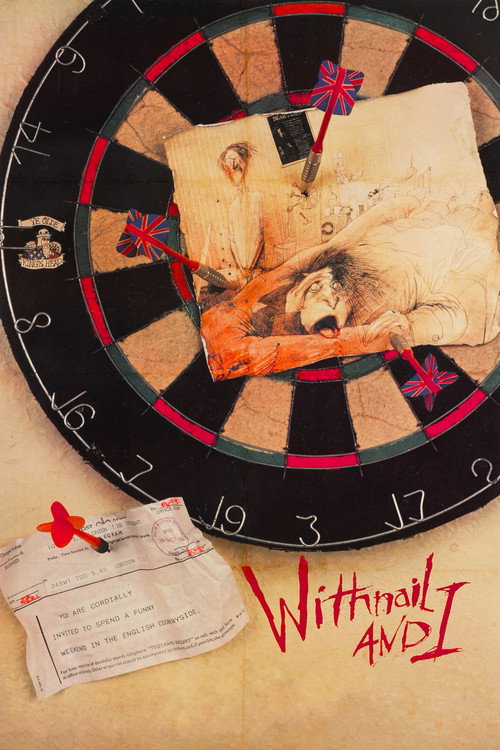
Withnail & I1987
Two unemployed actors navigate systems designed to defeat them, with perfect comic timing and dialogue. Like Connolly's film, it finds dignity in the margins and anger in the details.
But British and very dry. If you need broad laughs, this won't deliver. The humor is entirely in the margins.
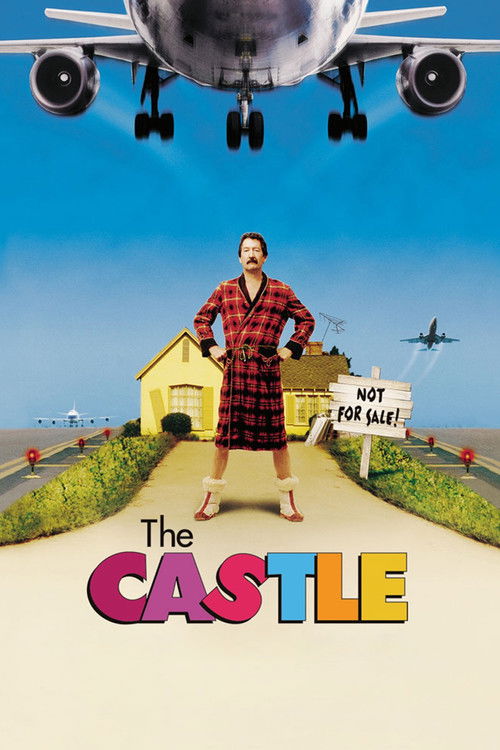
The Castle1997
An Australian battler fights the government's land-seizure order and discovers his own worth in the process. Same landscape and temperament as Connolly's film, with comparable warmth and believable anger.
But Deeply Australian. Some comedy won't land if you're not familiar with the culture. Also unashamed about being sentimental.
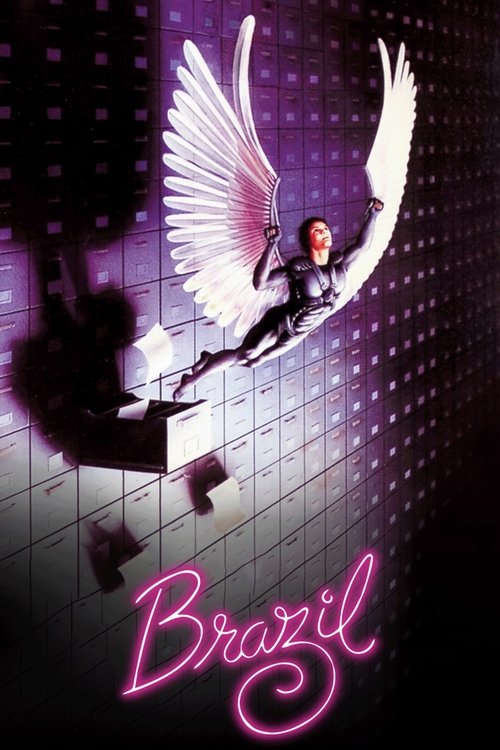
Brazil1985
A lowly bureaucrat battles a grotesque system. Absolutely anarchic and dark, but powered by the same fury at faceless institutions that drives The Man Who Sued God.
But Completely surreal and relentlessly bleak. If you want grounded realism, this goes full dystopia. Very long too.
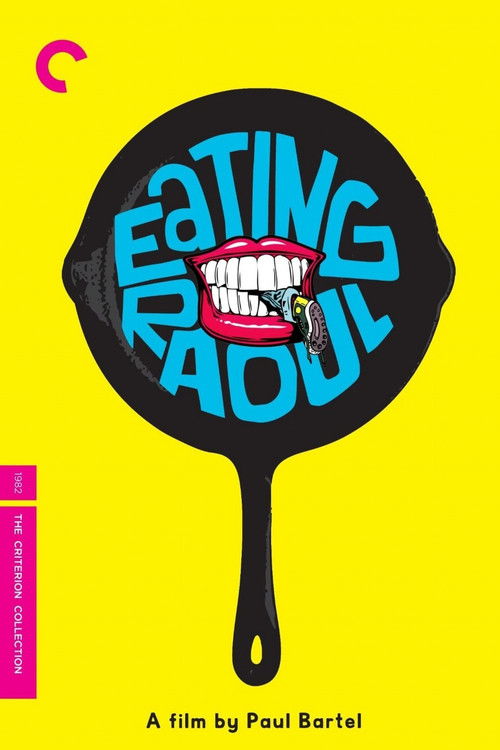
Eating Raoul1982
A repressed couple murders their way through LA's counterculture to fund their dream home. Extremely dark satire about American propriety and money. Shares the transgressive edge under a comedy surface.
But Very dark, often very ugly, and its satire can feel thin. If you want warmth, look elsewhere. Cult film, not mainstream appeal.
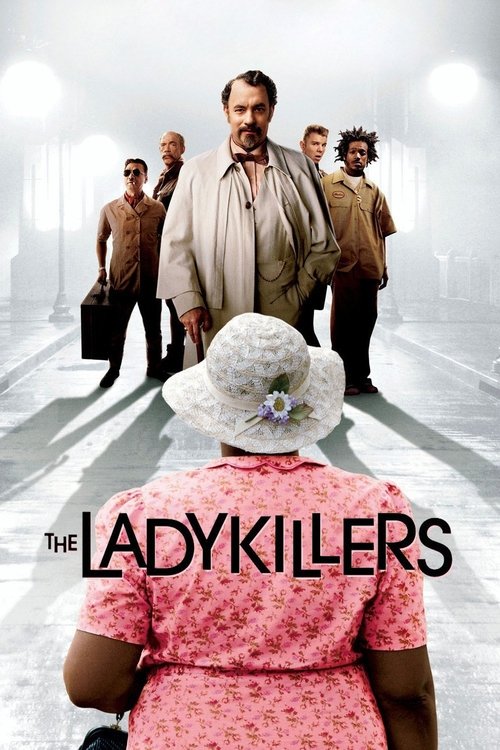
The Ladykillers2004
Both feature protagonists using legal and bureaucratic language as a weapon against hypocrisy. Both ask: what does it mean to hold the system to its own rules? Connolly's film is optimistic; this one isn't.
A criminal gang posing as musicians rents a room from an elderly woman in New Orleans. Coen Brothers remake explores institutions, hierarchy, and how individuals expose the rot in systems. Pitch-black comedy with theological depth.
But Significantly darker and meaner than it looks. Tom Hanks isn't the hero. The film has contempt for most of its characters. Won't play as feel-good.
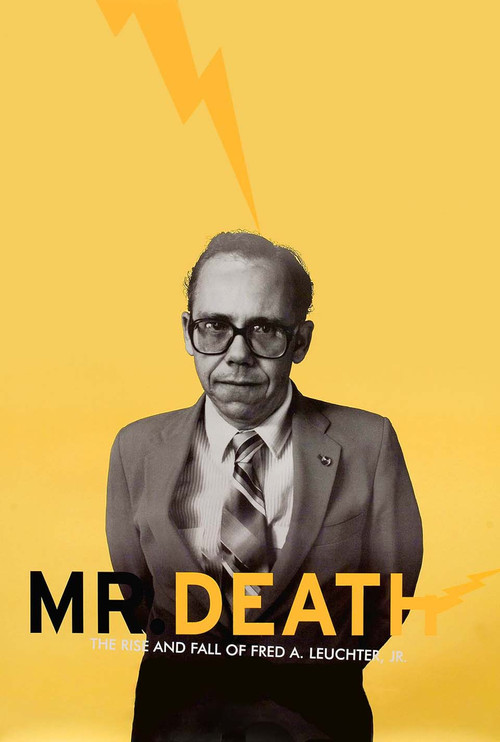
Mr. Death: The Rise and Fall of Fred A. Leuchter, Jr.1999
Inverse of Connolly's film: where he's right and systems corrupt, here a man uses the same procedural language and certainty to defend the indefensible. Both examine how procedure itself becomes character, and how certainty can mask either justice or horror.
Errol Morris documentary portrait of an execution-technology designer who becomes a Holocaust denier. Like The Man Who Sued God, it's about a man attempting to use logic and procedure to challenge authority—but it's utterly terrifying because he's wrong.
But Disturbing and morally complex in ways that refuse resolution. Not entertainment. Watching someone rationalize evil, even fascinatingly, is exhausting and distressing.
People
Cast
 Billy ConnollySteve Myers
 Judy DavisAnna Redmond
 Colin FrielsDavid Myers
 Wendy HughesJules Myers
 Emily BrowningRebecca Myers
 Bille BrownGerry Ryan
 John HowardEdward Piggott
- Blair VennLes
 Vincent BallCardinal
- Alan HennessyInspector Gittman
 Frank WhittenPrimate
 Peter WhitfordModerator
Directing
- Mark JoffeDirector
- Kristin VoumardScript Supervisor
Writing
- Patrick McCarvilleOriginal Concept
- Don WatsonScreenplay
Production
- Alison BarrettCasting
- Ben GannonProducer
- Mark JoffeProducer
- Sophie DickProduction Coordinator
- Julie SimsProduction Manager
- Brad RobertsUnit Manager