
Film
Gamyam
Gamyam is a Telugu road movie about an unlikely pair—a small-time thief and a wealthy man—whose journey together becomes a collision of class, morality, and self-discovery. It's meditative and unsentimental, built on conversations and chance encounters in rural India. For viewers who want character-driven cinema that trusts you to find meaning in silences.
If you liked this
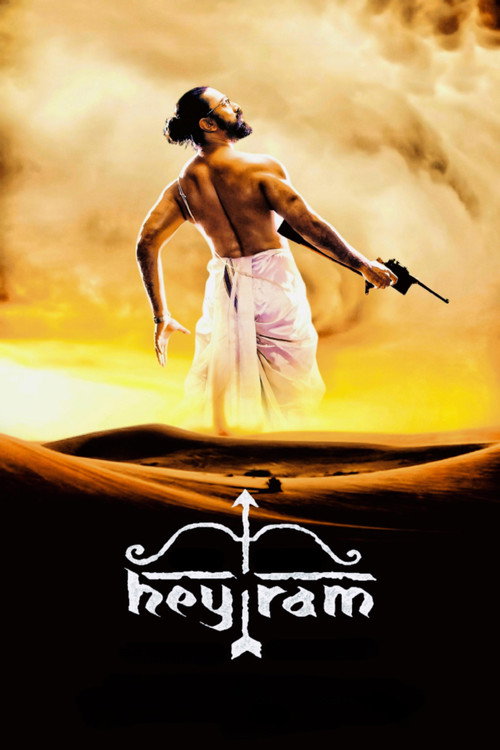
Hey Ram2000
Kamal Haasan's exploration of identity, communal violence, and redemption through a man's cross-country journey mirrors Gamyam's themes of self-confrontation and moral reckoning wrapped in road-movie structure.
But It's deliberately fragmented and shifts between timelines in ways that demand patience; some find it more ambitious than coherent.
The Man Who Sued God2001
Another Telugu film about an encounter between fundamentally different people that becomes a meditation on belief, morality, and what we owe each other. Similarly spare and character-focused.
But Slow-burn cinema that doesn't explain itself; the pacing will feel glacial if you're expecting plot momentum.

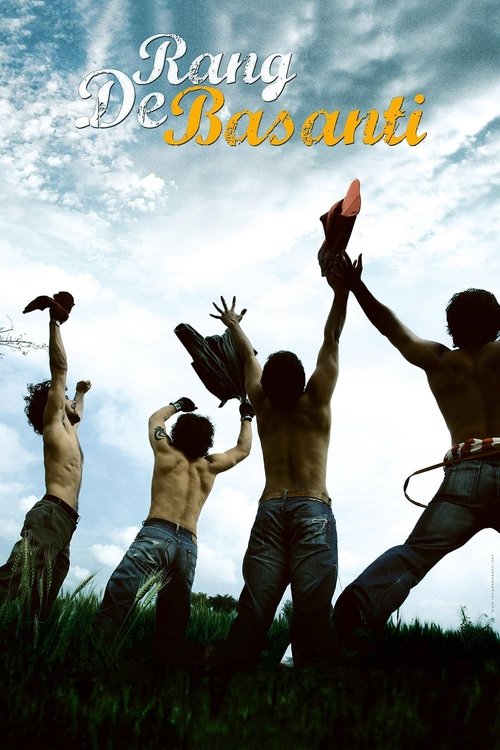
Rang De Basanti2006
Young lives transformed by circumstance and choice; a ensemble journey across India that examines idealism, friendship, and complicity. Larger in scope but shares Gamyam's interest in how people change each other.
But Much more conventionally stirring and sentimental than Gamyam; the tone can feel manipulative if you're in a cynical mood.
Not sure tonight? Get a pick in a minute, starting from Gamyam
The wildcard
Something you would not have found on your own.
Stalker1979
Both films treat a journey between two men as a vehicle for moral and spiritual self-examination rather than plot; both trust silence and landscape as narrative.
Tarkovsky's metaphysical road film about two men and a guide journeying into a mysterious zone is purely internal—a meditation on desire, faith, and what we actually want. Zero plot, entire emotional architecture. Gamyam works in the same register: the journey is the character arc.
But 163 minutes of philosophical rumination with almost no conventional drama. If you need external conflict or resolution, this is purgatory.

More like this (7)
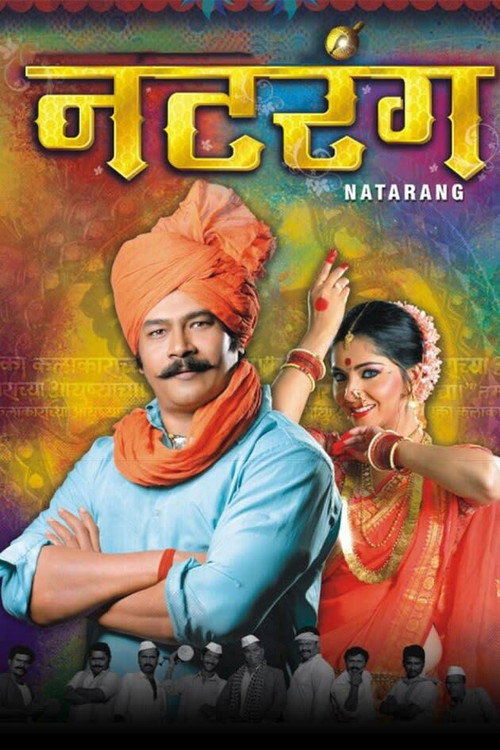
Natrang2010
A Marathi film about art, ego, and rural life; an aging man's transformation through theatre mirrors Gamyam's interest in how people remake themselves. Visually gorgeous and thematically rich.
But The rhythms are hypnotic but dreamlike; if you need clear narrative stakes, this will frustrate you.
Pather Panchali1955
Satyajit Ray's foundational film about poverty and family in rural India established the grammar that road movies and character studies like Gamyam still speak. A master class in making emptiness meaningful.
But It's archival viewing for many; the slowness that once felt revolutionary can now feel like an obligation.

Udaan2010
A young man returns to provincial India and finds his dreams colliding with family expectation and class reality. Like Gamyam, it finds drama in the friction between who we are and who we're expected to be.
But The protagonist is passive and resentful; if you need to like someone to invest in their story, you'll struggle.

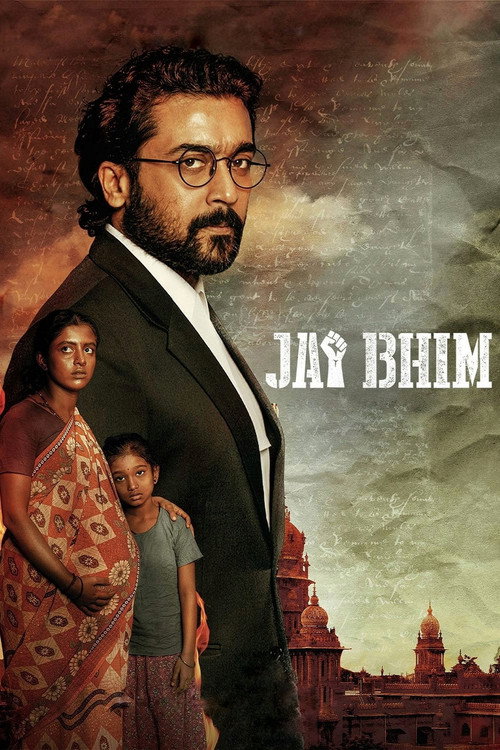
Jai Bhim2021
A modern Tamil film that, like Gamyam, uses a relationship between characters of different stations to interrogate justice, dignity, and what society owes its invisible people.
But More directly angry and didactic than Gamyam; if you prefer ambiguity, this film's moral certainty might feel heavy-handed.
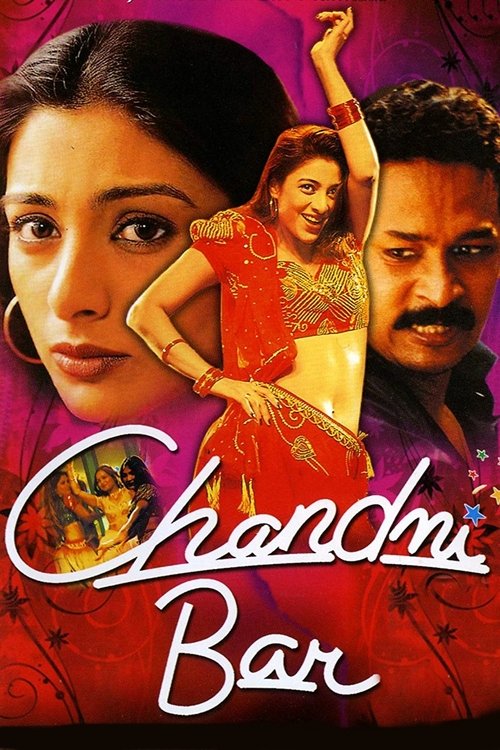
Chandni Bar2001
A brutal portrait of survival and exploitation in Mumbai that shares Gamyam's refusal to soften or explain away the moral compromises people make to endure.
But Genuinely distressing and sexually explicit; it's about degradation, and watching it feels like that by design.
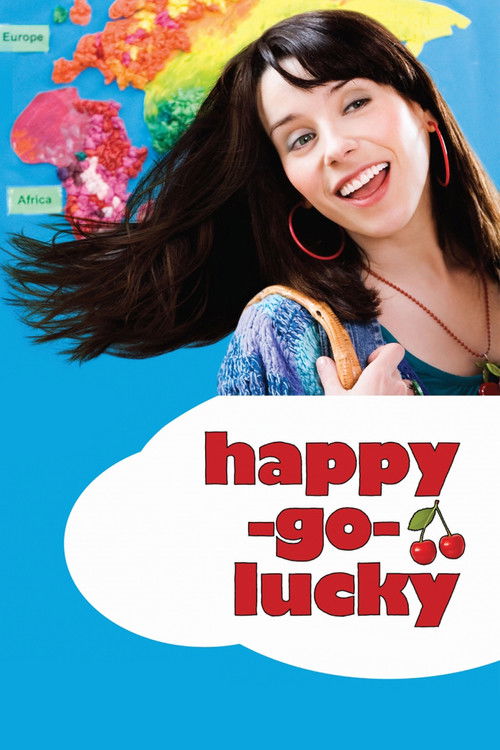
Happy-Go-Lucky2008
Both are ensemble-adjacent films more interested in how different people react to the same circumstance than in plot; both are essentially a series of encounters that accumulate into character revelation.
Mike Leigh's portrait of an optimistic woman navigating chance encounters across London is cheerful where Gamyam is somber, but both are built on the collision between different worldviews and both find character in how people respond to strangers. Proof that constraint and generosity can create revelation.
But The heroine's relentless positivity infuriates some viewers as naïve or performative; the film offers no ironic distance.
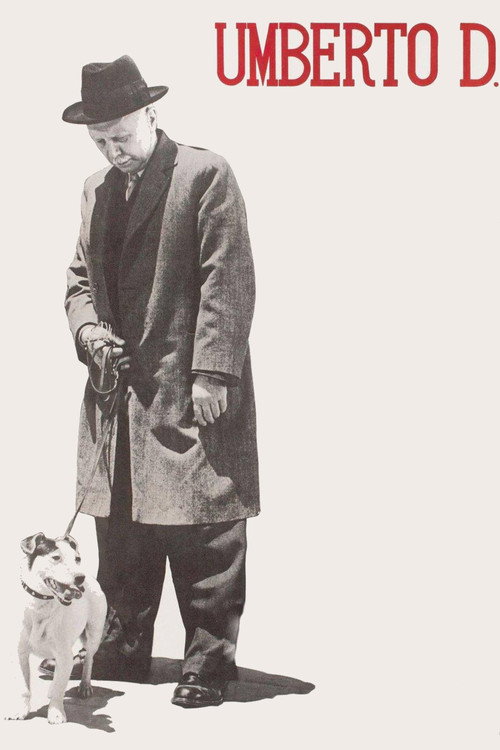
Umberto D.1952
Both find profound humanity in characters society has written off; both refuse to make their poverty or marginalization either romantic or redemptive, instead insisting on simple, undeniable dignity.
De Sica's neorealist masterpiece about an elderly pensioner and his dog navigating a city that has no use for them captures the same quiet dignity in precarity that Gamyam finds. A different era and context, but the same moral vision: the small, true things are what matter.
But Desperately sad and offers no uplift; it's about diminishment and invisibility, and the film doesn't promise you'll feel better after watching.
People
Cast
 SharwanandAbhiram
 Allari Naresh"Gaali" Seenu
 Kamalinee MukherjeeJanaki
 Rao RameshNaxalite Sheshu
 HemaSaraswathi
- VijayachanderBala
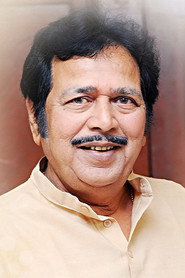 Giri BabuPoorna
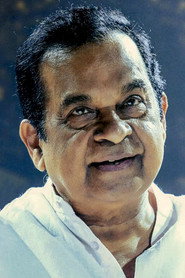 BrahmanandamA Pessimist

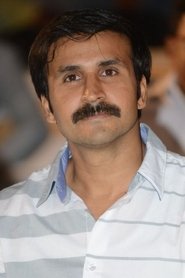
- AbhishekAbhram's Friend

Directing
- Krish JagarlamudiDirector
Writing
- Krish JagarlamudiScreenplay
- Krish JagarlamudiStory
Production
- Jagarlamudi SaibabuProducer