
Film
Astitva
Astitva is a 2000 Indian drama about a marriage cracked open by secrets and the weight of unspoken truths. Tabu delivers a performance of devastating restraint as a woman caught between her past and present. It's intimate, slow-burning, and entirely focused on how people hurt each other through silence. For those who want cinema that trusts the audience to sit with discomfort.
If you liked this
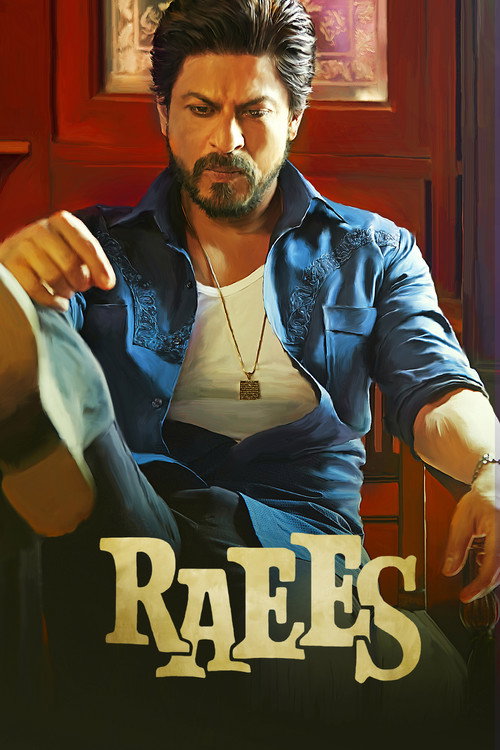
Raees2017
Another film where a relationship fractures under the pressure of hidden identities and competing loyalties. Shah Rukh Khan and Mahira Khan create genuine tension through what they don't say to each other.
But It's more of a crime thriller than a chamber drama, and moves at a very different pace. The scale is larger, the stakes more action-oriented.
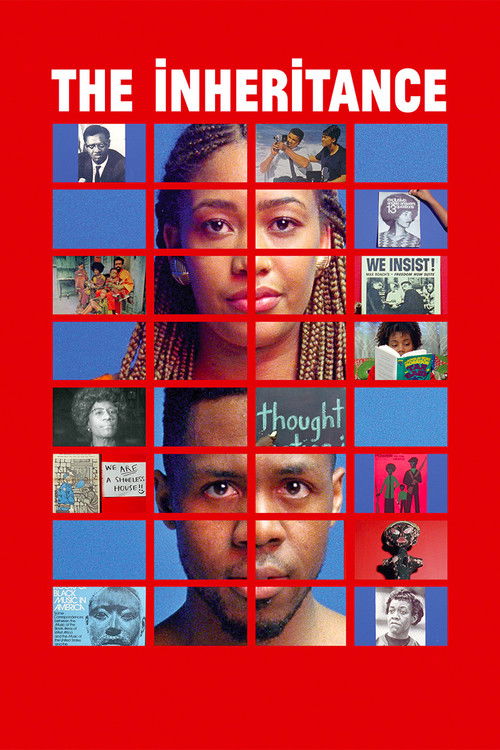
The Inheritance2020
A woman's inheritance triggers family reckoning and buried resentments. Like Astitva, it uses property and legacy as a way to excavate what's been festering in a marriage.
But It's a Malayalam film with a different cultural context, and considerably bleaker in its worldview. Some viewers find its tone punitive.
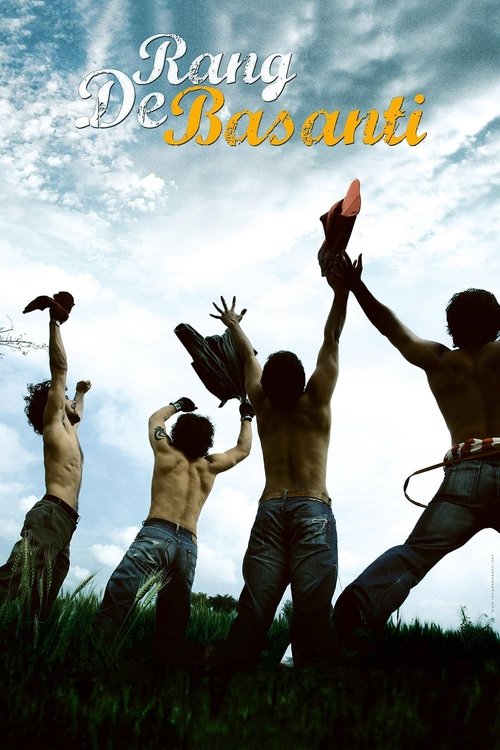
Rang De Basanti2006
A younger film, but it shares Astitva's interest in how people keep secrets and how those secrets reshape identity. The chemistry between leads feels earned rather than imposed.
But It's fundamentally an ensemble film with political dimensions. The tone is often brighter, sometimes to the point of undermining its serious moments.
Not sure tonight? Get a pick in a minute, starting from Astitva
The wildcard
Something you would not have found on your own.
Dogville2003
Both use the concealment of a woman's past as the catalyst for collective violence and moral disintegration.
Lars von Trier's stage-like film about a woman harboring secrets in a small town, and how community turns monstrous when those secrets emerge. The formal constraint—no sets, just chalk—mirrors Astitva's emotional claustrophobia. Both films understand that exposure is more violent than silence.
But It's deliberately artificial and austere. Nearly three hours of confrontation without resolution or comfort. Difficult to watch.

More like this (8)
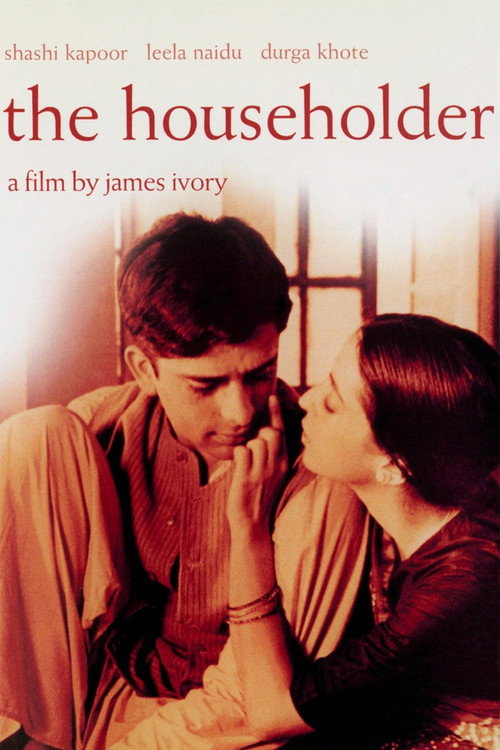
The Householder1963
An early Merchant Ivory about a marriage between two people learning each other. Quiet, observant, and genuinely interested in the texture of everyday intimacy and distance.
But It's 1960s cinema—paced very deliberately, without dramatic music or conventional structure. Some find it slow to the point of inaccessibility.
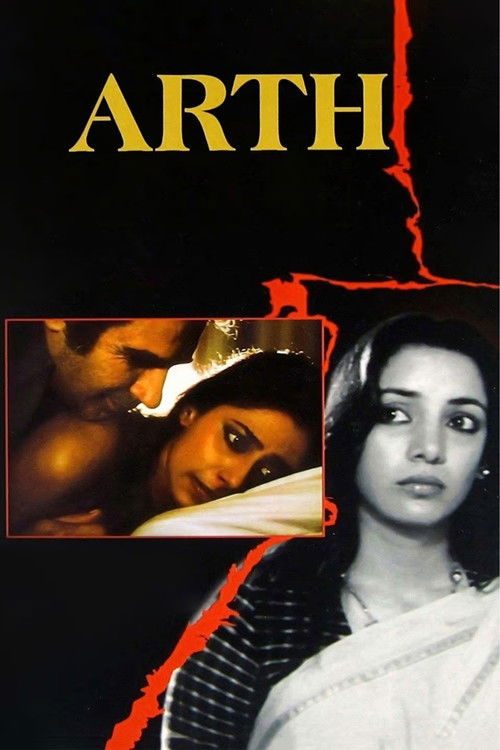
Arth1982
A film about a marriage destroyed by infidelity that transforms into something far more complex about art, identity, and survival. Smita Patil's performance is extraordinary.
But It's melodramatic by modern standards, with a score that telegraphs every emotion. The ending divides audiences sharply.
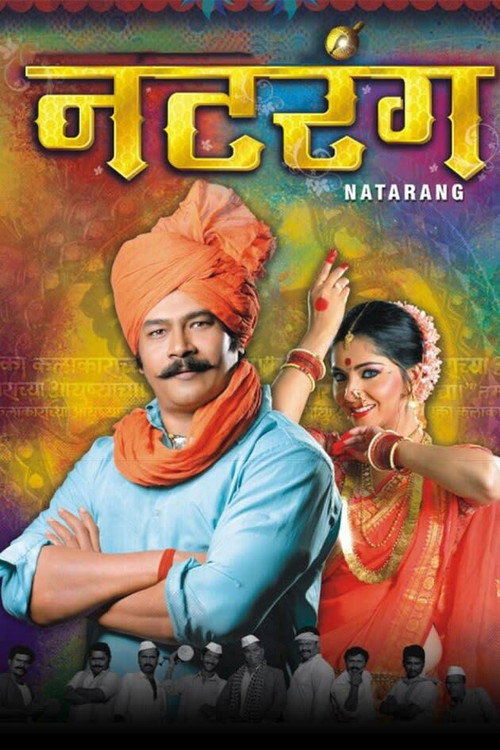
Natrang2010
A Marathi film about identity, art, and the dissolution of a marriage. Like Astitva, it's deeply interested in how performance and reality bleed into each other.
But It's in Marathi and requires attention. The pacing is unconventional and the emotional payoff is subtle rather than cathartic.
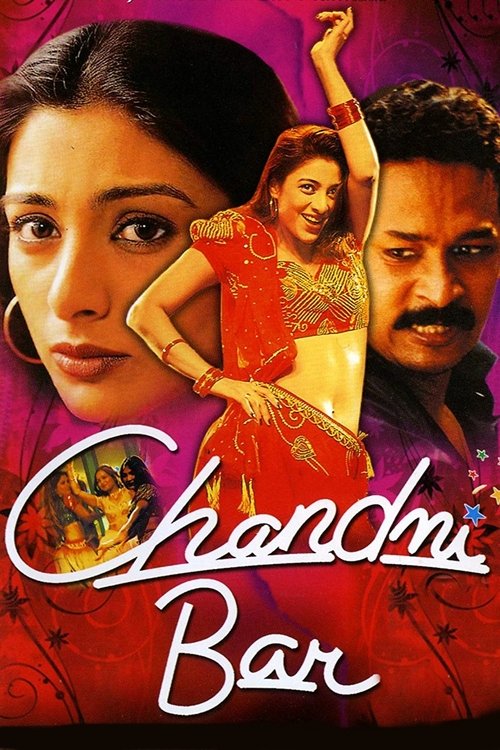
Chandni Bar2001
A controversial look at survival, shame, and the way secrets corrode relationships. Fearless in its refusal to offer easy answers or redemption.
But It's graphic and deeply unsettling. The subject matter involves exploitation and violence in ways that some viewers find difficult to sit with.
Kahaani2012
A thriller built on the architecture of secrets and hidden identity. Vidya Balan plays a woman whose past life is actively concealed from those around her.
But It's fundamentally a mystery, so the emotional weight is distributed differently. The revelation matters more than the character study.

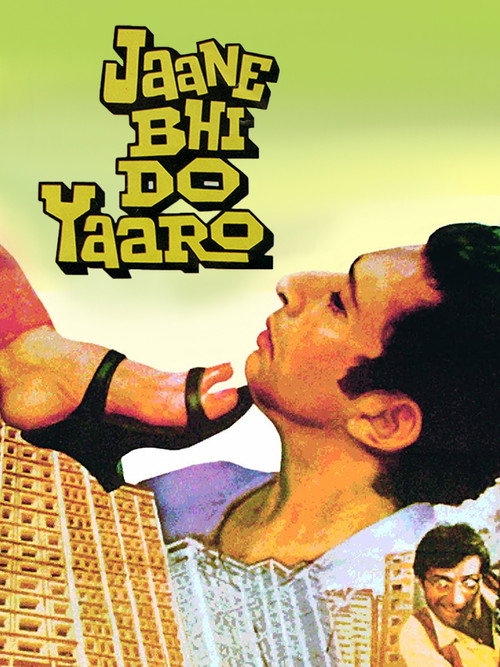
Jaane Bhi Do Yaaro1983
A friendship tested and fractured by circumstance and unspoken betrayal. The comedy is real, but there's an undertow of genuine loss and mistrust.
But It's primarily a satire and comedy. If you're coming to it expecting Astitva's tenor, the tonal shifts will feel jarring.
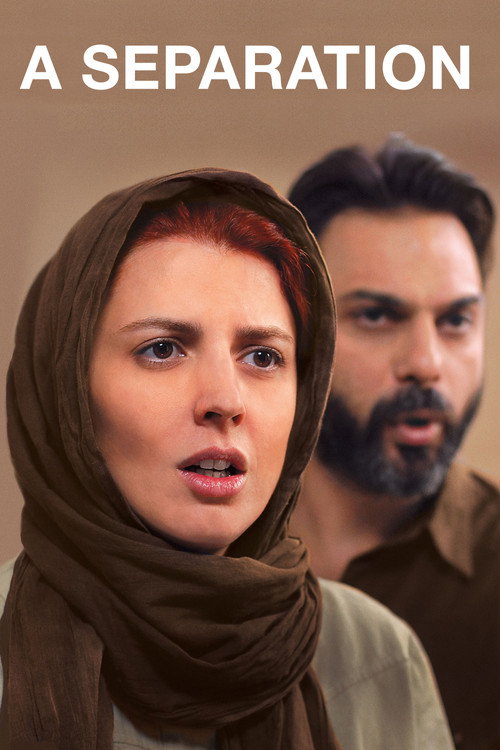
A Separation2011
Both films trust the audience to understand that there are no heroes in marriage's dissolution—only people who love each other and can't coexist.
Asghar Farhadi's Iranian masterpiece about a marriage unraveling in real time. Like Astitva, it refuses to assign blame and instead reveals how ordinary people become trapped in their own contradictions. Measured, agonizing, true.
But It's bleak and offers no comfort. The pace is glacial and the legal mechanics of the plot can feel dry.
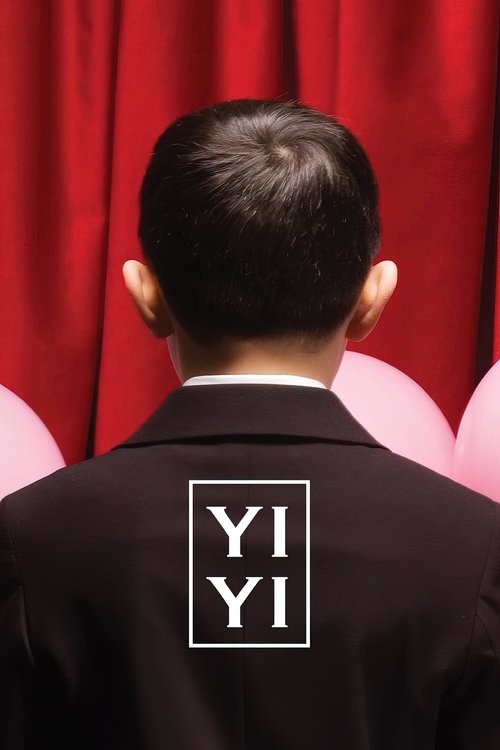
Yi Yi2000
Both films share a belief that the small betrayals and silences of marriage matter more dramatically than external plot. Both are interested in how people coexist in pain.
Edward Yang's Taiwanese epic released the same year as Astitva. A three-hour portrait of a family where secrets and unspoken hurts circulate like breath. Camera observes without judgment. No melodrama, just the weight of life continuing.
But It's slow, long, and structurally unusual. No conventional plot, just the texture of time passing in a family. Requires patience and surrender.
People
Cast
 TabuAditi Pandit
 Sachin KhedekarSrikant Pandit
 Ravindra MankaniRavi
 Smita JaykarMeghna
 Mohnish BehlMalhar Kamat
 Sunil BarveAniket
 Namrata ShirodkarRevati
 Kishore NandlaskarVitthal
 Resham TipnisSudha
Directing
- Mahesh ManjrekarDirector
Writing
- Guy de MaupassantOriginal Story
- Mahesh ManjrekarScreenplay
- Mahesh ManjrekarStory
- Imtiyaz HusainWriter
Production
- Rahul SugandhProducer