
Film
The Witch Hunt
- Period drama
- Crime
- Very dark
A stark Norwegian period drama set in 1630 about persecution and hysteria in a remote mountain village. Shot with documentary-like austerity, it unfolds as witness testimony to cruelty and complicity. Demanding, slow-burn cinema for those drawn to historical brutality rendered without sentimentality or catharsis.
Should you watch it?
Watch it if you are drawn to slow, austere historical dramas where a community's cruelty shows up through quiet, observed detail rather than spectacle, and you don't need the plot to hurry.
Skip it if the pace is deliberate and the mood stays heavy, so if you need momentum or relief from bleakness, the quiet stretches will test your patience.
What it asks of you: About ninety-three minutes, most of it spent watching faces and landscape rather than being walked through events; you'll need to sit with discomfort and silence rather than be carried along.
Not sure? Find tonight's pick in a minute.
If you liked this
The Seventh Seal1957
Bergman's medieval masterpiece about death, faith, and human frailty. Like The Witch Hunt, it uses historical distance to examine timeless moral collapse and spiritual emptiness with devastating clarity.
But Famously philosophical and glacial. If you need plot momentum or emotional release, the long silences and symbolic chess game will test your patience severely.

Venom1981
Released the same year, this Norwegian character study shares that film's unflinching gaze at human nature under pressure. Intimate, unsettling, and utterly unsentimental about how ordinary people become monstrous.
But Bleak without offering understanding or redemption. The confined setting and psychological intensity can feel claustrophobic and punishing rather than enlightening.

The Turin Horse2011
Béla Tarr's apocalyptic final film captures the same grey, deteriorating world where civilization crumbles into mud and silence. Both are meditations on human dignity when everything else is stripped away.
But Almost entirely devoid of dialogue or conventional narrative. It's more like watching entropy in real time than watching a story unfold.

Not sure tonight? Get a pick in a minute, starting from The Witch Hunt
The wildcard
Something you would not have found on your own.
The Lives of Others2006
Both examine how institutional power makes moral cowardice feel reasonable, and how witness—silent or complicit—becomes a form of collaboration.
German drama about state surveillance and moral compromise during the Cold War. Like The Witch Hunt, it explores how bureaucratic systems transform ordinary people into agents of persecution, and whether conscience can survive participation in cruelty.
But Structured as a thriller with recognizable dramatic beats. If you want uncompromising bleakness, this one offers redemption and intelligence that softens the edges.

More like this (8)
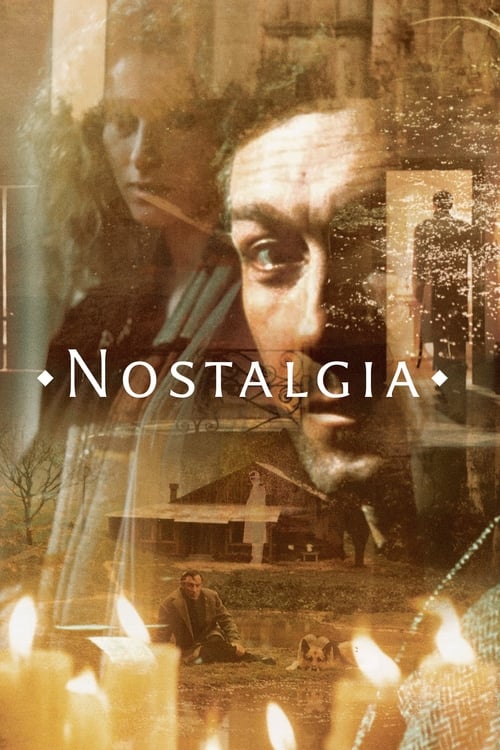
Nostalgia1983
Tarkovsky's meditation on faith, memory, and loss in a European landscape. Like the film, it moves with hypnotic slowness and asks whether belief survives when everything around you collapses.
But Nearly three hours of long takes and philosophical voiceover. Modern viewers often find it tediously abstract rather than moving.
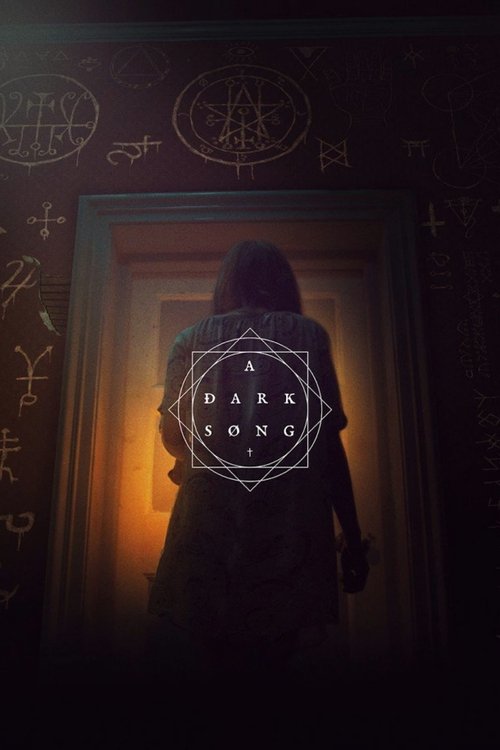
A Dark Song2016
An intimate drama about two people confined together, slowly revealing how trauma and desperation warp perception. It shares the film's interest in how isolation breeds both connection and cruelty.
But Deliberately paced and sparse. The supernatural elements divide viewers; some find them transcendent, others find them unnecessarily mannered.
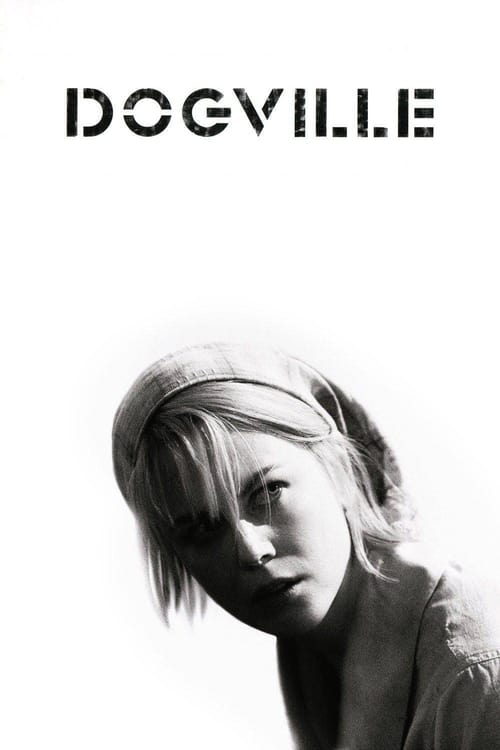
Dogville2003
Lars von Trier's bleak allegorical drama about a small town's casual cruelty toward a stranger. It examines how communities justify persecution with the same cold clarity as The Witch Hunt.
But Deliberately theatrical and artificial. The stylized staging and extreme violence will feel affected or exploitative to many viewers.
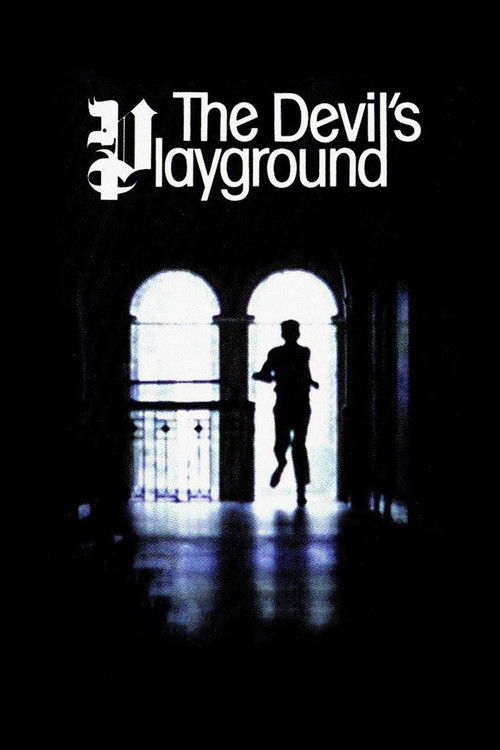
The Devil's Playground1977
Fred Schepisi's Australian film about Christian rigidity and adolescent awakening. Both films use historical or institutional settings to explore how authority figures justify their cruelty through faith.
But Dated cinematography and a narrative that feels sometimes too tidy given its grim subject matter.
Kes1970
Ken Loach's brutal social realism about a boy in a harsh world. Like The Witch Hunt, it refuses to soften the reality of systematic cruelty or offer false hope as compensation.
But The Yorkshire dialect can be hard to parse. More importantly, it offers no catharsis—just the weight of injustice and powerlessness.

Come and See1985
Soviet war film that documents human cruelty in documentary style. Both films treat atrocity as something that happens, without flourish, to ordinary people who cannot stop it.
But Genuinely traumatic. Not a film you watch for pleasure; it's a trial designed to wound and disturb.

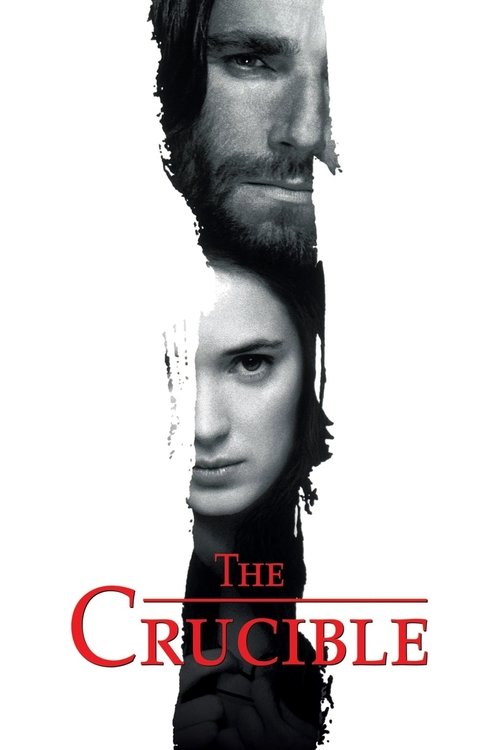
The Crucible1996
Both are about witch hunts and the machinery of accusation, but Crucible makes you *feel* the hysteria while The Witch Hunt makes you analyze how it works—they're mirror images.
Arthur Miller's play about the Salem witch trials, shot by Nicholas Hytner with shattering intensity and sexual hysteria. Where The Witch Hunt is observational, this is visceral—same historical moment of persecution, opposite temperature.
But American melodrama sensibility. The emotions are big and recognizable; no room for ambiguity or uncomfortable silence.
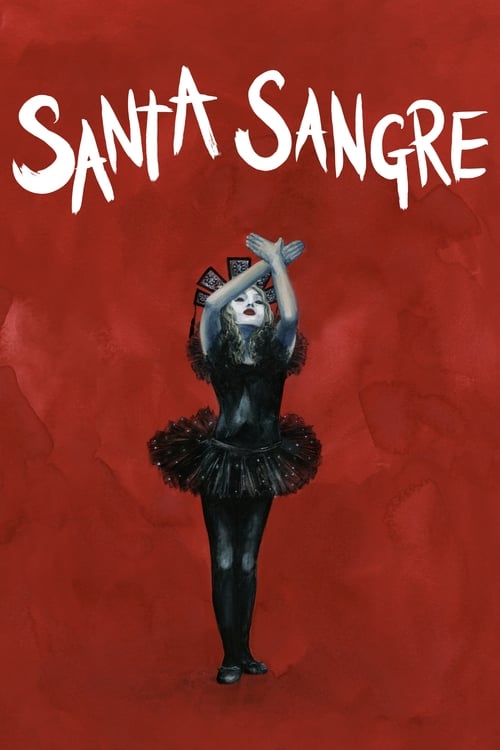
Santa Sangre1989
Both treat violence and persecution as embedded in the fabric of how people live, neither sensationalizing nor naturalizing it—just presenting it as a terrible inheritance.
Jodorowsky's surreal, hallucinatory masterpiece about trauma and mother-worship in Peru. Wildly different register—baroque, dreamlike, visually intoxicating—but shares the film's refusal to make cruelty pretty or comprehensible. Atrocity as spiritual fact.
But Deliberately bizarre and symbolic. If you need realism or conventional narrative, this is the opposite. It operates in surrealism and metaphor, which some find profound and others find unhinged.
People
Cast
 Lil TerseliusEli Laupstad
 Bjørn SkagestadAslak Gimra
 Anita BjörkIngeborg Eriksdotter Jaatun
 Erik MørkHenrik Ravn
 Ella HvalGuri, la vieille femme
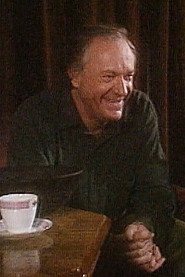
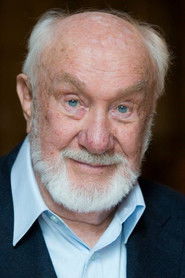 Espen SkjønbergKristoffer Klomber
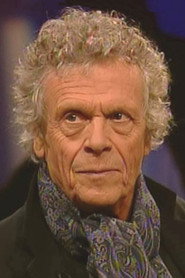 Lars Andreas LarssenGlaser
- Eilif ArmandRasmus Knag, le prêtre
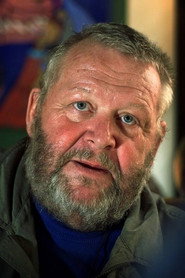
- Mona JacobsenMaren, la muette
 Cay KristiansenBolle, le valet