
Film
The Devil's Playground
- Coming-of-age
- Very dark
- Slow-burning
A 1977 Australian film set in a 1950s Catholic seminary where adolescent boys and their De La Salle instructors grapple with sexual awakening, religious authority, and doubt. Austere and unflinching, it finds tragedy in institutional rigidity and the collision between natural human urges and enforced celibacy. For viewers drawn to character-driven explorations of institutional damage and spiritual crisis.
If you liked this
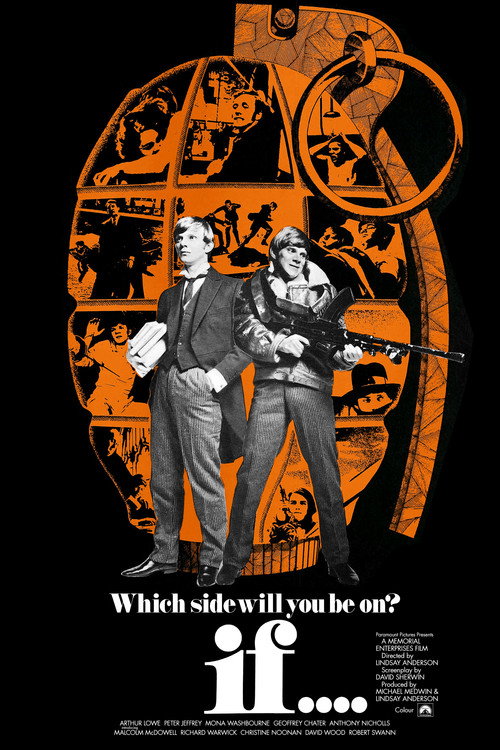
if....1968
Radical British boarding school film where youth rebellion becomes symbolic revolution. Shares that precise moment when institutional control begins cracking, and authority reveals its fragility and violence.
But The tonal shifts between realism and surrealism can feel jarring. Some find its political messaging heavy-handed.
Spotlight2015
Methodical investigation into institutional abuse within the Catholic Church. Same moral clarity about how systems protect predators, but approached through journalism rather than direct experience.
But Procedural and measured rather than intimate. Its righteousness can feel distancing if you want something messier and more ambiguous.

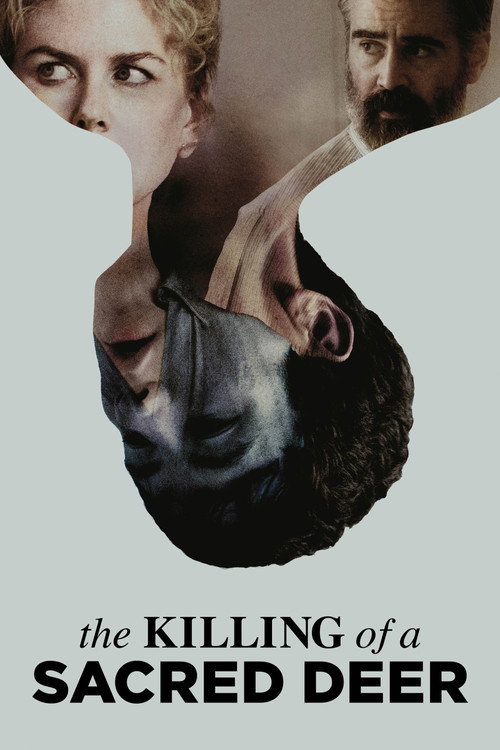
The Killing of a Sacred Deer2017
Suffocating atmosphere of guilt and complicity within an enclosed group. Both films use institutional settings to explore how ordinary people become corrupted by systems of control.
But Deliberately oblique and slow. The violence is psychological, which some find less satisfying than concrete conflict.
Not sure tonight? Get a pick in a minute, starting from The Devil's Playground
The wildcard
Something you would not have found on your own.
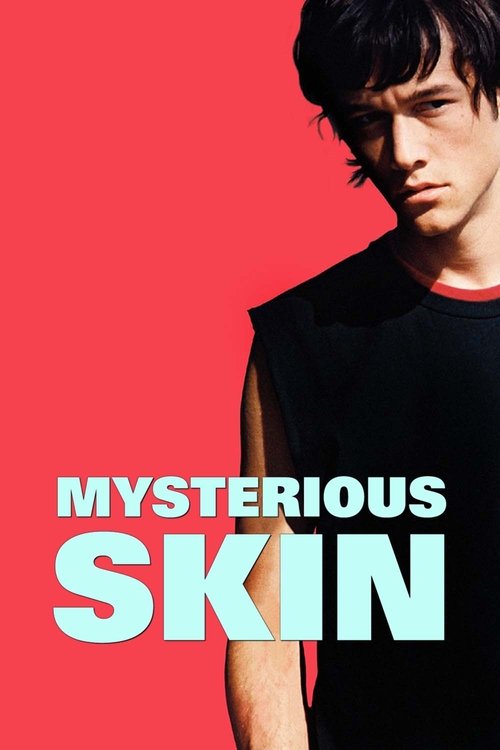
Mysterious Skin2005
Both track adolescent boys grappling with sexual awakening corrupted by institutional authority. The difference: Mysterious Skin follows the aftermath into ruined adulthood, where Devil's Playground catches the moment of institutional capture.
American indie about two young men processing childhood sexual abuse by an authority figure. Like Devil's Playground it's unsentimental about trauma, but follows its characters into adulthood and devastation.
But Sexually explicit and deeply distressing. Some scenes are difficult not because of violence but because of intimacy with pain.
More like this (8)
Come and See1985
Brutal portrait of adolescence destroyed by institutional violence. Shares an unflinching eye toward how systems corrupt the young, though the context is war rather than religion.
But Genuinely traumatizing to watch. One of cinema's most harrowing films; the devastation doesn't ease.

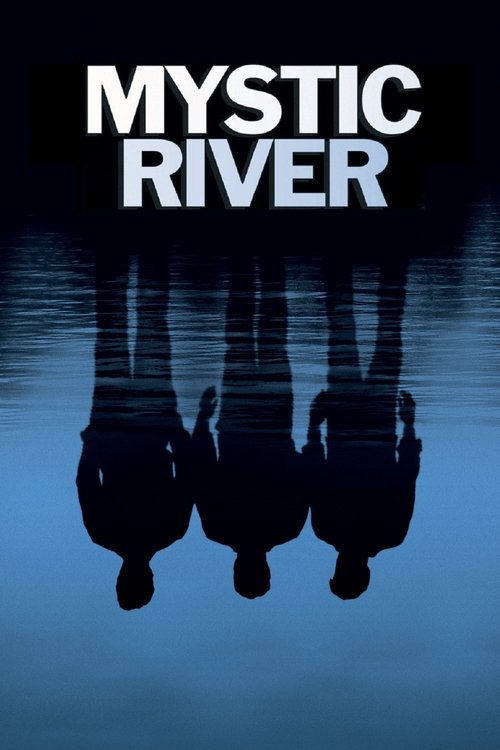
Mystic River2003
Explores how childhood trauma within institutional settings (a priest's abuse) echoes across decades. Three men defined by what happened to them in closed systems.
But More of a thriller than a character study. The plot mechanics sometimes overshadow the psychological excavation.
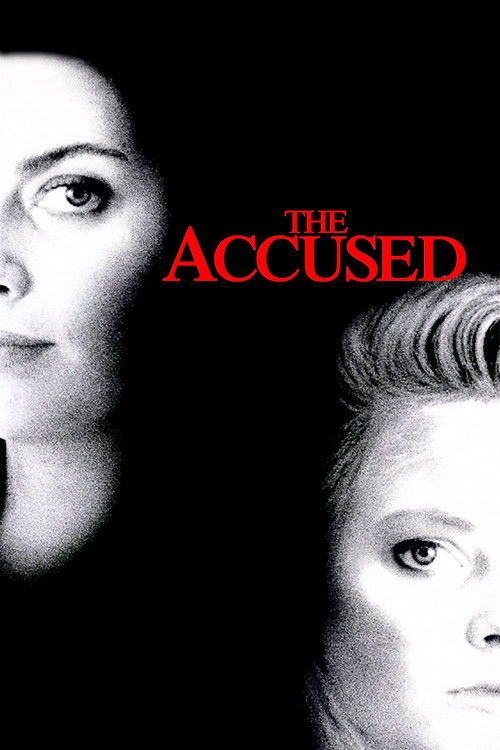
The Accused1988
Examines how institutions fail victims and how complicity spreads through hierarchies. Jodie Foster's performance captures shame and rage at systemic indifference.
But Feels like a courtroom procedural rather than intimate drama. Some scenes are genuinely difficult and may feel exploitative.
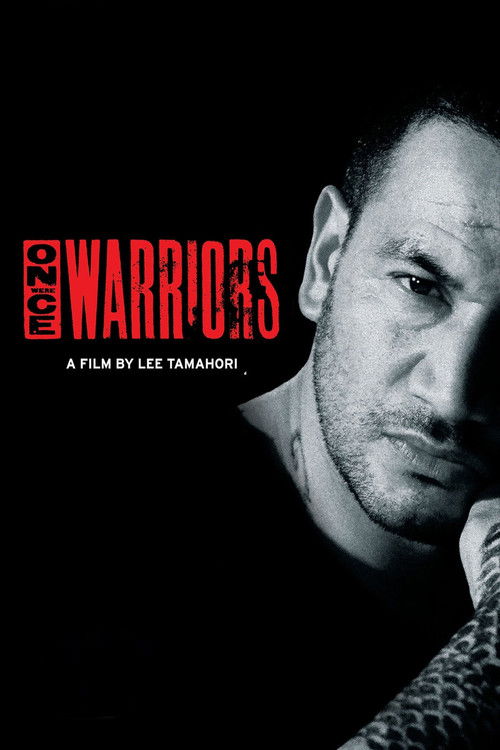
Once Were Warriors1994
New Zealand film about cycles of institutional and family violence. Similar moral weight and unflinching portrayal of how damage compounds across generations.
But Domestic violence is its central concern. The pain is relentless and there's little mercy offered to the audience.
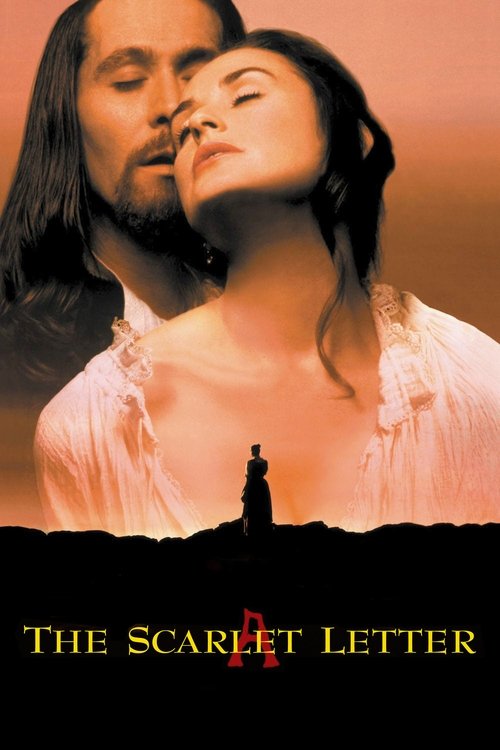
The Scarlet Letter1995
Demi Moore film exploring religious hypocrisy and sexual repression in Puritan society. Like Devil's Playground, it interrogates how religious systems weaponize shame.
But Melodramatic and glossy compared to the austere tone you'd expect. The 1995 sensibility doesn't always serve the material.
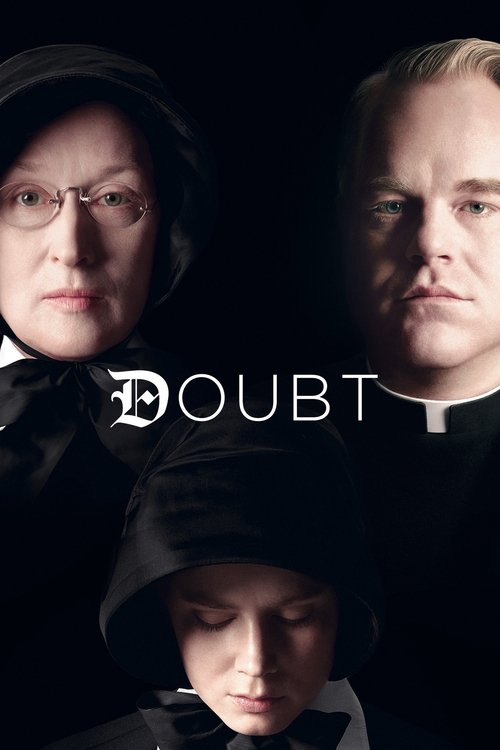
Doubt2008
Meryl Streep and Philip Seymour Hoffman in a cat-and-mouse about institutional abuse and whether certainty matters. Both films ask: how do systems hide cruelty?
But Deliberately ambiguous ending frustrates viewers wanting moral clarity. The film is almost a debate rather than a story.
Under the Skin2014
Both use institutional or inhuman systems to explore vulnerability and the powerlessness of the young or weak. Different genres, same existential dread and formal restraint.
Scarlett Johansson in a stripped-down science fiction film about predation and bodily autonomy. Hypnotic, austere, structurally minimalist—same aesthetic austerity and moral seriousness as Devil's Playground.
But Almost abstract. Dialogue is sparse, plot is skeletal, and the film prioritizes mood over narrative clarity. Demands active engagement.

Kes1970
Both are British-Commonwealth films about boys trapped in institutions that damage them. Kes finds escape through nature and connection; Devil's Playground finds no escape. Both refuse sentimentality.
Ken Loach's Yorkshire classic about a working-class boy finding freedom through a falcon, set against oppressive school and family systems. Poetry emerges from documentary realism, same tonal balance Devil's Playground achieves.
But Bleak and compassionate simultaneously, which can feel tonally confused on first watch. The dialect is thick and some scenes are quietly devastating.

People
Cast
 Arthur DignamBrother Francine
 Nick TateBrother Victor
 Simon BurkeTom Allen
- Charles McCallumBrother Sebastian
- John FrawleyBrother Celian
 John DiedrichFitz
 Alan CinisWaite
- Richard MorganSmith
- Rowan CurrieCasey
- Gary PixtonTomkin
- Michael DavidTurner
 Warren ColemanWestaway