
Film
Manson
- Serial killer
- Very dark
Landmark 1973 documentary where prosecutor Vincent Bugliosi and key Manson Family members confront each other directly about the Tate-LaBianca murders. Stark, intimate, and deeply uncomfortable—it lets you see the mechanics of charisma and delusion play out in real time. Essential viewing for anyone trying to understand how a man convinces people to kill for him.
If you liked this
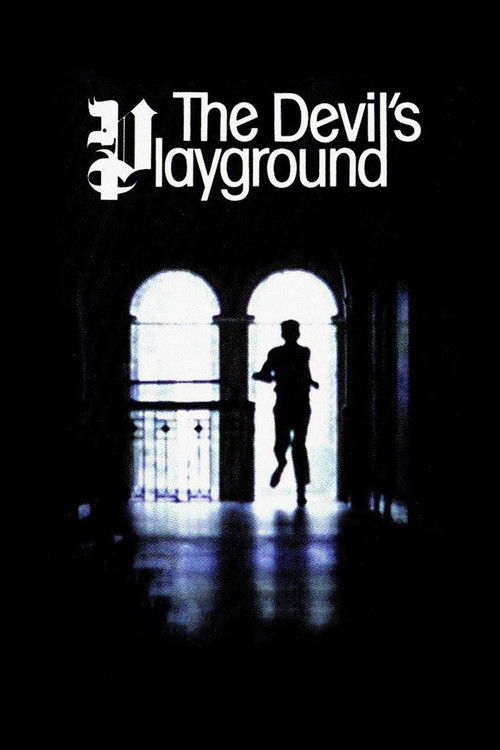
The Devil's Playground1977
Terrifying account of how cults exploit vulnerable people through isolation and psychological manipulation. Chilling parallels to Manson's tactics, told with forensic precision and deep empathy for survivors.
But It's relentlessly bleak and focuses on suffering rather than spectacle. Some may find the clinical approach slower than they expect.
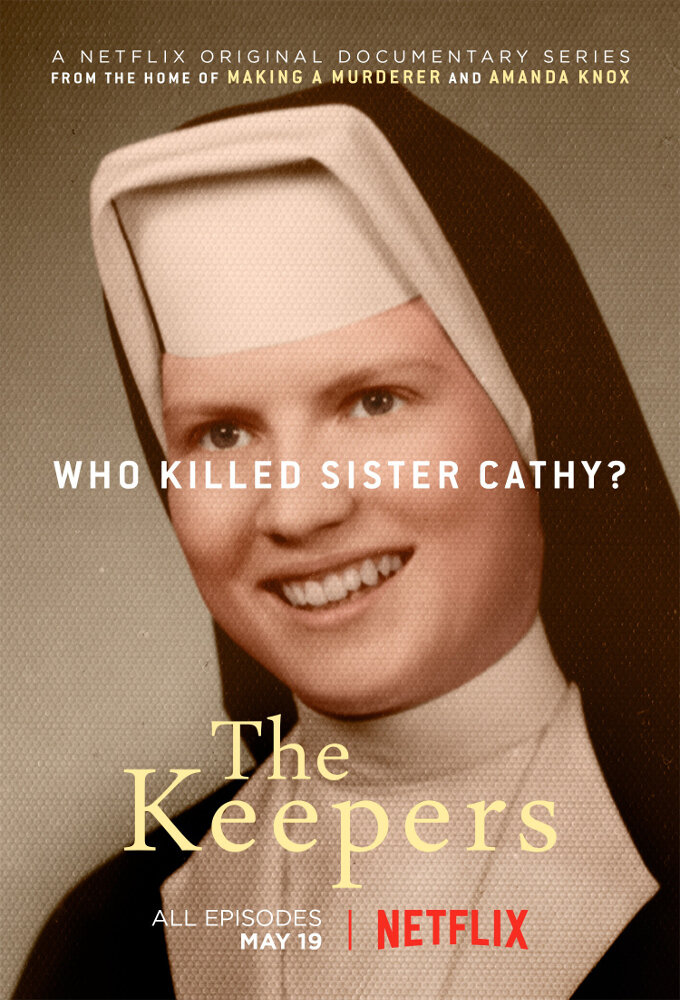
The Keepers2017
Seven-part series investigating a 1969 murder tied to Baltimore's Catholic hierarchy and institutional cover-up. Like Manson, it's about charisma, abuse of power, and how institutions protect predators from consequences.
But The investigation is deliberately non-linear and takes time to unfold. You need patience for ambiguity and incomplete answers.
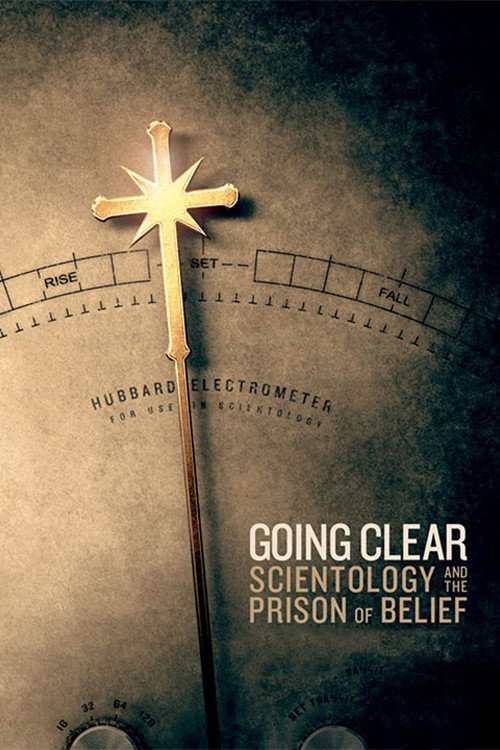
Going Clear: Scientology and the Prison of Belief2015
Alex Gibney's HBO documentary mirrors Manson's core mechanics—charismatic leader, psychological control, financial exploitation, former members recounting their awakening. Eerily similar structures, different scale.
But Nearly two hours of dense testimony. Some find it preachy; others want it to go harder on the theology.
Not sure tonight? Get a pick in a minute, starting from Manson
The wildcard
Something you would not have found on your own.
Contempt1963
Both examine how charisma and mythology can be weaponized. Godard shows it as a function of cinema itself; Manson shows it as a function of personality. Same engine, different medium.
Godard's film about a marriage imploding on a film set—seemingly unrelated until you recognize that it's about charisma, myth-making, and how people project fantasies onto others to control them. Shot in Cinemascope, it's about surfaces hiding voids.
But It's glacially paced, abstract, and makes no concession to plot. Many find it impenetrable or pretentious on first viewing.

More like this (7)
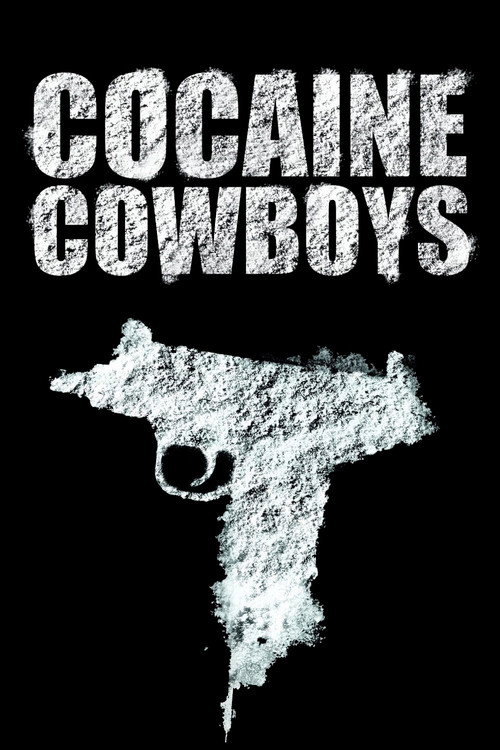
Cocaine Cowboys2006
Jon Roberts and Sal Magluta recount Miami's cocaine underworld in their own words. Like Manson, it shows how charisma and mythology warp a community, though here it's about greed rather than apocalyptic philosophy.
But Glorifies violence sometimes. The Miami accent and swagger can feel like a party at moments that should feel serious.
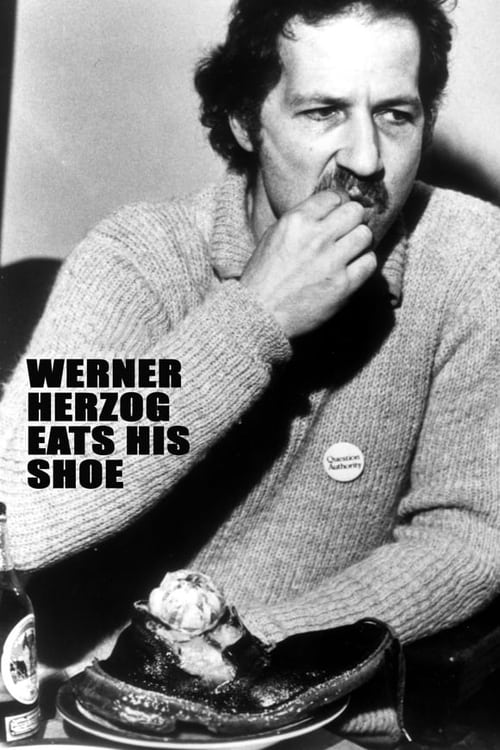
Werner Herzog Eats His Shoe1980
Herzog's absurdist documentary about obsession, ego, and the strange contracts people make. Tonally weird and philosophically rich—obsession is the through-line between this and Manson.
But It's more art film than investigation. If you want narrative clarity, you won't find it here.
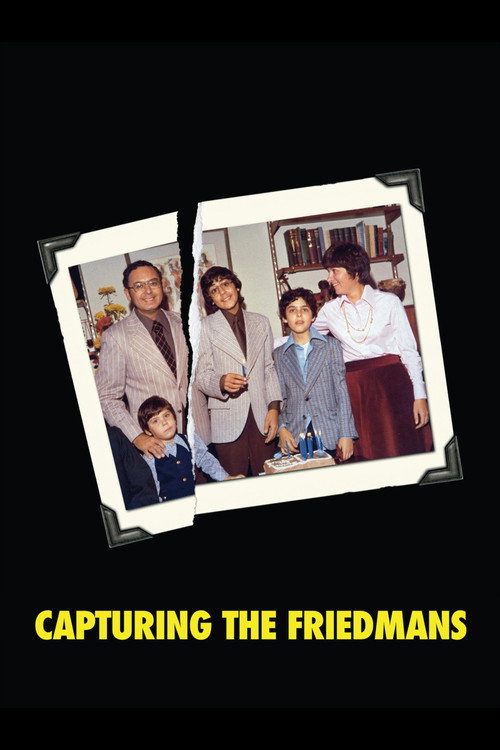
Capturing the Friedmans2003
Documentary about a family destroyed by accusations, featuring home video footage that reveals contradictions and impossible truths. Masterful at showing how perspective fractures under pressure.
But It doesn't resolve neatly. You'll leave with ethical questions rather than answers, which some find unsatisfying.
The Thin Blue Line1988
Errol Morris's investigation into a wrongful conviction uses interviews and animation to expose how memory, testimony, and authority can lie. Investigative rigor applied to chaotic human narrative.
But The aesthetic (animated recreations, repetitive scenes) can feel mannered. Some want a straightforward case breakdown.
Grizzly Man2005
Herzog examines Timothy Treadwell's obsession with bears and his own mythmaking. A study of dangerous charisma directed inward—how you convince yourself and others of your own legend.
But It's elegiac and slow. If you want a bear attack movie, this is a philosophical meditation that might bore you.
The Wailing2016
Both explore how belief systems override evidence, how a charismatic outsider can shatter a community's sense of reality, and how fear makes people justify terrible acts.
South Korean horror-thriller about a village gripped by mysterious deaths, paranoia, and competing explanations. A stranger arrives, people believe contradictory things, and violence spirals. It's Manson reframed as supernatural horror—the same psychological and social collapse.
But It's nearly 2.5 hours, non-English language, and deliberately refuses to clarify what's real. The ambiguity infuriates some.

In a Lonely Place1950
Like Manson, it's about the performance of normalcy. Bogart's character doesn't live in a compound or claim apocalyptic visions, but he uses charm to control people's perception of him and evade accountability in much the same way.
Bogart plays a volatile Hollywood screenwriter accused of murder. The film captures how charisma and charm can mask instability and cruelty—a portrait of someone everyone likes until they don't, with no real awakening. Unflinching.
But It's a psychological noir, slow and skeptical of everyone. If you want heroes or catharsis, Ray denies you both.

People
Cast
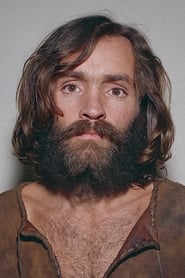 Charles MansonHimself
- Vincent BugliosiHimself
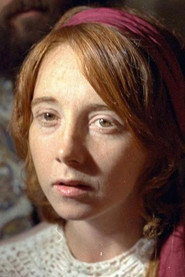 Lynette FrommeHerself
- Bruce DavisHimself
- Paul WatkinsHimself
- Mary BrunnerHerself
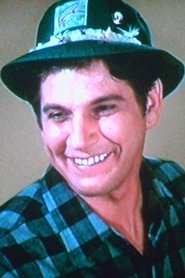 Jesse PearsonNarrator (voice)
Directing
- Laurence MerrickDirector
- Robert HendricksonDirector
Writing
- Joan HuntingtonWriter
- Laurence MerrickWriter