
Film
Werner Herzog Eats His Shoe
- Absurdist comedy
- Light-hearted
A 20-minute documentary where Werner Herzog, true to his word, literally cooks and eats his own shoe to settle a bet with Errol Morris that inspired Morris to make his directorial debut. It's deadpan, absurd, and oddly moving—a perfect distillation of Herzog's philosophy: an artist follows through, no matter how strange the promise. For anyone who loves cinema history, creative lunacy, or proof that some friendships are stranger and truer than fiction.
Should you watch it?
Watch it if you enjoy deadpan absurdity that treats a publicity stunt as a serious ritual, and you find the gap between a filmmaker's vow and his very public follow-through genuinely funny.
Skip it if you want a documentary with a clear argument or a tidy arc, since this is a short, loose piece of spectacle that leans on its own strangeness rather than building toward much.
What it asks of you: Only about twenty minutes, so it asks for a brief, unhurried sitting with your sense of the ridiculous switched on, and little else.
Not sure? Find tonight's pick in a minute.
If you liked this
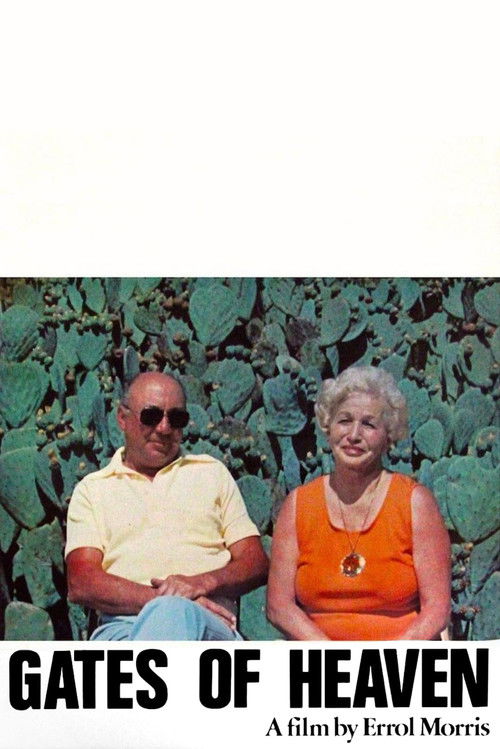
Gates of Heaven1978
Errol Morris's mesmerizing debut about pet cemetery owners. The film that Herzog's shoe bet helped bring into existence—see what was worth eating footwear for. Haunting and beautiful.
But It's about pet cemeteries and grief. The pacing is deliberate, almost meditative. Not everyone connects with its quiet, oblique emotional register.
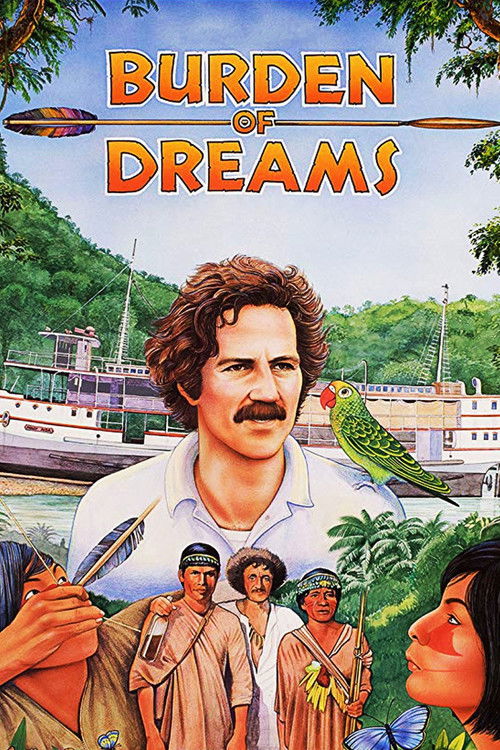
Burden of Dreams1982
Fitzcarraldo's making-of documentary, capturing Herzog's obsession and madness firsthand. If you love the shoe film's portrait of an artist without limits, this shows the full scope of that philosophy in action across a hellish Peruvian shoot.
But It's long, grueling to watch, and sometimes painful. Seeing real suffering and conflict might test your patience with Werner's methods.
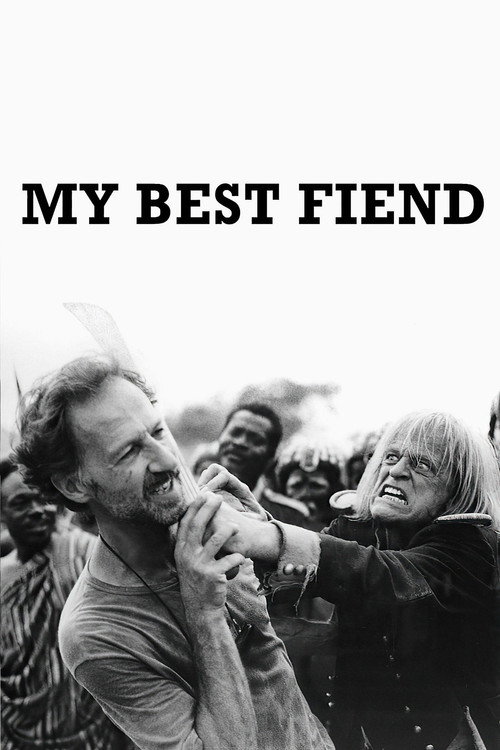
My Best Fiend1999
Herzog's love letter to and exorcism of Klaus Kinski, his greatest collaborator and worst enemy. Funny, tender, furious—it captures the intensity of artistic relationships in ways most documentaries never reach.
But You need to care about Herzog and Kinski's history for it to land. Without that context, it's fascinating but not essential.
Not sure tonight? Get a pick in a minute, starting from Werner Herzog Eats His Shoe
The wildcard
Something you would not have found on your own.
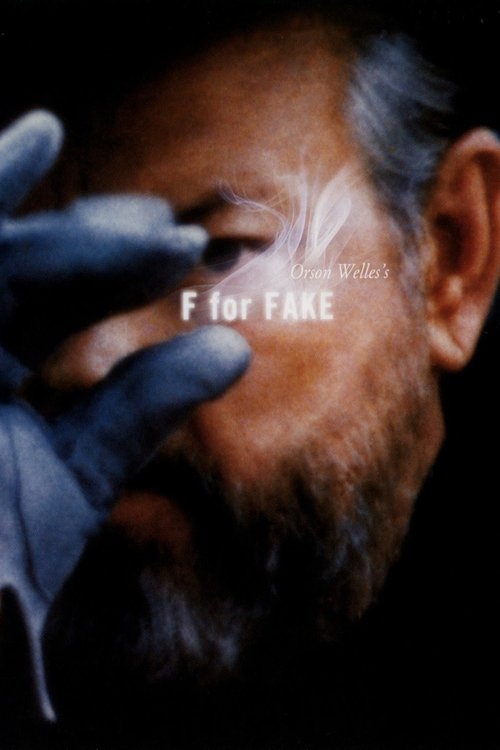
F for Fake1973
Both documents blur the line between performance and reality, asking what an artist owes the world. Herzog eats his shoe to prove he means it; Welles made a film to question what meaning even means.
Orson Welles's dazzling essay on truth and authenticity—what is real, what is performance, what makes art matter? Herzog's shoe is a promise kept; Welles's film is a promise questioned. Both are artists confronting the nature of their own credibility.
But It's formally experimental and self-referential. If you want straightforward storytelling, this will feel slippery and evasive.
More like this (8)
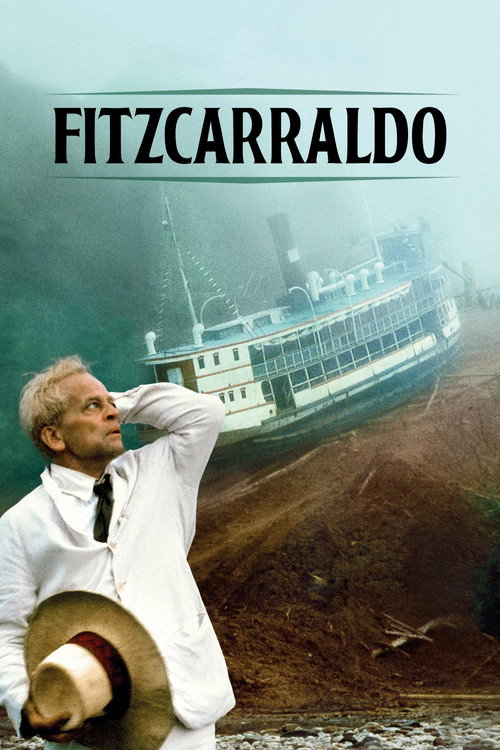
Fitzcarraldo1982
Herzog's masterpiece: obsessive, impossible, transcendent. An opera lover determined to build a theater in the Amazon. It's what the shoe bet was all about—the refusal to accept limits. Visually and spiritually stunning.
But It's nearly three hours of Herzog's slow-burn philosophy. The plot is simple; the experience is demanding. Patience required.
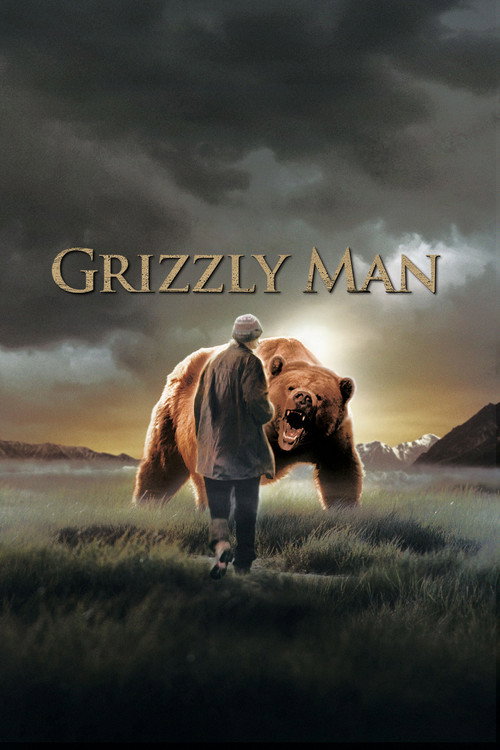
Grizzly Man2005
A haunting portrait of a man who lived among bears and died for it. Herzog narrates with his characteristic mix of awe and judgment. A profound meditation on obsession, nature, and the artist's relationship with the world.
But It documents a real death. The tragedy is genuine and isn't softened. Some find Herzog's detached tone frustrating or cold.
The Holy Mountain1973
Jodorowsky's surrealist masterpiece—pure cinematic madness, visually breathtaking, intellectually ambitious. If you appreciate Herzog's refusal to compromise his vision, this is the artistic cousin you need to see.
But It's impenetrable, transgressive, and nearly four hours long. No plot, no safety net, no apologies. Not for viewers seeking clarity or comfort.

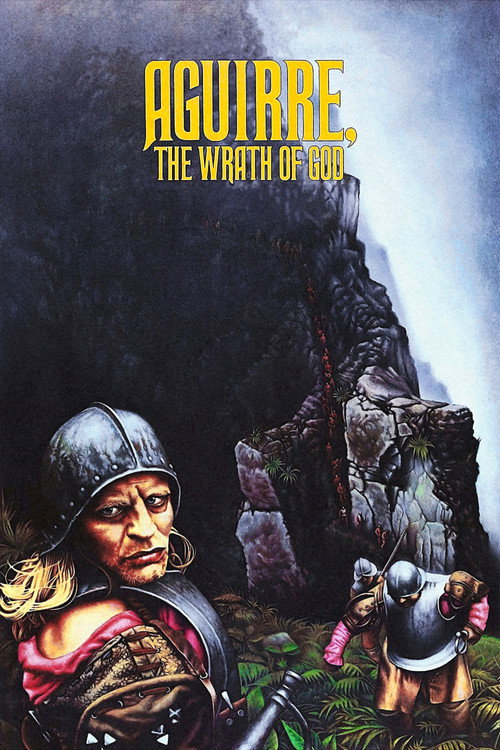
Aguirre, the Wrath of God1972
Herzog's visionary debut, shot in the Amazon with Klaus Kinski as a conquistador chasing gold. Hallucinatory, hypnotic, iconic. The film that made his reputation as an uncompromising genius.
But It's meditative and elliptical; nothing happens conventionally. The pacing might feel glacial if you want plot momentum.
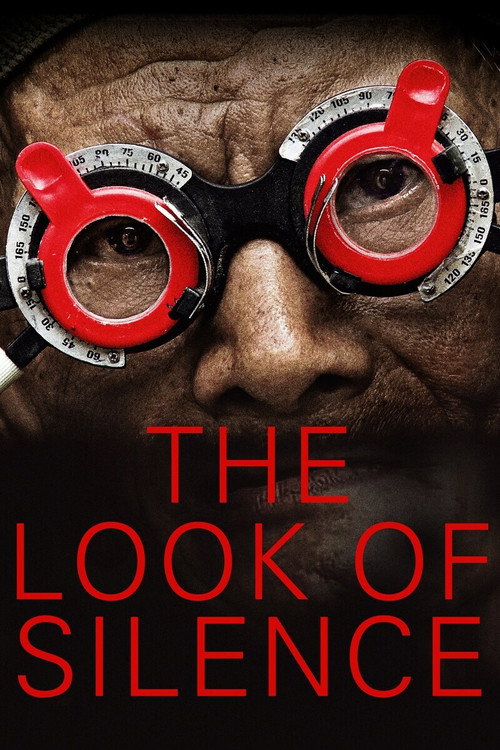
The Look of Silence2014
Joshua Oppenheimer's stunning documentary about an optometrist confronting those responsible for his brother's death in the Indonesian genocide. Tender, observant, and unexpectedly hopeful about human connection.
But It's about atrocity and requires heavy emotional labor. The slowness might frustrate viewers used to conventional narrative momentum.
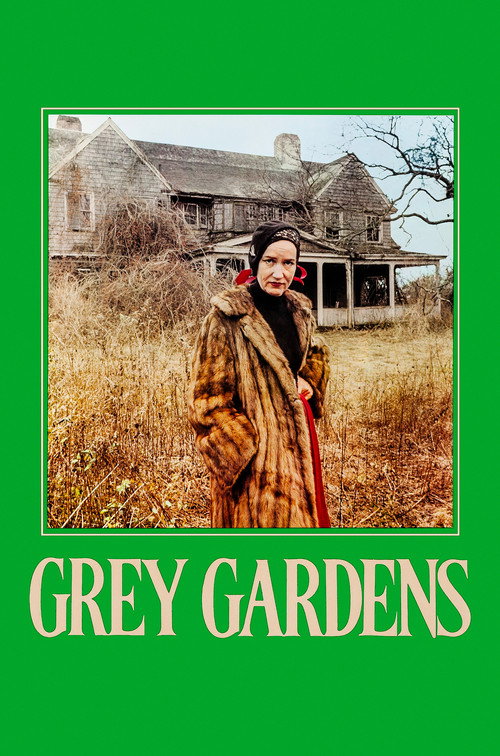
Grey Gardens1976
The Maysles brothers' portrait of two reclusive women in a decaying mansion. Wildly entertaining, tragic, and oddly moving. A document of eccentricity and sorrow that's utterly compelling.
But It's voyeuristic and uncomfortable at times. You're watching people in genuine distress, which some find exploitative or painful to witness.
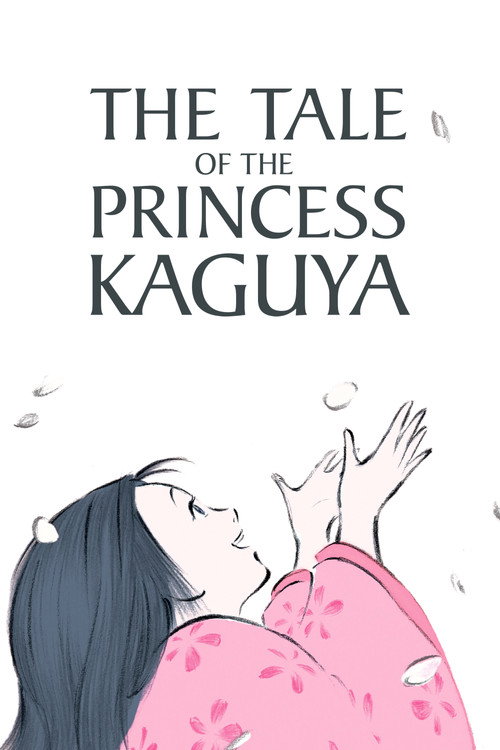
The Tale of The Princess Kaguya2013
Both films are about keeping promises that cost everything. Herzog keeps his absurd promise; Takahata explores the tragedy of promises made to beings we cannot keep. Both are about the price of integrity.
Isao Takahata's animated masterpiece about an impossible promise made to a magical child. Devastatingly beautiful, hand-drawn, with a visual style that feels like watercolor come alive. A meditation on love, loss, and the impossibility of keeping heaven in your hands.
But It's animated, which might seem trivial. It's also slow, melancholic, and ends in genuine heartbreak—not escapism.
Stalker1979
Herzog eats his shoe to prove his word means something; Tarkovsky's characters journey toward a room that may be empty—both films ask whether meaning exists in the act itself, not the outcome. Both are about obsession that transcends reason.
Tarkovsky's masterwork about a guide leading two men to a mysterious room that might grant wishes. Hypnotic, philosophical, transcendent—about desire, faith, and whether the destination matters more than the journey. Profoundly moving if you surrender to its pace.
But It's 163 minutes of philosophical science fiction with minimal plot. The slowness is the point, which means it will feel like torture if you resist it.

People
Cast
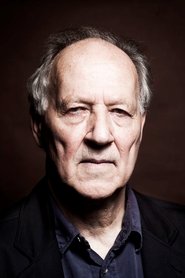 Werner HerzogSelf
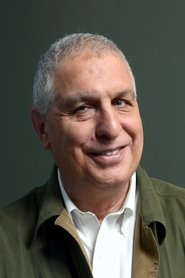 Errol MorrisSelf
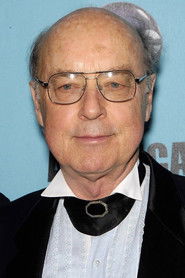 Tom LuddyMaster of Ceremonies
- Michael GoodwinDriver / Interviewer
- Chris StrachwitzDwarf Voice (voice)
- Phil HarbertsSelf
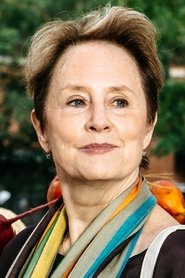 Alice WatersAssistant Cook
Directing
- Les BlankDirector
Writing
- Werner HerzogWriter
Recommended by
Corman's World, Alone in the Wilderness, Abstract: The Art of Design, Manson, The Green Wall, Fishing with John, Edison, the Man