
Film
My Best Fiend
Werner Herzog's documentary love letter to his most volatile collaborator, Klaus Kinski. Shot through with dark humour and genuine affection, it's a portrait of two brilliant, fractious men whose creative partnership nearly destroyed them both. For anyone fascinated by obsession, cinema, or the particular madness required to make art.
Should you watch it?
Watch it if you love documentaries about the messy, obsessive side of filmmaking, where a director's memories of a volatile collaborator are as revealing as the making-of footage itself.
Skip it if you want a neutral, tidy account of how movies get made; Herzog narrates with a strong, sometimes theatrical point of view, and the telling is more personal than balanced.
What it asks of you: It runs about ninety-nine minutes and moves at a conversational pace, asking you to sit with long reflective stretches and to read the emotional currents beneath the anecdotes.
Not sure? Find tonight's pick in a minute.
If you liked this
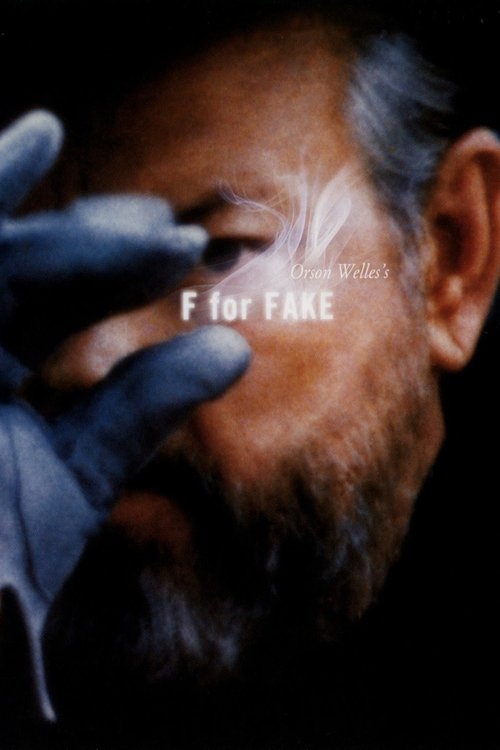
F for Fake1973
Orson Welles's essay on deception, authorship, and the artist's ego. Like Herzog's film, it's a meditation on the filmmaking self disguised as entertainment—playful, vain, and completely alive.
But Formally experimental in ways that demand patience. The logic is associative rather than linear, which can feel wilfully obscure.
Contempt1963
Godard's film about a director, an actor, and a marriage collapsing on a film set. It has the same mix of affection and exasperation for cinema and the people who make it, with a melancholy that deepens with time.
But Glacial pacing and long, static shots. The philosophical conversations about cinema will mean more if you already care deeply about film.

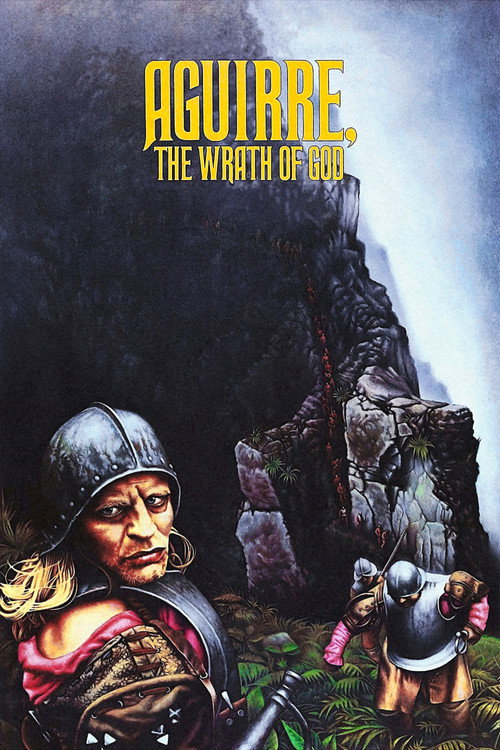
Aguirre, the Wrath of God1972
This is the Herzog-Kinski collaboration that sparked their entire complicated love affair. Watching it after the documentary creates a strange alchemy—you see the obsession on screen.
But It's rough and low-budget, which gives it power but also makes it feel like a document rather than a polished film. The narrative is thin.
Not sure tonight? Get a pick in a minute, starting from My Best Fiend
The wildcard
Something you would not have found on your own.
Stalker1979
Both films are about the artist's obsession with the impossible—the spiritual quest disguised as a practical problem. Both trust their audience to sit with discomfort.
Andrei Tarkovsky's film about obsession, desire, and the distance between what we want and what we're willing to sacrifice. It moves like a dream and it's hypnotic—a meditation on the very impulses that drive Herzog and Kinski.
But 163 minutes of Russian philosophical science fiction. Demands absolute stillness and rewards patience with beauty that moves beyond narrative.

More like this (6)
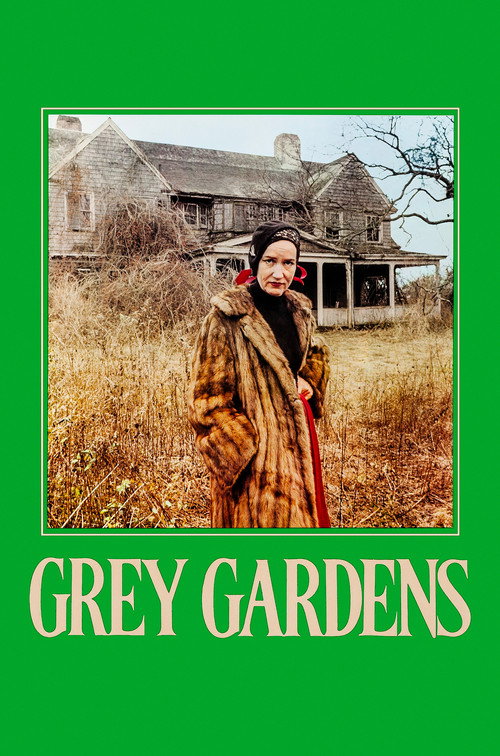
Grey Gardens1976
The Maysles brothers' documentary about two eccentric women living in decay and myth. It has the same fascination with personality, eccentricity, and the fine line between documentary and performance.
But Uncomfortable to watch—it hovers deliberately over human fragility and delusion in ways that can feel exploitative.
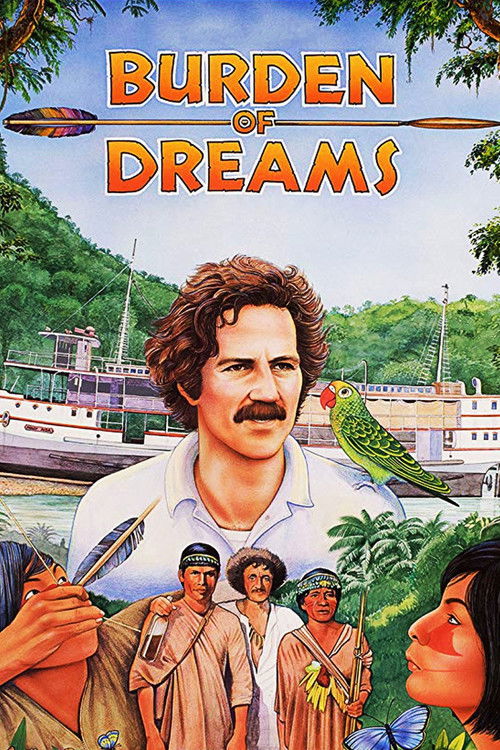
Burden of Dreams1982
Les Blank's documentary about Herzog making Fitzcarraldo in the Amazon. If you want to see the Herzog-Kinski dynamic in action with the actual jungle bearing down, this is it.
But Repetitive in its portrait of chaos and suffering. The documentary itself becomes as gruelling as the production it's documenting.
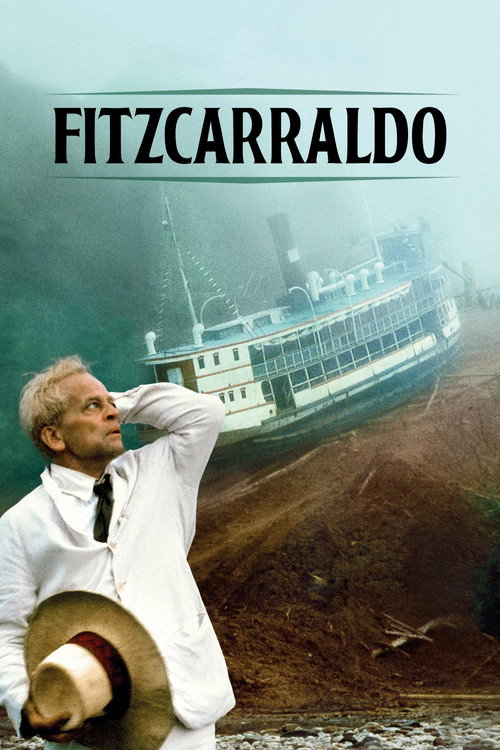
Fitzcarraldo1982
Herzog's masterpiece with Kinski at its centre—operatic, mad, beautiful, and genuinely dangerous. The performance is extraordinary because you know what was happening between director and actor.
But Nearly four hours long and hypnotic rather than gripping. Requires surrender; will not accommodate people checking their phones.
La Haine1995
Mathieu Kassovitz's portrait of three men in the suburbs of Paris. It's a study of friendship under pressure and the ways love and violence can coexist, shot with formal brilliance.
But Bleak and angry. The final scene divides people—some find it necessary, others find it exploitative.

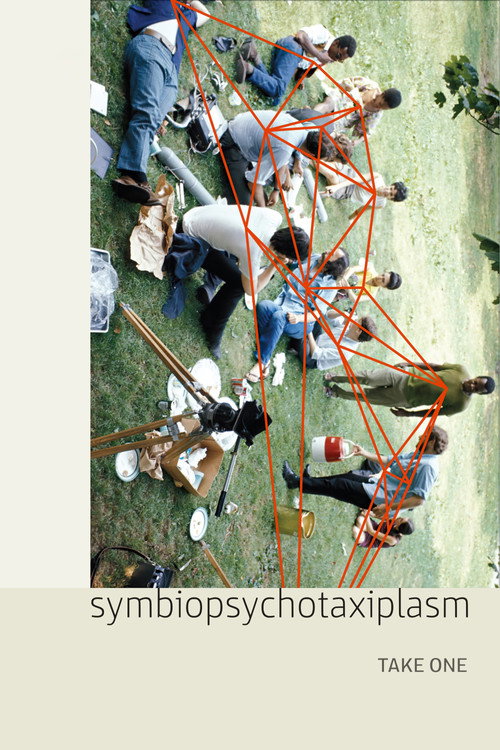
Symbiopsychotaxiplasm: Take One1968
William Greaves's experimental film about a director making a film about making a film. Like Herzog's documentary, it's playfully meta and fascinated by the relationships that constitute cinema.
But Genuinely difficult—the structure is deliberately confusing and the reward is more formal than narrative. Requires active, engaged watching.
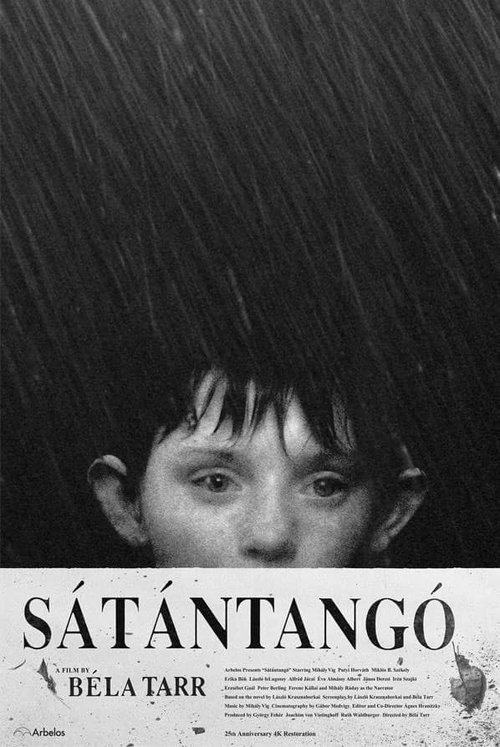
Satantango1994
Like My Best Fiend, it's fascinated by the strange magnetism of damaged, charismatic people and the communities they form around themselves. Both suggest that suffering and creation are not separate things.
Béla Tarr's 7.5-hour Hungarian film about a mysterious man returning to a community of broken people in a decaying building. It's patient, austere, and absolutely transfixing—cinema as endurance and grace.
But The runtime is not hyperbole. Black and white, slow, Hungarian, with minimal plot. This is a test of willingness, not a entertainment product.
People
Cast
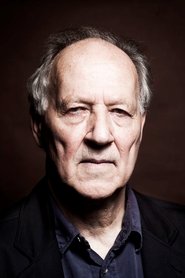 Werner HerzogSelf
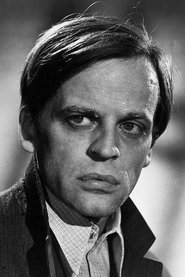 Klaus KinskiSelf (archive footage)
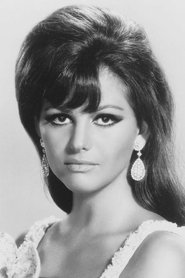
 Eva MattesSelf
- Bill PenceSelf
- Beat PresserSelf (archive footage)
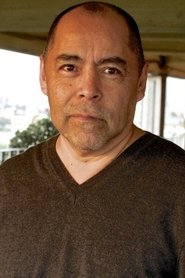 Guillermo RíosSelf (archive footage)
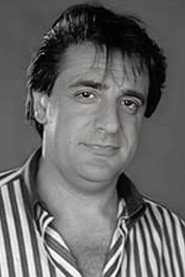 Andrés VicenteSelf (archive footage)
- Justo GonzálezSelf (also archive footage)
Directing
- Werner HerzogDirector
Writing
- Werner HerzogWriter
Production
- André SingerExecutive Producer
- Christine RuppertExecutive Producer
- James MitchellExecutive Producer
- Lucki StipetićProducer
- Sabine RollbergProducer
- Ulrich BergfelderProduction Manager
Recommended by
Burden of Dreams, Nosferatu the Vampyre, American Dharma, Notebook on Cities and Clothes, Werner Herzog Eats His Shoe, The Art of the Steal, Lightning Over Water, The Walk