
Film
The Art of the Steal
Other titles called The Art of the Steal: the 2013 film.
A documentary about the fierce legal battle over the Barnes Foundation's priceless art collection after its founder's death. It's a story of wealth, power, and principle—examining how one man's vision for democratic access to art became a battleground for lawyers, museums, and institutions. For anyone fascinated by how money and ego collide in the world of culture.
Should you watch it?
Watch it if you like documentaries that treat a legal fight like a thriller, following who wants what from a famous art collection and why the money matters.
Skip it if you want a film about the paintings themselves, since this one spends most of its time on boardrooms, lawyers and talking heads rather than close looks at the canvases.
What it asks of you: Expect a brisk, slightly indignant rhythm across roughly an hour and forty minutes, your attention split between sharp argument and the sheer scale of the money at stake.
Not sure? Find tonight's pick in a minute.
If you liked this
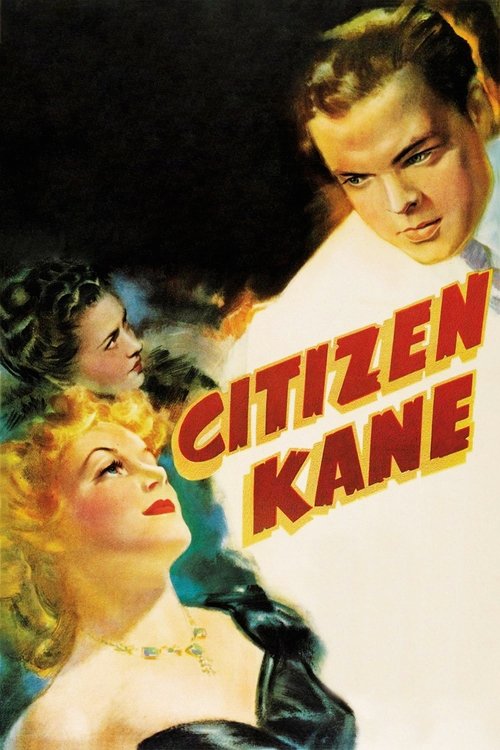
Citizen Kane1941
Explores the corruption of a visionary's legacy through a man obsessed with control and possession. Like the Barnes story, it asks what happens when ego outlives its architect—and who gets to decide what matters.
But It's a film from 1941, and some viewers find its formal innovations less revolutionary now. The pacing can feel slow if you're not attuned to classical cinema.
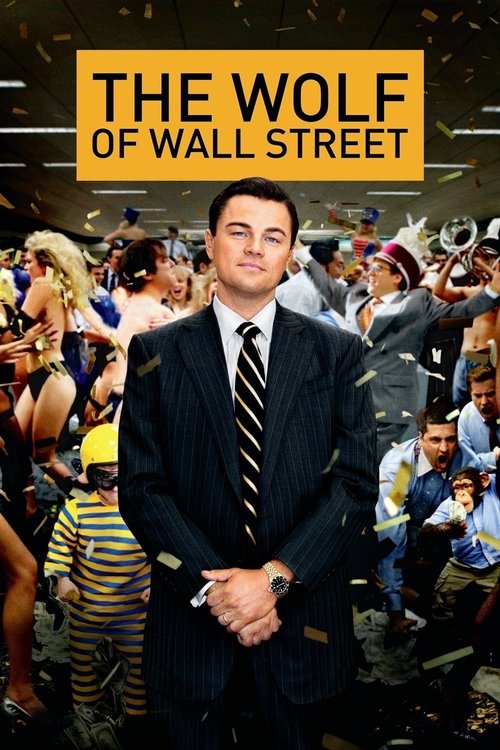
The Wolf of Wall Street2013
A savage anatomy of greed and the systems that enable it. Shares the documentary's unflinching view of how wealth distorts judgment and turns institutions into personal fiefdoms.
But Three and a half hours. Deliberately ugly and repetitive to make its point. The excess it's critiquing can be numbing rather than clarifying.
The Fog of War2003
Errol Morris's portrait of Robert McNamara reveals how brilliant people justify terrible decisions. Like The Art of the Steal, it examines legacy, regret, and the gap between intention and consequence.
But Deliberately paced and abstract. It's about ideas and memory rather than dramatic plot. Some find it slow.

Not sure tonight? Get a pick in a minute, starting from The Art of the Steal
The wildcard
Something you would not have found on your own.
Grey Gardens1976
Both examine how personal vision, isolation, and obsession corrode institutional integrity. Both ask whether outsiders have the right to 'save' something from its creator's choices.
A portrait of two reclusive women in a decaying mansion and their complex relationship with the outside world and their own history. Like the Barnes Foundation, it's about the clash between private vision and public scrutiny, and how institutions we create can consume us.
But Deeply uncomfortable and voyeuristic. You may feel you're watching something you shouldn't. Deliberately unresolved and bleak.

More like this (3)
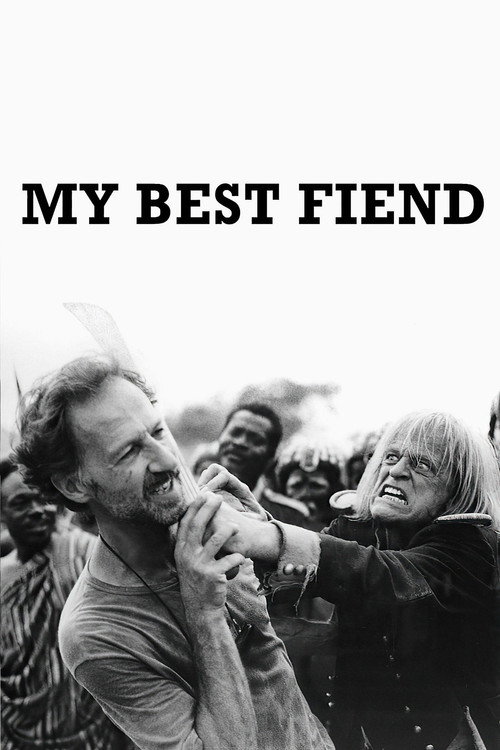
My Best Fiend1999
Herzog examines his decade-long creative partnership with Klaus Kinski, exploring how obsession and vision can create greatness and destruction simultaneously. A meditation on power and art.
But It's personal and sometimes bitter. Non-linear structure. Assumes you have some knowledge of both men's work.
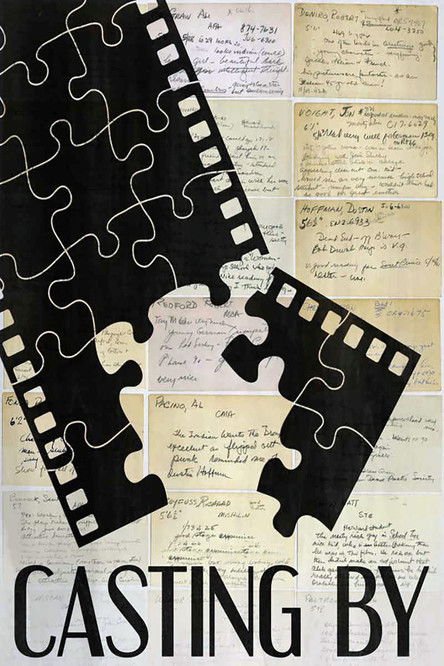
Casting By2012
Documentary about Marion Dougherty, a legendary casting director, and her fight for recognition within an industry that systematized her innovations without crediting her. A quieter battle over legacy.
But Niche subject. Primarily for cinema enthusiasts. Less overtly dramatic than other institutional power struggles.
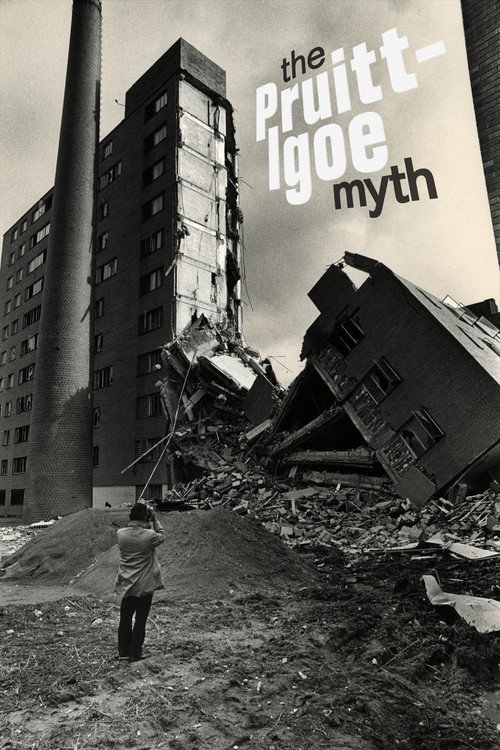
The Pruitt-Igoe Myth2012
Both trace how a visionary's idealistic structure becomes corrupted by forces beyond their control, and both question who gets to decide its fate after the creator is gone.
A documentary that reconstructs the rise and demolition of a utopian housing project, interrogating the gap between idealistic design and failed implementation. It shares the Barnes story's core: how good intentions become battlegrounds for competing interests and narratives.
But Formal and essayistic rather than conventionally engaging. The architecture-focused argument may feel distant. Demanding viewer.
People
Cast
 Julian BondHimself
- Richard FeigenHimself
- Richard H. GlantonHimself
- Christopher KnightHimself
- John F. StreetHimself
- Robert ZallerHimself
Directing
- Don ArgottDirector
Production
- Matt WolfordCoordinating Producer
- Lenny FeinbergExecutive Producer
- Gary E. IrwinLine Producer
- John-Michael TrojanProducer
- Sheena M. JoyceProducer
- Christa IrwinResearcher