
Film
The Walk
Robert Zemeckis's love letter to the audacity of impossible dreams. Joseph Gordon-Levitt becomes Philippe Petit, the French tightrope walker who walked between the Twin Towers in 1974. It's less heist film than spiritual meditation—graceful, intimate, breathtaking, and deeply human. For anyone who's felt the pull of creating something no one has ever seen.
If you liked this
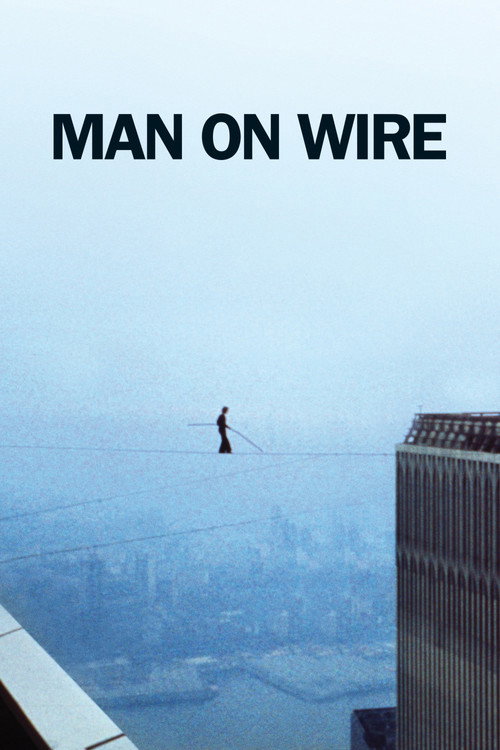
Man on Wire2008
The documentary that inspired Zemeckis's film. Petit himself recounts the actual event with infectious joy and surprising depth, letting you experience the real man's irreverent brilliance and obsession.
But A documentary about a wire walk sounds dry. It's not, but if you need conventional drama beats, this philosophical approach will feel slight.
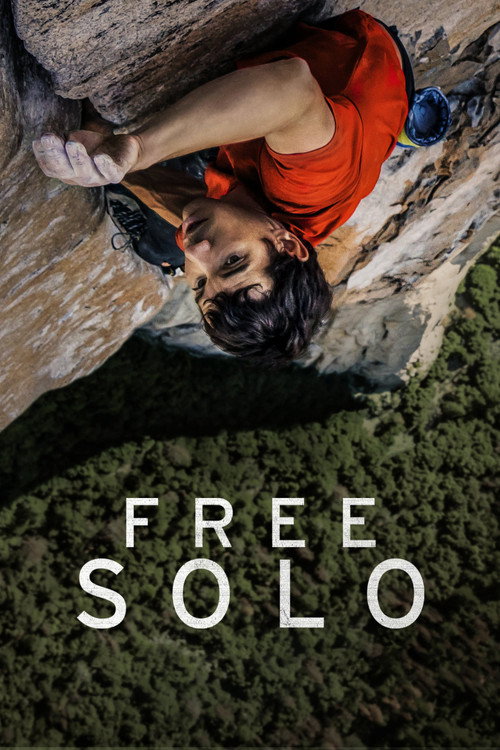
Free Solo2018
A documentary following Alex Honnold climbing El Capitan without ropes. Same spiritual obsession, same meditative approach to impossible risk, but with modern filmmaking intensity and genuine vertigo.
But The tension is almost unbearable; some find it exhausting rather than exhilarating. Also genuinely dangerous, which sits differently than Petit's performance art.
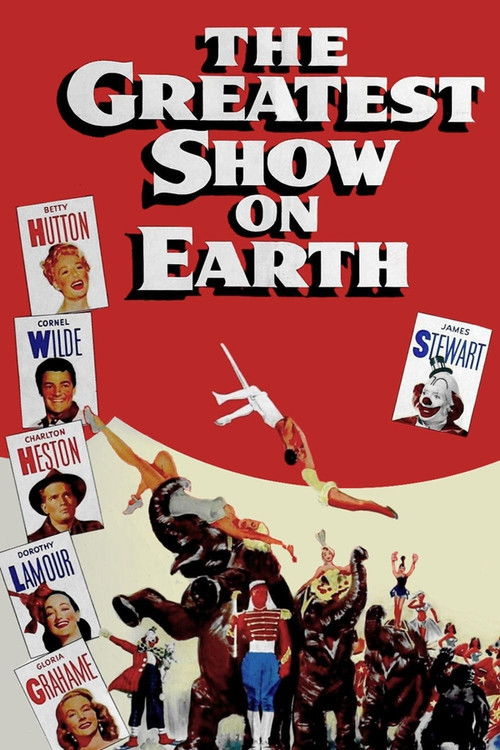
The Greatest Show on Earth1952
Cecile B. DeMille's epic about circus life and spectacle. Like The Walk, it celebrates performers who live for the moment of daring—the commitment to beauty over safety, the communal magic of witnessing impossible things.
But It's three hours of 1950s melodrama; the theatrical sensibility can feel absurdly earnest now. Plot is secondary to production design.
Not sure tonight? Get a pick in a minute, starting from The Walk
The wildcard
Something you would not have found on your own.
Amarcord1973
Both use individual obsession as a lens to explore their historical moment and the human need to witness something transcendent. Both are love letters to a particular era shot through dreams.
Federico Fellini's memory-film about a small Italian town dreaming communal dreams. Like The Walk, it captures the 1970s atmosphere and treats performance—civilian spectacle, human desire—as the heart of life. Also about how communities hold space for the impossible.
But It's a non-narrative poem; things don't happen, they unfold. Fellini's Italy is very far from Petit's Paris, and the pace requires surrender from viewers.
More like this (7)
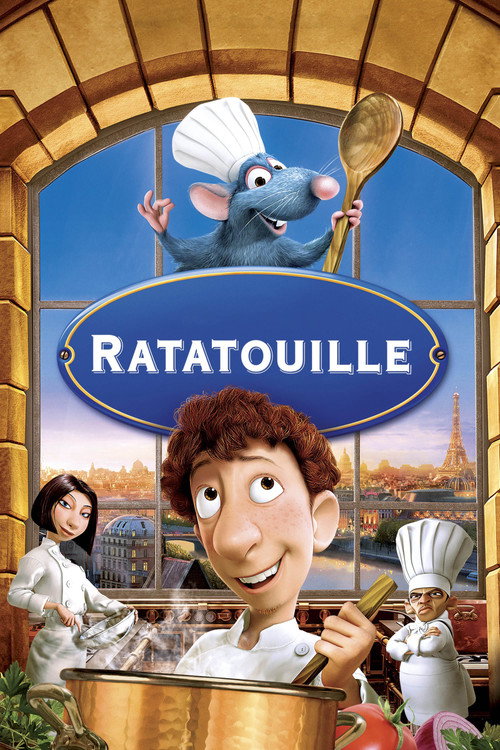
Ratatouille2007
An underdog story about someone pursuing a dream everyone says is impossible, with the same Pixar-meets-Zemeckis visual warmth and the same focus on passion mattering more than practicality. A spiritual sibling.
But It's a family film; some will find it too gentle or wish for more complexity in its worldview.
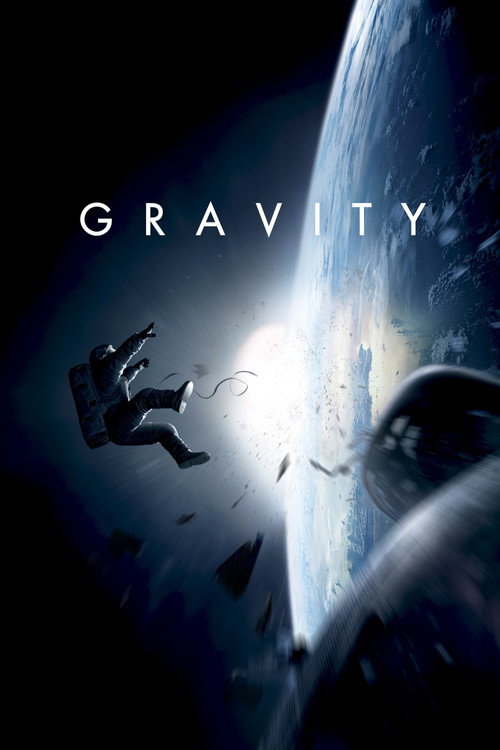
Gravity2013
Cuarón's film is also about a human body suspended in an impossible place, defying all rational survival. Shares The Walk's obsession with showing you something you've never quite seen before on film.
But It's claustrophobic and relentless; many find it more punishing than transcendent. The isolation can feel cold rather than spiritual.
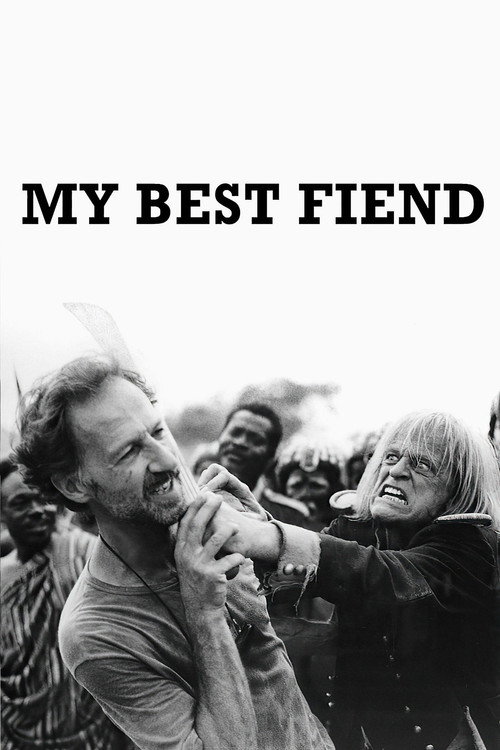
My Best Fiend1999
Werner Herzog's documentary about his relationship with Klaus Kinski. Like The Walk, it's about two obsessive artists pursuing impossible visions, and about the strange intimacy between dream-makers and the people who help them.
But It's deliberately fractured and philosophical; Herzog's voice-over is meditative to the point of distraction. Not a conventional biography.
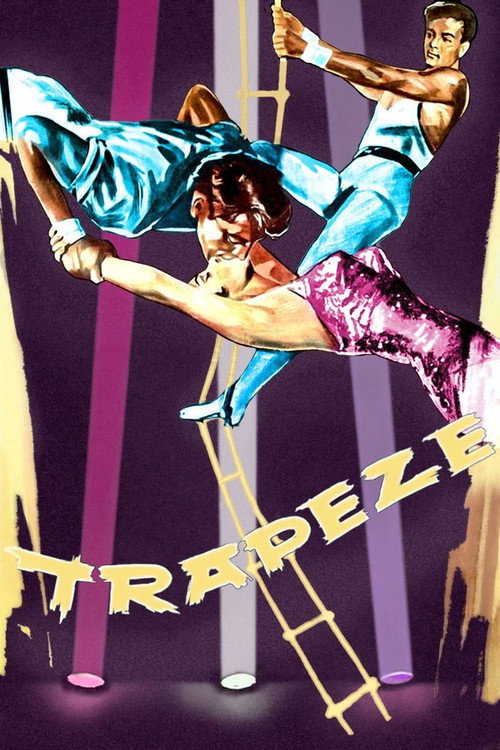
Trapeze1956
Burt Lancaster and Tony Curtis as trapeze artists. Like Petit, it treats the performance as sacred, showing actual aerial work. Captures that specific mixture of joy and danger that defines the circus performer's calling.
But The plot is melodramatic and dated; the film moves at a stately pace that modern audiences often find slack.
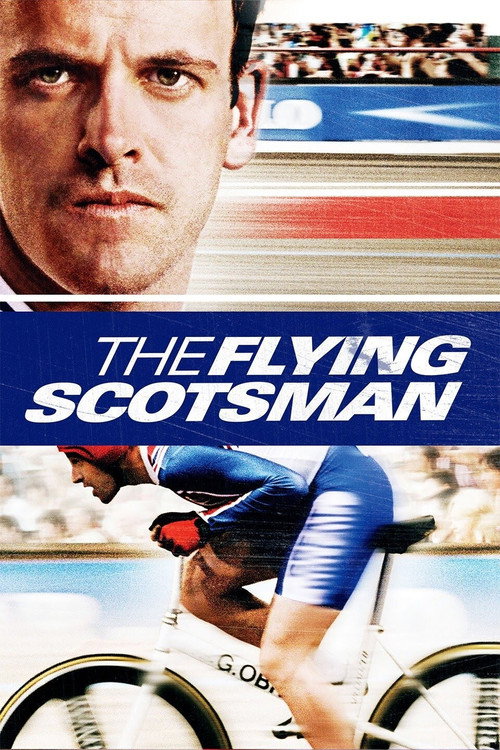
The Flying Scotsman2006
A biopic of cyclist Graeme Obree, another dreamer who rebuilds impossible machines from nothing. Shares The Walk's focus on obsession as both gift and curse, and the need for eccentric people to test the world's limits.
But It's low-budget and the dramatic tensions feel forced. The cycling sequences don't match the visual sweep you might want.
Synecdoche, New York2008
Both films see the artist's impossible act not as escapism but as the truest way to be alive. Both push beyond inspiration into something darker and more complex.
Charlie Kaufman's film about a theater director building an impossible architectural dream inside a warehouse—a replica of a city that becomes more real than reality. Like The Walk, it's about an artist so consumed by vision that the boundary between obsession and madness vanishes.
But It's deliberately confusing and emotionally abrasive; many viewers find it alienating rather than moving. No catharsis. Bleak.

Moonlight2016
Both films use precision and visual restraint to convey spiritual transcendence. Neither needs plot mechanics—both trust that witnessing a human being fully present, fully alive, is enough.
Barry Jenkins's intimate film shot like memory and dream. Like The Walk, it's a meditation on grace and how small human acts can be as daring as any wire walk. Uses visual poetry rather than plot. Celebrates beauty and presence.
But Nothing happens in conventional story terms. Very slow. Some find it too abstract or too quiet to engage with emotionally.

People
Cast
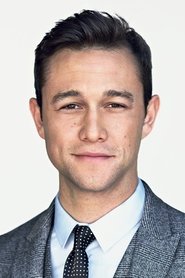 Joseph Gordon-LevittPhilippe Petit
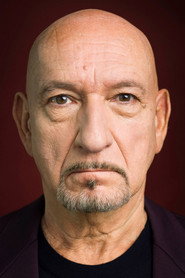 Ben KingsleyPapa Rudy
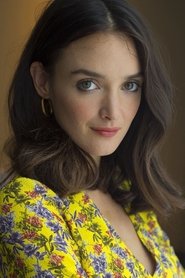 Charlotte Le BonAnnie Allix
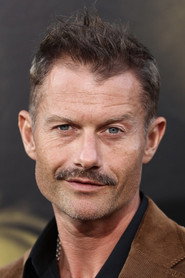 James Badge DaleJ.P.
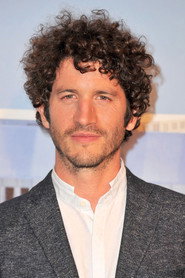 Clément SibonyJean-Louis
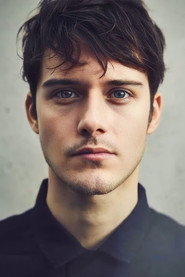 César DomboyJeff / Jean-François
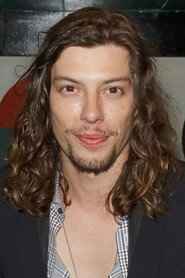 Benedict SamuelDavid
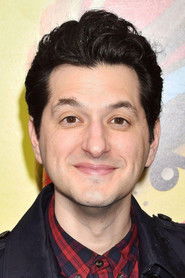 Ben SchwartzAlbert
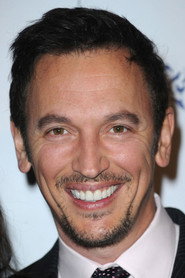 Steve ValentineBarry Greenhouse
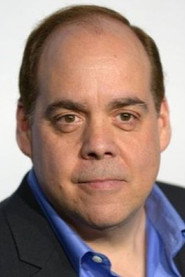 Mark CamachoGuy Tozolli
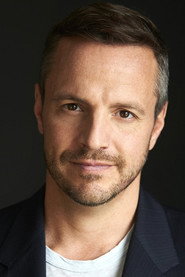 Sergio Di ZioOfficer Genco
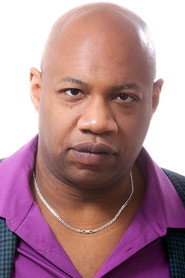 Kwasi SonguiMan with Plaid Sports Coat
Directing
- Nathalie LacosteAdditional Third Assistant Director
- Robert ZemeckisDirector
- Elizabeth TremblayScript Supervisor
Writing
- Philippe PetitNovel
- Christopher BrowneScreenplay
- Robert ZemeckisScreenplay
Production
- Matthew MaistoCasting
- Scot BolandCasting
- Stéphane FoenkinosCasting
- Victoria BurrowsCasting
- Eddie JaszekCasting Associate
- Elodie DemeyCasting Associate
- Ben WaisbrenExecutive Producer
- Cherylanne MartinExecutive Producer
- Jacqueline LevineExecutive Producer
- Benoît MathieuLocation Manager
- Daniel GonzalezPost Production Technical Engineer
- Jack RapkeProducer
- Robert ZemeckisProducer
- Steve StarkeyProducer
- Melissa ChouProduction Manager