
Film
American Dharma
- Drama
- Slow-burning
Errol Morris sits down with Steve Bannon for a 16-hour conversation about ideology, cinema, and power. The result is a portrait of one of Trump's most influential advisors—not a hit job or hagiography, but an unflinching attempt to understand how a man thinks. Cerebral, often unsettling, for viewers who want to grapple with the architects of recent history.
Should you watch it?
Watch it if you enjoy watching a sharp interviewer pin a slippery subject down over long stretches, and you care about how a worldview gets built from films, myths and old grudges.
Skip it if you want a clear verdict or a tidy political argument, since Morris mostly lets Bannon talk and the film circles his ideas rather than settling them.
What it asks of you: It runs about 95 minutes of mostly one man in conversation, so it asks for patience with talk, close attention to what is said, and tolerance for long, unhurried digressions.
Not sure? Find tonight's pick in a minute.
If you liked this
The Fog of War2003
Morris's masterpiece about Robert McNamara offers the template: a brilliant, troubled figure examined through long interview and historical footage. Essential viewing to understand Morris's method and philosophy.
But It's about the Vietnam War and its moral horrors—heavy material that demands emotional investment, not background viewing.

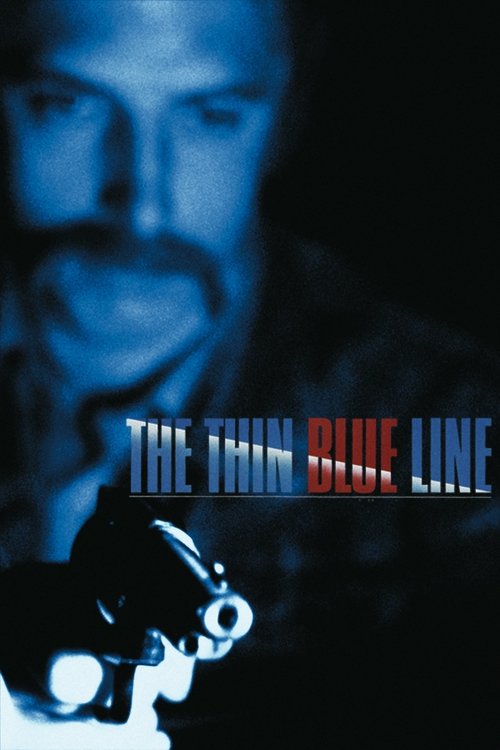
The Thin Blue Line1988
Morris's breakthrough, reconstructing a murder case with meticulous attention to detail and moral complexity. If you want to see him at his most rigorous and inventive, this is it.
But The repetition of scenes—necessary for the film's purpose—can feel deliberately slow. Patience required.
The Act of Killing2012
Joshua Oppenheimer's landmark documentary lets perpetrators of genocide stage their own crimes. Like American Dharma, it's a radical act of letting a subject speak and reveal themselves through that speaking.
But Extraordinarily difficult to watch. The violence is real, and the moral weight is immense. Not an easy evening.

Not sure tonight? Get a pick in a minute, starting from American Dharma
The wildcard
Something you would not have found on your own.
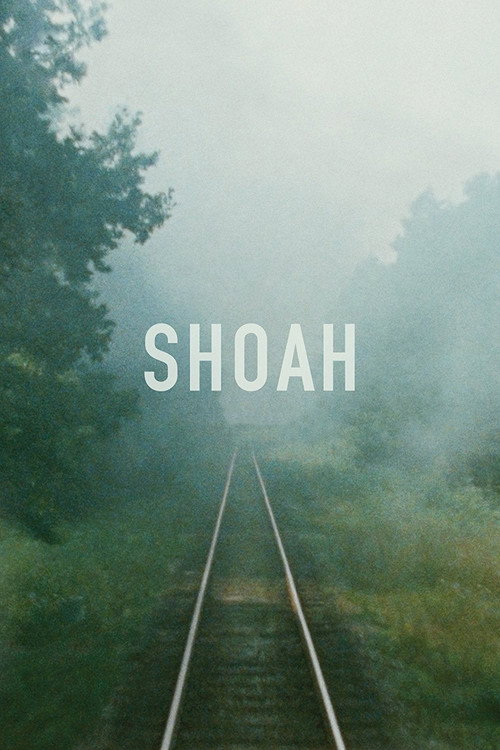
Shoah1985
Both films believe that letting someone speak at length, without judgment or interruption, is a form of moral reckoning. Both are acts of listening as a political choice.
Claude Lanzmann's nine-hour oral history of the Holocaust consists entirely of interviews with survivors, perpetrators, and witnesses. Like American Dharma, it trusts language and testimony as tools of understanding. The listening becomes the point.
But Nine hours. No music, no narration, no archive footage—just talking. Many viewers will find it exhausting, even punishing. Not a film you watch; a commitment you make.
More like this (7)
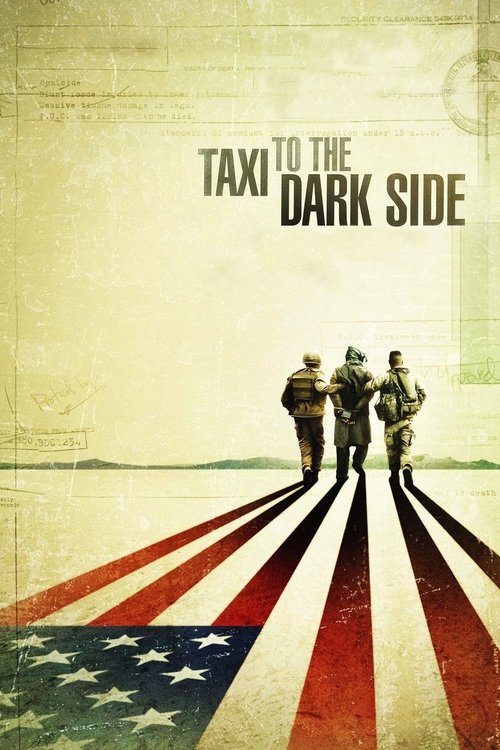
Taxi to the Dark Side2008
Alex Gibney's investigation of post-9/11 torture uses archive, testimony, and reportage to build a moral case. Similar commitment to understanding systems of power without flinching.
But Anger is baked into the film's structure. If you want detachment or irony, you won't find it here.
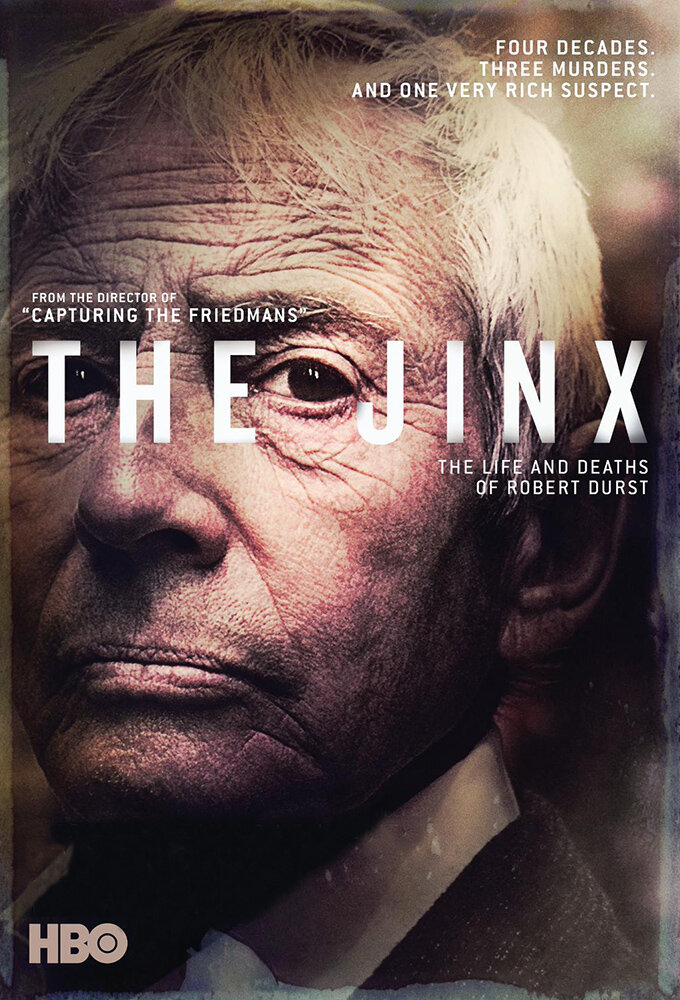
The Jinx: The Life and Deaths of Robert Durst2015
Andrew Jarecki's six-part miniseries about Robert Durst lets a subject slowly incriminate himself through interview. Addictive and illuminating about how much people reveal when given space to talk.
But The pacing is deliberately slow, and some episodes feel like they're circling the same ground. Takes real commitment to finish.
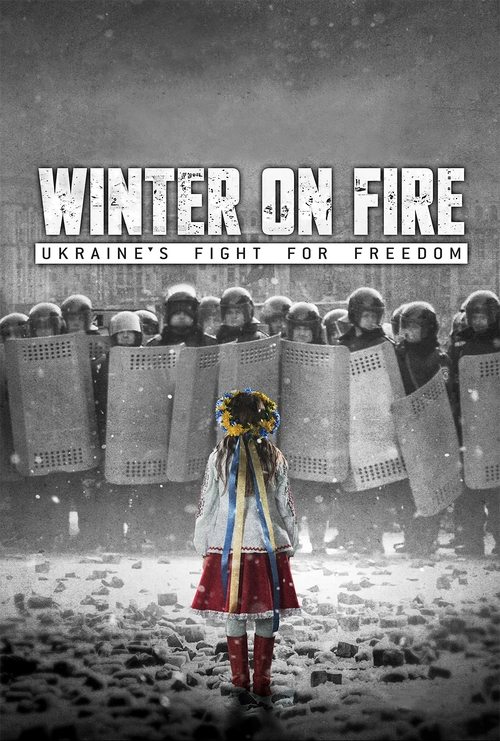
Winter on Fire: Ukraine's Fight for Freedom2015
Evgeny Afineevsky's account of the 2013 Ukrainian uprising uses archive and testimony to capture revolution as it happens. Visceral, immediate, and morally clear-eyed about power and resistance.
But Hand-held camera work can feel chaotic. The violence is real and sometimes hard to parse visually.
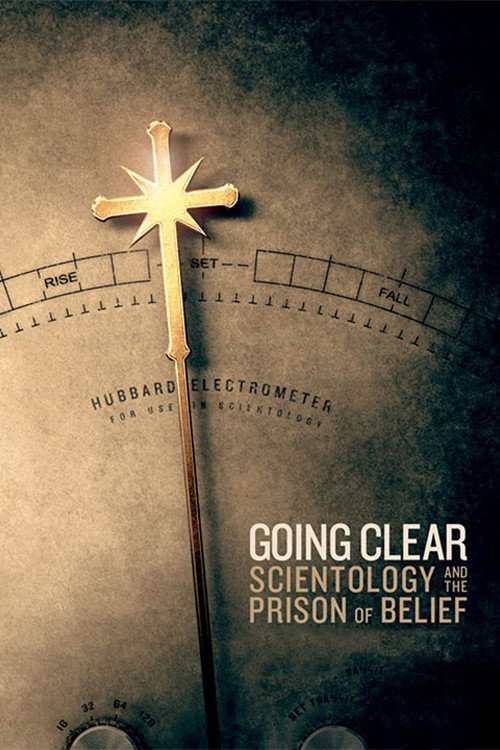
Going Clear: Scientology and the Prison of Belief2015
Alex Gibney's HBO documentary about Scientology uses former members' testimony to dismantle an institution. A masterclass in letting witnesses speak and building a case through accumulated detail.
But At nearly two hours, it can feel repetitive. The subject matter is deliberately depressing—institutional abuse throughout.
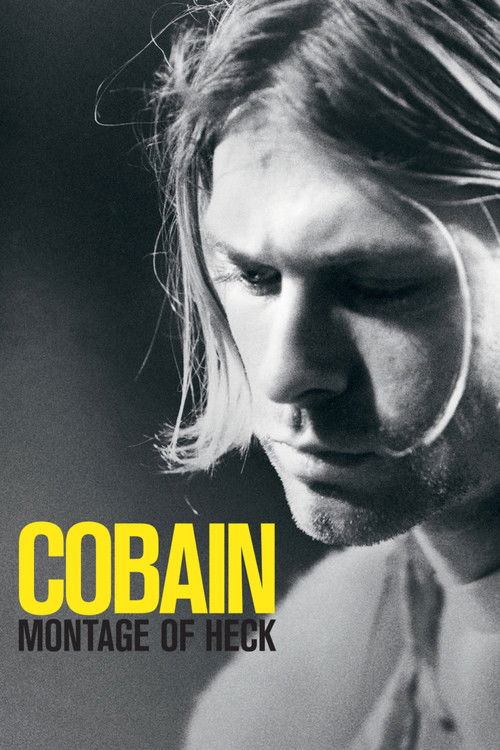
Cobain: Montage of Heck2015
Brett Morgen's portrait uses animation, archive, and found footage to build an intimate picture of a self-destructive genius. Visual invention matched to emotional depth.
But The subject is suicide and addiction. Relentless in its refusal to look away from suffering. Not for every mood.
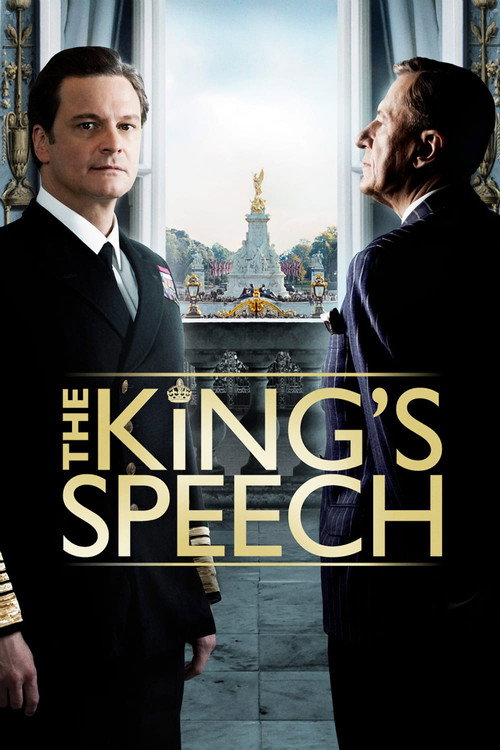
The King's Speech2010
Both are fascinated by rhetoric and the power of speech. Both examine a powerful man's self-presentation. One is a morality play; the other is a philosophical inquiry into the same problem.
A two-hander about a man learning to speak publicly and overcome his impediments. Lightweight compared to American Dharma, but it locates the same drama: how does someone make themselves heard? What do they reveal in the effort?
But It's a crowdpleaser with an obvious arc and emotional payoff. If you want challenge or ambiguity, this wraps everything in comfort and uplift.
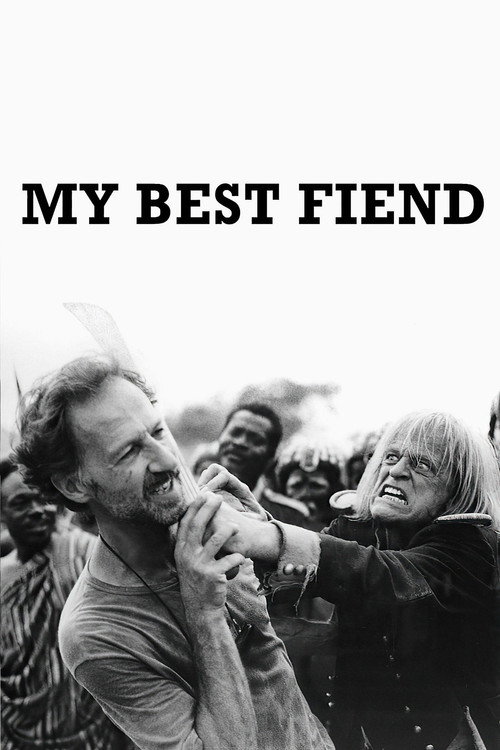
My Best Fiend1999
Both films use the director-subject relationship as the actual subject. Both ask: what does it mean to spend time with someone you're trying to understand? Both suggest that fascination and repulsion can coexist.
Werner Herzog's portrait of his collaborator Klaus Kinski is a short (about 90 minutes), fierce, funny essay on artistic partnership and hatred. It's cinema as conversation, and it suggests that understanding someone means sitting with contradiction and affection simultaneously.
But Herzog's voice—literal and directorial—dominates the film. Kinski is mostly footage and clips. If you want balance or equal time, you won't find it here.
People
Cast
 Steve BannonSelf
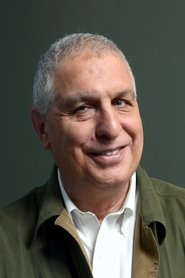 Errol MorrisSelf
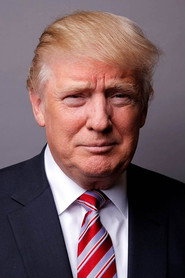 Donald TrumpSelf (archive footage)
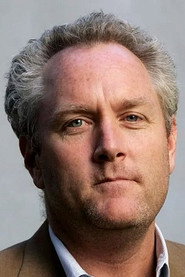 Andrew BreitbartSelf (archive footage)
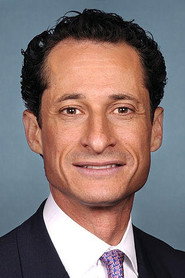 Anthony WeinerSelf (archive footage)
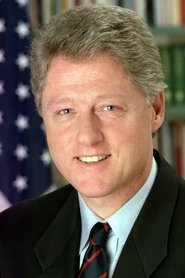 Bill ClintonSelf (archive footage)
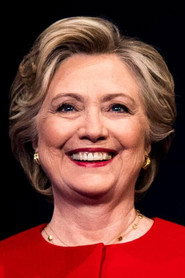 Hillary ClintonSelf (archive footage)
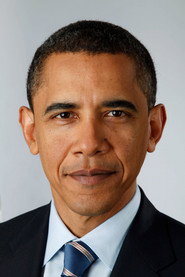 Barack ObamaSelf (archive footage)
Directing
- Errol MorrisDirector
Production
- Angela MinutyCo-Producer
- Joshua KearneyCo-Producer
- Molly RokoszCo-Producer
- Errol MorrisProducer
- Marie SavareProducer
- P.J. van SandwijkProducer
- Robert FernandezProducer
- Steven HathawayProducer
Recommended by
Get Me Roger Stone, Accidental Courtesy: Daryl Davis, Race & America, Hot Girls Wanted