
Film
Accidental Courtesy: Daryl Davis, Race & America
A Black musician who has befriended dozens of KKK members explores whether personal connection can dismantle racism. Daryl Davis's quiet, patient method—sitting down over coffee to ask *why*—generates discomfort in viewers who expect either confrontation or easy redemption. Fascinating and troubling, often both at once. For anyone wrestling with how change actually happens.
Should you watch it?
Watch it if you want a conversation about hatred that stays patient and curious rather than furious, where sitting down and listening does as much of the work as any argument.
Skip it if you need your documentaries to hit hard and fast, since this one is a loose, talky journey of conversations that circles its questions more than it settles them.
What it asks of you: Settle in for ninety-five minutes where much of the running time is people talking face to face, and the mood stays measured rather than angry.
Not sure? Find tonight's pick in a minute.
If you liked this
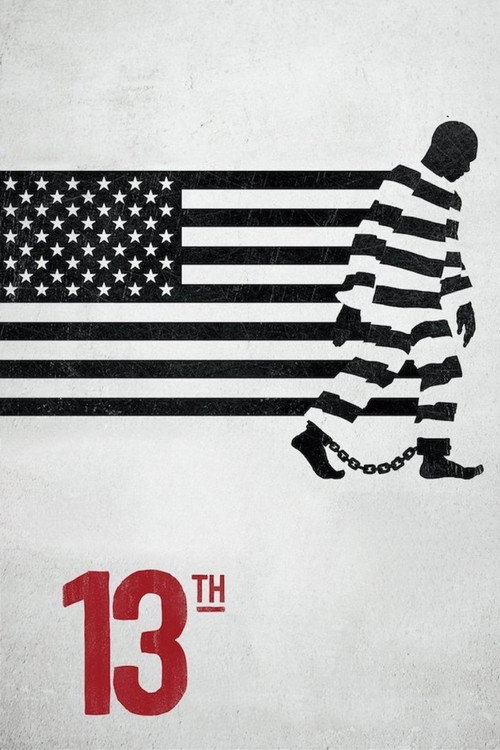
13th2016
Ava DuVernay's essential documentary traces the legal architecture of American racism from slavery through mass incarceration, providing the structural context that Davis's personal approach cannot reach alone.
But It is dense, historically heavy, and relentlessly damning—there is no comfort offered, only clarity.
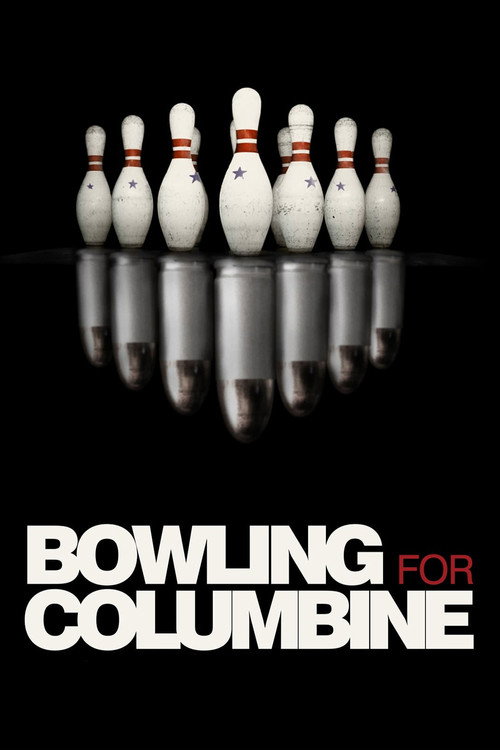
Bowling for Columbine2002
Michael Moore investigates gun violence and American fear, including a memorable ambush of Charlton Heston. Like Davis, Moore seeks out people he disagrees with, but with theatricality and rage rather than patience.
But Moore's manipulative editing style and smug righteousness grate on many viewers, and his conclusions feel easy in ways Davis's refuse to be.
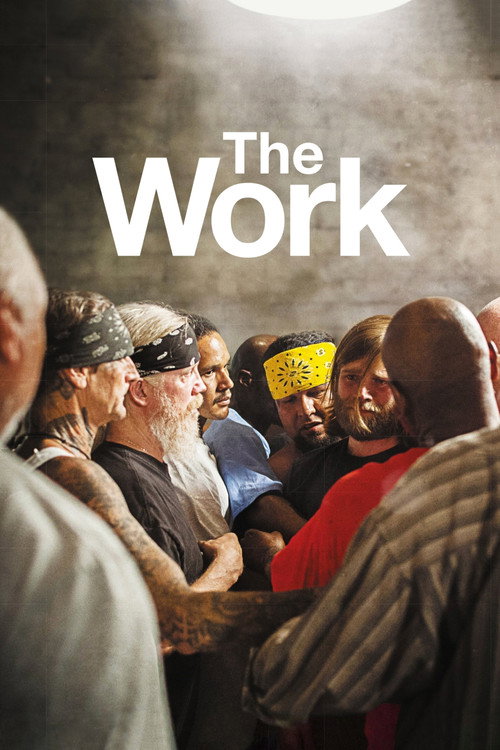
The Work2017
Inside a California maximum-security prison, a four-day restorative-justice workshop brings inmates and outside men together to confront violence and trauma. Extraordinarily raw, genuinely transformative.
But It is deliberately difficult to watch—intimate suffering without the distance a documentary normally provides—and some will find it exploitative rather than enlightening.
Not sure tonight? Get a pick in a minute, starting from Accidental Courtesy: Daryl Davis, Race & America
The wildcard
Something you would not have found on your own.
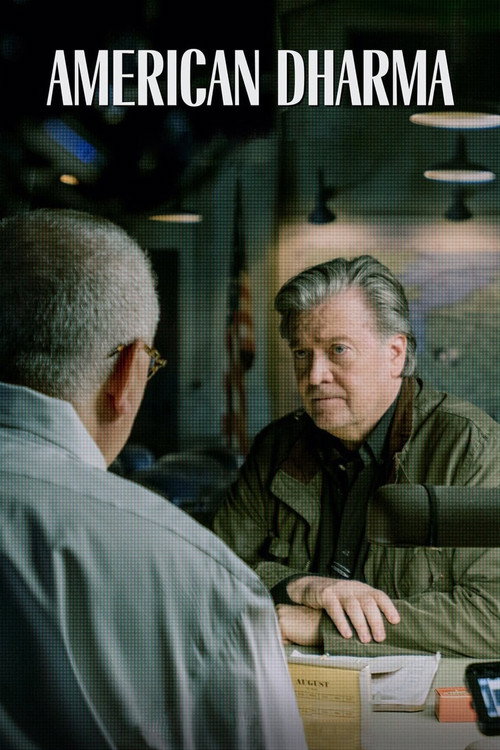
American Dharma2019
Both Davis and Morris believe that radical listening—without condition or performance—might reveal something about power and belief that confrontation cannot. Both films trust discomfort as a tool.
Errol Morris films Steve Bannon for over four hours, letting him speak without interruption or judgment. A formal inversion of activism: the filmmaker as witness rather than advocate, asking whether understanding requires surrendering moral distance.
But Many will find it obscene—giving Bannon a platform feels like a betrayal—and the film offers no counter-argument or moral clarity. Watching it may feel complicit.
More like this (3)
Murder on Middle Beach2020
A filmmaker investigates his own mother's unsolved murder while his family fractures. Explores how personal narrative and institutional indifference collide, and whether understanding ever equals resolution.
But It is deliberately unresolved and emotionally punishing, ending with more questions than answers.

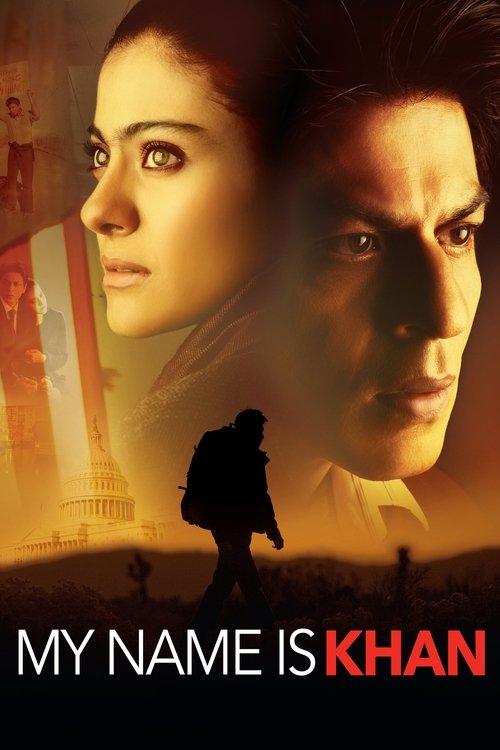
My Name Is Khan2010
Like Davis, Shah Rukh Khan's character believes individual acts of kindness can rewire collective prejudice. But where Davis documents, Khan's film commits fully to the fantasy of redemption through patience and love.
A Bollywood film about a Muslim man with autism who travels America post-9/11 to teach people that his name is not synonymous with terrorism. Melodramatic and hopeful in ways American documentaries rarely allow themselves to be.
But It is unapologetically sentimental, with musical numbers and romantic subplots, and operates in a register many Western viewers dismiss as uncomplicated or naive.
The Act of Killing2012
Both films bet that giving people space to articulate their own logic—without interruption—might crack it from within. Both resist easy judgment. But where Davis seeks understanding, Oppenheimer stages a mirror that forces recognition of atrocity.
Joshua Oppenheimer films the perpetrators of Indonesia's 1965 genocide as they re-enact their murders. A radical documentary that refuses moral positioning and instead makes killers confront themselves through performance and imagination.
But It is visually surreal and emotionally distressing, blending documentary, art film, and interrogation in ways that feel ethically queasy. Some will find it obscene to grant perpetrators this much creative agency.

People
Cast
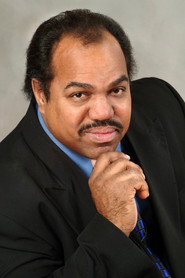 Daryl DavisSelf
- Kenneth NwadikePeace Activist
- Jeff SchoepSelf
- Michael Wood Jr.Self
Directing
- Matthew OrnsteinDirector
Recommended by
BlacKkKlansman, A Wedding, Holy Cow, Spark: A Burning Man Story