
Film
Holy Cow
- Vigilante
- Very dark
A fierce documentary investigation into two crises in contemporary India: the epidemic of violence against women and the rise of Hindu nationalist vigilantism targeting Muslims over cattle. Director Leena Yadav intercuts these parallel narratives to expose how one tragedy is ignored while another is weaponised for political gain. Essential, infuriating, necessary.
Should you watch it?
Watch it if you want a plainspoken documentary that lays two violent realities side by side and lets the juxtaposition do the arguing, in under an hour.
Skip it if you want a gentle entry point, because this arrives without cushioning and presents its evidence in hard, unrelenting detail.
What it asks of you: Its runtime is short, under an hour, but it asks you to stay with distressing material without relief and to hold two parallel horrors in mind at once.
Not sure? Find tonight's pick in a minute.
If you liked this
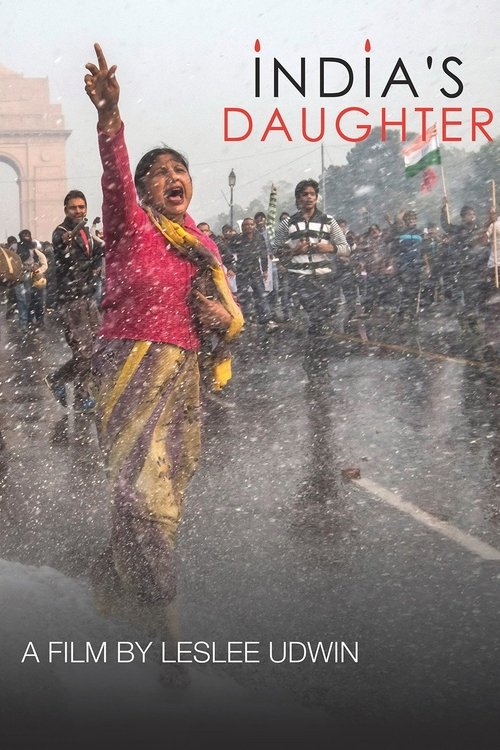
India's Daughter2015
Leslee Udwadia's documentary about the 2012 Delhi gang rape case that sparked global outcry. Confronts the same endemic misogyny and victim-blaming that fuels the violence Yadav documents here.
But Extremely difficult to watch. Features interviews with the convicted rapists and their lawyers that are deliberately dehumanizing and disturbing.
The Act of Killing2012
Joshua Oppenheimer's landmark film puts perpetrators of mass violence in front of the camera to stage their own atrocities. Same fearless approach to complicity and state-sanctioned brutality.
But Long, challenging, and morally complex in ways that can feel uncomfortable. Some find it exploitative rather than illuminating.

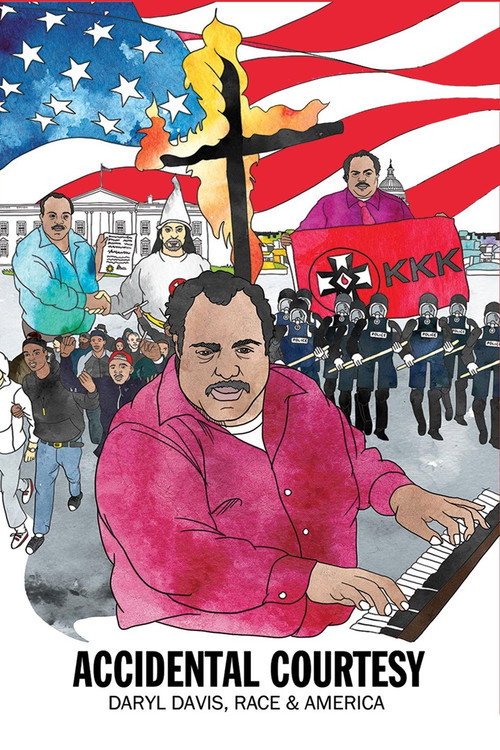
Accidental Courtesy: Daryl Davis, Race & America2016
A documentary about rapper Daryl Davis attempting to build dialogue with the KKK. Grapples with whether conversation is possible across ideological violence, relevant to Hindu-Muslim tensions.
But Some viewers feel it's too soft on hate groups or suggests false balance between extremism and its targets.
Not sure tonight? Get a pick in a minute, starting from Holy Cow
The wildcard
Something you would not have found on your own.
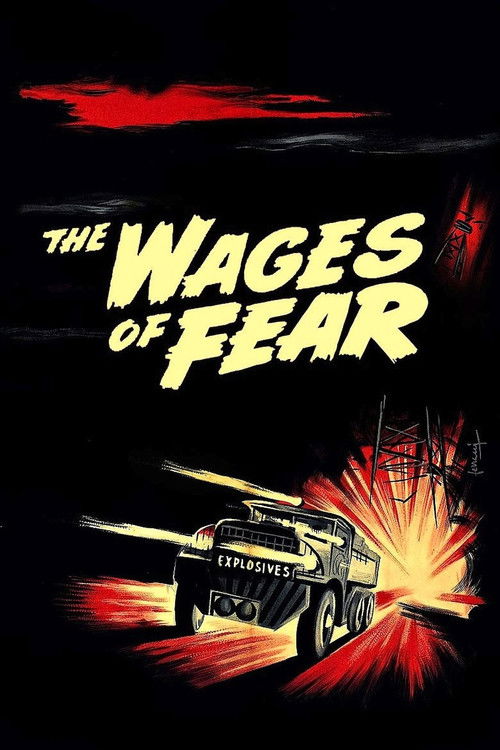
The Wages of Fear1953
Both are structural arguments about complicity: how systems make violence inevitable and ordinary people instruments of their own destruction.
Henri-Georges Clouzot's masterpiece about men transporting dynamite across a death-trap road. A parable about how ordinary people are coerced into complicity with systems that destroy them. That engine—the system that forces you into its machinery—powers Holy Cow's argument too.
But A 70-minute French noir. Slow build, black-and-white, almost no women. Patience required; thriller pleasure deferred.
More like this (4)
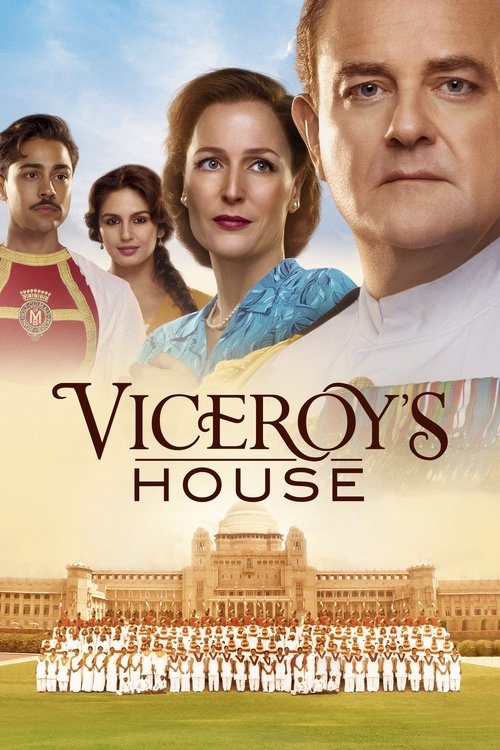
Viceroy's House2017
Pamela Sharpe's documentary returns to the root trauma of Indian independence and the Hindu-Muslim violence that defined it. Essential historical context for understanding present-day vigilantism.
But Archival and cerebral. If you want contemporary voices and immediate urgency, the pacing may feel remote.
The Killing of a Sacred Deer2017
Yorgos Lanthimos constructs a morality tale about culpability and violence that escalates in locked, suffocating spaces. A fictional mirror to documentary's unflinching exposure of systems that permit harm.
But Deliberately artificial and slow-burn. Some find the detached style glacial rather than gripping.

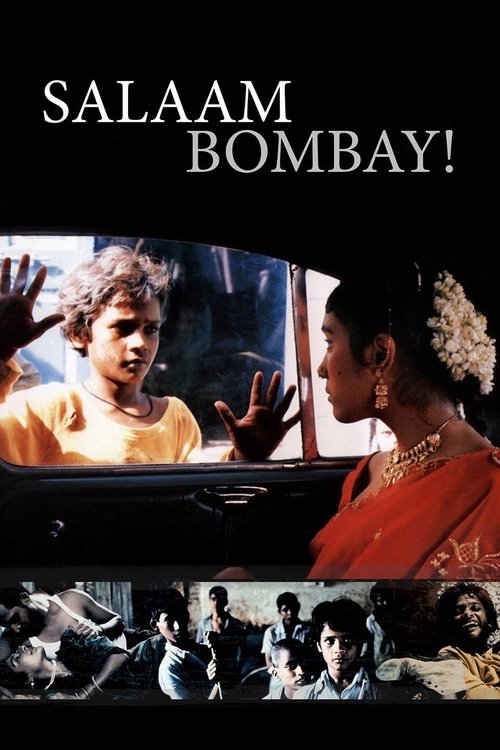
Salaam Bombay!1988
Same geography, same state apparatus that permits suffering. Uses fiction's intimacy to get under the skin of institutional violence in ways documentaries sometimes cannot.
Mira Nair's fiction film follows street children in Mumbai negotiating predation and casual brutality. Shot with documentary realism, it captures the texture of systemic indifference that no news story alone can convey.
But Emotionally punishing and claustrophobic. A fiction film that refuses uplift or resolution, leaving you angry rather than moved.
Night and Fog1956
Both investigate how systems built on dehumanisation persist in plain sight, how architecture and routine become instruments of erasure, and how indifference is the worst violence of all.
Alain Resnais' 32-minute essay-film compares the Nazi concentration camp architecture as it exists now—sunny, silent, emptied—against archival footage of the horror it contained. The ultimate model for how to make complicity visible without false solutions.
But A short film about the Holocaust. Genuinely devastating. There's no levity, no away-from-screen moment. Watch only if you're ready for it.
People
Directing
- Candice VallantinDirector