
Television series
Murder on Middle Beach
- Cold-case mystery
- Crime
- Family drama
- Very dark
A son investigates his mother's unsolved murder in his Connecticut hometown, turning his camera on family and friends to chase leads through eight years of dead ends and devastating secrets. It's intimate and paranoid by turns—less true-crime procedural than portrait of a family fracturing under scrutiny. For anyone drawn to mysteries that matter because the people in them matter.
Should you watch it?
Watch it if you like slow, patient true-crime documentaries where the investigation is personal and the camera stays with a grieving person who is also asking uncomfortable questions about his own family.
Skip it if you want a tidy procedural with a clear sense of progress, since this one lingers on family grudges and gossip rather than forensic momentum.
What it asks of you: Four episodes of about an hour each, which is a manageable evening, but the interviews circle back slowly and the mood stays sober from start to finish.
Not sure? Find tonight's pick in a minute.
If you liked this
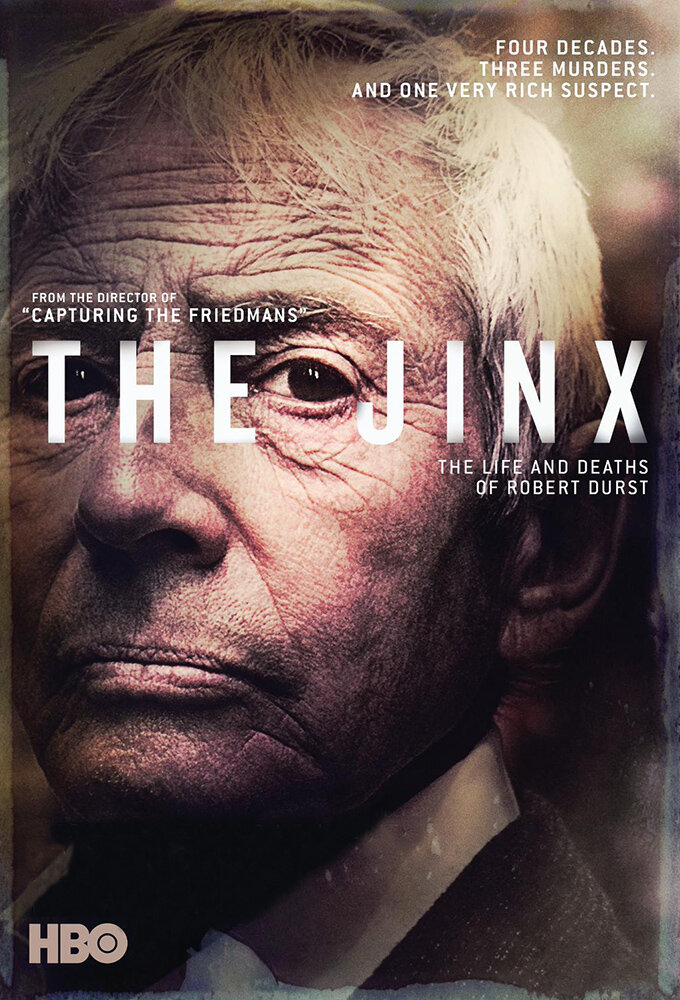
The Jinx: The Life and Deaths of Robert Durst2015
Andrew Jarecki's HBO miniseries follows a real estate heir through decades of suspected murders with the same embedded, intimate access. It's gripping true crime that lets the investigation unfold in real time, revealing character through obsession.
But The subject is deeply unsettling and the series doesn't always provide the catharsis of resolution. It demands patience and tolerance for ambiguity.
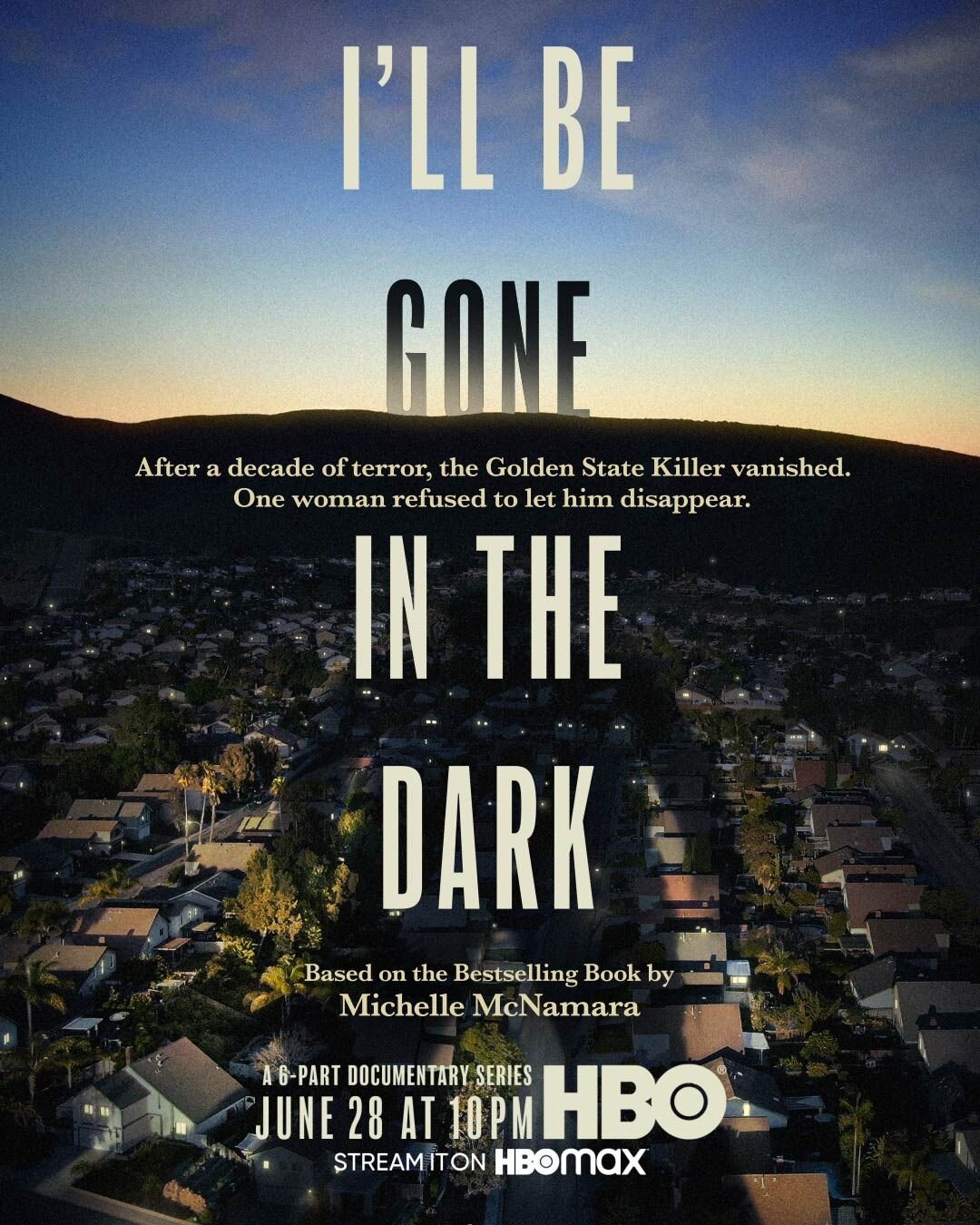
I'll Be Gone in the Dark2020
Michelle McNamara's obsessive hunt for the Golden State Killer becomes a meditation on grief, obsession, and what happens when a civilian detective gets too close. Raw, vulnerable, and structurally daring in how it handles her death mid-investigation.
But It's heavy on the emotional toll of the search, not the procedural satisfaction of answers. Some viewers find the focus on McNamara herself distracting from the case.
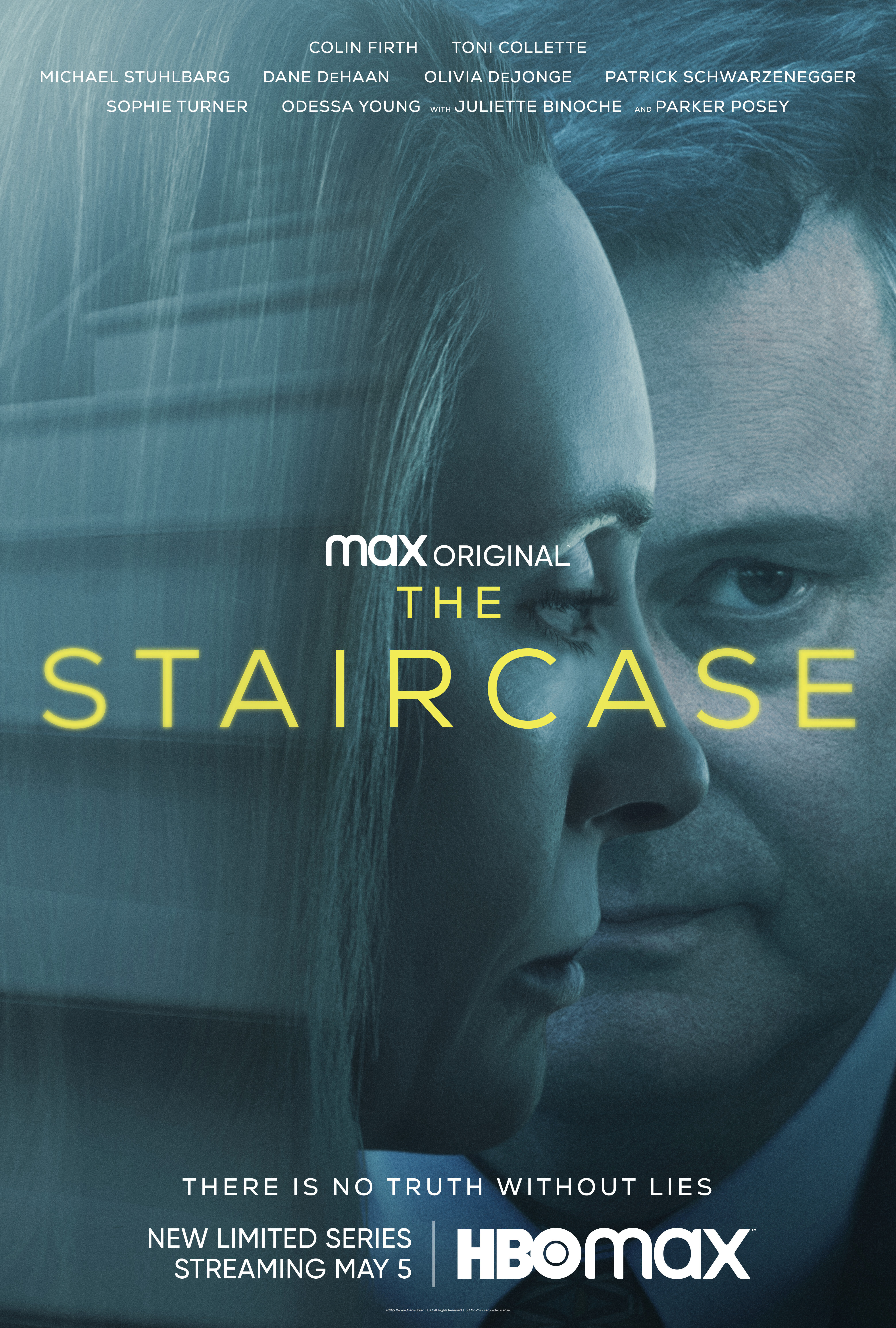
The Staircase2022
Jean-Xavier de Lestrade's series about Michael Peterson's murder trial uses courtroom footage, interviews, and family perspective to explore reasonable doubt and the stories we tell about ourselves. It's methodical and genuinely uncertain.
But At thirteen hours it demands real commitment. And the victim becomes almost abstract against the legal machinery and Peterson's narrative.
Not sure tonight? Get a pick in a minute, starting from Murder on Middle Beach
The wildcard
Something you would not have found on your own.
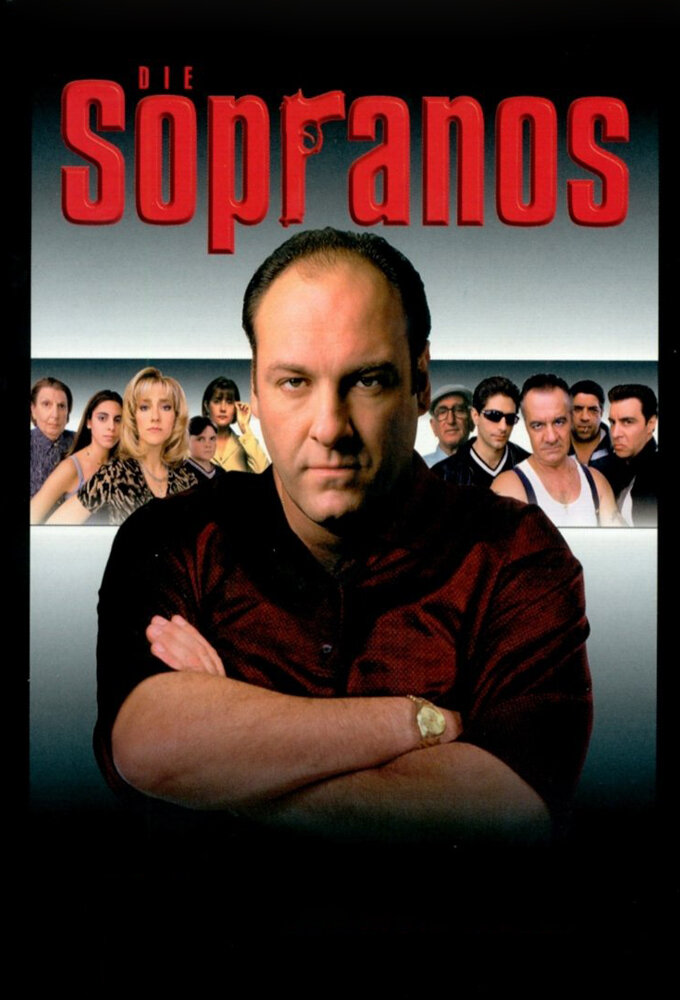
The Sopranos1999
Both examine how family mythology crumbles under scrutiny, and how the person investigating pays the price for knowing too much.
Chase's series is about a man trying to hold together a family and a criminal enterprise through therapy and denial. Like Madison's investigation, it's about the gap between who we think our family is and who they actually are—and the cost of looking.
But It's long (86 episodes) and domestic violence and brutal crime are woven through it. The ending refuses catharsis in ways that enrage some viewers.
More like this (7)
Making a Murderer2015
The Avery case unfolds through donated evidence and interviews that build a portrait of rural Wisconsin institutional failure. Beautifully shot for a documentary, with a creeping sense of wrongness that's hard to shake.
But Heavy-handed editing that guides you toward conclusions some viewers contest. The scope is massive—two seasons, 10 hours—and answers remain elusive.
Dear Zachary: A Letter to a Son About His Father2008
Kurt Kuenne's intimate documentary about his murdered friend becomes something far stranger and more devastating. It's a family tragedy that hinges on love, terrible decisions, and a son who never asked to be part of the story.
But The tonal shifts are jarring and the final act is genuinely upsetting. It's more emotional wallop than investigative satisfaction.
The Night Of2016
HBO's miniseries about a murder investigation that may have the wrong suspect is character-driven and morally murky. Riz Ahmed is extraordinary, and the show cares as much about system failure as it does about guilt or innocence.
But It's a slow burn that doesn't solve things neatly. If you want clarity and justice, this will frustrate you.
Conversations with a Killer: The Ted Bundy Tapes2019
Joe Berlinger's series uses Bundy's own recorded confessions as narration, making you sit with the killer's version of events while archival material and interviews cut underneath. Formally inventive and deeply unsettling.
But It's grotesque by design. Bundy's charm and narcissism are seductive on purpose, and some viewers find that problematic or simply exhausting.
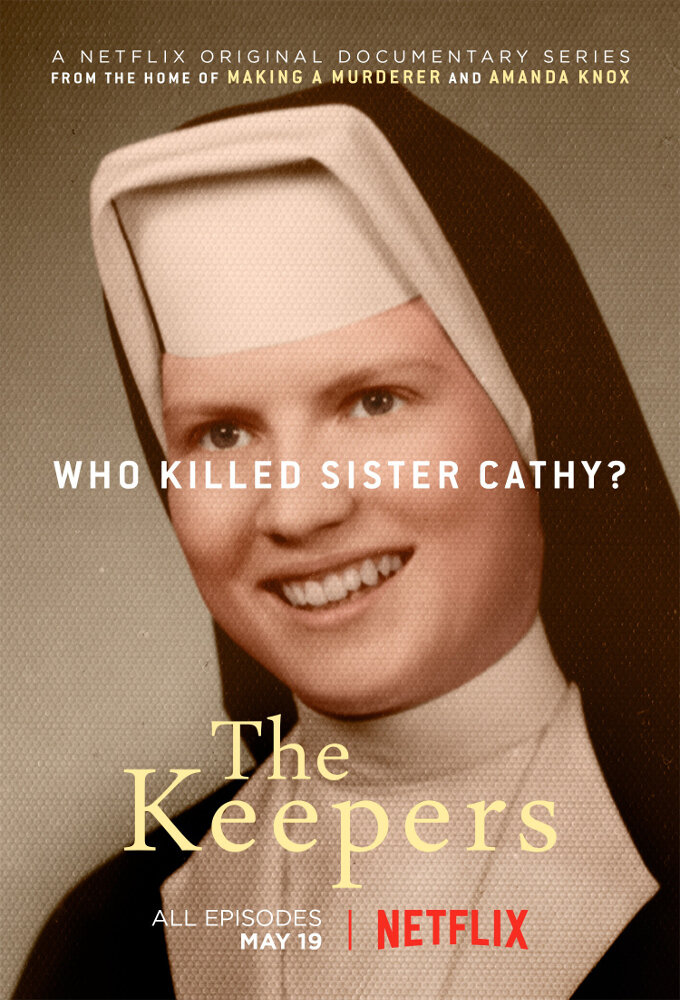
The Keepers2017
Two Baltimore women investigate the 1969 murder of their nun teacher, uncovering abuse and institutional cover-up. It's about how secrets survive in communities, and what it costs to tell them.
But Sexual abuse is central to the narrative. The case remains unsolved and the investigation raises questions it can't answer.
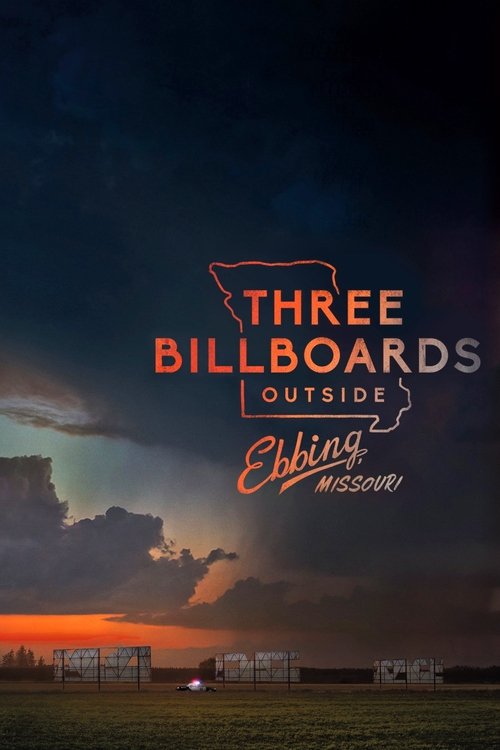
Three Billboards Outside Ebbing, Missouri2017
Both are about a family member's obsession with an unsolved murder, and what that obsession does to the person wielding it and the community around them.
Martin McDonagh's film is about a mother's rage at an unsolved murder, directed at the police who won't help. It's funny and furious and morally complicated, about how communities fail victims and families fracture under the weight of grief.
But It's a fiction, not a real case, so the stakes feel different. And its darkly comic tone won't work for everyone given the subject matter.
The Act of Killing2012
Both use documentary's embedded access to explore how communities bury dark truths, and what happens when someone insists on excavating them.
Joshua Oppenheimer's documentary asks Indonesian death squad leaders to reenact their mass murders for the camera. It's about complicity, memory, and how perpetrators justify atrocity. Structurally radical and philosophically disturbing in the best way.
But It's extremely difficult—genocide reenacted with the perpetrators' permission and participation. No neat moral answers. Requires serious emotional stamina.

People
Production
- Ron NyswanerExecutive Producer
Recommended by
Accidental Courtesy: Daryl Davis, Race & America, The Brandon Teena Story, Atlanta's Missing and Murdered: The Lost Children