
Film
Notebook on Cities and Clothes
- Slow-burning
Wim Wenders and Yohji Yamamoto discuss creativity, identity, and how cities shape both fashion and cinema. It's a philosophical conversation filmed as visual essay—intimate, digressive, never quite settling. For anyone fascinated by how artists think, or how the mundane world becomes aesthetic material.
Should you watch it?
Watch it if you find yourself drawn to designers talking about their craft in long, unhurried conversation, and you enjoy watching a filmmaker's curiosity about how a city shapes the way people dress.
Skip it if you want a documentary with a clear story arc, lively editing or plenty of outside voices, since this one mostly stays in two people's company and wanders on purpose.
What it asks of you: Expect a slow, reflective rhythm over roughly eighty minutes, with long pauses and your full attention on ideas rather than on any plot to follow.
Not sure? Find tonight's pick in a minute.
If you liked this
Sans Soleil1983
Chris Marker's essayistic masterpiece about memory, travel, and image-making. Like Wenders, Marker thinks cinema itself is a tool for philosophy—digressive, poetic, building meaning through juxtaposition rather than argument.
But It's deliberately fragmented and abstract. There's no plot, no climax, just a voice and images. Patience required.

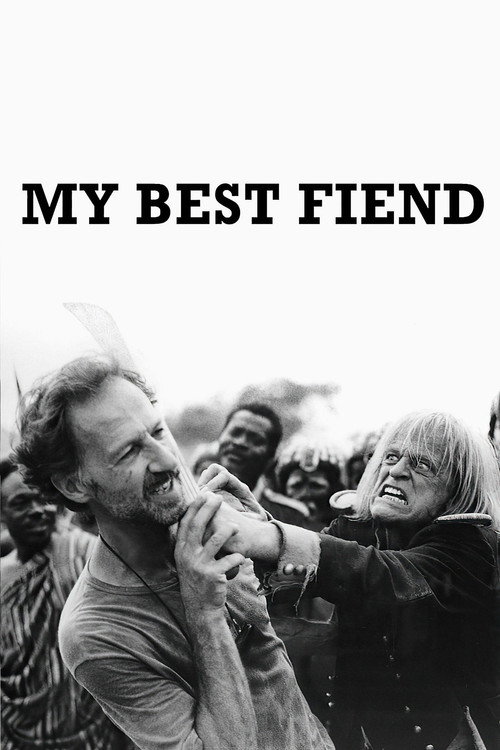
My Best Fiend1999
Werner Herzog documenting his friendship with Klaus Kinski—another artist dissecting creation through relationship. It's funny, sad, and endlessly curious about what drives people to make things. Pure creative conversation on film.
But It's narrow in scope and very German. If you don't care about the Herzog-Kinski dynamic, there's no safety net.
Synecdoche, New York2008
Charlie Kaufman meditating on art, identity, and how we construct meaning from the world around us. Dense, self-reflexive, obsessed with the relationship between the real and the representational—exactly Wenders' territory.
But It's deliberately confusing and emotionally exhausting. Some find it self-indulgent rather than illuminating.

Not sure tonight? Get a pick in a minute, starting from Notebook on Cities and Clothes
The wildcard
Something you would not have found on your own.
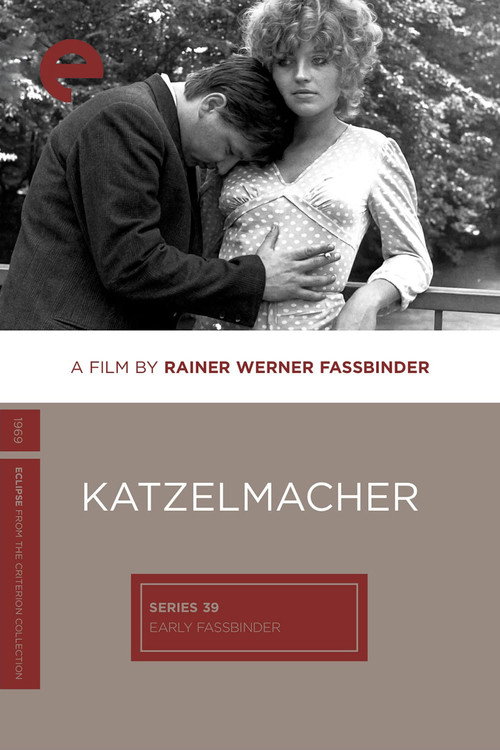
Katzelmacher1969
Both films use cities and visual appearance as primary subjects rather than as backdrop. Both ask how we become visible, readable, legible to others through space and presentation.
Rainer Werner Fassbinder's debut: a film about a Greek immigrant in Munich, cities as sites of belonging and alienation. Pure style over plot, identity constructed through dress and position. The spiritual grandfather of thinking about how clothes and place make us.
But Shot in black-and-white on what looks like a stage. Deliberately artificial and formally austere. Fassbinder's early work can feel cold.
More like this (7)
Tokyo Story1953
Ozu's quiet meditation on family, aging, and how cities contain both change and timelessness. The film itself is a kind of notebook—observational, patient, finding philosophy in everyday moments and spaces.
But Almost nothing happens. If you need plot momentum or emotional catharsis, this will feel like watching paint dry.

Stalker1979
Tarkovsky's vision of a guide leading people through a mysterious zone toward desire. Metaphysical, slow, utterly concerned with how space and journey shape consciousness. Cinema as meditation rather than entertainment.
But Ten minutes of walking, then another ten. Hypnotic for some, torpor-inducing for others. You cannot skim it.

In the Mood for Love2000
Wong Kar-wai transforms Hong Kong apartments and streets into emotional landscapes. Visually gorgeous meditation on desire, identity, and how cities both enable and constrain connection. Fashion as character.
But Plot is minimal and pacing glacial. If you watch for story momentum, you'll frustrate yourself.

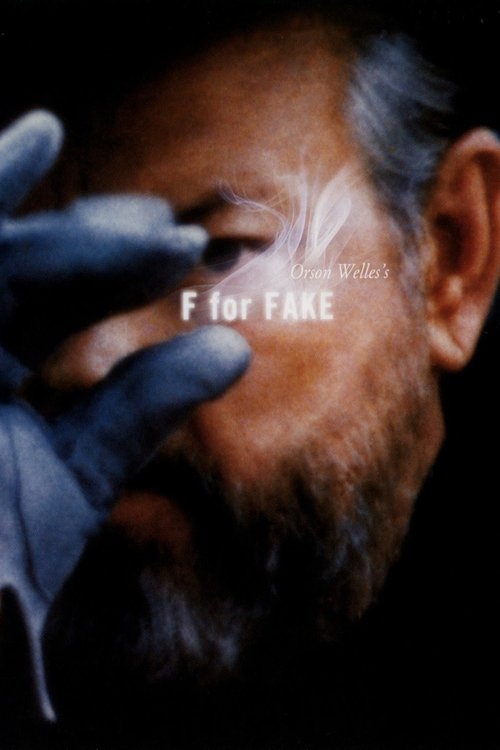
F for Fake1973
Orson Welles making an essay about art, forgery, and authenticity. Meta, playful, endlessly inventive about what cinema can do. A film about creation talking to you about creation.
But Deliberately tricky and sometimes arch. It can feel more clever than moving, and the structure might feel show-offy.
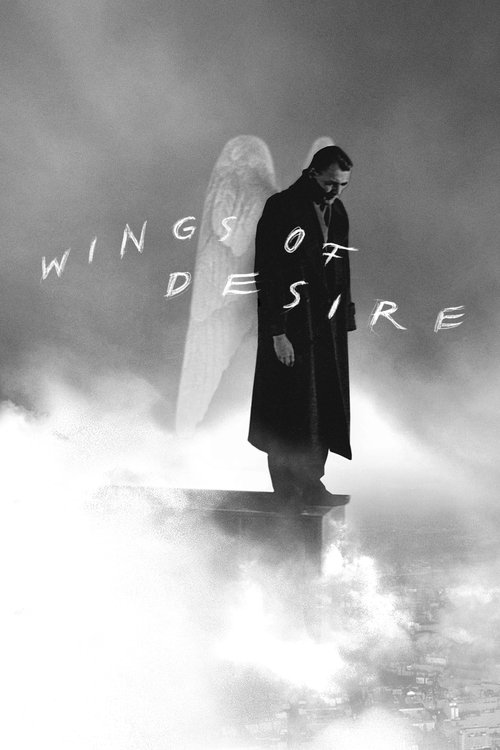
Wings of Desire1987
Wenders' own meditation on Berlin, identity, and spectatorship. Angels watching the city, cities as repositories of human meaning. If you love the ideas here, seeing Wenders' visual grammar is essential context.
But It's mystical and oblique rather than concrete. The angelic framing turns some viewers off immediately.
The Act of Killing2012
Documentary about perpetrators of Indonesian genocide asked to reenact their crimes. Extraordinary exploration of how people construct identity and narrative to survive moral contradiction. Cinema as uncomfortable mirror.
But Extremely heavy, sometimes exploitative-feeling, and morally disorienting by design. Not a casual watch.

The Red Shoes1948
Where Wenders talks about creativity, Powell shows it through pure cinema—color, movement, and visual storytelling. Both filmmakers treat fashion and design not as decoration but as the substance of artistic identity.
Michael Powell and Emeric Pressburger's fever dream about a dancer, a composer, and the obsessive making of art. Gaudy, passionate, visually intoxicating. Fashion, design, and movement as profound as any dialogue about creativity.
But It's theatrical to the point of camp, and the gender dynamics are deeply uncomfortable. The romance plot is also thin and troubling.

People
Cast
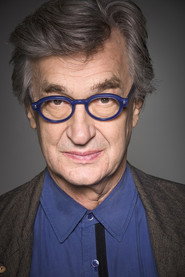 Wim WendersSelf
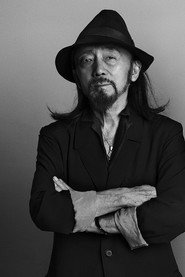 Yohji YamamotoSelf
Directing
- Wim WendersDirector
Writing
- Francois BurkhardtIdea
- Wim WendersWriter
Production
- Ulrich FelsbergExecutive Producer
- Wim WendersProducer
- Dagmar ForelleProduction Manager
- Catherine GravereauxProduction Secretary
- François MallardUnit Manager