
Film
Katzelmacher
- Social drama
- Slow-burning
Fassbinder's debut is a radiantly shot study of suburban boredom and casual cruelty. A Greek immigrant arrives in a Munich housing complex and becomes the lightning rod for the prejudices of restless locals with nothing to do but gossip and perform their resentments. Shallow, observant, funny in a way that lands like a slap.
Should you watch it?
Watch it if you like cool, stylized films where stillness and stiff, deliberate performances let small cruelties of gossip and boredom build into something uncomfortable.
Skip it if you need plot momentum or warmth from your characters, since the people here are sullen and the repetition is deliberate and can feel airless.
What it asks of you: Ninety minutes of patience with a camera that mostly holds still on one building front; the rhythm is repetitive and slow, so attention matters more than action.
Not sure? Find tonight's pick in a minute.
If you liked this
In a Lonely Place1950
Ray's portrait of a violent man and the woman drawn to him anticipates Fassbinder's interest in desire and cruelty. Both films suggest that attraction doesn't require respect, and that recognizing this tells you something true about human nature.
But It's in black and white, made in Hollywood's golden age, and the pacing feels deliberate rather than contemporary. The emotional payoff requires patience.

American Beauty1999
Like Katzelmacher, it uses suburban spaces and bored neighbours to explore how quickly a community turns on an outsider. Both are savage about what hides behind lawn-mowing and polite hellos.
But American Beauty is glossier and more obviously about male rage. It hits harder on first viewing but wears less well. Fassbinder trusts you more.

La Haine1995
Another film about a community circling an outsider figure, but from the perspective of the excluded. Shot in stark black and white, it captures the same economic frustration and aimless energy that makes Katzelmacher's young people so volatile.
But It's angrier and more overtly political. The mood is denser, less wryly observed. It doesn't have Fassbinder's cold distance.

Not sure tonight? Get a pick in a minute, starting from Katzelmacher
The wildcard
Something you would not have found on your own.
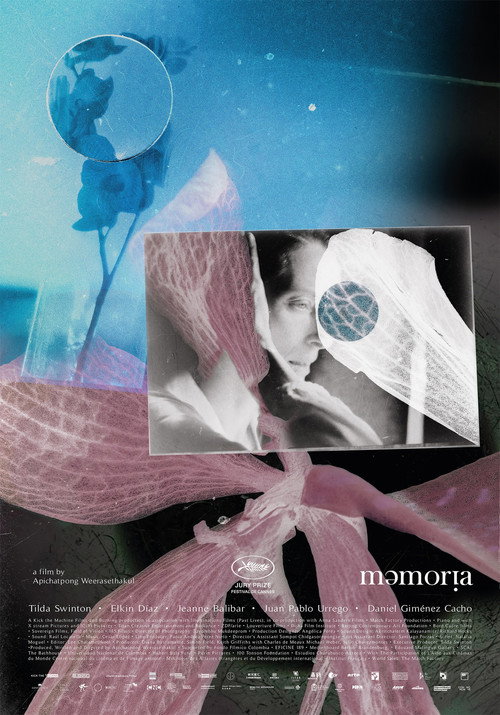
Memoria2021
Both films trust the camera to observe more than the script to explain. Fassbinder is his direct precursor.
Apichatpong's film about a woman hearing an unexplained sound is, like Katzelmacher, composed entirely of people existing in spaces. Minimal plot, maximal attention to how people occupy rooms and streets. The hypnotic cinematography and use of time is a direct inheritance.
But It's nearly three hours of scenes that seem to go nowhere. There are no explanations. Many viewers find it impenetrable or deliberately difficult. Patience is not optional.
More like this (7)
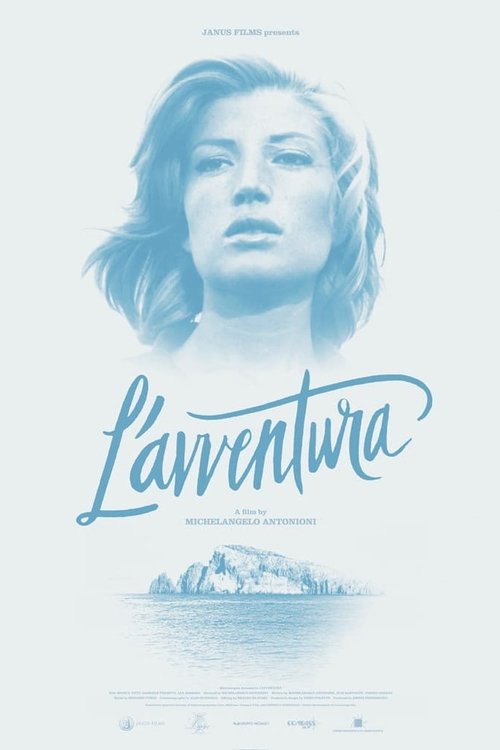
L'Avventura1960
Antonioni's meditation on surface and emptiness, on people filling time without purpose. The camera work is similarly luminous, and both films suggest that boredom and cruelty are often the same thing.
But It's almost three hours of people not much happening. Some find it profound; others find it tedious. The period style is very pronounced.
A Prophet2009
Audiard's prison drama shares Fassbinder's interest in how group dynamics shift when a newcomer arrives, and in the rituals people use to establish hierarchy. The intensity and the stakes are higher, but the pattern is recognizable.
But It's brutal and sustained in ways Katzelmacher isn't. The violence is real rather than suggested. It's a longer, more demanding watch.

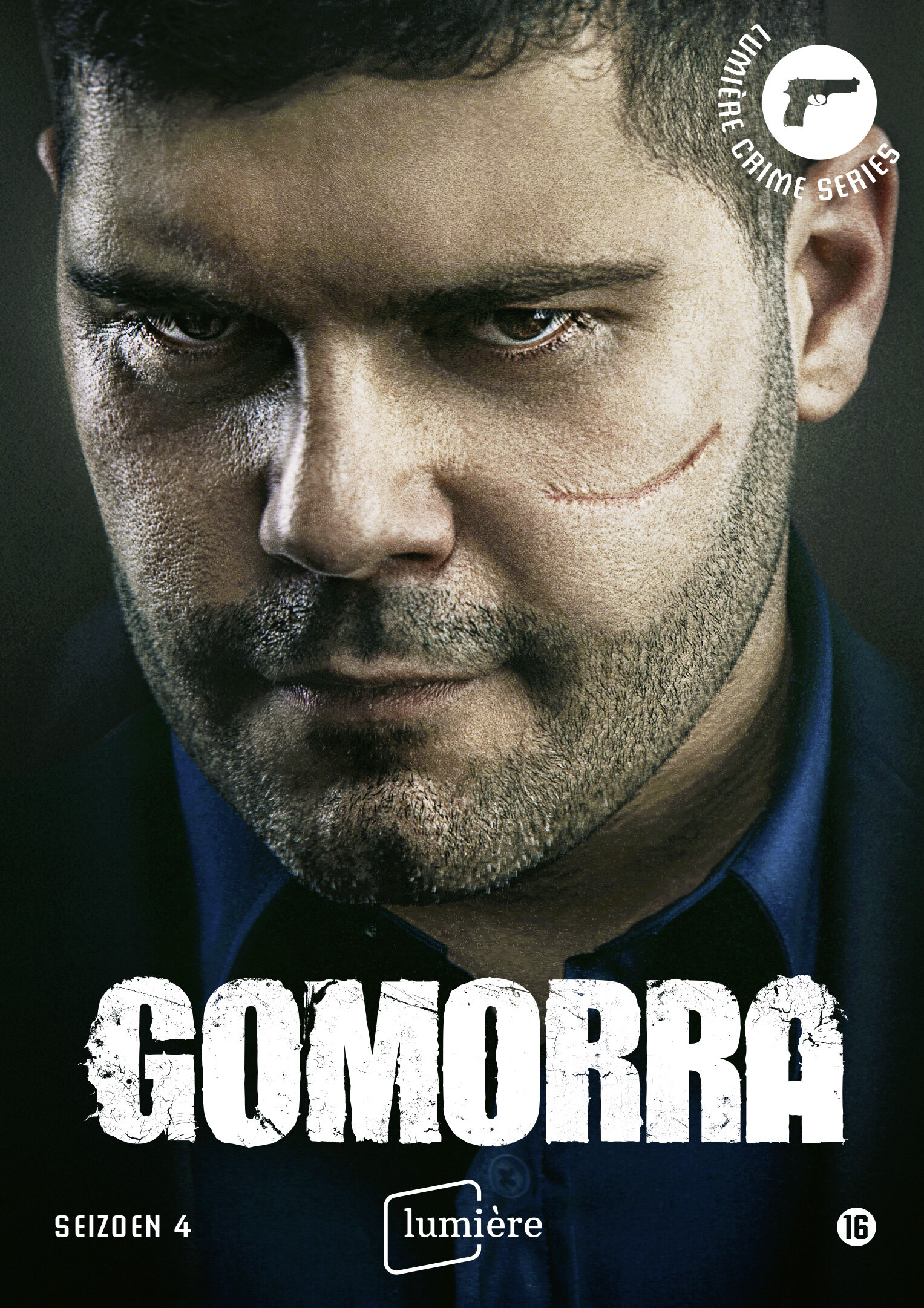
Gomorra: La Serie2014
Like Katzelmacher, it uses ensemble casting to examine how communities organize around power and resentment. The camera lingers on ordinary spaces and unguarded moments. It finds tragedy in people's smallness.
But It spans five seasons and is set in Naples's criminal underworld. The scope is vastly larger, the violence visceral. Katzelmacher is more intimate and contained.
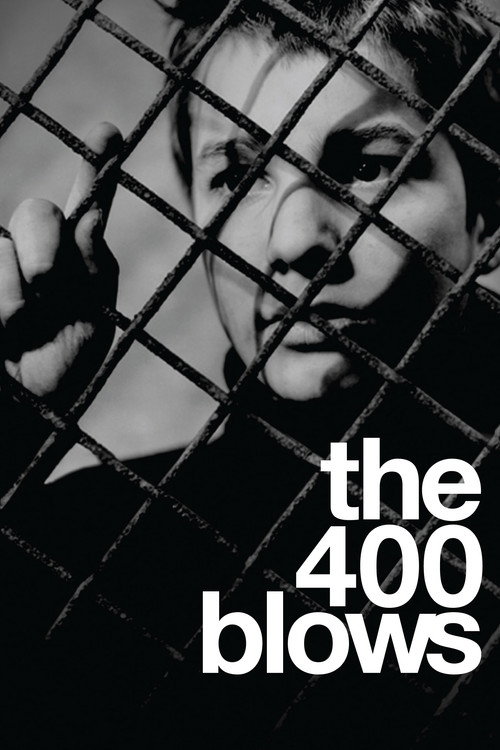
The 400 Blows1959
Truffaut's film about a boy adrift in Paris shares Fassbinder's eye for how cities can be suffocating even when open to you. Both find poetry in alienation and restlessness, and both make you feel the tedium.
But It's a coming-of-age film with a different emotional register—sadder, more romantic about youth. The tone is warmer even when the content is bleak.
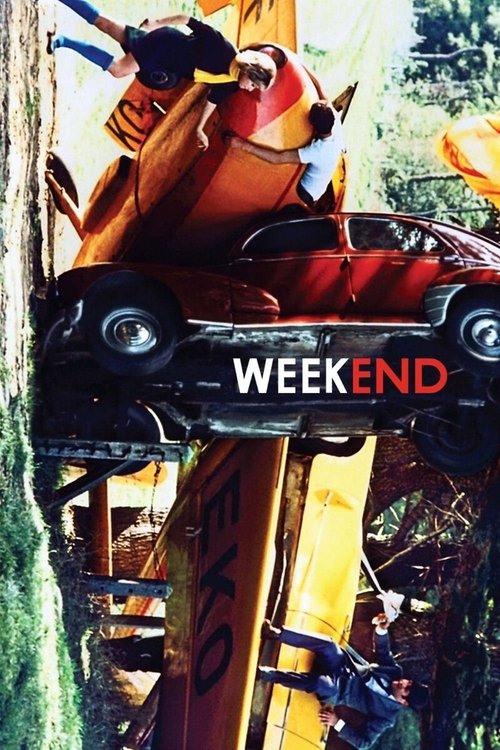
Weekend1967
Godard's apocalyptic take on suburban ennui and casual violence. Like Katzelmacher, it suggests that boredom is a form of aggression, and that French or German society is closer to barbarism than it admits.
But It's an experimental collage, fractured and often deliberately ugly. If you want narrative clarity and character development, you won't find them. It can feel like an assault.
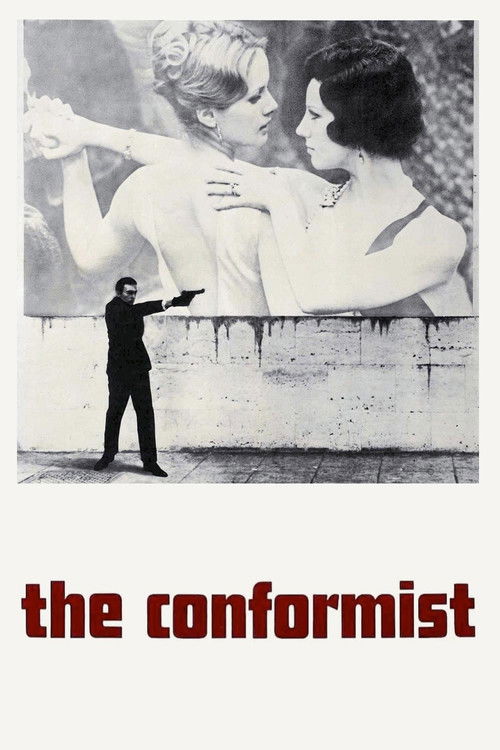
The Conformist1971
Both were made in 1969-70 by young directors using formal rigor to examine how groups absorb and expel outsiders. Bertolucci is more explicitly political; Fassbinder more cruelly funny.
Bertolucci's nearly simultaneous work is about how individuals vanish into group conformity. It's shot in intoxicating colour and uses composition to show how ideology literally shapes how we see. The themes are deeper but the visual language is cousins.
But It's about fascism and sexual politics in 1930s Italy. The narrative is baroque and not always clear. The beauty of the cinematography can distract from the story if you're not tracking carefully.
Stalker1979
A radically different film in every practical way, but animated by the same belief that cinema should use time and space as its primary language rather than story.
Tarkovsky's science-fiction film is also about people in spaces, waiting and observing. The pacing is glacial, the camera patient. Like Katzelmacher, it finds profundity in surfaces and suggests that how we look at the world tells us what the world is.
But It's 163 minutes long, in Russian, shot in the early 1980s Soviet Union, and there is essentially no plot. It requires absolute surrender to atmosphere. Many viewers will find it punishing.

People
Cast
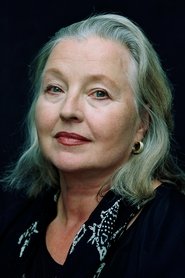 Hanna SchygullaMarie
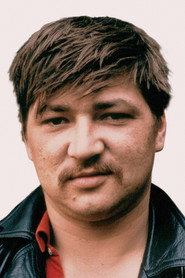 Rainer Werner FassbinderJorgos
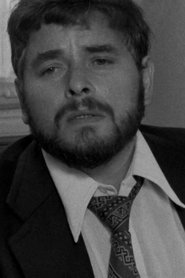 Hans HirschmüllerErich
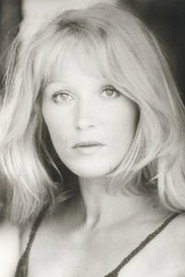 Lilith UngererHelga
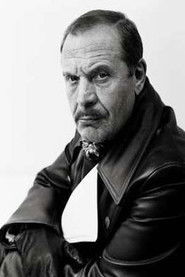
- Elga SorbasRosy
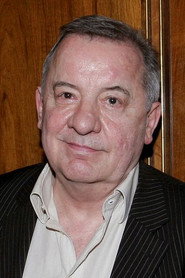 Harry BaerFranz
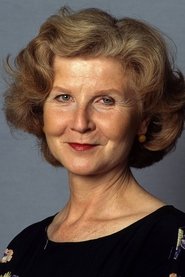 Irm HermannElisabeth
- Peter MolandPeter
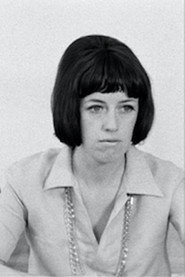 Doris MattesGunda
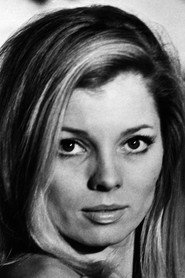 Katrin SchaakeFrau mit Cabrio
- Hannes GromballKlaus
Directing
- Michael FenglerAssistant Director
- Rainer Werner FassbinderDirector
Writing
- Rainer Werner FassbinderScreenplay
- Rainer Werner FassbinderTheatre Play
Production
- Peer RabenProducer