
Film
Lightning Over Water
Wim Wenders documents his dying friend Nicholas Ray's attempt to make one last film. It's a portrait of artistic will against mortality, part creative collaboration, part intimate vigil. Tender and unsentimental, it's about what you do when time is running out and the work is all you have left. For anyone who's thought about legacy, friendship, or the obsession that drives artists.
Should you watch it?
Watch it if you are drawn to films about the making of films, where the process itself becomes the subject and an unfinished idea is allowed to stay messy and personal.
Skip it if you want a documentary with a guiding narrator and firm conclusions; this loose, meandering piece, stitched from shoot footage and talk, can feel like sitting in on a set.
What it asks of you: Expect a slow, unhurried ride of around ninety minutes, with long stretches of conversation and wandering camera, asking you to stay patient while the picture takes shape.
Not sure? Find tonight's pick in a minute.
If you liked this
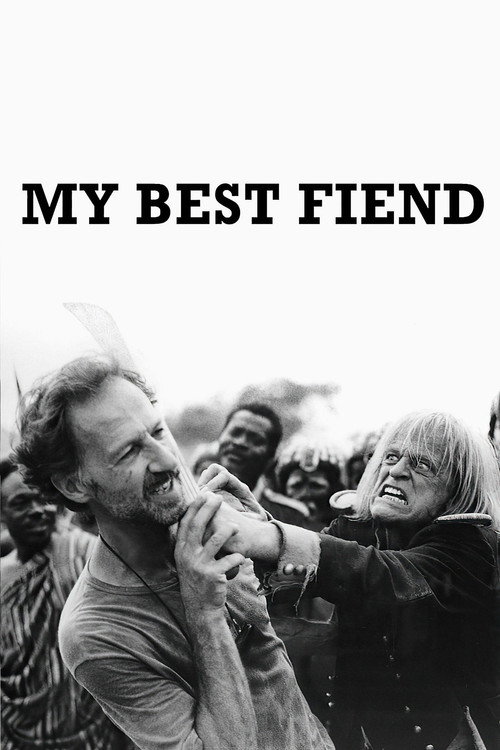
My Best Fiend1999
Werner Herzog's portrait of his legendary, combative friendship with Klaus Kinski. Like *Lightning Over Water*, it's about creative partnership forged in impossibility—two men who needed each other and drove each other mad.
But Herzog's narration is deadpan to the point of opacity. The documentary doesn't sentimentalize, which some find cold rather than moving.
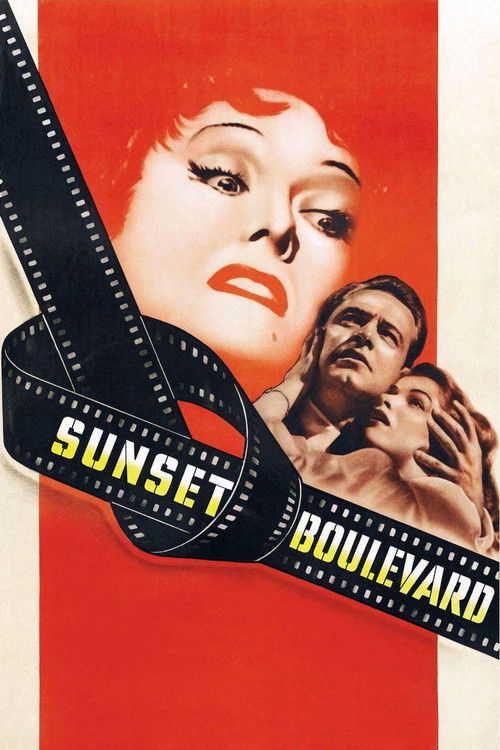
Sunset Boulevard1950
Billy Wilder's masterpiece about a fading silent-film star clinging to relevance in Hollywood. It's the fictional version of what *Lightning Over Water* documents in reality: artistic ambition refusing to accept obsolescence.
But It's pitch-black and cruel. If you want redemption or warmth, you won't find it here.
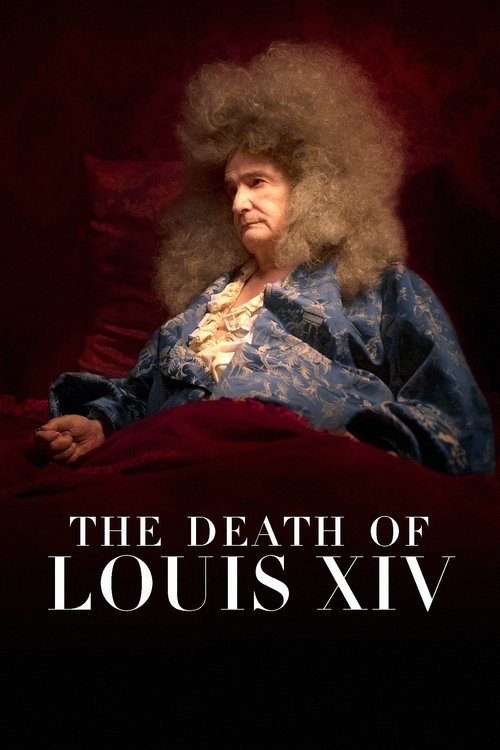
The Death of Louis XIV2016
Albert Serra's 2016 film (yes, about 1774) is a glacial, almost abstract meditation on a king's final hours. Like Wenders' film, it's interested in the texture of diminishment, not narrative drama. Hypnotic if you're in the mood.
But Nothing happens. It's 115 minutes of watching someone decline. If you need plot momentum, this will feel like punishment.
Not sure tonight? Get a pick in a minute, starting from Lightning Over Water
The wildcard
Something you would not have found on your own.
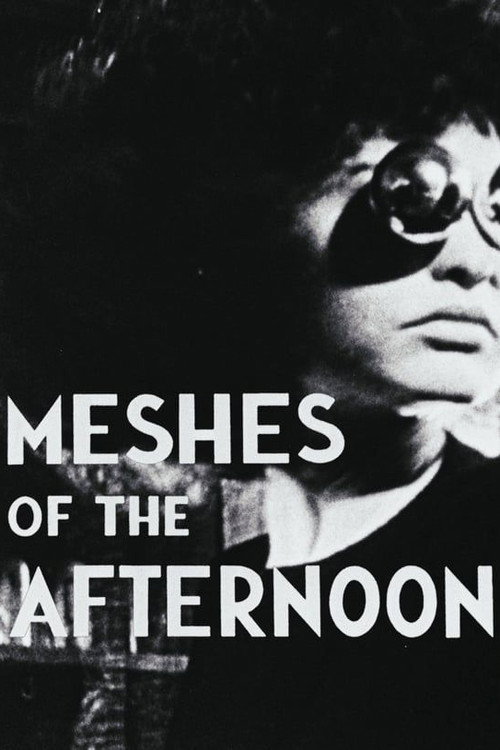
Meshes of the Afternoon1943
Both *Lightning Over Water* and Deren's film are about the act of making itself—the camera as a tool to externalize internal states. Where Wenders films Ray's actual final days, Deren films the texture of obsession before the film even begins.
Maya Deren's 14-minute avant-garde film is pure cinema—image and rhythm and obsession without narrative. It's a meditation on desire and repetition that feels like watching someone's thoughts rather than following a story. Hypnotic.
But There is no plot, no dialogue, no conventional sense of time. It's experimental in the fullest sense. Many viewers find it incomprehensible.
More like this (8)
Ikiru1952
Kurosawa's film about a dying bureaucrat who finally finds purpose in his last days. It shares *Lightning Over Water*'s meditation on mortality and legacy, but frames it as redemption rather than defiance. Extraordinarily moving.
But The second half tilts toward melodrama. Some viewers find the emotional crescendo manipulative after the film's careful quietness.

F for Fake1973
Orson Welles' final film is a dazzling essay about art, truth, and the filmmaker's own mortality. It has the same energy as *Lightning Over Water*: brilliant people improvising against time, making something urgent from fragments.
But It's deliberately chaotic and fractured. If you want clarity or a through-line, you'll spend the runtime frustrated.
Stories We Tell2012
Michael Birks' documentary about his family's secrets uses film itself as the method of discovery. It has *Lightning Over Water*'s intimacy—a camera pointed at people you love, trying to catch something true.
But The emotional revelation in the third act will feel manipulative if you resent being guided toward tears.
La Jetée1962
Chris Marker's time-travel essay is made almost entirely of still photographs, narration, and music. Like Wenders' film, it's about trying to stop time, but it does it formally—the medium itself becomes the subject.
But At 28 minutes, it's essayistic rather than narrative. If you expect a story, you'll feel cheated.
The Fountain2006
Darren Aronofsky's time-spanning meditation on love and mortality across three timelines. Formally ambitious and genuinely about death in a way mainstream cinema rarely allows itself.
But It's willfully obscure and emotionally exhausting. Some find it self-important; others find it profound. Prepare for division.
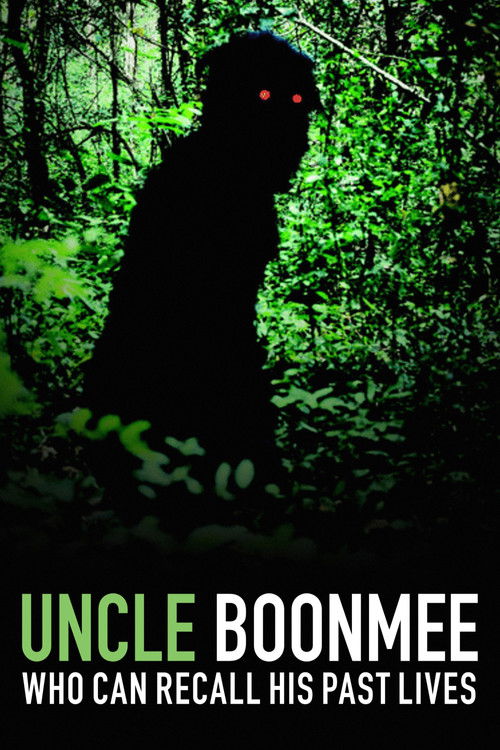
Uncle Boonmee Who Can Recall His Past Lives2010
Apichatpong Weerasethakul's film about an elderly man visited by the ghosts of his loved ones is slow, meditative, and haunted. It's about time and memory and the softness of endings.
But It's glacially paced and asks you to sit with absence. If you need engagement or momentum, you'll find this torturous.
A Ghost Story2017
Both films are about the impossibility of holding onto someone. But where *Lightning Over Water* is about what Ray *leaves behind* (his final work), *A Ghost Story* is about what doesn't leave—presence that remains, unchanged and unchanging.
David Lowery's extraordinary film about a ghost, a woman, and what persists after death. It's shot in a square ratio (like old TV), and it's patient with grief in a way cinema rarely permits. Devastating and strange.
But The pacing is deliberately, almost aggressively slow. There are long sequences of watching someone sit. It requires surrender, not engagement.

The Act of Killing2012
Both films use the camera and the act of filmmaking as moral interrogation. Wenders films Ray trying to make sense of his ending; Oppenheimer films men trying to make sense of what they've done. The camera is the conversation, not the document.
Joshua Oppenheimer's documentary asks Indonesian death-squad leaders to reenact their mass murders. It's formally experimental—documentary as collaboration, interrogation, fever dream. Morally serious and formally radical in equal measure.
But It's about genocide, and the reenactments are disturbing. The film asks you to watch perpetrators perform their own crimes. This is not entertainment.

People
Cast
 Wim WendersSelf
 Nicholas RaySelf
- Susan RaySelf
 Tom FarrellSelf
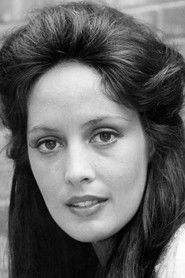 Ronee BlakleySelf
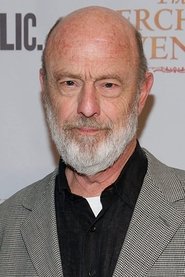 Gerry BammanSelf
- Pierre CottrellSelf
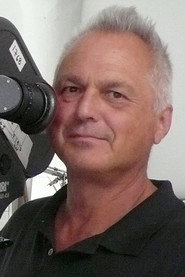 Stefan CzapskySelf
- Mitch DubinSelf
- Becky JohnstonSelf
- Tom KaufmanSelf
- Pat KirckSelf
Directing
- Pat KirckAssistant Director
- Nicholas RayDirector
- Wim WendersDirector
Writing
- Nicholas RayWriter
- Wim WendersWriter
Production
- Renée GundelachExecutive Producer
- Chris SievernichProducer
- Pierre CottrellProducer
- Wim WendersProducer
Recommended by
Trances, The Misfits, Nomad: In the Footsteps of Bruce Chatwin, Juvenile Court, Searching for the Wrong-Eyed Jesus, The State of Things