
Film
The State of Things
Wim Wenders' 1982 film about a stranded movie crew in Portugal becomes a meditation on art, money, and the fragility of creative dreams. It's deliberately paced and formally composed, more interested in existential dread than plot mechanics. For viewers who love cinema about cinema and don't mind slowness in service of mood.
If you liked this
Day for Night1973
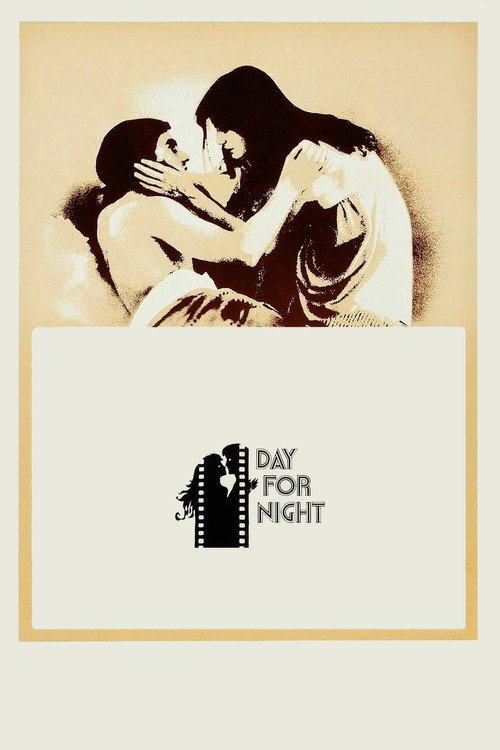
Truffaut's film-within-a-film captures the romance and chaos of movie-making with warmth and mischief. A blueprint for the genre, beautifully shot, endlessly quotable.
But It's lighter in tone than *The State of Things*—if you want Wenders' existential melancholy, this plays almost like a comedy by comparison.
8½1963
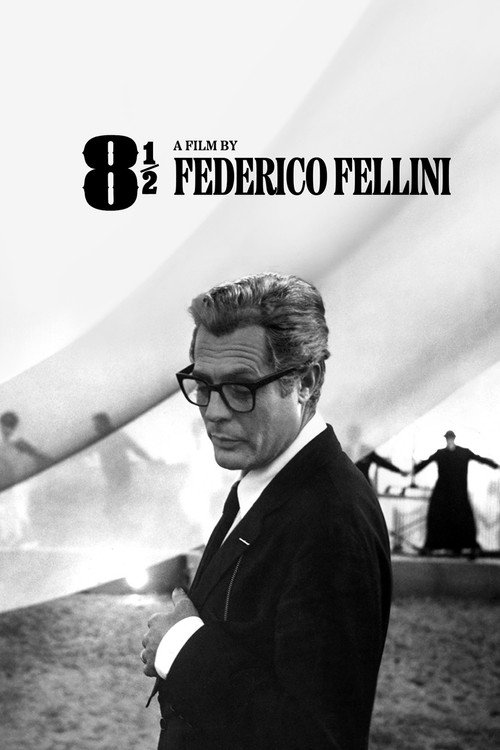
Fellini's masterpiece about a director's creative paralysis and moral reckoning. Visually extravagant, narratively bold, unforgettable. The obvious ancestor to both cinema-about-cinema films.
But Nearly four hours, non-linear storytelling, and a surreal register that demands active attention. Not a comfortable watch.
Contempt1963
Godard's film crew in Greece watches their production collapse under ego and money troubles. Brilliant color cinematography, theoretical arguments, a haunting Morricone score. Ruthlessly intelligent.
But The philosophical debates can feel self-indulgent, and the emotional core takes time to emerge. Requires patience with its own cleverness.

Not sure tonight? Get a pick in a minute, starting from The State of Things
The wildcard
Something you would not have found on your own.
The Seventh Seal1957
Both films treat the making of art—and the threat of its incompletion—as a metaphor for mortality and the search for meaning in an indifferent world.
Bergman's knight confronting death during the plague is cinema's definitive statement on mortality, meaning, and creation. Every frame is iconic; every scene resonates.
But The philosophical density and medieval setting might feel remote or heavy-handed. The famous chess-with-Death scene eclipses everything else in its shadow.

More like this (8)
Wings of Desire1987
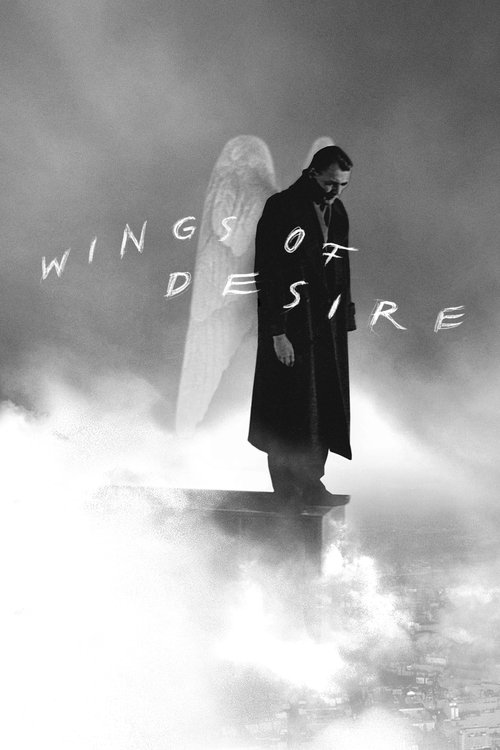
Wenders at his most poetic, observing Berlin and human longing through the eyes of angels. Formally daring, deeply moving, visually ravishing. Among cinema's most beautiful films.
But Abstract and digressive rather than plot-driven. Some may find the spiritual framework precious or the pacing dreamlike to the point of inertia.
My Own Private Idaho1991
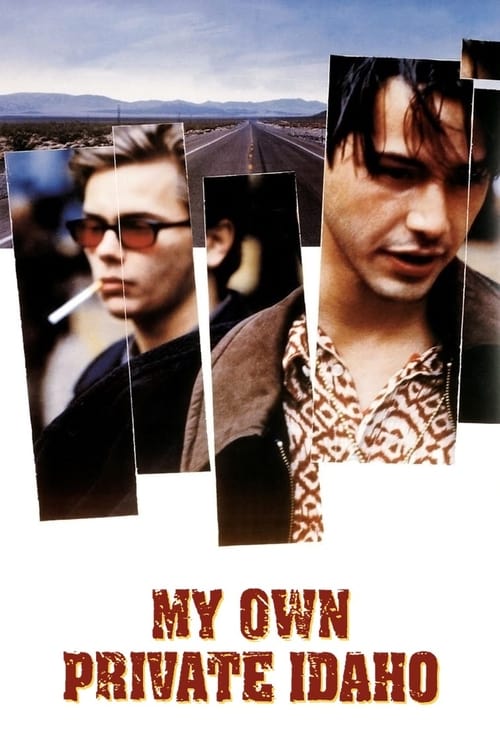
Gus Van Sant's portrait of male hustlers in Seattle is formally inventive and melancholic, mixing Shakespearean language with documentary realism. Heartbreaking and hypnotic.
But Deliberately elliptical editing and a structure that doubles back on itself can feel frustrating. Subject matter is grim and the film refuses easy catharsis.
Stalker1979
Tarkovsky's sci-fi parable about a guide leading strangers toward a mysterious room is patient, philosophical, and visually magnificent. A meditation on desire and meaning disguised as genre.
But Deliberately slow, nearly three hours, minimal plot. The philosophical register won't appeal to everyone, and the pace is the opposite of accommodating.

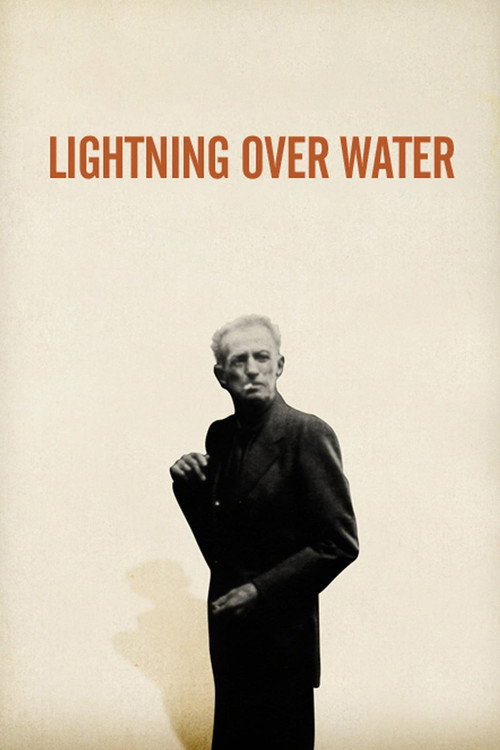
Lightning Over Water1980
Wenders and Nicholas Ray made this film together as Ray was dying—a raw, intimate document of creativity and mortality. Unforgettable in its honesty about art and death.
But The conceit can feel exploitative, and the film's formlessness might read as indulgent grief-processing rather than artistic vision.
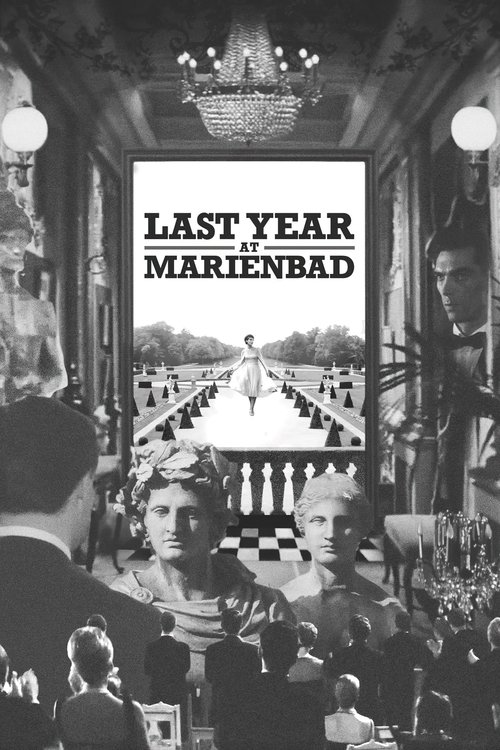
Last Year at Marienbad1961
Resnais and Robbe-Grillet's baroque puzzle about memory and desire in a grand hotel. Obsessively formal, disorienting in the best way, gorgeous black-and-white cinematography.
But Impenetrably cryptic. The style dominates any content, and some viewers will find it cold rather than mysterious.
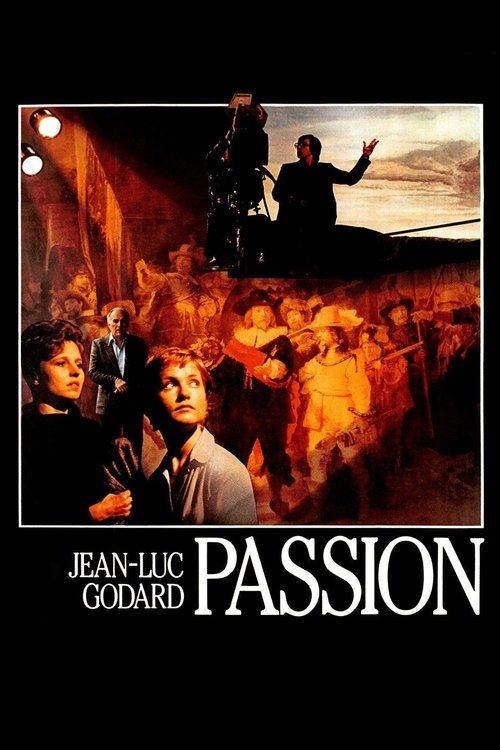
Godard's Passion1982
Godard's film-within-a-film about a director trying to stage classical paintings offers dazzling color and conceptual ambition. A formal experiment that rewards close attention.
But Released the same year as *The State of Things*, it's more explicitly theoretical and less emotionally grounded. Can feel hermetic and self-regarding.
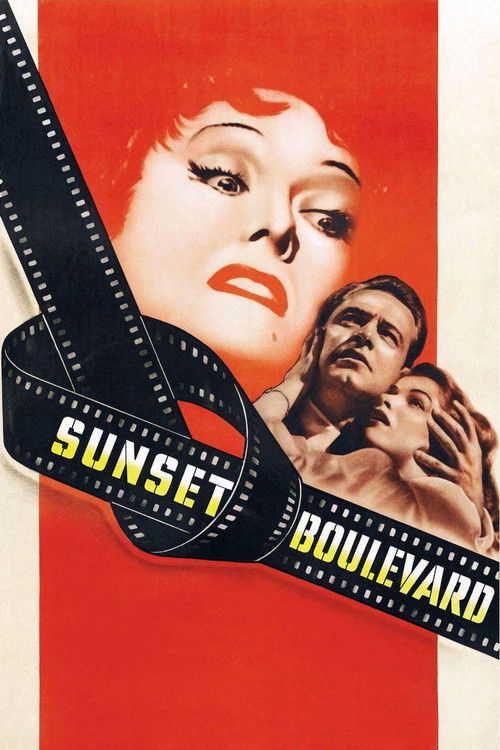
Sunset Boulevard1950
Both are set-in-motion by the crisis of an incomplete film project and reveal the psychological damage inflicted by the gap between artistic ambition and financial reality.
Wilder's noir about a desperate screenwriter and a forgotten silent star is caustic, formally elegant, and genuinely tragic. One of cinema's great indictments of Hollywood's cruelty.
But The cynicism is total and the ending is bleak. Some may find the female character a gothic stereotype rather than a person.
Tokyo Story1953
Like Wenders, Ozu finds profound melancholy in stillness and observation. Both films treat creative or familial work-in-progress as a frame for confronting what we cannot control or complete.
Ozu's film about an elderly couple visiting their children is quiet, formally rigorous, and devastatingly human. It contains nearly everything worth knowing about mortality and connection.
But Minimally plotted, shot from a low camera angle, in Japanese without much English-language distribution until recently. Requires surrender to rhythm over incident.

People
Cast

 Rebecca PaulyJoan
- Jeffrey KimeMark
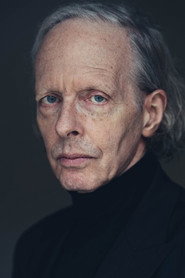 Geoffrey CareyRobert
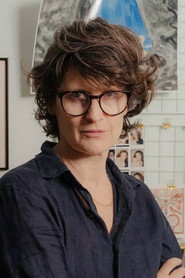 Alexandra AuderJane
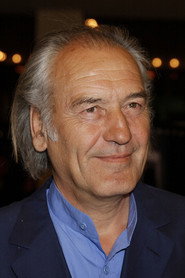 Patrick BauchauFriedrich Munro
- Paul Getty Jr.Dennis
 VivaKate
 Artur SemedoProduction Manager
- Francisco BaiãoSoundman
Directing
- Carlos SantanaAssistant Director
- Greg GearsAssistant Director
- Wim WendersDirector
- João CanijoFirst Assistant Director Trainee
- Pedro M. RuivoScript Supervisor
Writing
- Josh WallaceWriter
- Robert KramerWriter
- Wim WendersWriter
Production
- Paulo BrancoAssociate Producer
- Pierre CottrellAssociate Producer
- Renée GundelachExecutive Producer
- Chris SievernichProducer
- Renée GundelachProducer
- Wim WendersProducer
- António Luís CamposProduction Assistant
- David DeCoteauProduction Assistant
- Jorge AlvesProduction Assistant
- José Maria Vaz da SilvaProduction Assistant
- Mário CastanheiraProduction Assistant
- Nuno MartinsProduction Assistant
- António GonçaloProduction Manager
- Maria AmaralProduction Secretary
- Mickey CottrellPublicist