
Film
Day for Night
Truffaut's valentine to the chaos of moviemaking, shot almost as a movie about making a movie. Jacqueline Bisset's fragile star, a director modeled on Truffaut himself, and a crew held together by gaffer tape and nerve. It's funny, tender, occasionally heartbreaking, and honest about how much work hides behind the illusion of effortlessness. For anyone who loves film sets more than film stars.
If you liked this
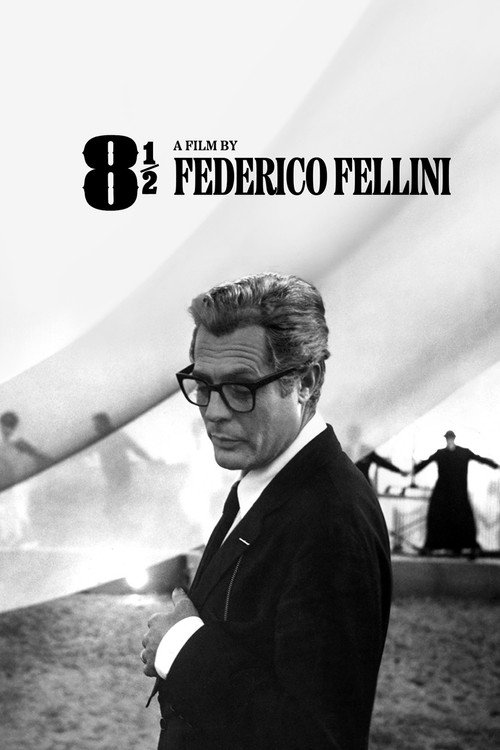
8½1963
Fellini's own backstage confession: a director drowning in memory, guilt and half-formed ideas while his crew waits for him to actually start shooting. The granddaddy of every film-about-filmmaking since, dreamlike rather than documentary.
But Surreal, nonlinear, and unapologetically indulgent — if you want plot logic, this will frustrate you.
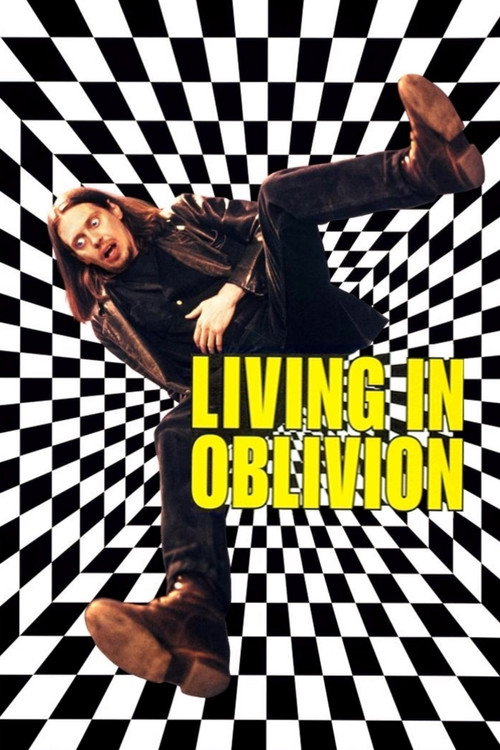
Living in Oblivion1995
A scrappy, funny nightmare-comedy about an indie shoot where nothing works, nobody agrees, and the dream sequence keeps eating itself. Same backstage chaos as Truffaut's set, just broke and American.
But Cheaper and scrappier, with more absurdist slapstick and less lush romanticism.
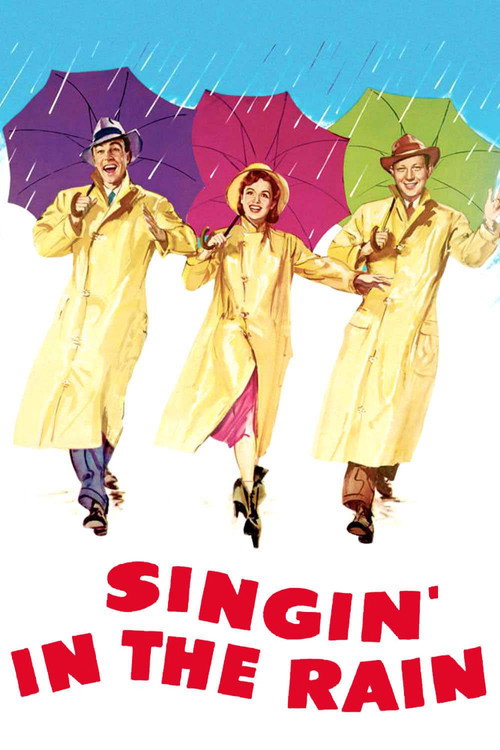
Singin' in the Rain1952
The joyful flip side of the industry story — same insider gossip about vanity, technical disaster and reinvention, but with tap numbers instead of tears. Proof filmmaking chaos can be pure delight.
But A full-blown musical — if songs and dance breaks aren't your thing, skip it.
The wildcard
Something you would not have found on your own.
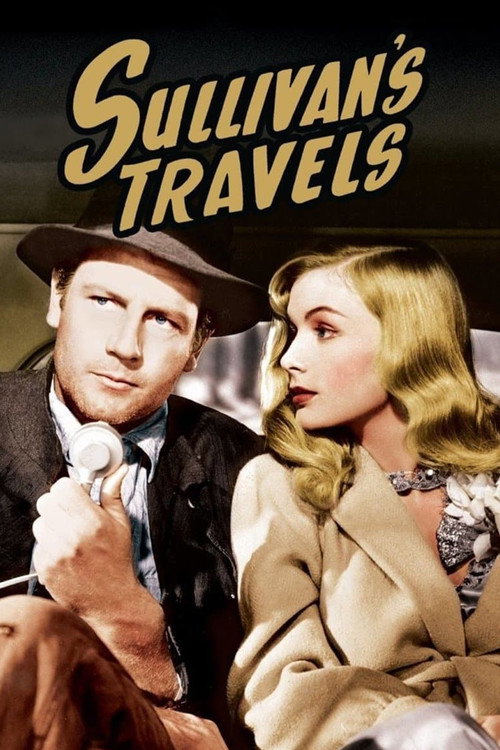
Sullivan's Travels1941
Both films are arguments about what movies are for, smuggled inside comedies about the film business — Sturges asks the question thirty years earlier, from inside the dream factory Truffaut is quietly mourning.
A Hollywood director fed up with making comedies sets off to experience real suffering firsthand so he can make something "important," only to rediscover comedy's actual worth. Whip-smart, achingly funny, quietly wise.
But Black-and-white 1940s screwball pacing and slang may feel dated if you're not already fond of the era.
More like this (8)
The Player1992
Robert Altman turns the camera on Hollywood itself, tracking a cynical studio exec through pitch meetings, paranoia and moral rot, with cameos from half of nineties cinema. A sharper, meaner cousin to Truffaut's affection.
But Satirical and cold where Day for Night is warm — this one bites rather than embraces.
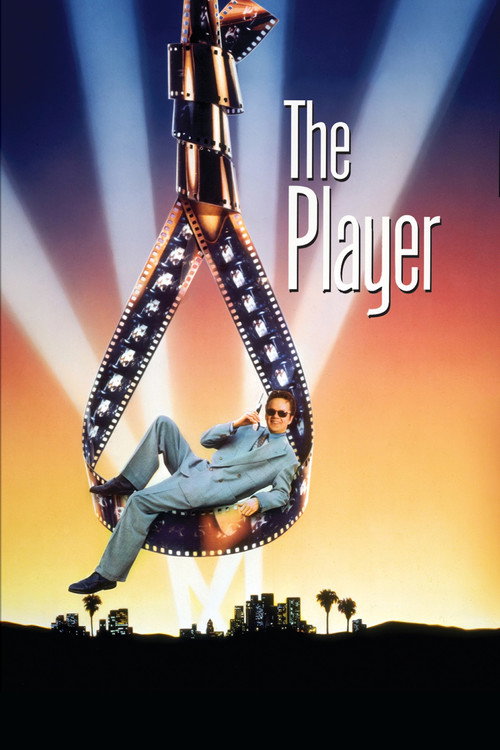
Ed Wood1994
Tim Burton's tender, black-and-white tribute to the worst director who ever loved movies more than talent, with Johnny Depp radiating pure enthusiasm. Same devotion to craft, wildly different skill level.
But Its love for bad filmmaking is the whole joke — if that premise doesn't charm you, little else will.
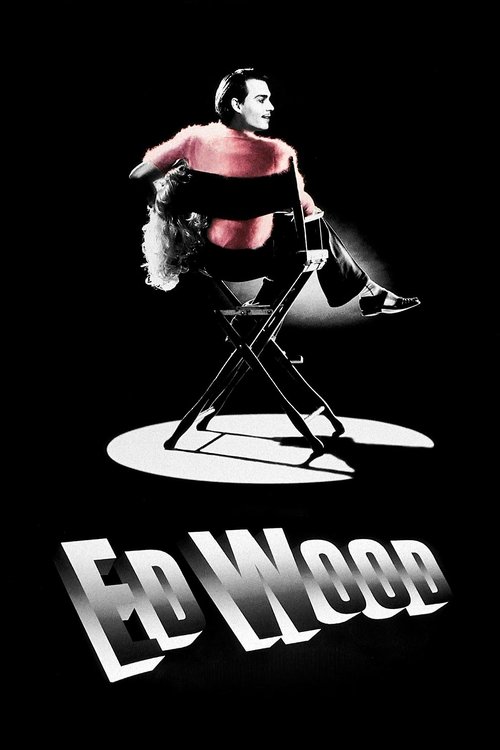
Boogie Nights1997
An ensemble backstage drama about a makeshift family making movies nobody respects, following the same rhythm of on-set bonding, ego and slow unraveling as everyone ages out of relevance. Bigger, sadder, funnier.
But Set in the porn industry of the seventies and eighties — more explicit and considerably darker in its back half.
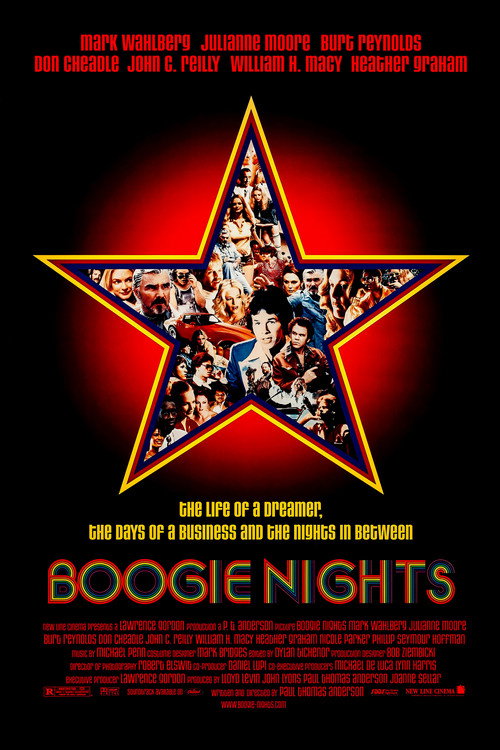
State and Main2000no page yet
Mamet's fast, cynical comedy about a film crew descending on a small town and wrecking it, all overlapping dialogue and bad behavior. A meaner, punchier cousin to Truffaut's gentler mess.
But Broader and more farcical — less interested in tenderness, more in comic humiliation.
Hugo2011
Scorsese's own love letter to early cinema, tracing the real history of pioneer Georges Méliès inside a lush family adventure. Same reverence for the magic trick of filmmaking, aimed at a wider audience.
But PG family fare with fantasy trimmings — a much gentler, less adult register than Truffaut's film.
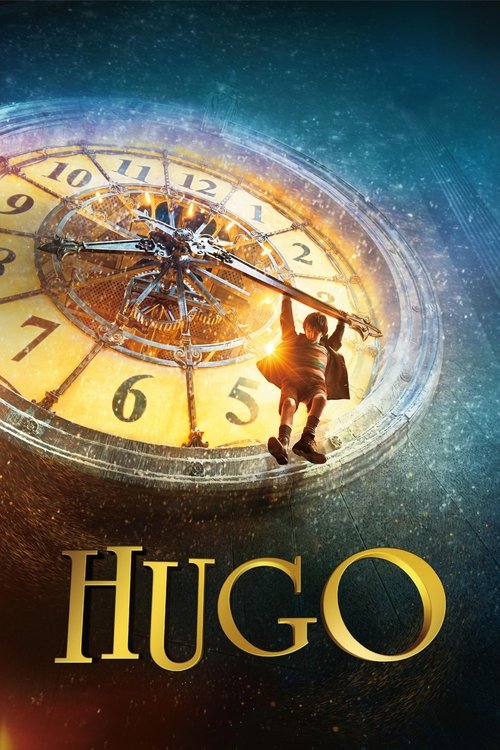
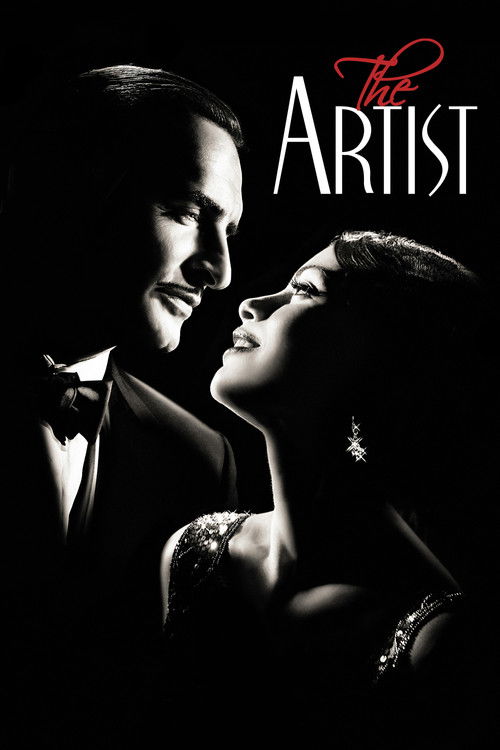
The Artist2011
A modern silent film about the death of silent film, in love with the same illusion-and-heartbreak machinery of the industry, told with real technical bravado.
But Gimmicky by design — the silent, black-and-white conceit either delights you instantly or wears thin fast.
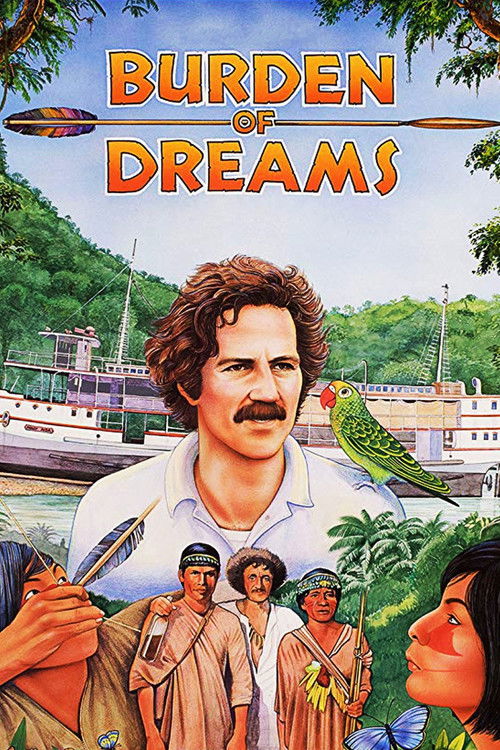
Burden of Dreams1982
Day for Night fictionalizes a shoot spiraling toward disaster with warmth and humor; this documentary shows what that spiral looks like when it's real — Herzog dragging a steamship over a mountain while his production genuinely falls apart.
A documentary about the making of Fitzcarraldo that becomes its own harrowing story of obsession, illness, unrest and a director who may be losing his mind for his art.
But Grim, at times upsetting, and entirely without the comic relief Truffaut offers — this is chaos with real casualties, not charm.
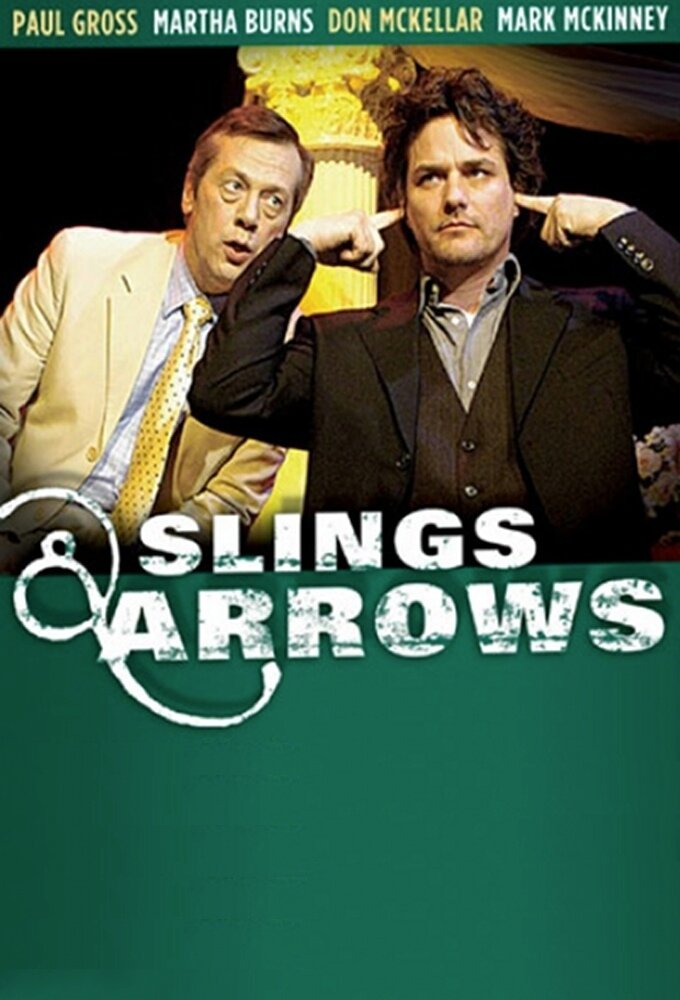
Slings & Arrows2003
Swap the film crew for a Shakespeare festival and you get the same ensemble machinery — backstage rivalries, a beloved leader half-mad with pressure, actors falling apart and somehow pulling off the show anyway.
A biting, big-hearted comedy-drama about a theatre company staging Hamlet while its artistic director is literally haunted by his predecessor's ghost. Whip-smart writing across three tight seasons, criminally underseen.
But Theatre-world in-jokes and modest Canadian TV production values may take some adjusting to if you're expecting cinema gloss.
People
Cast
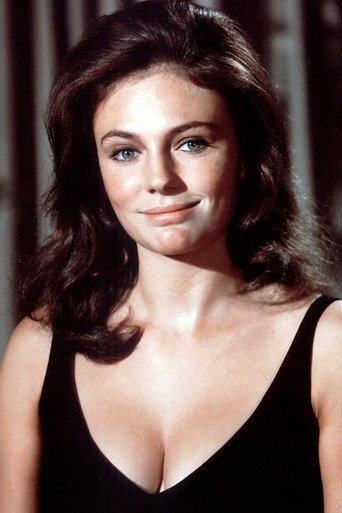 Jacqueline BissetJulie Baker
 Valentina CorteseSéverine
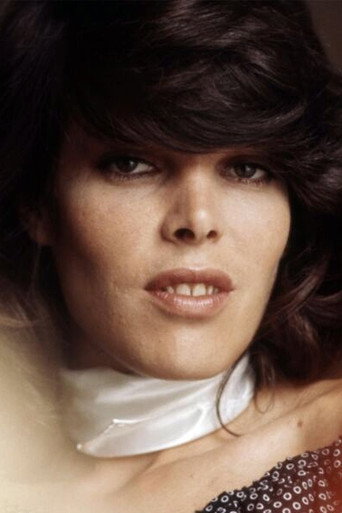 DaniLiliane, the Trainee Script Girl
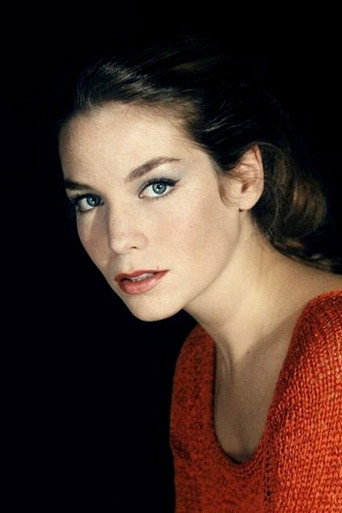 Alexandra StewartStacey
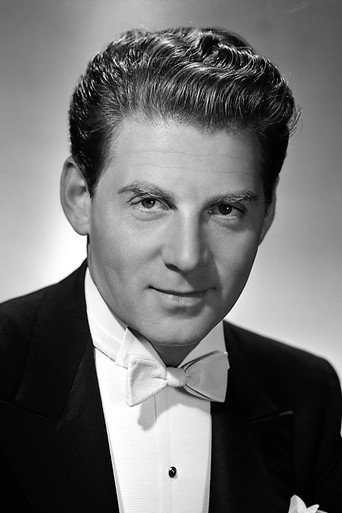 Jean-Pierre AumontAlexandre
 Jean ChampionBertrand, the Producer
 Jean-Pierre LéaudAlphonse
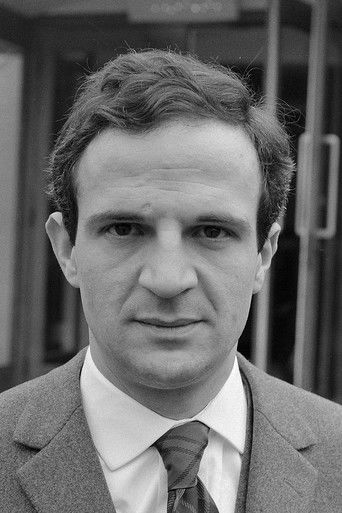 François TruffautFerrand, the Director
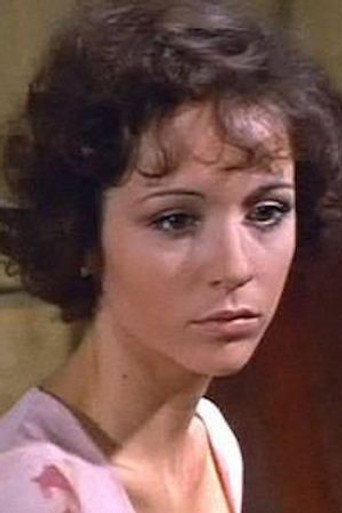 Niké ArrighiOdile, the Makeup Artist
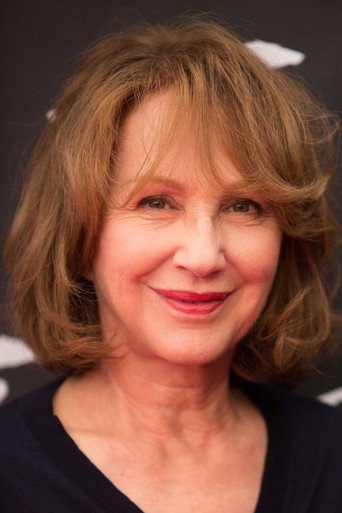 Nathalie BayeJoelle, the Script Girl
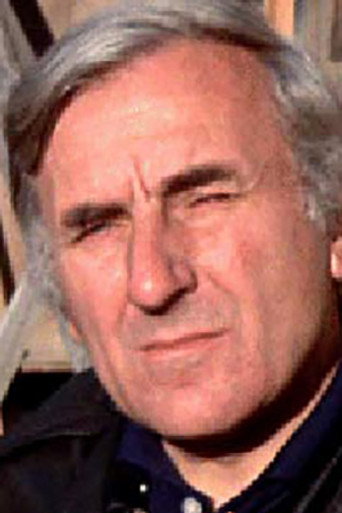 Maurice SevenoTV Reporter
- David MarkhamDoctor Michael Nelson
Directing
- Suzanne SchiffmanAssistant Director
- François TruffautDirector
- Christine PelléScript Supervisor
Writing
- François TruffautScreenplay
- Jean-Louis RichardWriter
- Suzanne SchiffmanWriter
Production
- Christian LentretienAdministration
- Alex MaineriGeneral Manager
- Roland ThénotGeneral Manager
- Marcel BerbertProducer
- Claude MillerProduction Manager