
Film
Merton of the Movies
A small-town dreamer chases stardom in 1920s Hollywood and crashes spectacularly into reality. Merton of the Movies is a silent comedy about the gap between fantasy and failure, told with surprisingly sharp observation and genuine warmth. It's for anyone who loves watching ambition meet the actual world.
If you liked this
Singin' in the Rain1952
The gold standard of Hollywood musicals—joyful, inventive, and deeply in love with the craft of filmmaking itself. It captures that same dizzy magic of the early studio system but with colour, sound, and some of cinema's most perfect moments.
But It's nearly two hours long and if you don't connect with the leads or the dancing, it can feel like being stuck at a very well-executed party.

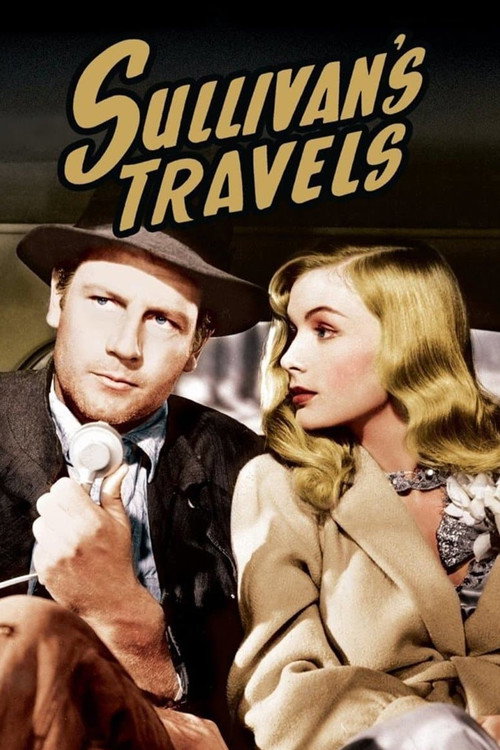
Sullivan's Travels1941
Preston Sturges made this brilliant satire about a director who wants to make Important Art but discovers that making people laugh matters too. It's funny, smart, and genuinely moving—the spiritual cousin to Merton's journey.
But The tonal shifts between slapstick and genuine darkness might feel jarring if you're expecting consistency.
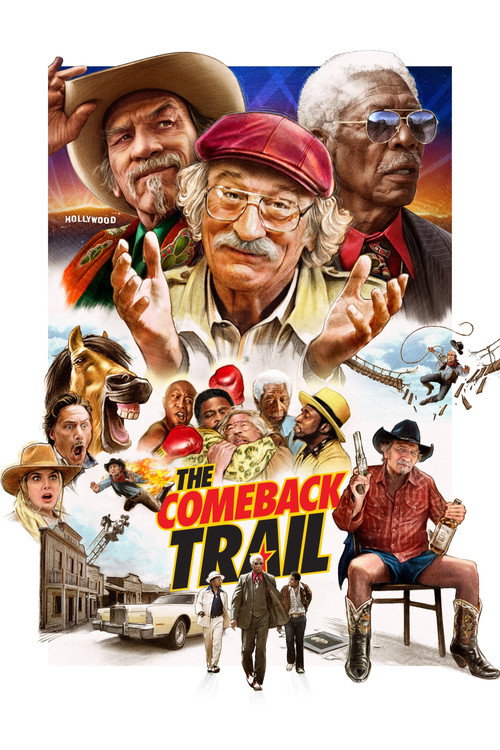
The Comeback Trail2020
A struggling actor and his two hustler friends try to pull off an insurance scam by making a movie. It's a modern echo of Merton's delusion, played for laughs by De Niro, Walken, and Tommy Lee Jones. Shaggy and fun.
But The plot meanders and it trades on star power rather than structure. Not everyone will find that charming.
Not sure tonight? Get a pick in a minute, starting from Merton of the Movies
The wildcard
Something you would not have found on your own.
Day for Night1973
Both are about the romance of cinema itself—not stardom, but the act of making movies and what that means to those who can't help but do it.
François Truffaut's love letter to filmmaking itself—a comedy-drama about a director shooting a movie on the Riviera as everything falls apart. It's the thinking person's answer to Merton's question: why do we make movies when they're this hard?
But It's French, digressive, and more interested in the feelings of making art than in plot momentum. Some will find it indulgent rather than insightful.
More like this (7)
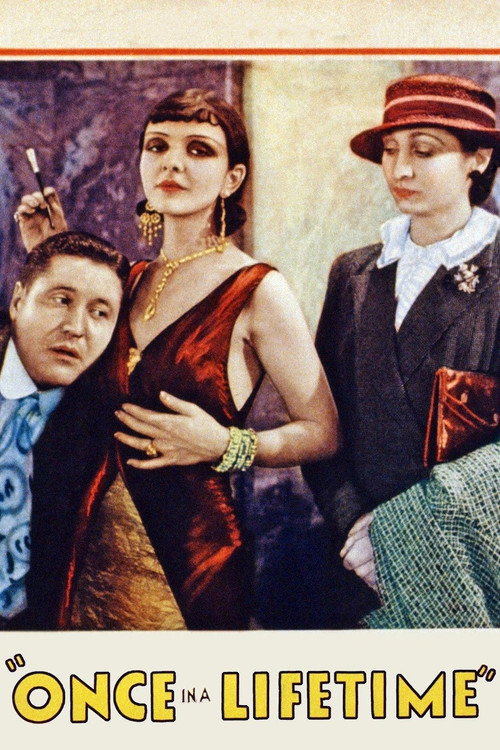
Once in a Lifetime1932
A stage comedy adapted by Kaufman and Hart about three vaudeville performers trying to break into talkies during Hollywood's transition. Caustic, silly, and full of showbiz authenticity about the same era Merton lived through.
But It's a filmed play—the energy can feel theatrical and over-performed if that style doesn't appeal to you.
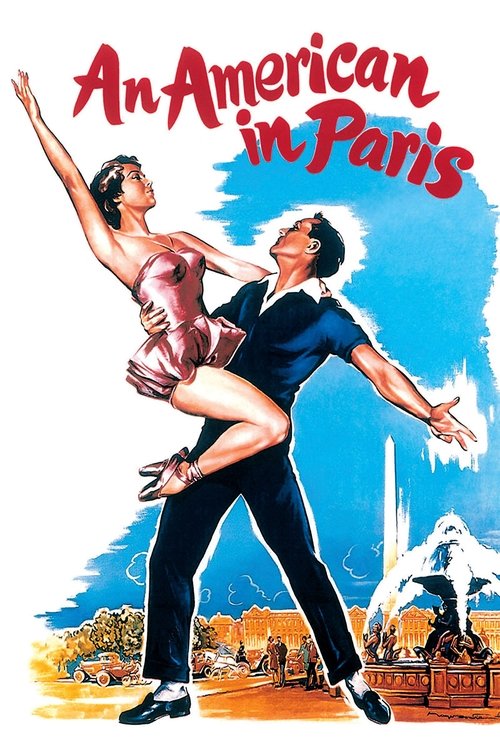
An American in Paris1951
Gene Kelly chasing dreams in a beautiful city. It has Merton's yearning and optimism, paired with Technicolor splendour and some astonishing dance sequences that show what cinema could become.
But The plot is thin—it's really a vehicle for spectacle. If you need story substance, this won't satisfy you.
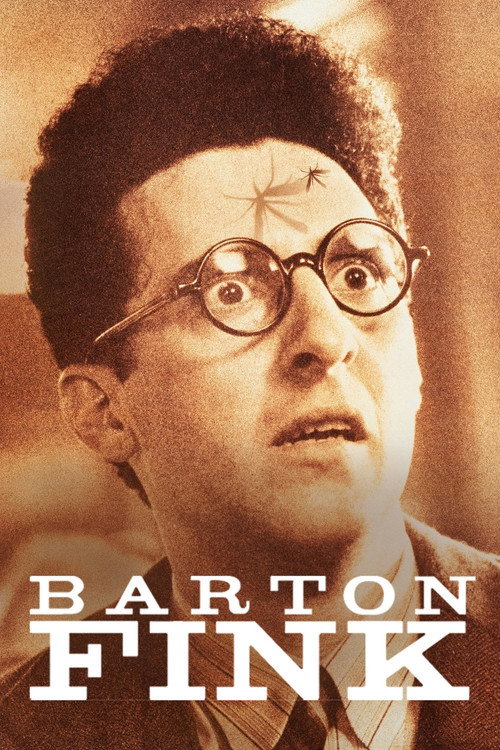
Barton Fink1991
The Coen Brothers' brilliant, nightmarish take on a playwright who comes to Hollywood to write a wrestling picture and promptly loses his mind. It's funnier and darker than you'd expect, and captures that same collision of ego and reality.
But It's actively strange and often uncomfortable. The tone is unsettling, which is exactly the point but not what everyone wants from an evening.
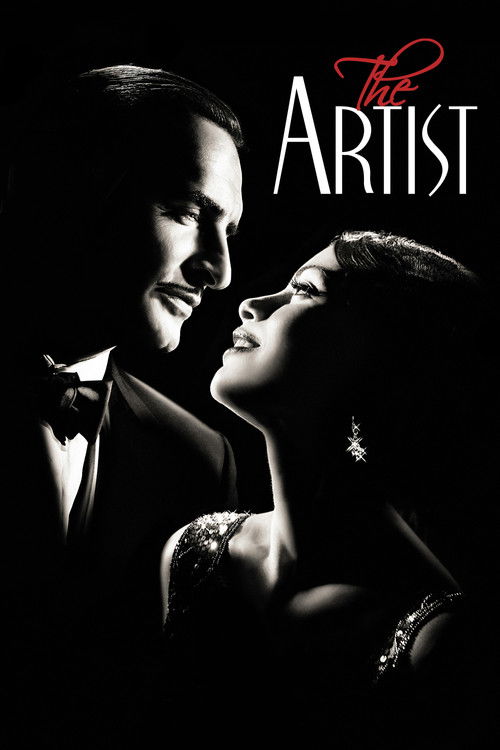
The Artist2011
A silent film about silent films and the star who couldn't adapt to sound. It's a love letter to the era Merton inhabited, with visual wit and genuine emotion about obsolescence and reinvention.
But Some find it precious or overly clever. Its blackness is also a barrier—it's not cuddly entertainment.
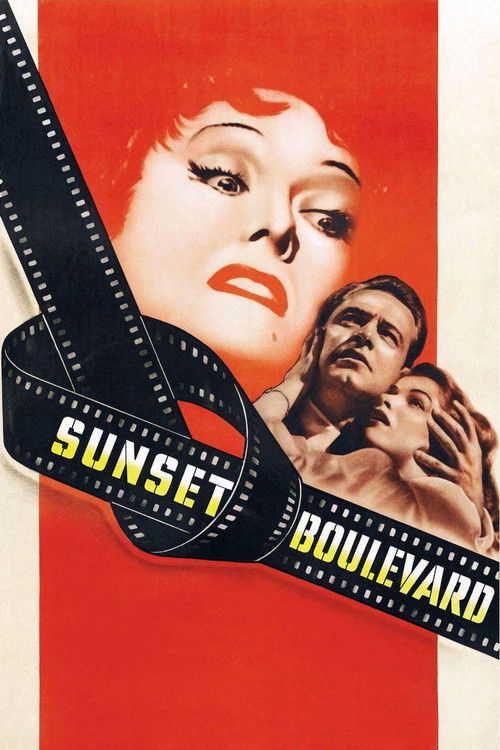
Sunset Boulevard1950
The other side of the Hollywood coin: a silent film star clinging to past glory as sound destroys her career. It's ruthless, gorgeous, and explores the exact psychology of delusion that Merton touches on.
But It's genuinely dark and ends in tragedy. This is not a feel-good film, despite its beauty.
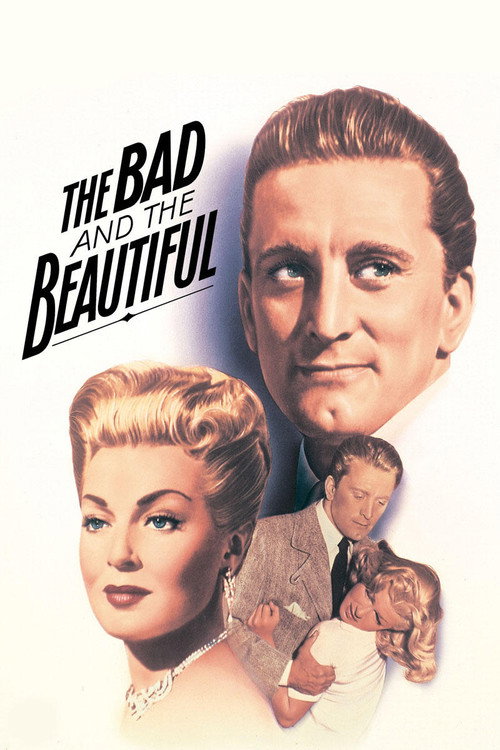
The Bad and the Beautiful1952
Vincente Minnelli's melodrama about an ambitious producer who burns through relationships to build an empire. It's glossy Hollywood myth-making that shows how ruthless the industry really was, with real sophistication.
But The structure is a series of flashbacks that some find narratively repetitive, and the emotional manipulations are obvious if you're paying attention.
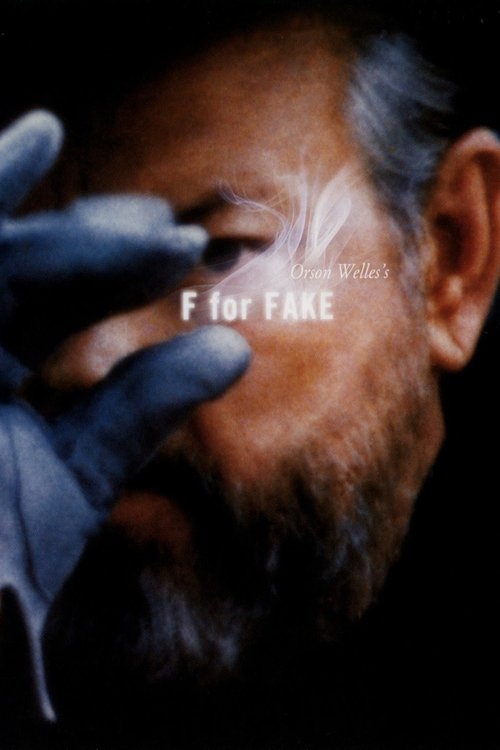
F for Fake1973
The deepest connection: both are about cinema's fundamental trick of making us believe in something that isn't real, and about the people seduced by that magic.
Orson Welles made this essay about fakery and cinema by using found footage, magic tricks, and sleight-of-hand to explore how we believe what we see on screen. It's a carnival of deception that explains why Merton—and we—believe in movies.
But It's structurally chaotic and sometimes feels like Welles showing off. You have to surrender to its logic or it will frustrate you.
People
Cast
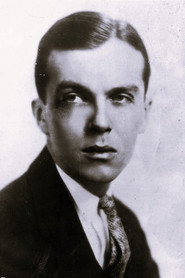 Glenn HunterMerton Gill
 Viola DanaSally 'Flips' Montague
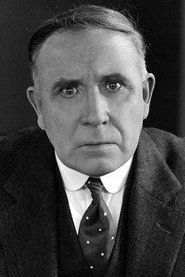 DeWitt JenningsJeff Baird
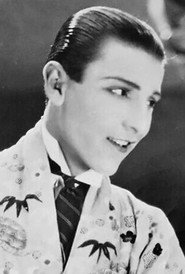 Elliott RotheHarold Parmalee
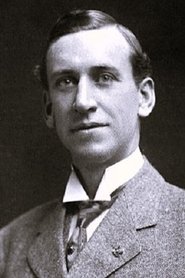 Charles SellonPete Gashwiler
- Sadie GordonMrs. Gashwiler
 Gale HenryTessie Kearns
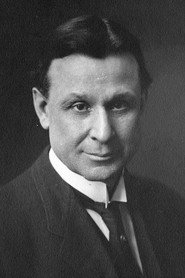 Charles OgleMr. Montague
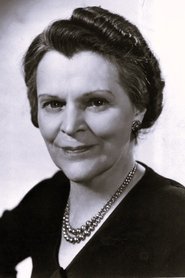 Ethel WalesMrs. Montague
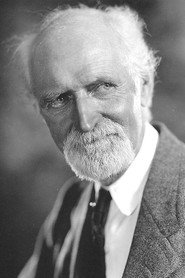 Luke CosgraveLowell Hardy
- Frank JonassonHenshaw
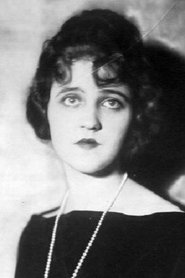 Eleanor LawsonMrs. Patterson
Directing
- James CruzeDirector
Writing
- Harry Leon WilsonNovel
- Walter WoodsScenario Writer
- George S. KaufmanWriter
- Marc ConnellyWriter
Production
- James CruzeProducer