
Film
Once in a Lifetime
- Comedy
- Light-hearted
A 1932 comedy about three vaudevillians swept up in Hollywood's chaos during the silent-to-sound transition. It's smart, fast, and genuinely funny about the machinery of starmaking, with Jack Oakie as a lovable grifter stumbling through the studio system. For anyone who loves early cinema or enjoys satire about show business and con artistry.
If you liked this
Singin' in the Rain1952
The definitive film about Hollywood's transition from silents to talkies—joyous, technically dazzling, with Gene Kelly and Donald O'Connor at their peak. A masterpiece that captures the era with infectious charm.
But At nearly two and a half hours, it's leisurely. The romance subplot will feel dated if you're impatient with sentiment in your musicals.

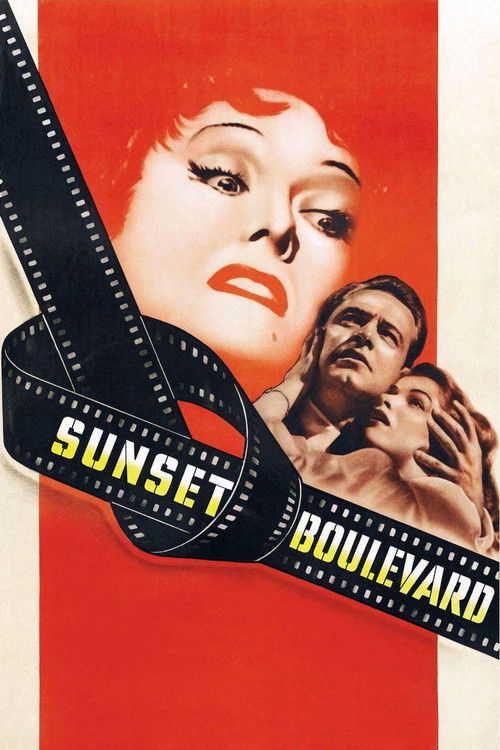
Sunset Boulevard1950
Billy Wilder's acid masterpiece about Hollywood's dark side—a failed silent-film star, the machinery that chewed her up, the parasites circling. Gloria Swanson is unforgettable and the script is merciless.
But It's bleak and cynical. If you want escapism, this isn't it. The pacing is deliberate, which some find meditative and others find slow.
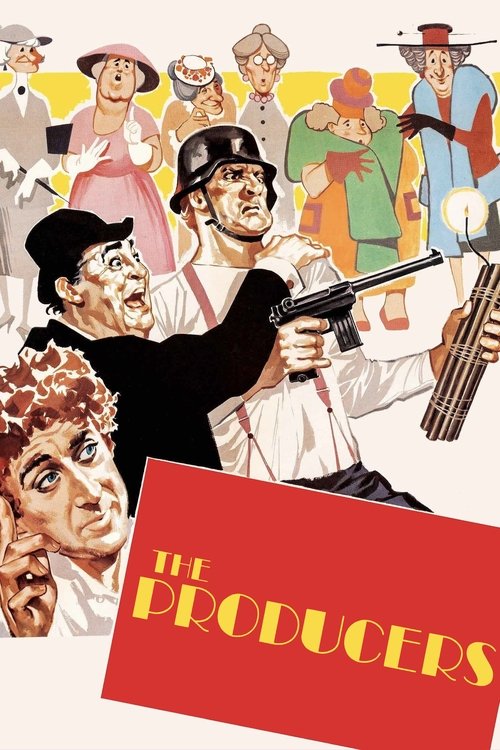
The Producers1968
Mel Brooks's debut is a carnival of a satire about theatrical con men, failed shows, and the thin line between fraud and success. Zero Mostel and Gene Wilder are a perfect chaotic double act. Hilarious and genuinely inventive.
But The humor is very broad and the taste is sometimes iffy. If you prefer subtle comedy, the screaming energy will exhaust you.
Not sure tonight? Get a pick in a minute, starting from Once in a Lifetime
The wildcard
Something you would not have found on your own.
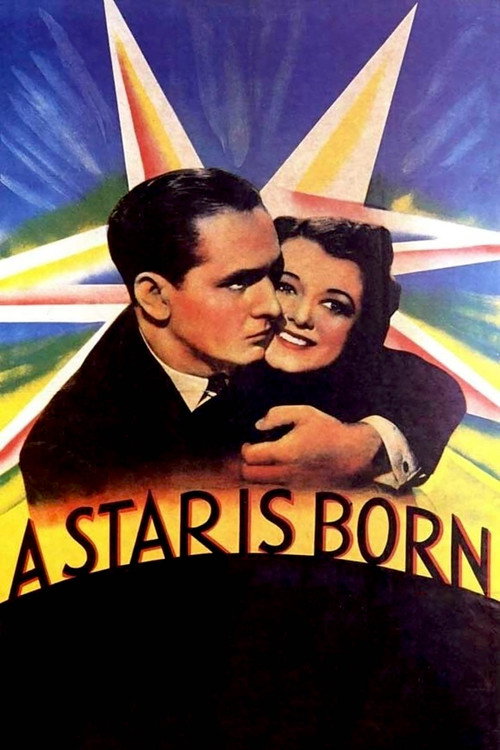
A Star Is Born1937
Both are '30s takes on how Hollywood machinery grinds up talent—but Wellman's version is the dark, hangover truth where Once in a Lifetime is the wisecracking con.
William Wellman's version (not Cukor's 1954 remake) is raw and immediate in ways few Hollywood films are. Janet Gaynor and Fredric March in a story about starmaking, alcoholism, and the disposability of people. Made from a place of genuine anger.
But It's emotionally brutal and looks grainy and rough by design. The pacing is uneven—not polished. Wellman's style is jarring compared to the studio elegance you might expect.
More like this (7)
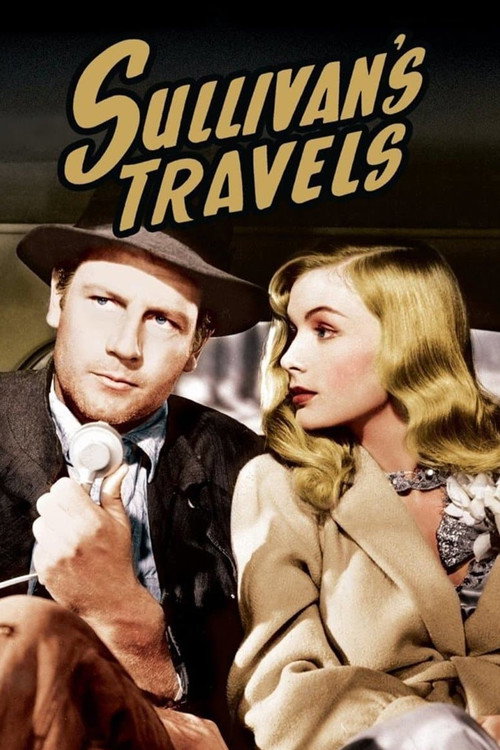
Sullivan's Travels1941
Preston Sturges's film about a successful Hollywood director who wants to make 'serious' art. It's a perfect satire of pretension and the studio system, moving between comedy and real darkness with effortless grace.
But The tone shift in the second half is jarring. If you want consistent lightness, the turn toward genuine pathos will feel like genre whiplash.
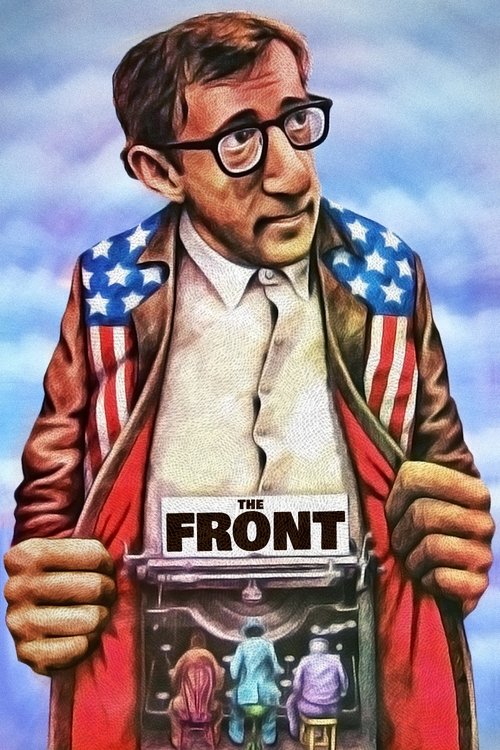
The Front1976
Woody Allen and Zero Mostel in a sharp satire about 1950s blacklisting and Hollywood compromise. It's funny but also genuinely angry about McCarthyism, with a lived-in feel from people who actually experienced it.
But The historical context matters—if you're unfamiliar with blacklisting, some barbs will miss. The tone wavers between comedy and seriousness.
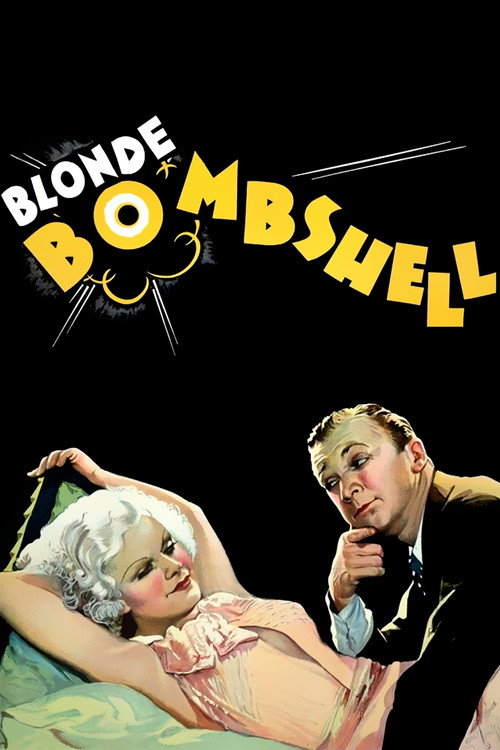
Bombshell1933
Jean Harlow as a movie star exhausted by the studio machine—made just as the system described was still fully operational. It's gorgeously cynical about starmaking, beauty as commodity, and the human cost.
But It's uneven in places and the pacing stutters. Harlow's tremendous but the supporting cast is variable. Watching it requires patience with early-30s filmmaking rhythms.
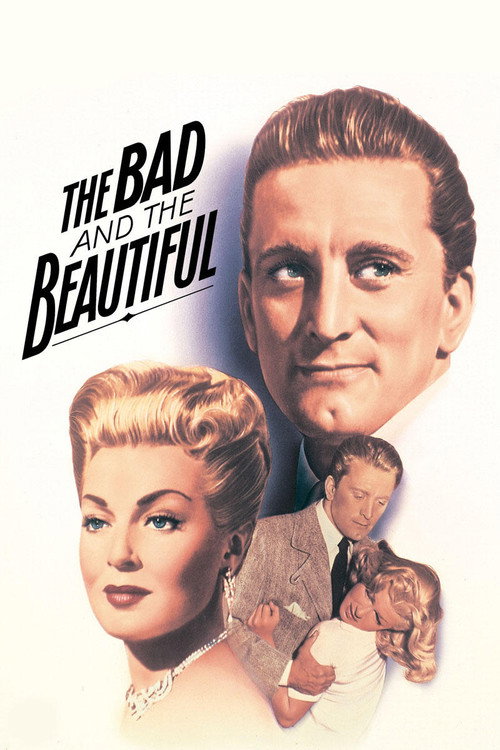
The Bad and the Beautiful1952
Vincente Minnelli's sweeping, gorgeous tale of a ruthless film producer and the people he destroyed. It's both a love letter to cinema and a critique of its cruelty—visually stunning.
But It's melodrama with an edge. If you find that register overwrought, the emotional intensity will feel dated. Some plot threads resolve too neatly.
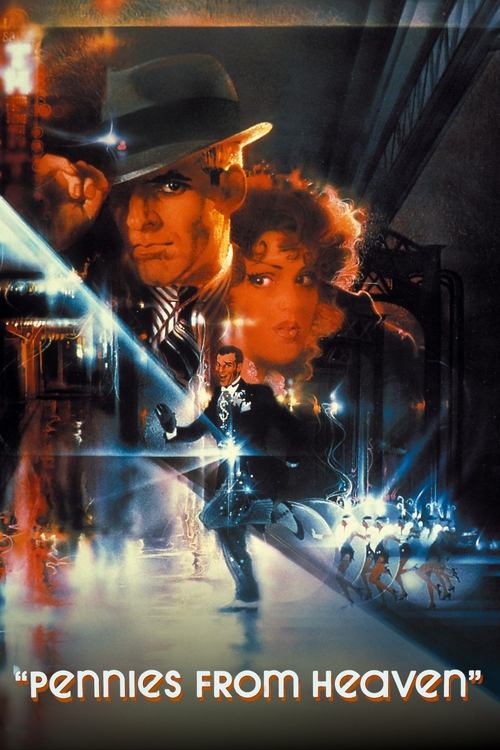
Pennies from Heaven1981
Steve Martin in a strange, audacious Depression-era film that's part drama, part musical fantasy, part critique of American mythology. It's like nothing else—ambitious, weird, genuinely moving.
But The tonal shifts are severe and intentional. If you want tonal consistency, this will feel chaotic and sometimes pretentious. It's very 1981 in its look.
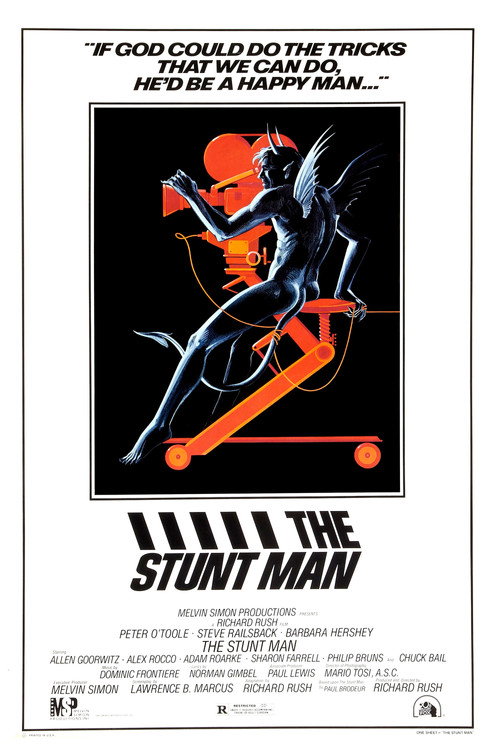
The Stunt Man1980
Peter O'Toole as a godlike film director who hires a fugitive as a stunt double. It's a dizzying, playful exploration of cinema, reality, and manipulation—clever without being smug, with genuine surprises.
But The plot is genuinely confusing and the trickery feels like it's at your expense. Rewarding for some viewers, infuriating for others who feel toyed with.
Contempt1963
Same DNA: watching how cinema gets made and unmade, the machinery exposed. But Contempt is 1963 French New Wave existentialism where Once in a Lifetime is 1932 Broadway-trained farce.
Godard's film-within-a-film about a screenwriter, a producer, and a director making a film, with Brigitte Bardot luminous and trapped. It's about artistic compromise and the studio system, but told through Godard's fractured, philosophical lens.
But It's in French with subtitles and moves at Godard's pace—philosophical, slow, sometimes static. The narrative feels secondary to mood and ideas. If you want plot momentum, you will be frustrated.

People
Cast
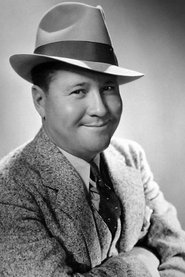 Jack OakieGeorge Lewis
 Zasu PittsMiss Leyton
 Sidney FoxSusan Walker
 Aline MacMahonMay Daniels
 Russell HoptonJerome 'Jerry' Hyland
 Louise FazendaHelen Hobart
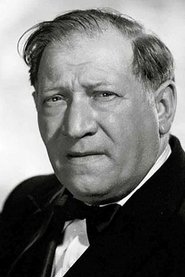 Gregory RatoffHerman Glogauer
 Jobyna HowlandMrs. Walker
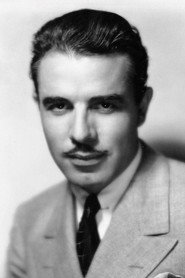 Onslow StevensLawrence Vail
 Frank LaRueThe Bishop
 Margaret LindsayDr. Lewis' Secretary
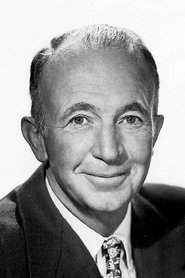 Walter BrennanLighting Technician (uncredited)
Directing
- Russell MackDirector
Writing
- George S. KaufmanTheatre Play
- Moss HartTheatre Play
- Seton I. MillerWriter