
Film
François Truffaut: Stolen Portraits
A mosaic portrait of François Truffaut assembled from 26 voices—lovers, daughters, colleagues, childhood friends—examining the director's contradictions: his appetite for life against his violence toward others, his cinema against his actual self. Archive footage and film clips illuminate a man obsessed with capturing truth while perpetually reshaping it. For cinephiles and anyone curious about how a life becomes legend.
Should you watch it?
Watch it if you already love Truffaut's films or the messy business of how a filmmaker turns his own life into movies, and want that tangled portrait of him in conversation with the people who knew him.
Skip it if you want a tidy, authoritative biography; this is a collage of twenty-six voices circling one man from different angles, with no narrator to settle the picture.
What it asks of you: A steady ear for overlapping recollections across 88 minutes, cut with film clips, and little forward momentum beyond the next memory.
Not sure? Find tonight's pick in a minute.
If you liked this
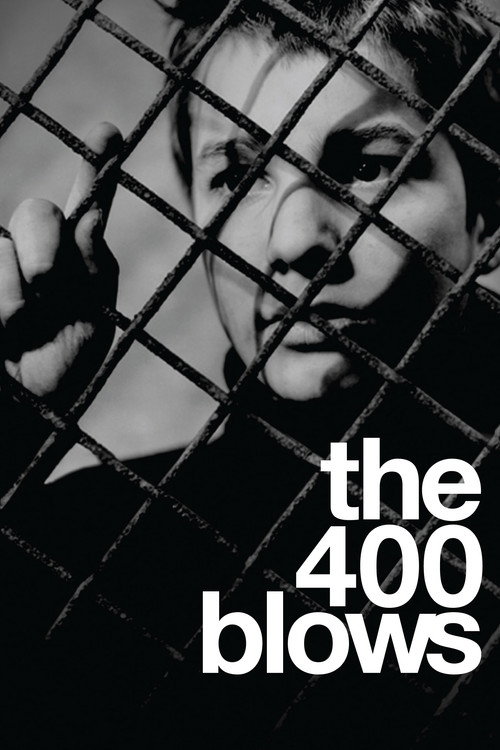
The 400 Blows1959
Truffaut's debut feature, semi-autobiographical and luminous. It invented a language for depicting childhood that cinema had never quite found before. Watching it contextualizes everything in this documentary.
But It moves at a contemplative pace; nothing explodes. The ending's ambiguity will either haunt you or frustrate you depending on your patience for open questions.
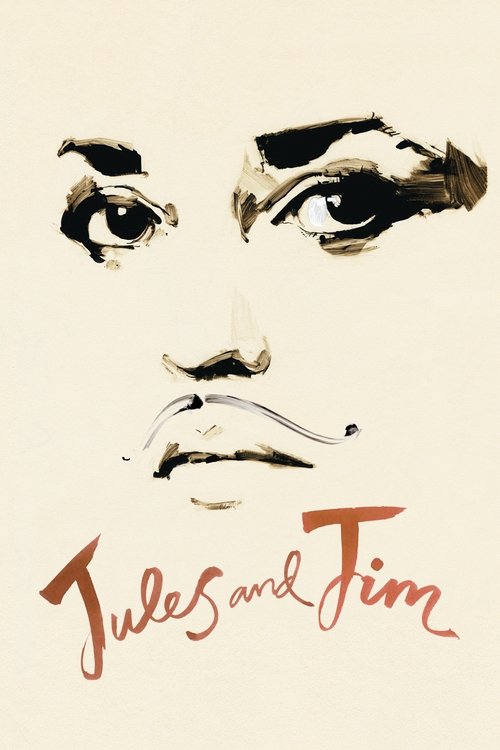
Jules and Jim1962
Truffaut at his most alive and generous. A love triangle told with such joy and visual playfulness that you forget to judge anyone. It's about desire and friendship and the impossible arithmetic of three hearts.
But The female lead is written as a fantasy, not a person. Watching it now means grappling with how much Truffaut projects onto women rather than sees them.
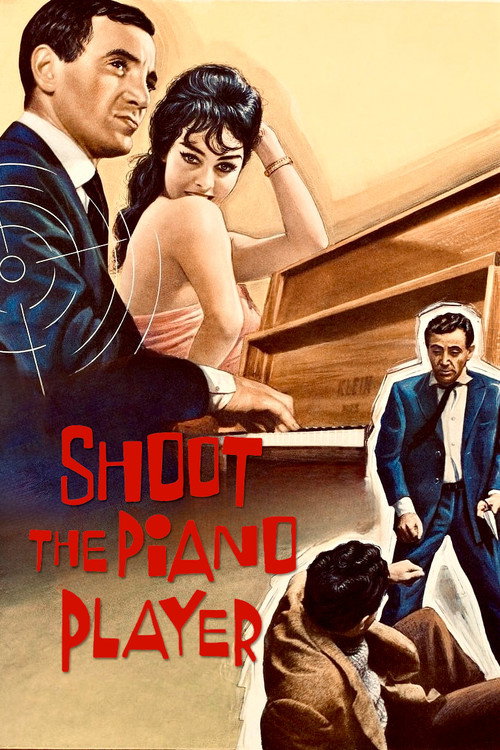
Shoot the Piano Player1960
Tonal whiplash: gangster noir that keeps cracking into tenderness and comedy. Truffaut's style is so alive here—jump cuts, asides, tonal shifts mid-scene. It feels like watching someone think in real time.
But The plot is thin and the tone can feel slippery if you're looking for narrative coherence. Some find the French New Wave playfulness exhausting rather than exhilarating.
Not sure tonight? Get a pick in a minute, starting from François Truffaut: Stolen Portraits
The wildcard
Something you would not have found on your own.
Meshes of the Afternoon1943
Both artists used cinema to render the unmappable space between what's real and what's imagined, but Deren did it through abstraction and Truffaut through character. Same obsession, opposite methods.
Experimental film by Maya Deren, 14 minutes, about a woman's descent into dream and obsession. It's hypnotic and formally radical—nothing like Truffaut on the surface. But it's the source code for how cinema captures interiority, which is what Truffaut spent his career doing with narrative.
But It's abstract and difficult and almost requires you to experience it rather than understand it. Some find experimental film self-indulgent or impenetrable.

More like this (6)
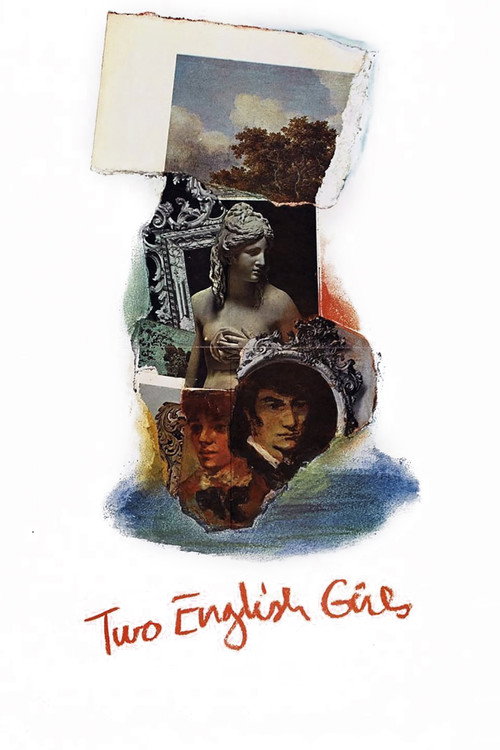
Two English Girls1971
A film about memory and how we mythologize the past. Told partly through narration, partly through flashback, it's obsessed with the gap between what happened and what we remember. Directly relevant to the documentary's central question.
But It's long and deliberately structured to feel like a memory—which means digression and repetition. Not for viewers who want propulsive storytelling.
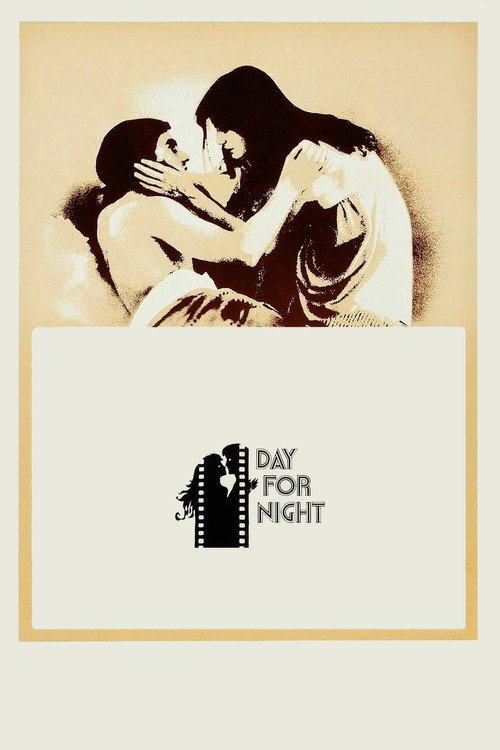
Day for Night1973
Truffaut's film-about-filmmaking, a love letter to cinema itself. It's playful and warm and captures that particular kind of madness on a film set. The metafictional layers reward repeat viewing.
But It's self-consciously charming in a way that can feel precious. If you're skeptical about auteur theory, this film's celebration of the director might irritate you.
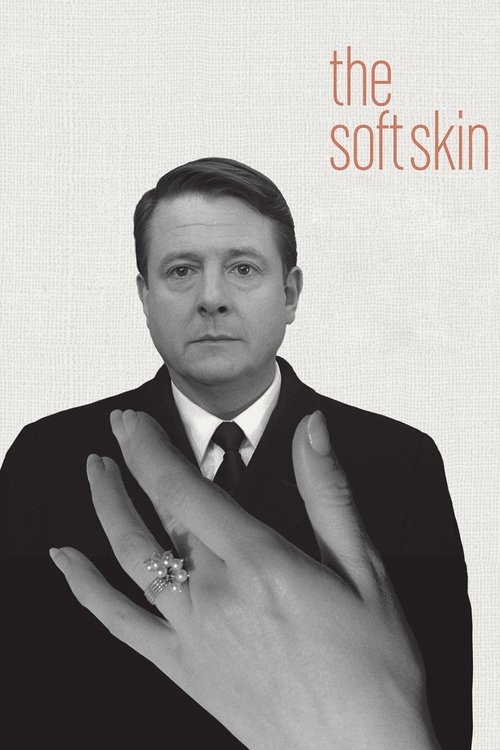
The Soft Skin1964
A masterpiece about infidelity and obsession. Truffaut treats desire seriously—not as sin but as a force that unmakes people. Formally restrained but emotionally ferocious. The final act is devastating.
But It's bleak and unsentimental about human weakness. There's no redemption, only consequence. Some viewers find it depressing rather than cathartic.
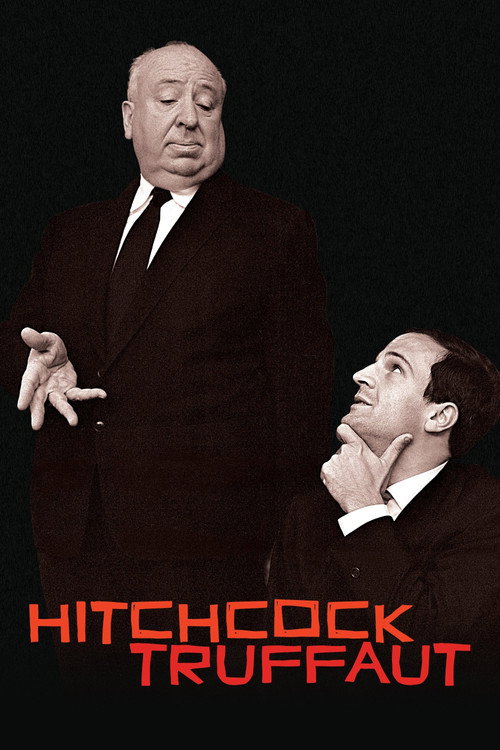
Hitchcock/Truffaut2015
Documentary about the legendary interview between Truffaut and Hitchcock, with film clips and new interviews. It shows Truffaut as a critic and interlocutor—how he thought about cinema, what he valued. Complements this portrait perfectly.
But If you don't care about cinematic theory or Hitchcock, it may feel like film-world navel-gazing. The talking-heads format is fairly static.
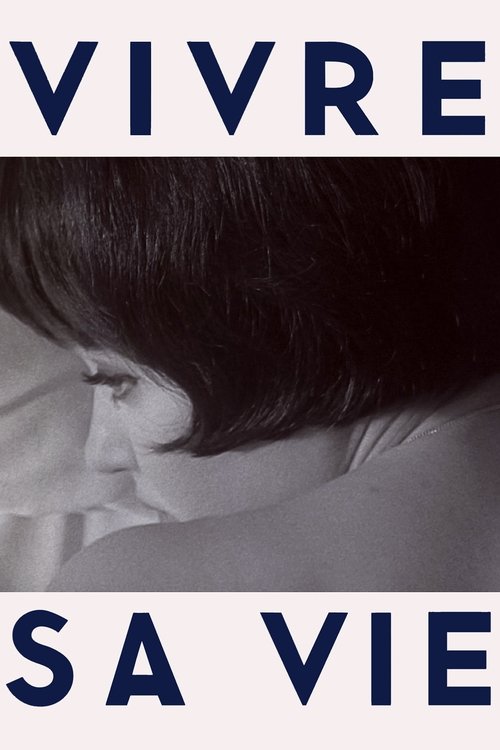
Vivre Sa Vie1962
Another portrait of a French New Wave titan by someone deeply inside that world. It triangulates what was happening in that moment. Godard and Truffaut's friendship and rupture shaped both their careers.
But Jean-Luc Godard is even more difficult and prickly than Truffaut. This film doesn't make him easier to like, and some find his personality alienating.
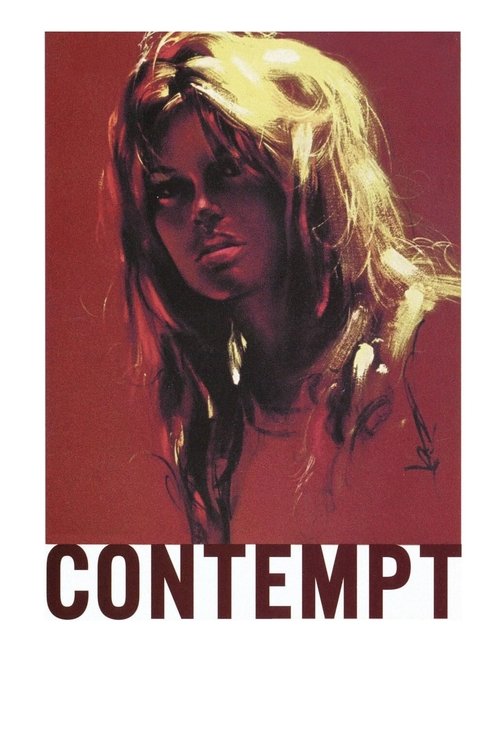
Contempt1963
Godard's masterpiece about filmmaking and desire, featuring Jack Palance and Brigitte Bardot. It's the film that would have been the response to Truffaut—a different philosophy of cinema, equally rigorous and more acid.
But Godard's formalism can feel cold. The film's meditation on cinema is gorgeous but detached. It's as much about colour and composition as emotion.
People
Cast
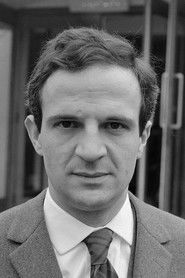 François TruffautSelf (archive footage)
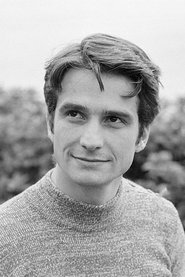 Jean-Pierre LéaudSelf (archive footage)
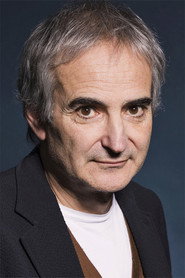 Olivier AssayasSelf
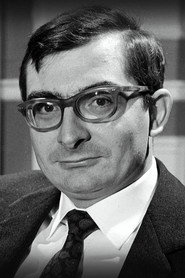 Claude ChabrolSelf (archive footage)
- Marcel OphülsSelf (archive footage)
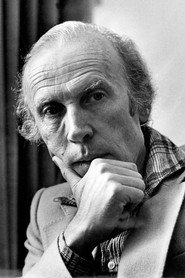 Éric RohmerSelf
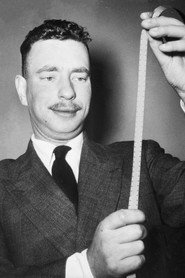 Alexandre AstrucSelf
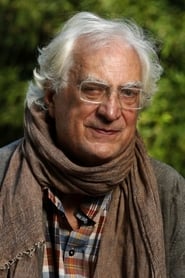
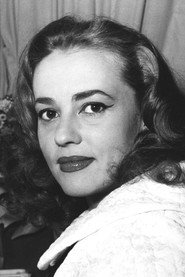 Jeanne MoreauSelf (archive footage)
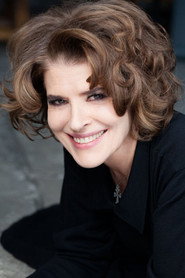 Fanny ArdantSelf
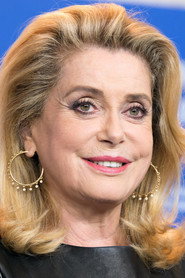 Catherine DeneuveSelf (archive footage)
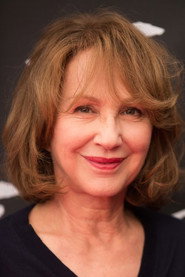 Nathalie BayeSelf
Directing
- Michel PascalDirector
- Serge ToubianaDirector
Production
- Monique AnnaudProducer