
Film
Love on the Run
The final chapter of François Truffaut's Antoine Doinel saga follows its restless hero into his thirties, juggling romantic entanglements, a publishing deal, and the weight of accumulated choices. It's wistful and funny—less a love story than a reckoning with adulthood's compromises. For anyone who's watched Antoine grow up across four films and wants to know how it ends.
Should you watch it?
Watch it if you have followed Antoine since The 400 Blows and want the story of a grown man still wrestling with old romances, told with clips that stitch the whole saga together.
Skip it if you come to it cold, since it leans on memories of earlier films and its wistful, talky romance can feel slight beside them.
What it asks of you: Ninety-three minutes, unhurried and conversational, with gentle comedy and a melancholy undertow; it rewards attention to small glances and rueful pauses.
Not sure? Find tonight's pick in a minute.
If you liked this
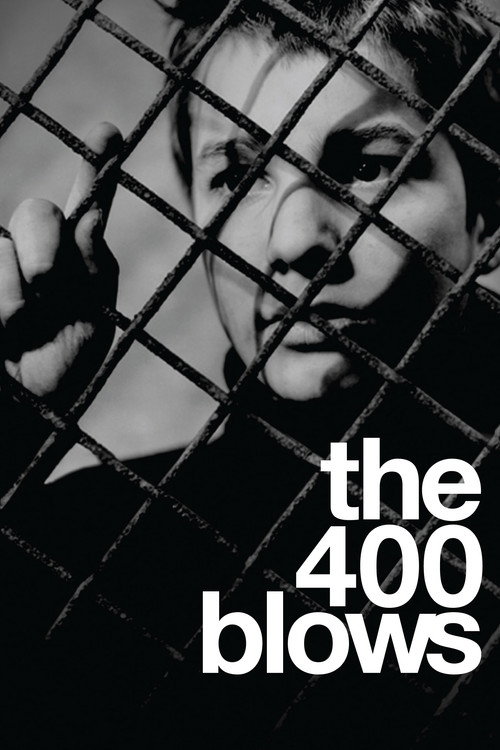
The 400 Blows1959
The beginning of Antoine's story: a teenager's rebellion against school and home. Essential context, and Truffaut's masterpiece. If you loved Doinel as an adult, seeing him young is quietly devastating.
But Black and white, and the pacing is deliberately slow. It requires patience with a child's authentic aimlessness rather than plot momentum.
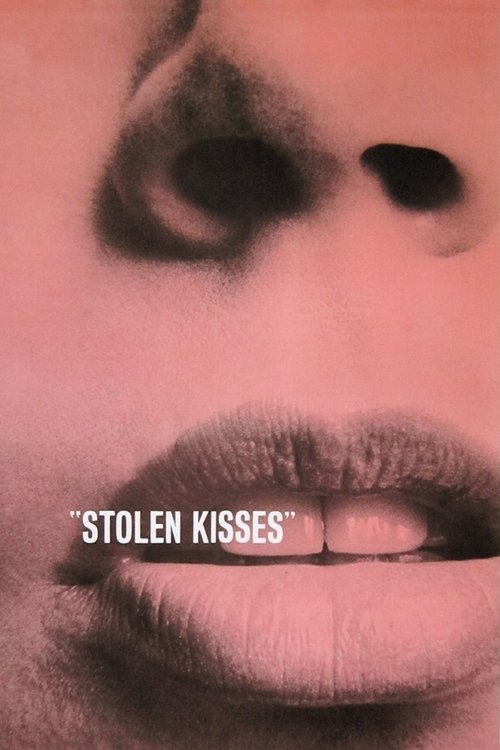
Stolen Kisses1968
Antoine at twenty, trying to build a life in Paris—working, falling in love, navigating military service's aftermath. Lighter than 400 Blows but touching, and the middle point of his journey.
But If you haven't seen 400 Blows, this assumes knowledge. It's a standalone story but deepest if you know where he's come from.
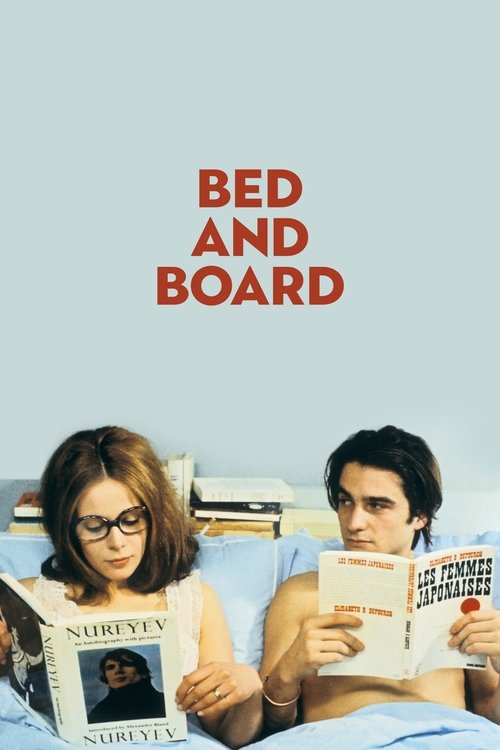
Bed and Board1970
Antoine married, attempting domesticity. Charming and bittersweet, with a perfect Claude Jade. It's where things start to crack—the film before everything falls apart.
But The marriage comedy beats might feel slight if you're not invested in Antoine as a character already. It needs the earlier films.
Not sure tonight? Get a pick in a minute, starting from Love on the Run
The wildcard
Something you would not have found on your own.
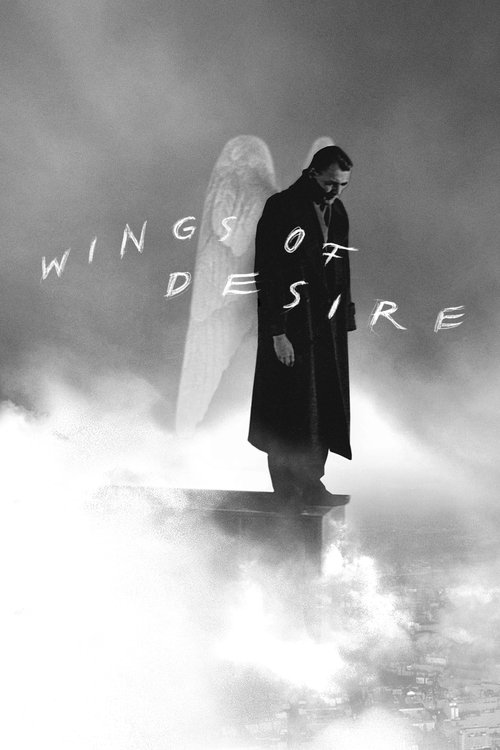
Wings of Desire1987
Both films ask whether romantic entanglement is salvation or beautiful surrender—and whether those are different things.
Wim Wenders' angels watching over Berlin, caught between transcendence and the mess of living. Shares Antoine's meditation on time, attachment, and whether love makes us whole or trap us. Gorgeously shot and philosophically generous.
But Slow and metaphysical. If you want grounded realism, this floats away from it. And it's in German.
More like this (7)
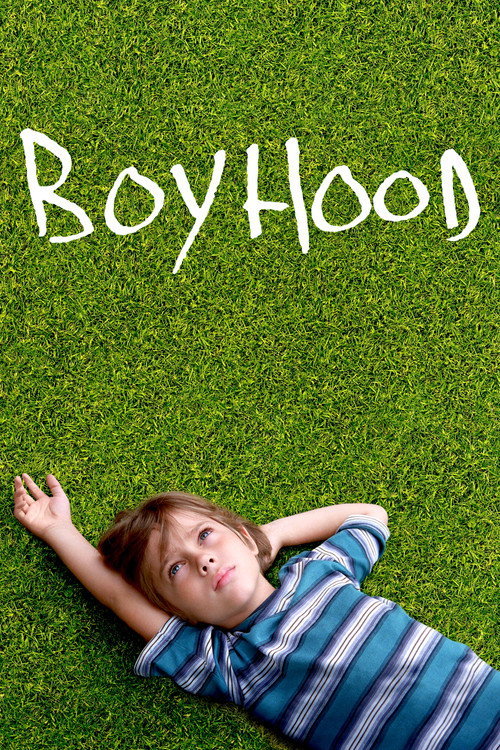
Boyhood2014
Richard Linklater's 12-year real-time portrait of growing up. Structurally and spiritually akin to Truffaut's Antoine cycle—accumulation of small moments, no grand climax, just life.
But Three hours of quiet naturalism. If you want plot payoffs, this will feel like nothing happens. And technically it's American, not French.
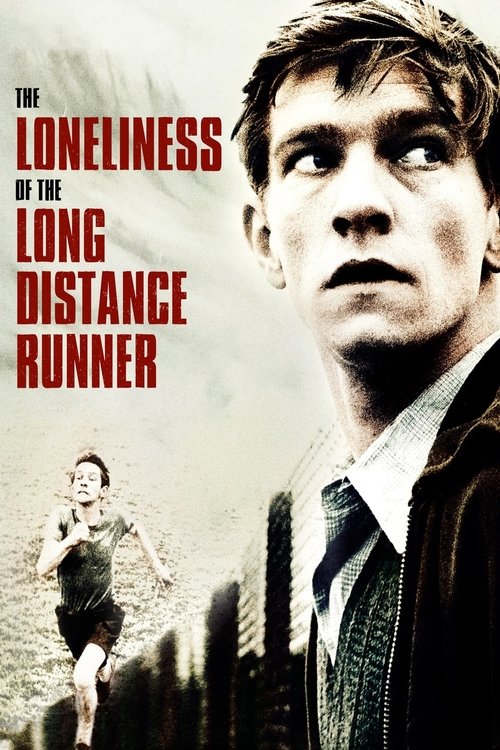
The Loneliness of the Long Distance Runner1962
A young man at odds with institutions and authority, searching for authentic living. The English equivalent of Antoine's rebellion—raw, angry, visually bold.
But Bleak in a way Antoine's films never are. Less playful, more accusatory. It's working-class British rather than Parisian bohemia.
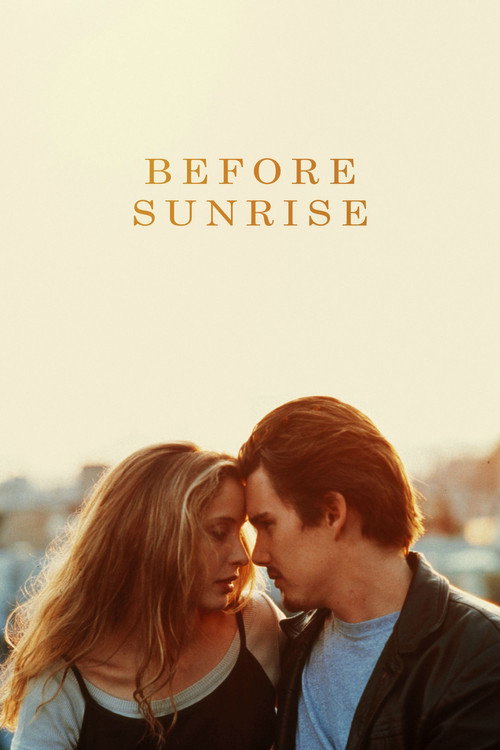
Before Sunrise1995
Two people meet and spend one night talking through connection, possibility, and the gap between feeling and reality. Emotionally precise about romance and its limits.
But Mostly dialogue. If you need external action, this will feel static. And it's deliberately unresolved.
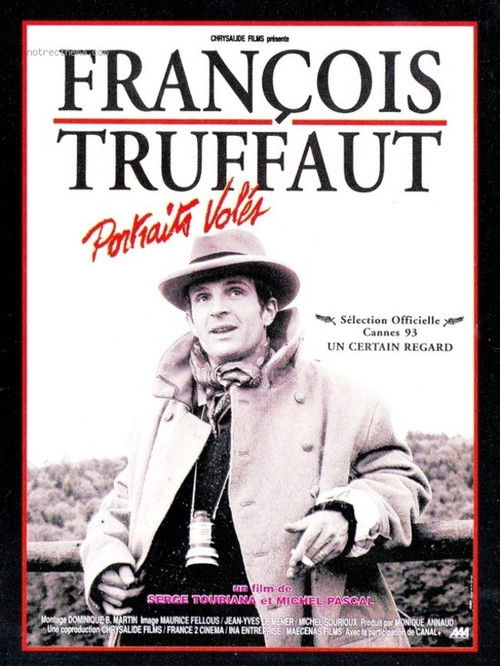
François Truffaut: Stolen Portraits1993
A documentary about Truffaut himself—his obsession with cinema, actors, and the texture of human feeling. Essential viewing if you want to understand what drives the Antoine films.
But It's a documentary, not a narrative. More useful as context than as entertainment on its own.
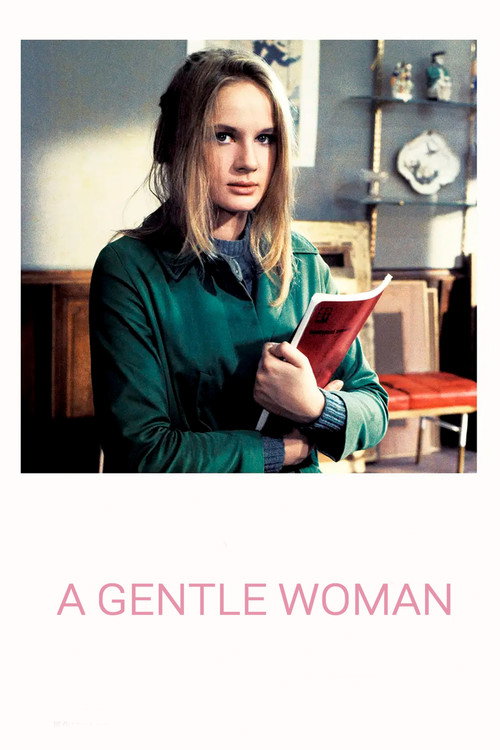
A Gentle Woman1969
Bresson's portrait of quiet desperation in marriage. Asks what happens when two people can't reach each other despite living together. Sparse and austere.
But Bresson's style is rigorous and cold. Where Truffaut is warm, this is ice. Not for everyone, and quite demanding.
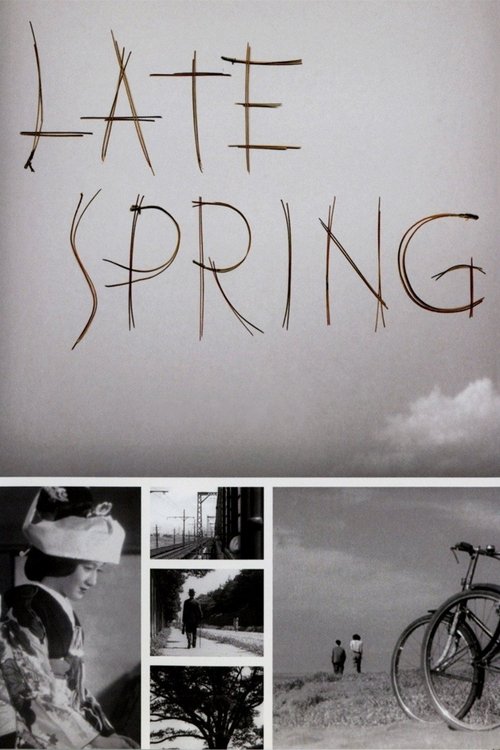
Late Spring1949
Like Antoine's films, it finds the entire emotional weight of a life in small domestic moments and the silences between people.
Ozu's story of a son and widowed father circling each other before separation. Minimal plot, maximum feeling. About time passing and how we pretend we're not afraid. Quietly devastating and endlessly rewatchable.
But A 1949 Japanese film shot with no camera movement and mostly static frames. If you need visual dynamism or Western narrative structure, it will test your patience.
A Prophet2009
Both trace how a young man's choices accumulate into a path he didn't fully choose. Both ask what price we pay for becoming adults.
A young man in prison transforms through will and adaptation, charting a moral arc from innocence to power. Intense, gripping thriller—but also about how survival hardens us, how growing up closes doors.
But Prison violence and brutality. It's nothing like Truffaut's tone—much darker and more visceral. Contemporary and French, but in an entirely different register.

People
Cast
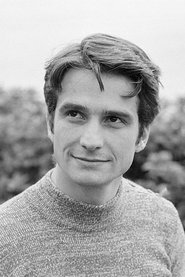 Jean-Pierre LéaudAntoine Doinel
 Marie-France PisierColette Tazzi
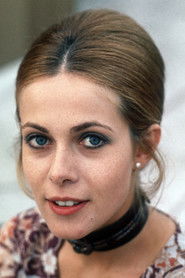 Claude JadeChristine Doinel
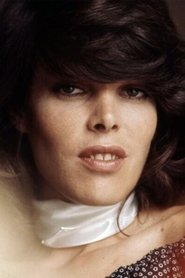 DaniLiliane
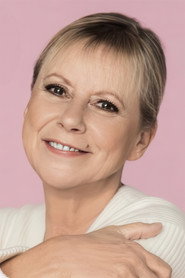 DorothéeSabine Barnerias
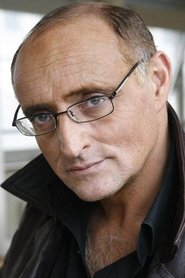 Daniel MesguichXavier Barnerias
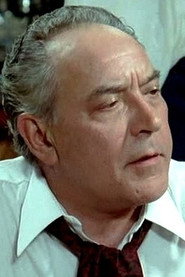 Julien BertheauMonsieur Lucien
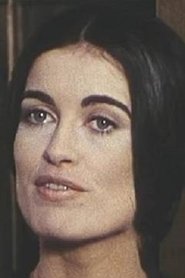 Marie HenriauLa Juge du Divorce
 Julien DuboisAlphonse Doinel
- Jean-Pierre DucosL'Avocat de Christine
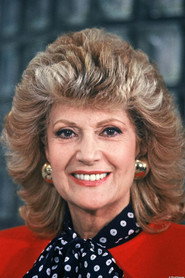 Rosy VarteLa Mère de Colette
- Pierre DiosMaître Renard
Directing
- François TruffautDirector
- Suzanne SchiffmanFirst Assistant Director
- Christine PelléScript Supervisor
- Emmanuel ClotSecond Assistant Director
- Nathalie SeaverThird Assistant Director
Writing
- François TruffautScreenplay
- Jean AurelScreenplay
- Marie-France PisierScreenplay
- Suzanne SchiffmanScreenplay
Production
- Roland ThénotAssistant Production Manager
- François TruffautProducer
- Marcel BerbertProduction Manager
- Josiane CouëdelProduction Secretary
- Geneviève LefebvreUnit Manager