
Film
Bed and Board
The fourth Antoine Doinel film finds our hero married, supposedly settled, yet already restless. Truffaut's tender comedy-drama watches domesticity strain under desire and circumstance, tracing how love and commitment fray when life refuses to stay small. It's intimate, funny, sad, and achingly human—for anyone who's felt the gap between the person they promised to be and the person they actually are.
Should you watch it?
Watch it if you already love Antoine from the earlier films and want to see how his restlessness plays out inside a marriage, delivered with a wry, affectionate lightness.
Skip it if you need a plot that pushes forward; this is episodic, talky and small-scale, with little beyond ordinary domestic routine to drive it.
What it asks of you: Ninety-seven minutes, unhurried and conversational, with long quiet stretches of domestic talk; attention rewards you more than momentum does.
Not sure? Find tonight's pick in a minute.
If you liked this
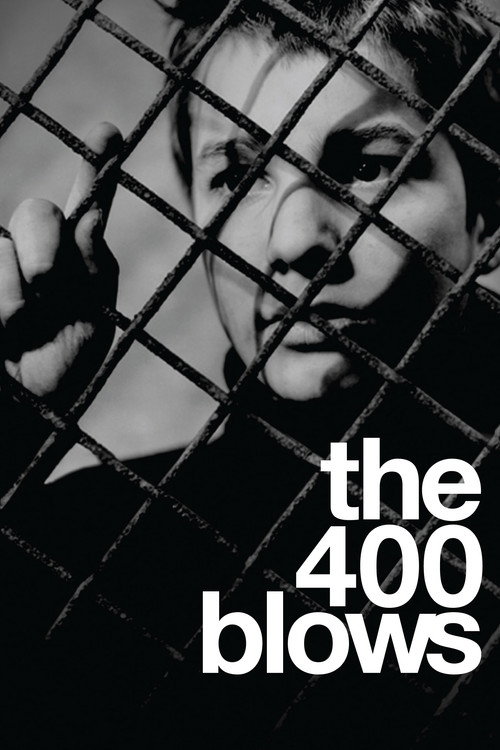
The 400 Blows1959
The film that started it all: young Antoine as a troubled boy, setting the template for Truffaut's portrait of the perpetual outsider. Essential context and heartbreaking in its own right.
But It's slower than modern films expect, and the ending is famously ambiguous—some find that unsatisfying rather than profound.
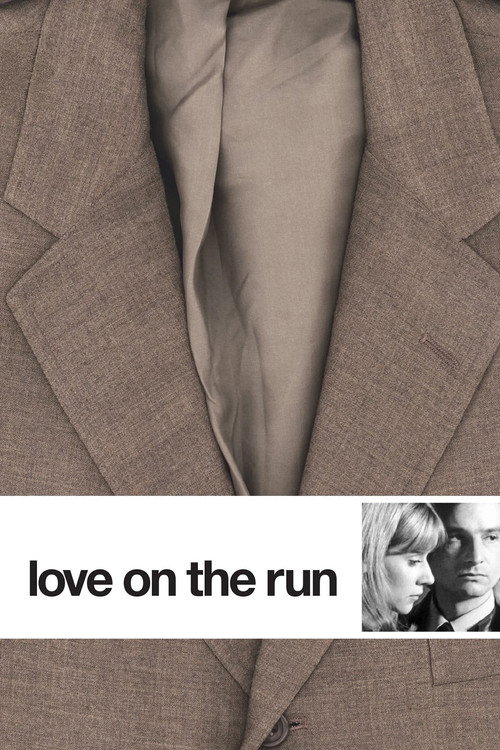
Love on the Run1979
The fifth and final Doinel chapter, where Antoine is middle-aged and reflecting. Together with Bed and Board, it forms the arc of a life—how we become ourselves and what we regret.
But It's more melancholic than comic, and assumes you've followed Antoine's journey. Jumping here without the earlier films won't land the same way.
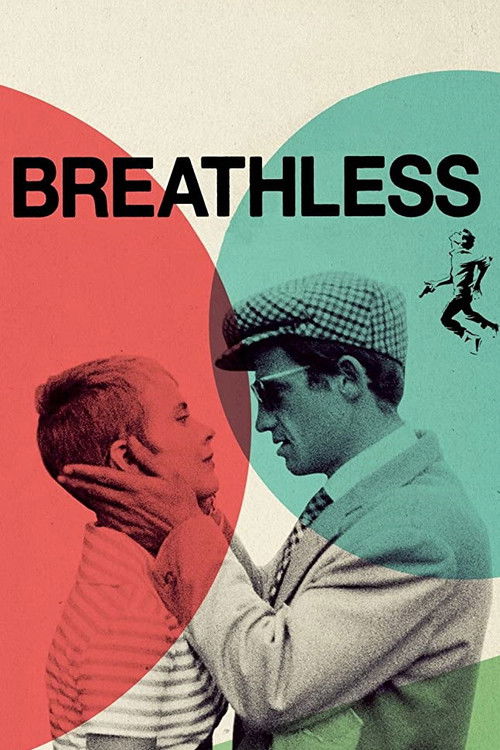
Breathless1960
Godard's debut has the same restless energy and romantic fatalism. A beautiful woman, a morally compromised man, Paris as backdrop—the DNA of New Wave romance.
But It's fragmented and more experimental than Truffaut. If you want plot clarity, you won't find it here.
Not sure tonight? Get a pick in a minute, starting from Bed and Board
The wildcard
Something you would not have found on your own.
Harakiri1962
Both explore the collision between social expectation (marriage, honor, duty) and the unreliable desires of the individual. Both ask: what do we owe to the people who love us?
Masaki Kobayashi's masterwork on duty, honor, and the gap between appearance and reality. Like Bed and Board, it examines what happens when a man's life doesn't fit the role he's supposed to play—but taken to tragic extremity.
But It's a samurai film of formal ritual and slow-burn tragedy. Nearly three hours, deeply serious, and emotionally punishing. This isn't entertainment—it's art.

More like this (8)
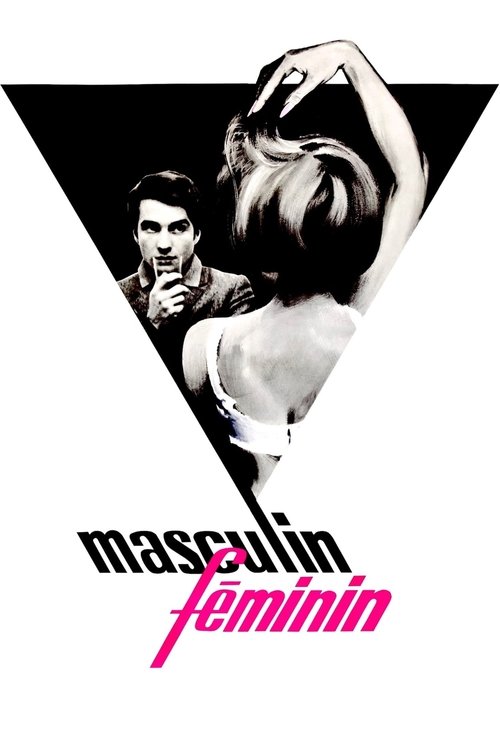
Masculin Féminin1966
Godard's portrait of young love and urban restlessness in Paris. Sex, philosophy, product placement, and the feeling that everything is simultaneously trivial and urgent.
But It's deliberately didactic and stops for philosophical interviews. Some find the modernism more annoying than illuminating.
Two English Girls1971
Truffaut again, this time looking at desire and infidelity from multiple angles. Like Bed and Board, it's about wanting what you don't have while holding what you do.
But It's told in fragments and shifts perspective confusingly. The romance can feel cold compared to the emotional warmth of earlier Doinel films.

Contempt1963
Godard's masterpiece about marriage and cinema. A husband and wife, a script, infidelity lurking—watching love curdle into resentment is devastating and gorgeous.
But It's very long, very talky, and visually strange. Godard's philosophical digressions won't appeal if you're here for story momentum.

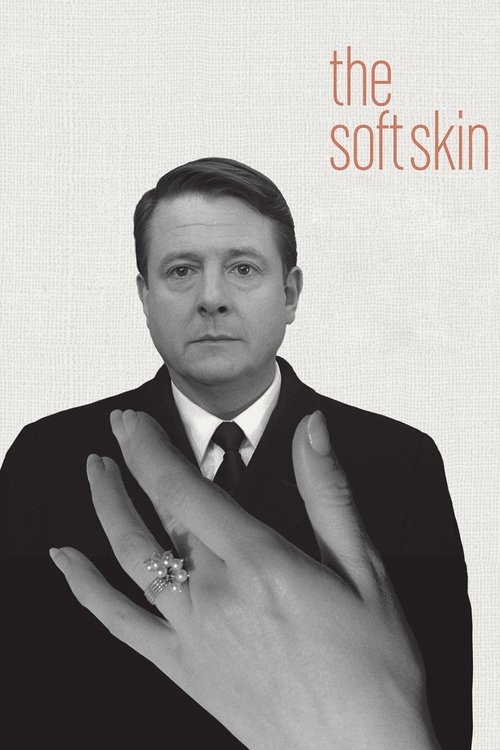
The Soft Skin1964
Truffaut's devastating drama of a man's affair and its aftermath. Quieter than Bed and Board, but the emotional precision is laser-sharp.
But It's genuinely sad and never resolves the way you might want. There's no redemption, just consequence.
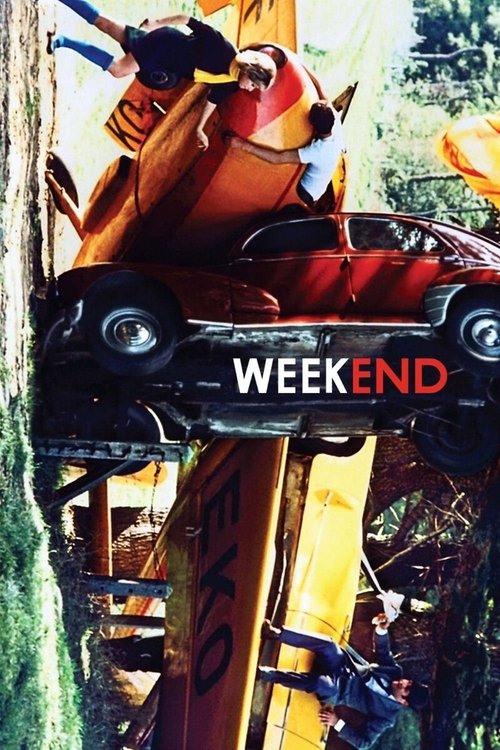
Weekend1967
Godard's dark satire of bourgeois life—a married couple's road trip devolves into nightmare. It shares Bed and Board's interest in relationship erosion, but through apocalypse rather than comedy.
But It's aggressively weird and anarchic. The famous tracking shot goes on for seven minutes. If you want conventional cinema, run.
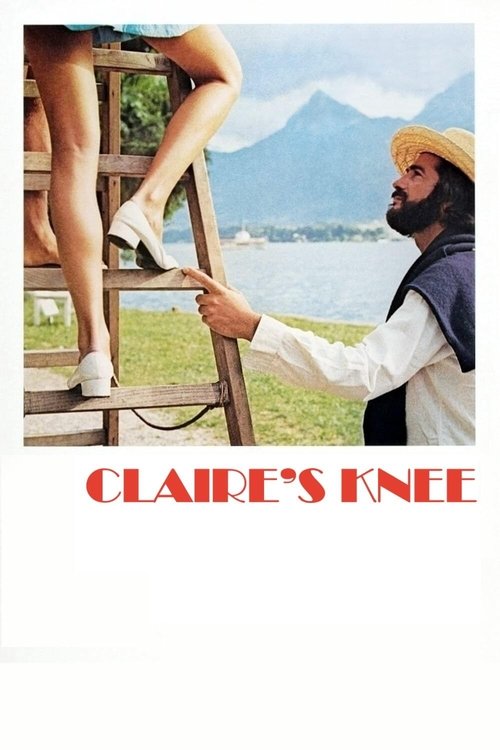
Claire's Knee1970
Rohmer's film from the same year—a man obsessed with a young woman's knee. It's lighter and more wry, but shares the French fascination with desire as something logical and analyzable.
But Almost nothing happens. The pleasure is entirely in conversation and philosophical meditation. Patience is non-negotiable.
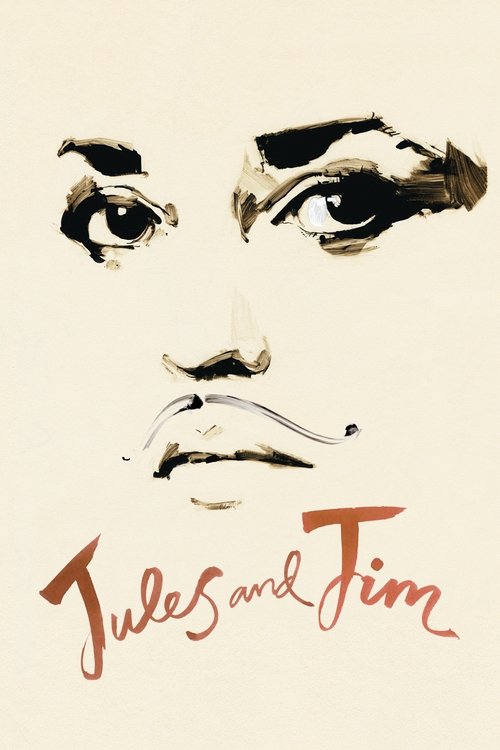
Jules and Jim1962
Same director, same era, same obsession with desire and fidelity. But this one is a grand narrative where Bed and Board is intimate—seeing them together shows how much Truffaut's vision deepened.
Truffaut's earlier masterpiece about two men and the woman who loves them both. It has Bed and Board's romantic restlessness and Paris energy, but told as a sweeping epic. A Truffaut film to watch alongside it.
But It's a famous film everyone recommends, so it might feel inevitable rather than surprising. Also, it can feel dated in its gender politics.
In the Mood for Love2000
Both use infidelity as a mirror to examine what commitment means. Both argue that sometimes the most romantic choice is the refusal to act. But Wong achieves this through hyperstylized cinema rather than Truffaut's naturalism.
Wong Kar-wai's Hong Kong masterpiece uses color, music, and fractured time to capture the ache of want. Two neighbors discover their spouses are having an affair; they fall in love while resisting it. Visual poetry on longing and restraint.
But It's 98 minutes of gorgeous stasis. There's almost no plot, and if you need things to happen, you'll be frustrated. Also: subtitles, and a very different visual language from the 1970 original.

People
Cast
 Jean-Pierre LéaudAntoine Doinel
 Claude JadeChristine Doinel
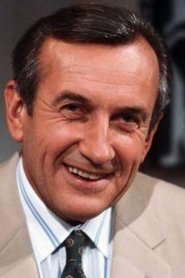 Daniel CeccaldiLucien Darbon
- Claire DuhamelMadame Darbon
- Hiroko MatsumotoKyoko
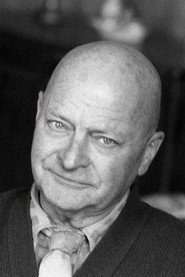 Daniel BoulangerLe Voisin Ténor
- Silvana BlasiSilvana, la Femme du Ténor
 Barbara LaageMonique, la Secrétaire
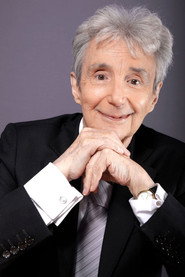 Claude VégaLe Pseudo Étrangleur
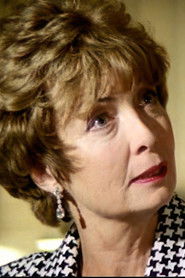 Danièle GirardGinette, la Serveuse
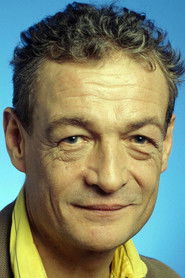 Philippe LéotardL'homme Ivre (uncredited)
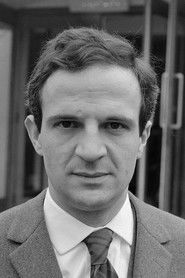 François TruffautLe Marchand de Journaux (voice) (uncredited)
Directing
- François TruffautDirector
- Suzanne SchiffmanFirst Assistant Director
- Christine PelléScript Supervisor
- Jean-François StéveninSecond Assistant Director
Writing
- Bernard RevonDialogue
- Claude de GivrayDialogue
- François TruffautDialogue
- Bernard RevonScreenplay
- Claude de GivrayScreenplay
- François TruffautScreenplay
Production
- Christian LentretienAdministration
- André MucchielliProducer
- François TruffautProducer
- Hercule MucchielliProducer
- Marcel BerbertProducer
- Claude MillerProduction Manager
- Lucette DesmouceauxProduction Secretary
- Roland ThénotUnit Manager