
Film
Two English Girls
Truffaut's tender, digressive romance about a French man caught between two English sisters across twenty years and two countries. It's a film that trusts time to do the work—patient, literary, invested in how people change and how love calcifies into regret. For anyone who believes the smallest gestures matter most.
Should you watch it?
Watch it if you love slow, observant romances where longing matters more than plot, and you're happy to watch one tender, stubborn attachment unfold at its own patient pace.
Skip it if a restless viewer will find the long, unhurried stretches a real test, since this is a leisurely period piece with little urgency and a runtime that asks for patience.
What it asks of you: Two and a half hours of settled, watchful pacing, where scenes linger on glances and waiting rather than on incident; it rewards sustained attention and a tolerance for melancholy.
Not sure? Find tonight's pick in a minute.
If you liked this
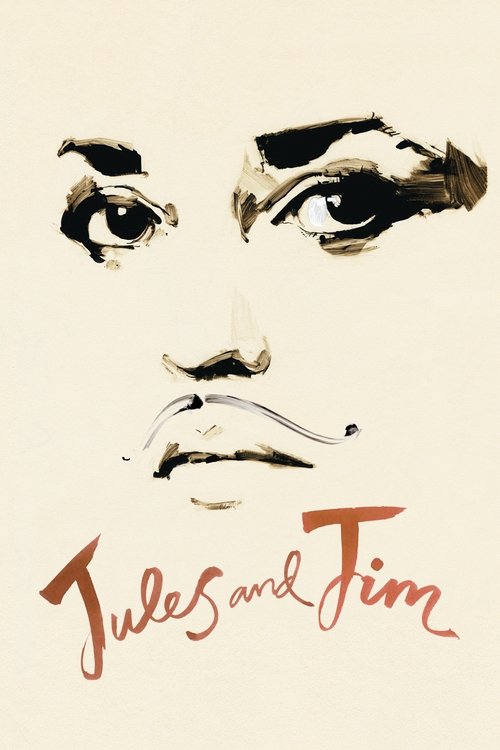
Jules and Jim1962
Truffaut's earlier love triangle, equally lyrical and melancholy. It shares the same romantic philosophy: desire as something beautiful precisely because it cannot be sustained or resolved.
But The famous tracking shot overshadows everything else in people's memory. You might expect more plot momentum than either film provides.
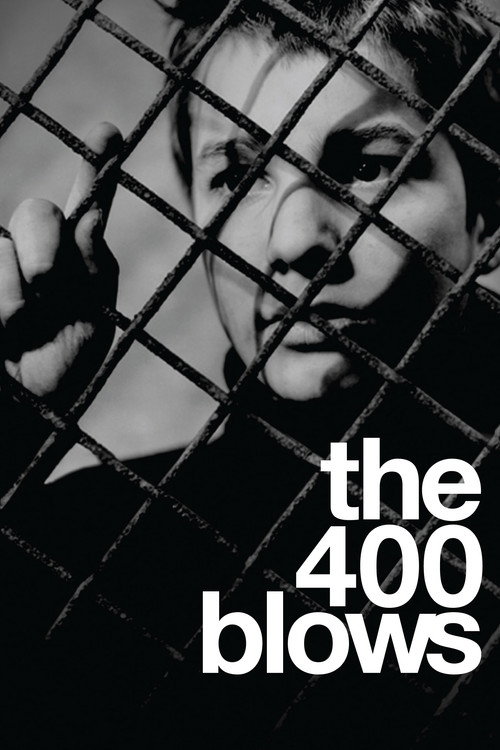
The 400 Blows1959
If you want Truffaut at his most emotionally direct. It's less diffuse than Two English Girls but has the same belief that small moments and long takes reveal character better than dramatic incident.
But It's explicitly about childhood and adolescence. The tonal register is quite different—more urgent, less dreamy.
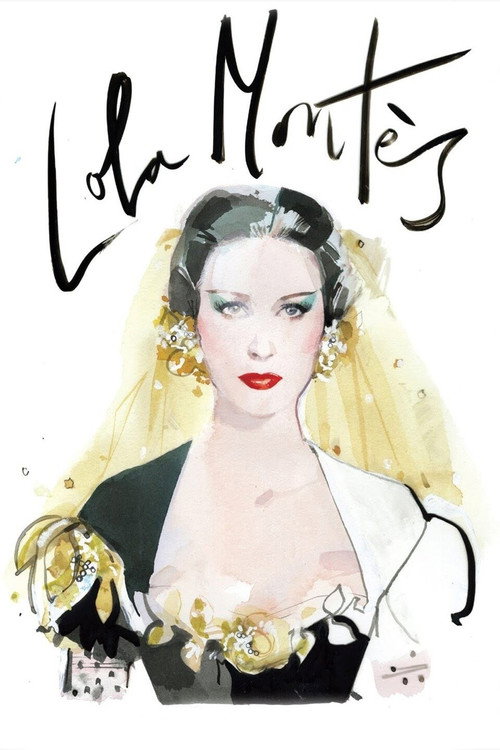
Lola Montès1955
Ophüls' epic, fragmentary portrait of a woman across time and geography. Like Truffaut's film, it follows desire through decades and refuses to judge its heroine, treating her contradictions as human truth.
But It's visually baroque and structurally complex in ways that demand active watching. The Technicolor artifice won't feel restful.
Not sure tonight? Get a pick in a minute, starting from Two English Girls
The wildcard
Something you would not have found on your own.
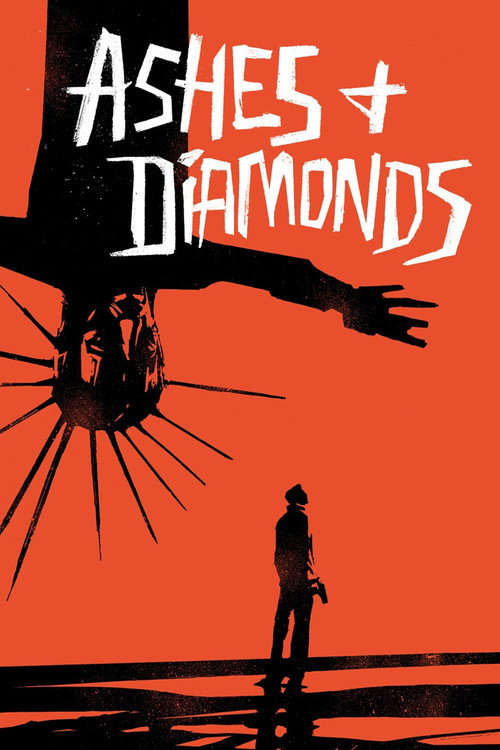
Ashes and Diamonds1958
Both films use romantic love as a lens to examine how history and circumstance interrupt and reshape personal desire. Both trust their actors' faces to carry the weight of unspoken feeling.
Andrzej Wajda's Polish masterpiece about a young man caught between desire and duty in postwar chaos. It has Two English Girls' elegance and romanticism but transplants it to a country in ruins—the same emotional archaeology in a completely different historical register. Wajda makes poetry from constraint the way Truffaut does, but his is political and mortal.
But It's a film about Polish resistance and Soviet occupation. If you need emotional distance from historical tragedy, the setting will not provide it.
More like this (8)
The Remains of the Day1993
Ismail Merchant's adaptation of the Kazuo Ishiguro novel about duty, class, and the cost of emotional restraint. Two English Girls shares its preoccupation with what people cannot say, and how their silence shapes their lives.
But It's much more controlled and reserved in tone. Where Truffaut luxuriates, Ivory is austere—less romantic, more tragic.

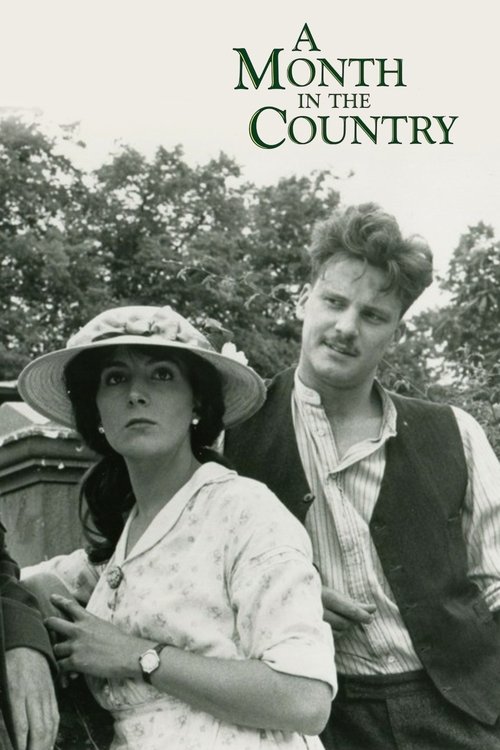
A Month in the Country1987
An English summer, recovery, tentative love between damaged people. It has the same unhurried pace and faith that small gestures—a glance, a conversation by water—contain everything that matters.
But It's a very quiet film. If you need a story with momentum or external stakes, you'll find it glacially slow.
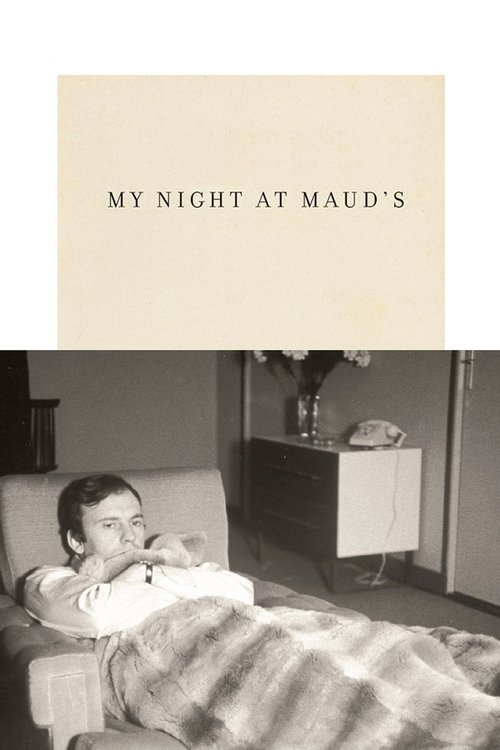
My Night at Maud's1969
Rohmer's chamber piece about chance, faith, and attraction. Like Two English Girls, it's a film about conversation and thought more than action. Ideas and feelings are the plot.
But There are long philosophical discussions. If you dislike dialogue-heavy cinema or prefer visual storytelling, you'll be frustrated.
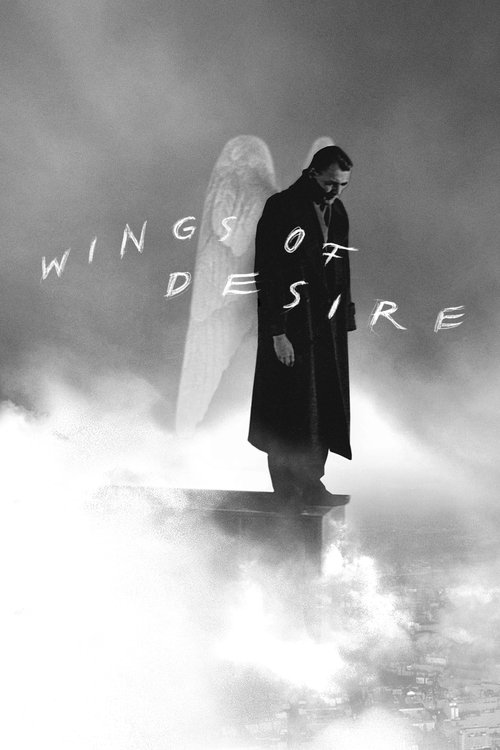
Wings of Desire1987
Wenders observing human connection with wonder and melancholy across time. It shares Truffaut's romanticism and his belief that watching people matters more than watching things happen.
But It's genuinely mystical and abstract. Some scenes have little narrative purpose. You have to accept its logic or it feels slow and opaque.
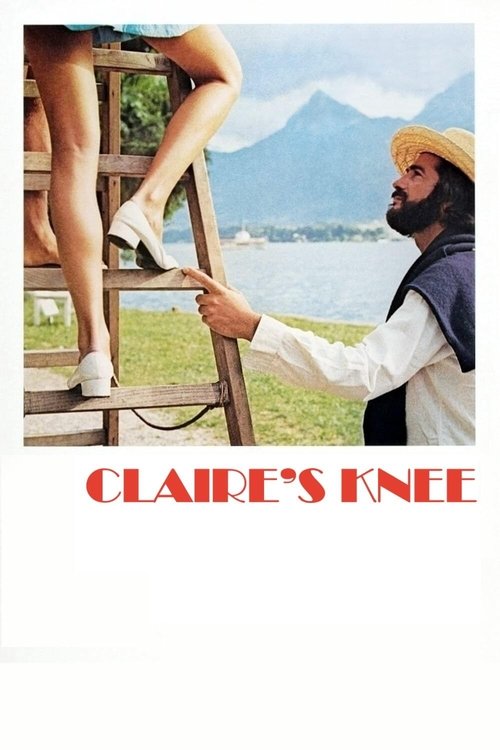
Claire's Knee1970
Another Rohmer chamber film, the year before Two English Girls. Observation and temptation; the beauty of surfaces and the architecture of small social moments. Both are films about wanting what you cannot have.
But Nothing happens. A man thinks about touching a woman's knee. If that sounds unbearable, it will be for you.
Contempt1963
Godard on marriage, cinema, and the spaces that open between people who thought they understood each other. Different in tone—more fractured, more angry—but the same anatomy of how love dies.
But It's self-consciously modernist and sometimes punishing. Godard is less generous with his characters than Truffaut, and it shows.

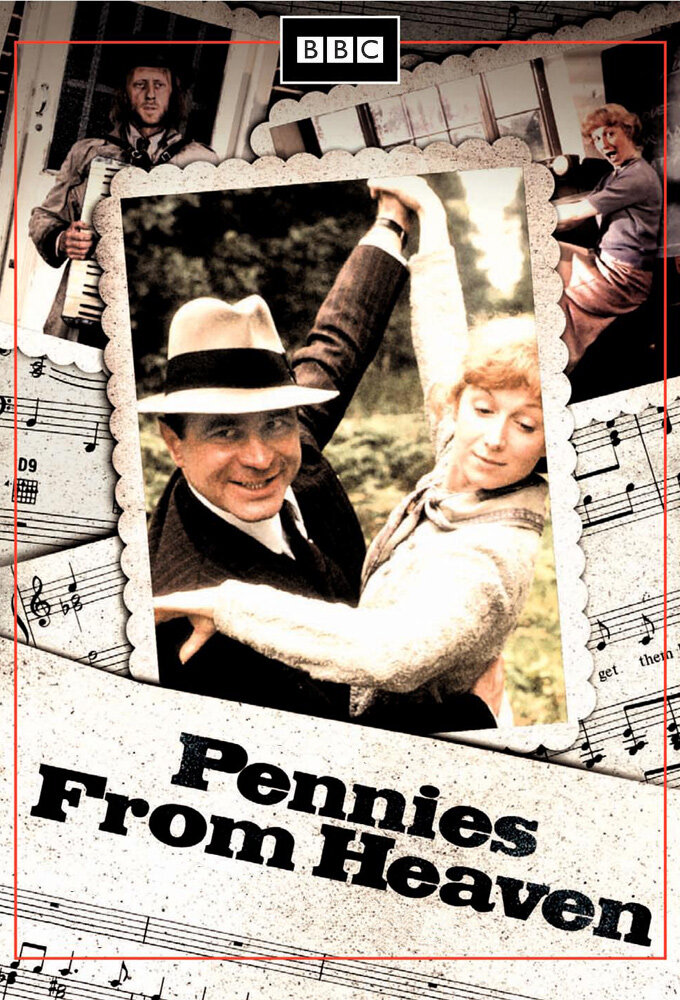
Pennies from Heaven1978
Both are about desire as escape, but Potter roots it in specific historical moment and economic hardship. Where Truffaut is elegant, Potter is raw. Both understand that romance is how people survive.
Dennis Potter's six-part miniseries about a sheet-music salesman in Depression-era London seeking transcendence through love, sex, and fantasy. It has Two English Girls' investment in how longing structures a life, but it burrows into class and desperation Truffaut avoids. The fantasy sequences are rapturous—suddenly the world breaks open into music and colour.
But It contains sexual violence and is very bleak about what sex and love mean under economic pressure. The fantasy-reality shifts can feel dissonant, especially if you prefer tonal consistency.
In the Mood for Love2000
Both films are about love that cannot be consummated or resolved, but where Truffaut spreads his story across decades and geography, Wong Kar-wai compresses his to a single building and a few months. Same emotional core, entirely different form.
Wong Kar-wai's Hong Kong masterpiece about two neighbours who discover their spouses are having an affair. It's about longing expressed through colour, space, and the body held at distance—as much about what is not touched as what is. Shot through with the same belief that restraint and yearning are themselves beautiful, worthy of the camera's entire attention.
But It is intentionally artificial and composed. If you want naturalistic acting or dialogue that sounds like speech, you will find it mannered and cold. The pace is deliberately slow.

People
Cast
 Jean-Pierre LéaudClaude Roc
 Kika MarkhamAnn Brown
 Stacey TendeterMuriel Brown
 Sylvia MarriottMrs. Brown
 Marie MansartMadame Roc
 Philippe LéotardDiurka
 Irène TuncRuta
- Mark PetersonMr. Flint
 Georges DelerueClaude's Business Agent
- Marie IracaneMadame Roc's Maidservant
 Marcel BerbertVendeur d'Art
 Jeanne LobrePorter
Directing
- Suzanne SchiffmanAssistant Director
- François TruffautDirector
- Christine PelléScript Supervisor
- Olivier MergaultSecond Assistant Director
Writing
- Henri-Pierre RochéNovel
- François TruffautWriter
- Jean GruaultWriter
Production
- Christian LentretienAdministration
- Marcel BerbertExecutive In Charge Of Production
- Claude MillerProduction Manager
- Roland ThénotUnit Manager
Recommended by
Bed and Board, The Story of a Three-Day Pass, The Mother and the Whore, François Truffaut: Stolen Portraits, Identification of a Woman, Sentimental Education, The Aviator's Wife