
Film
The Mother and the Whore
Godard's collaborator Jacques Rivette makes a three-and-a-half-hour love triangle that feels less like drama and more like eavesdropping on real people. Languid, talky, and hypnotic, it captures the texture of Parisian life in the early '70s with almost anthropological precision. For patient viewers who want to inhabit a moment rather than consume a plot.
Should you watch it?
Watch it if you love long, talky films where the characters argue, drift and philosophize in cafés and bedrooms until their self-deceptions feel painfully familiar, and you don't mind three and a half hours of it.
Skip it if you need plot momentum or a brisk turn of events, since this is mostly people talking in rooms, and the 219-minute runtime will test anyone's patience.
What it asks of you: Settle in for well over three hours of slow, black-and-white conversation, with long takes that let silences and cigarettes do much of the work.
Not sure? Find tonight's pick in a minute.
If you liked this
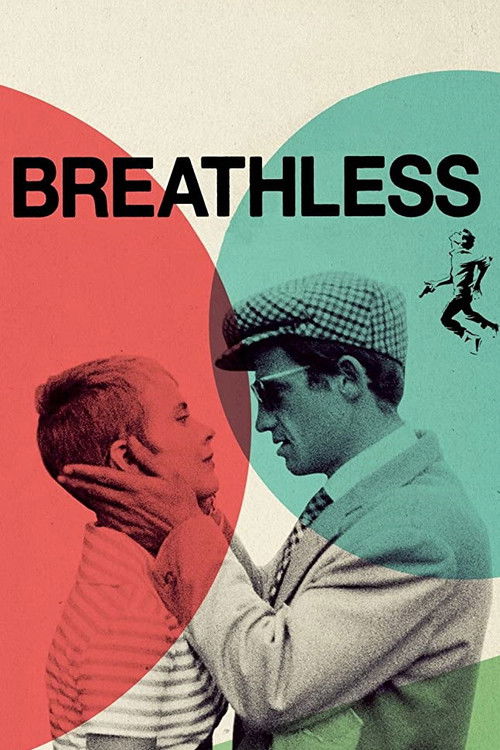
Breathless1960
The spiritual ancestor: Godard's restless energy, the documentary-style handheld camera, the romance shot through with emotional brittleness and infidelity. It's shorter but hits similar nerves about love and drift.
But Jean-Luc Godard's jump cuts and self-conscious filmmaking can feel dated or mannered if you're not in the mood for it to be aware of itself.
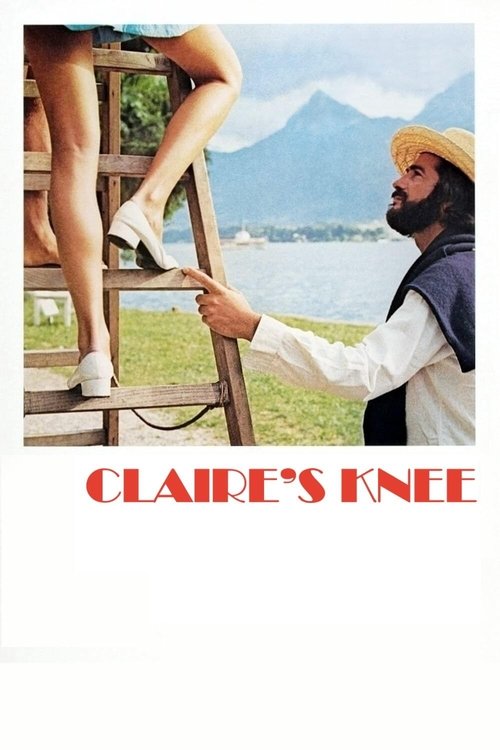
Claire's Knee1970
Éric Rohmer's exact contemporary: precise, wordy, about the architecture of desire and how people rationalize their own infidelity. It too makes philosophy and conversation the engine of the story.
But Nothing really happens. It's all internal negotiation and dialogue. If you need incident or dramatic climax, you'll find it tedious.
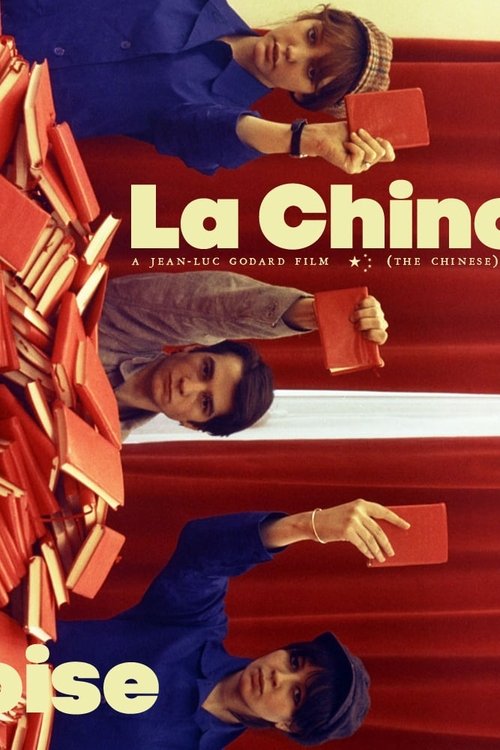
La Chinoise1967
Another '60s Godard film with a similar ensemble-of-unhappy-people feeling, political undercurrent, and willingness to let scenes breathe and sprawl. Same DNA, more overtly ideological.
But It's even more self-conscious about cinema than Breathless, and the politics date badly. Some find it unforgiving.
Not sure tonight? Get a pick in a minute, starting from The Mother and the Whore
The wildcard
Something you would not have found on your own.
Jeanne Dielman, 23, quai du Commerce, 1080 Bruxelles1976
Both films understand that watching someone live is cinema. Both resist drama and narrative shape in order to honor the incremental, unglamorous reality of existence. Both are three-and-a-half-hour experiences that demand your presence.
Chantal Akerman's three-and-a-half-hour film about a widow's routine—cooking, cleaning, accounting, sex work—shot in real time with minimal editing. It's Rivette's spiritual sibling: the same length, same patient attention to the texture of daily life, same refusal to condescend to what women do.
But It's austere and repetitive by design. Watching someone prepare a meal for 10 minutes will test your tolerance. It's not entertainment; it's a philosophical argument in the form of a film.

More like this (6)
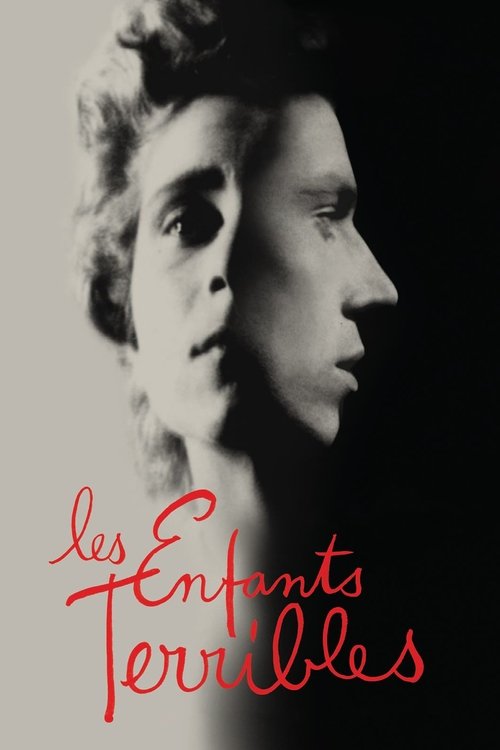
The Strange Ones1950
Cocteau's claustrophobic triangle of desire and codependency in a single apartment. Same intimate, airless quality; same sense that these people are performing their lives for each other.
But It's been adapted and imitated. The film looks its age. And it's more overtly theatrical than Rivette's naturalism.
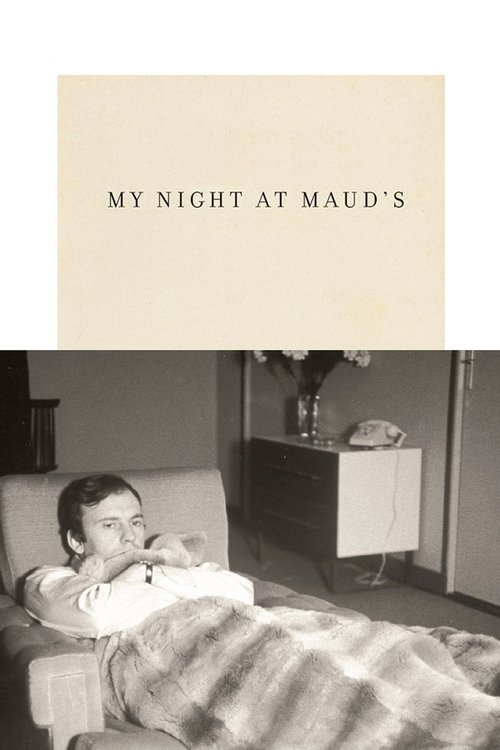
My Night at Maud's1969
Rohmer again, because he's essential to understanding Rivette's register. Entirely about conversation and philosophical flirtation. An overnight vigil of desire held at intellectual remove.
But It moves at a conversational pace. Some viewers will find it slower than slow—it's almost meditative, and that can feel like nothing to some.
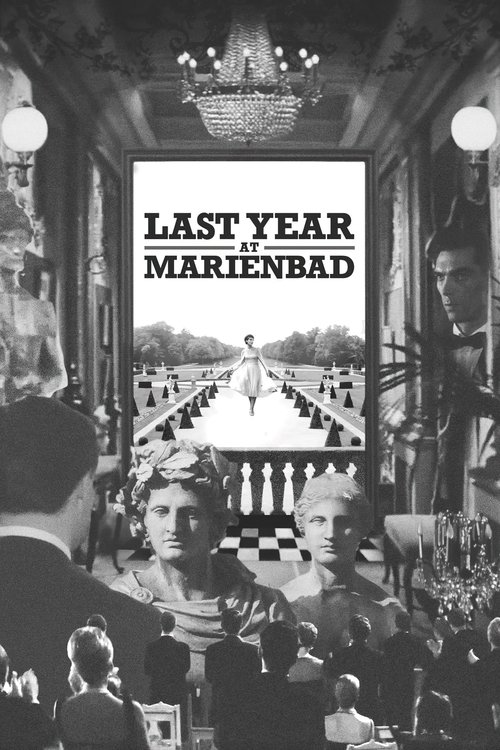
Last Year at Marienbad1961
Alain Resnais and Alain Robbe-Grillet making a film about memory, desire, and the unreliability of what we think we know about each other. Fractured time, erotic tension, the past hovering over everything.
But It's a puzzle box with no solution. Some find it precious and impenetrable rather than mysterious.
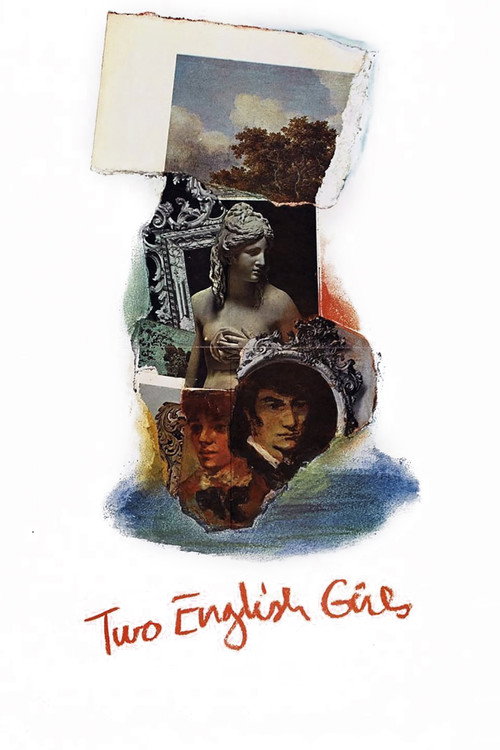
Two English Girls1971
Truffaut's own love triangle, filmed with the same sensual attention to period and texture. It's warmer than Rivette, but shares the structure and the bittersweet sense that love is unsustainable.
But It's sentimental where Rivette is clinical. If you prefer emotional distance to emotional indulgence, you'll resent its romanticism.
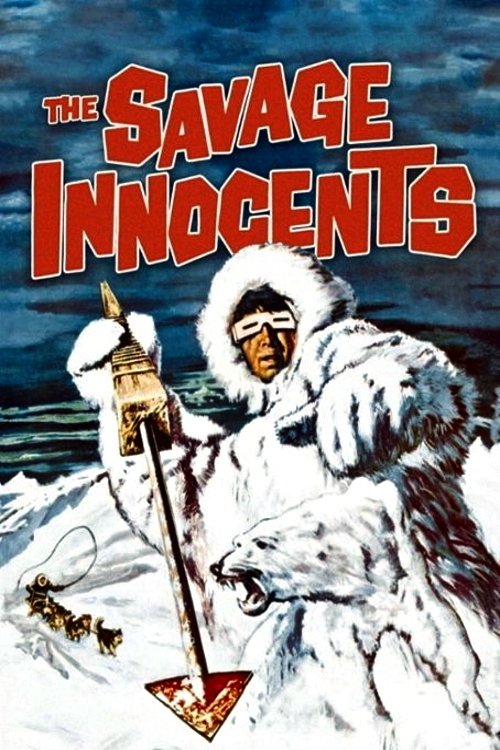
The Savage Innocents1960
Both are stranger in a strange land films. Both Rivette's protagonist and Ray's Inuk navigate worlds that don't quite accommodate their desires. Both films hold that displacement with tenderness rather than judgment.
Nicholas Ray's Inuit epic: a Parisian outsider story transplanted to the Arctic. Slow, observational, interested in cultural incomprehension and the friction between desire and circumstance. Shot in widescreen, gorgeously alien.
But It's a colonial-era film with an Inuit story told by Europeans. The politics are complicated and dated. It's also extremely paced—glacial, literally.
Scenes from a Marriage2021
Both are 1973 works that understand love as a collision of incompatible needs rather than a solution. Both use length and repetition to wear away sentiment and reach something true. Both trust the audience to sit with discomfort.
Bergman's six-episode excavation of a marriage in crisis, filmed the same year as Rivette's triangle. It's dialogue-heavy, brutally intimate, and unwilling to resolve anything. Same commitment to duration as a form of truth-telling.
But It's punishing. Bergman does not offer comfort. And it's Swedish television from the '70s—the style is formal and austere. Modern viewers sometimes find it cold.
People
Cast
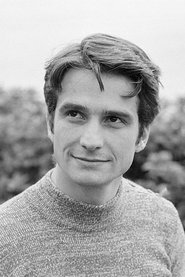 Jean-Pierre LéaudAlexandre
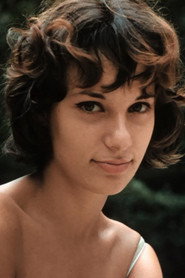 Bernadette LafontMarie
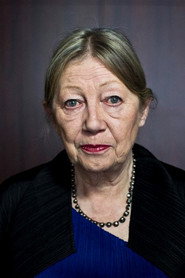 Françoise LebrunVeronika
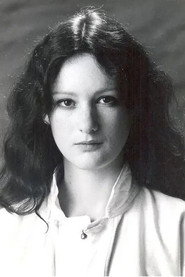 Isabelle WeingartenGilberte
- Jacques RenardAlexandre's Friend
- Jean-Noël PicqOffenbach's Fan
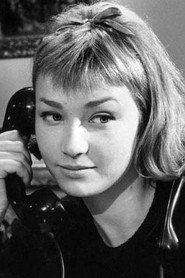 Berthe GranvalMarie's Friend
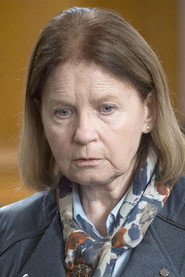 Geneviève MnichVeronika's Friend
- Jessa DarrieuxThe friend with the injured hand
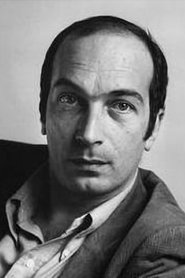 Jean-Claude BietteCafé Les Deux Magots' Customer (uncredited)
- Pierre Cottrell(uncredited)
Directing
- Luc BéraudAssistant Director
- Rémy DucheminAssistant Director
- Jean EustacheDirector
Writing
- Jean EustacheWriter
Production
- Alain CoiffierCo-Executive Producer
- Barbet SchroederCo-Producer
- Christian FechnerCo-Producer
- Claude BerriCo-Producer
- Jean-Pierre RassamCo-Producer
- Marcel BerbertCo-Producer
- Vincent MalleCo-Producer
- Pierre CottrellExecutive Producer
- Bob RafelsonProducer
- Claude BertrandProduction Manager
- Claude BertrandProduction Manager
Recommended by
Tout Va Bien, The Outsider, All About Them, Beau Pere, Our Children, The Story of Piera