
Film
The Strange Ones
Other titles called The Strange Ones: the 2018 film.
A French dream-logic chamber piece where two isolated siblings inhabit an elaborate fantasy world that warps and fractures when a stranger arrives. Directed by Jean Cocteau with his voice guiding you through it, this is 1950 cinema as pure mood and symbol: sensual, disturbing, hypnotic. For those who want cinema to feel like stepping into someone else's fever dream.
If you liked this
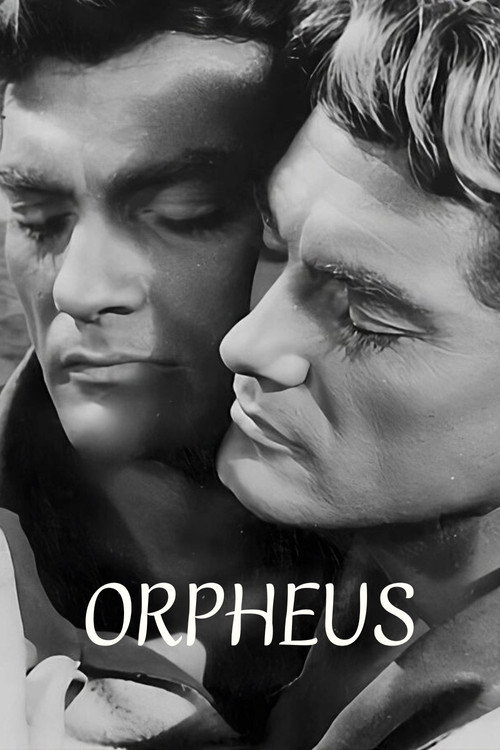
Orpheus1950
Cocteau's masterpiece, made the same year, with the same dreamlike logic applied to myth. Death becomes a chauffeur, mirrors are portals, and the Underworld is a nightclub. Utterly transportive.
But It's deliberately obscure in its symbolism, and some stretches feel static. You have to surrender to the atmosphere rather than follow a plot.
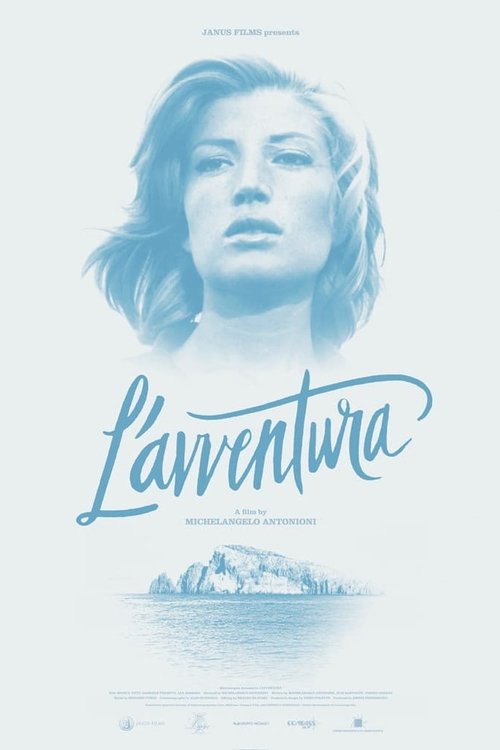
L'Avventura1960
Antonioni's masterpiece of psychological unease, where a woman vanishes and her boyfriend drifts into a new relationship while the mystery dissolves. Tension builds from mood and gesture, not incident.
But Nearly three hours, sparse dialogue, and the pacing is deliberately glacial. It demands patience and won't reward impatience.
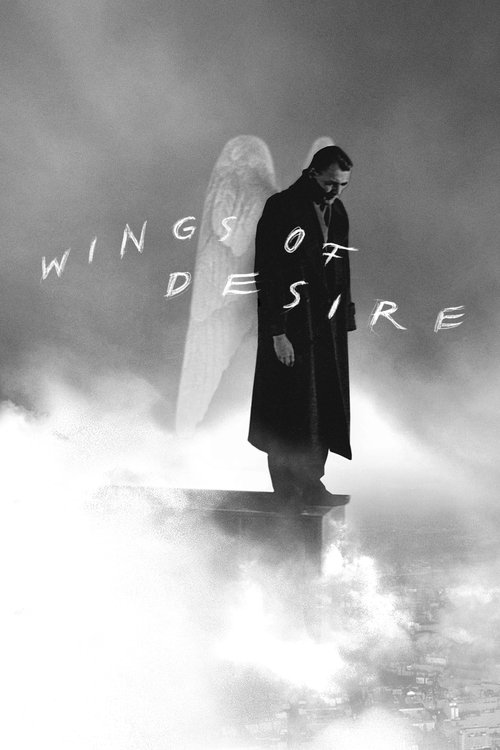
Wings of Desire1987
Wenders' Berlin poem about angels observing human longing. Lyrical, metaphysical, shot through with real tenderness. Cities and memory and desire become almost tangible.
But It's structurally loose and philosophical rather than narrative-driven. Some will find it pretentious; others will weep.
Not sure tonight? Get a pick in a minute, starting from The Strange Ones
The wildcard
Something you would not have found on your own.
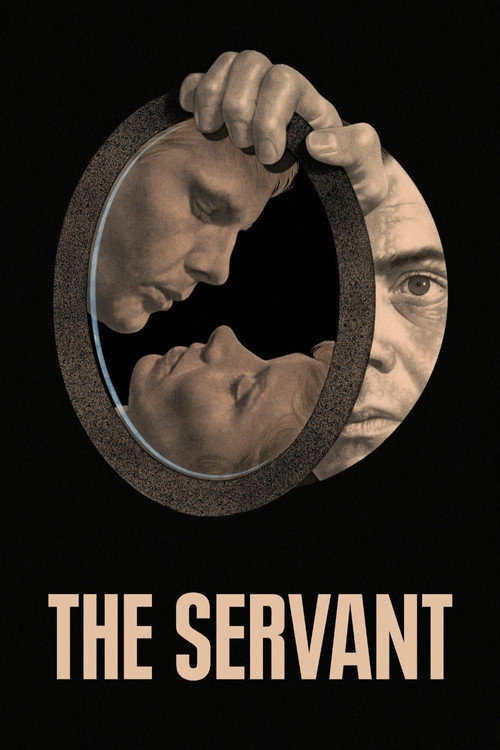
The Servant1963
Both films trap two people in an intimate space where desire and dependency become indistinguishable, and the arrival of a third person exposes the pathology beneath.
Joseph Losey's masterpiece of power and humiliation, where a servant gradually dominates his employer through psychological manipulation. Same claustrophobic two-person dynamic, same rot beneath civility, same queasy eroticism.
But It's subtle in its cruelty and deliberately ambiguous about who is actually controlling whom. Some will find it too slow; others will see it as perfect.
More like this (8)
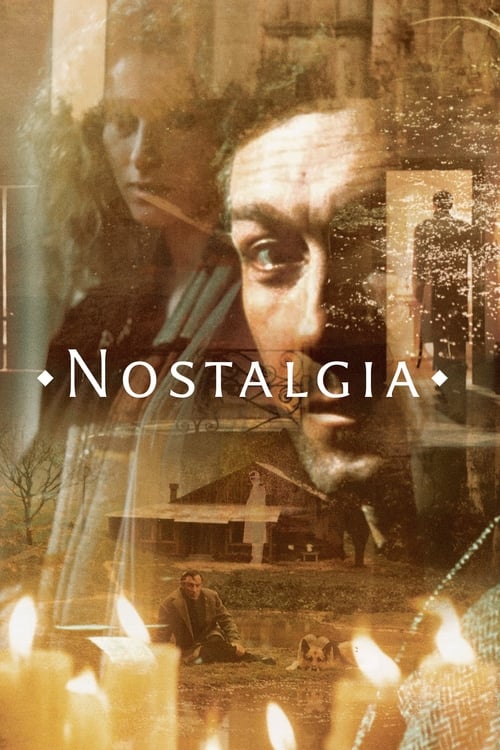
Nostalgia1983
Tarkovsky at his most meditative, following a poet through Italian landscapes while memory and faith and time itself seem to bend. Long takes, devotional precision, hypnotic beauty.
But It's 163 minutes of very slow cinema. Shots linger until they become almost unbearable. Not entertainment; an endurance test that rewards surrender.
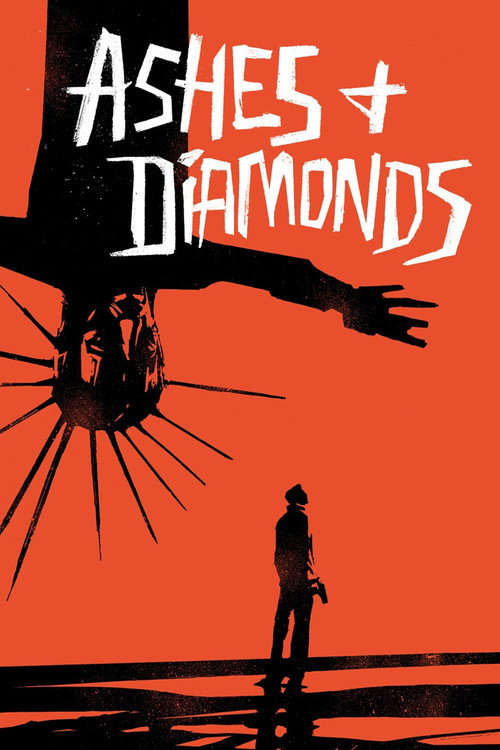
Ashes and Diamonds1958
Polish postwar tragedy with siblings at its emotional core, a strange beauty to violence, and the same sense of characters trapped in rituals that have stopped making sense.
But The political context is dense, and there's a coldness to the performances that some read as distant rather than haunting.
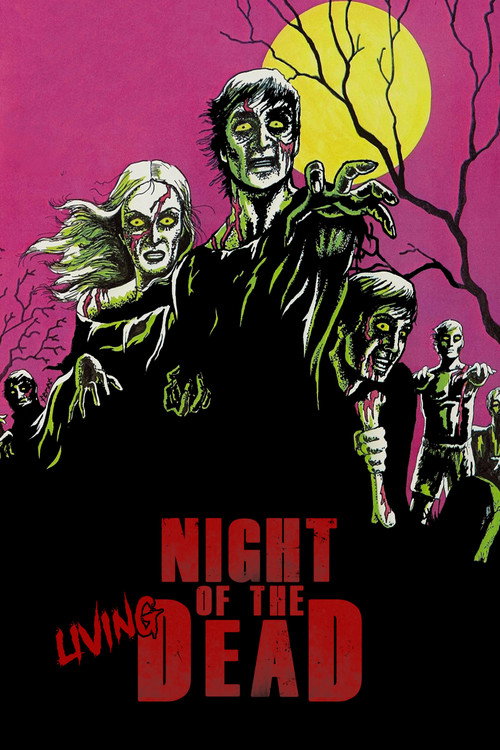
Night of the Living Dead1968
British anthology horror that creates a hermetically sealed nightmare where guests are trapped in a country manor and reality frays at the edges. Genuinely unsettling.
But Some segments are stronger than others, and the ending twist doesn't satisfy everyone. It's atmosphere over payoff.
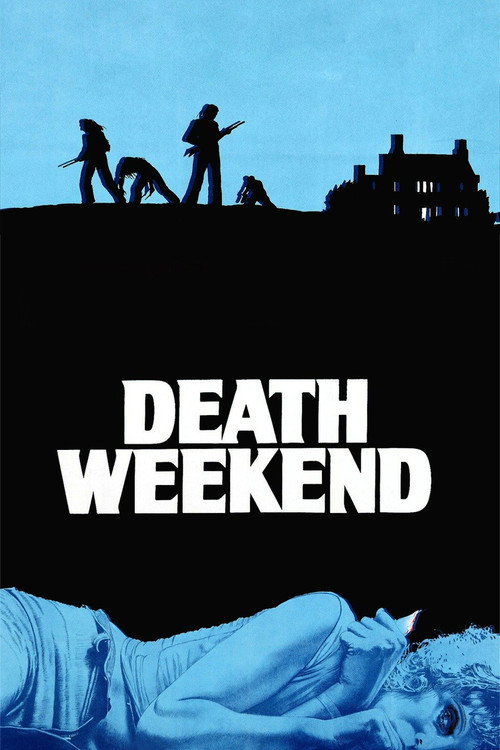
The House by the Lake1976
Romanian psychodrama where a family returns to their childhood summer house and old jealousies, resentments, and buried secrets poison the air. Perfectly pitched tension.
But It's deliberately confined and claustrophobic. If you prefer external action to internal dread, you'll hate it.
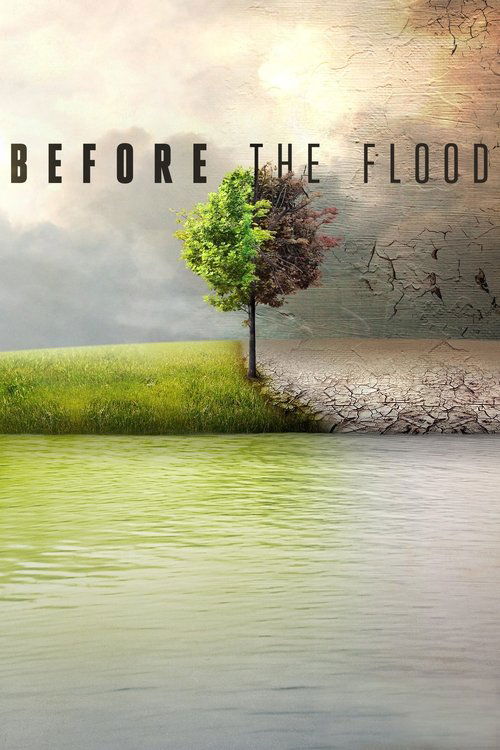
Before the Flood2016
Wim Wenders' documentary-fiction hybrid about migration and loss, with the same dreamlike quality as The Strange Ones, and a melancholy that settles into your bones.
But It's deliberately fragmented and resistant to conventional narrative. Some will find it affecting; others incomprehensible.
Stalker1979
Tarkovsky's science-fiction allegory about desire and faith, where three men journey through a mysterious zone toward a room that grants wishes. Meditative, strange, deeply moving.
But It moves at a philosophical crawl, with long sequences of walking and talking that test patience severely. If you want plot momentum, this isn't it.

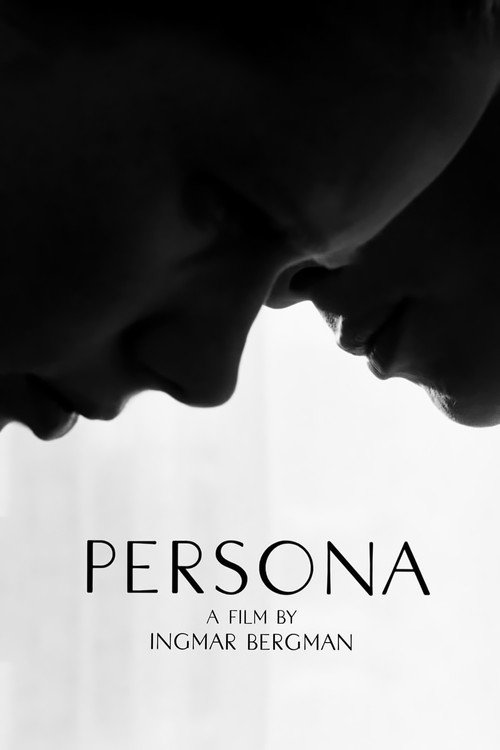
Persona1966
Both films use isolation and two-person psychology to explore identity and performance. Both suggest the self is not fixed but constructed, fragile, permeable.
Bergman's fever dream about an actress who stops speaking and a nurse drawn into her silence. Two women, mirrors, identity dissolving. One of cinema's most extraordinary hours.
But It's aggressively avant-garde in structure, with sequences that seem to tear the film itself apart. For those who want narrative and answers, it will be maddening.
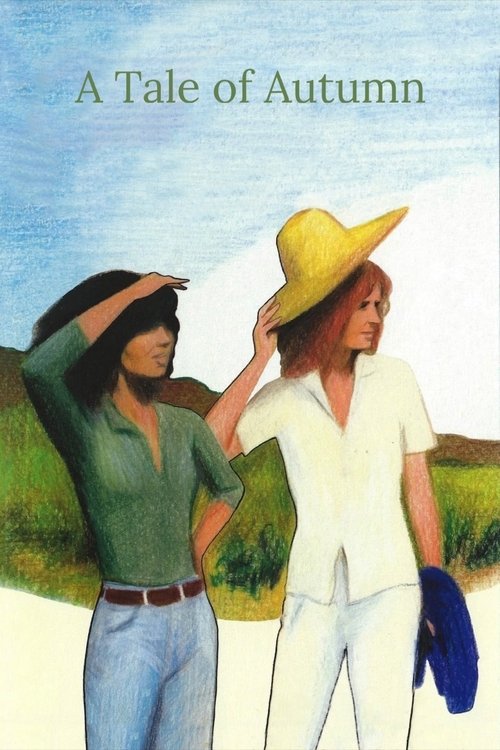
An Autumn Tale1998
Both films find dramatic intensity in psychological nuance and the unsaid. Both trust the audience to intuit meaning from gesture and omission. Both are about people constructing worlds within conversation.
Éric Rohmer's late masterpiece about middle-aged women and the men they might love, a story of pure conversation and subtle emotional entanglement. French cinema at its most civilised and probing.
But Nothing happens in the way you expect. It's all talk and glances and the texture of feeling. If you came for plot, you will be profoundly bored.
People
Cast
 Nicole StéphaneElisabeth
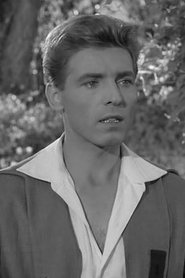 Édouard DermithePaul
 Renée CosimaDargelos / Agathe
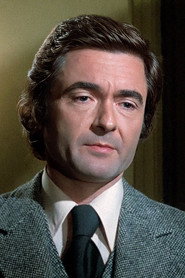 Jacques BernardGerard
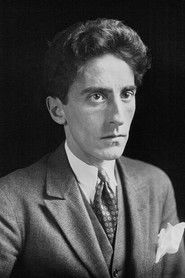 Jean CocteauNarrator (voice)
- Melvyn MartinMichael
- Maria CyliakusMother
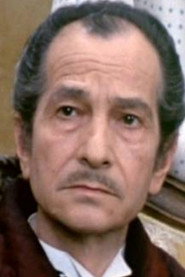 Jean-Marie RobainHeadmaster
- Maurice RevelDoctor
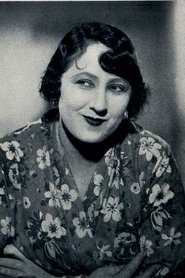
- Adeline AucocMariette
- Emile MathysVice Principal
Directing
- Claude PinoteauAssistant Director
- Serge BourguignonAssistant Director
- Jean-Pierre MelvilleDirector
Writing
- Jean CocteauNovel
- Jean CocteauWriter
- Jean-Pierre MelvilleWriter
Production
- Jean-Pierre MelvilleProducer