
Film
An Autumn Tale
- Social drama
- Slow-burning
Eric Rohmer's portrait of four middle-aged women navigating desire, friendship and solitude in rural Provence. Conversations drift between vineyards and kitchens; romance arrives as possibility rather than plot. It's unhurried, wise, occasionally wry—a film that trusts you to find meaning in what people *don't* quite say. For anyone who's ever felt love was supposed to happen by now.
Should you watch it?
Watch it if you enjoy talky, precise comedies of manners where matchmaking schemes, wine talk and small social misunderstandings carry the emotional weight, and you don't need the plot to rush.
Skip it if you want plot-driven momentum or a big emotional release; the talk runs long, the pace stays unhurried, and the romance remains muted and at arm's length.
What it asks of you: Settle in for 112 minutes of unhurried talk over meals and walks, the mood gentle and autumnal, with few sharp turns or big set pieces.
Not sure? Find tonight's pick in a minute.
If you liked this
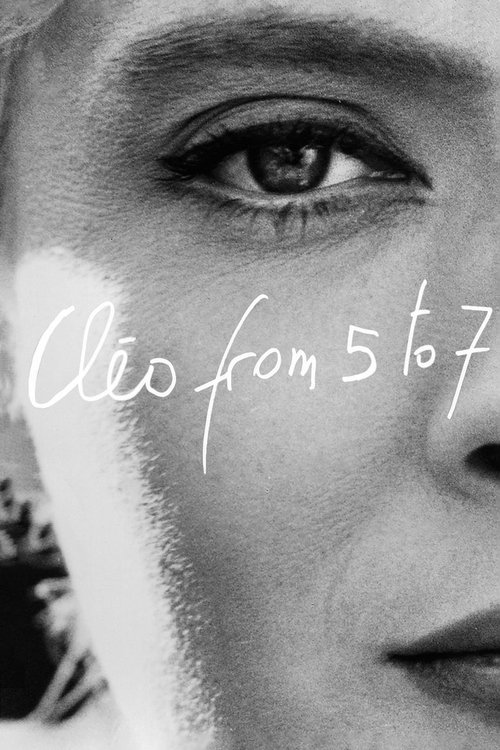
Cléo from 5 to 71962
Agnès Varda's real-time portrait of a woman waiting for test results, moving through Paris in a state of heightened perception. Shares Rohmer's gift for finding the profound in the everyday and the ordinary in the existential.
But Its loose, essayistic structure has no conventional drama. If you need plot momentum, this will feel like standing still.
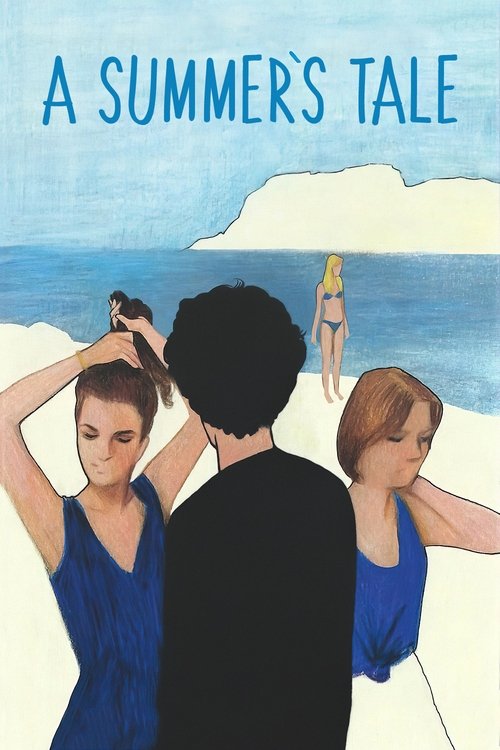
A Summer's Tale1996
Another Rohmer film, shorter and sunnier, about a young man juggling three women on a Breton beach. If you love *An Autumn Tale*'s rhythm and philosophy, his other work proves it's no accident—it's his whole method.
But Watching multiple Rohmer films back-to-back can blur together. The style is so consistent it risks feeling repetitive if you don't space them out.
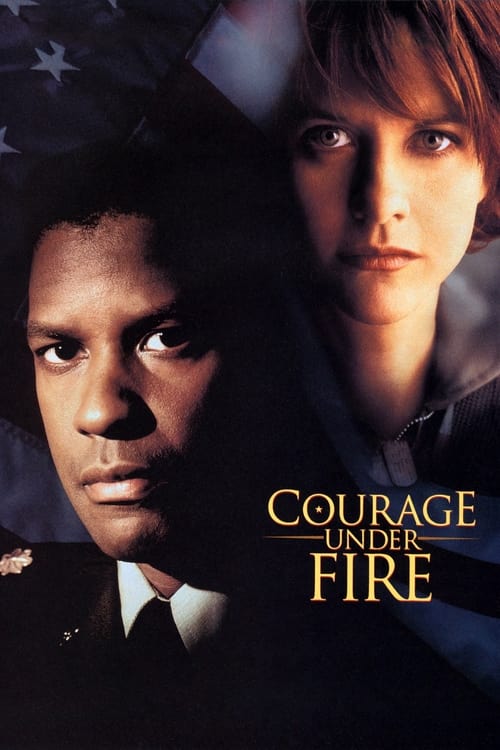
Courage Under Fire1996
Deepa Mehta's intimate study of two women in Delhi finding love and agency amid family pressure and social constraint. Shares the emotional precision and quiet courage of *An Autumn Tale*, but in a completely different cultural register.
But It handles sexual identity and religious intolerance directly. Some viewers may find the social tension exhausting rather than cathartic.
Not sure tonight? Get a pick in a minute, starting from An Autumn Tale
The wildcard
Something you would not have found on your own.
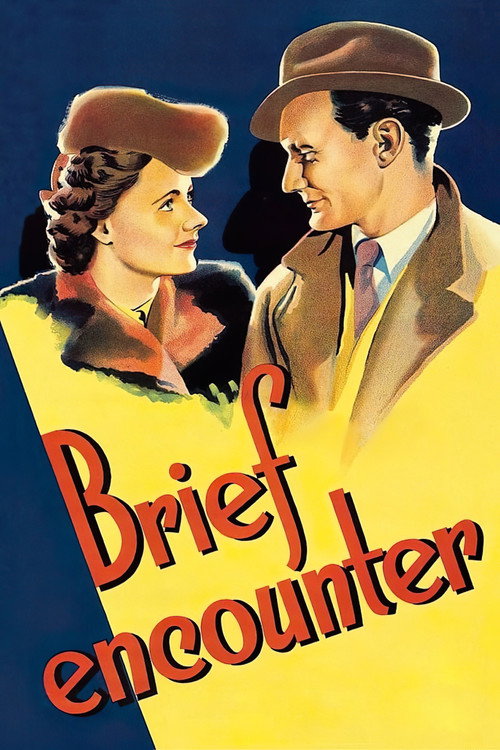
Brief Encounter1945
Both films understand that romance and restraint are not opposites—that what you *don't* do, what you *don't* say, can contain more feeling than grand gestures.
David Lean's masterpiece about two married strangers who fall in love over weekly tea. It's about longing held at a distance, the ache of connection that cannot be, and the profound quietness of feeling deeply while saying very little. Rohmer clearly learned from this.
But It's in black and white, shot in 1945, and moves at a pace that will feel glacial if you're used to modern editing. The emotion is buried so deep some will find it inaccessible.
More like this (7)
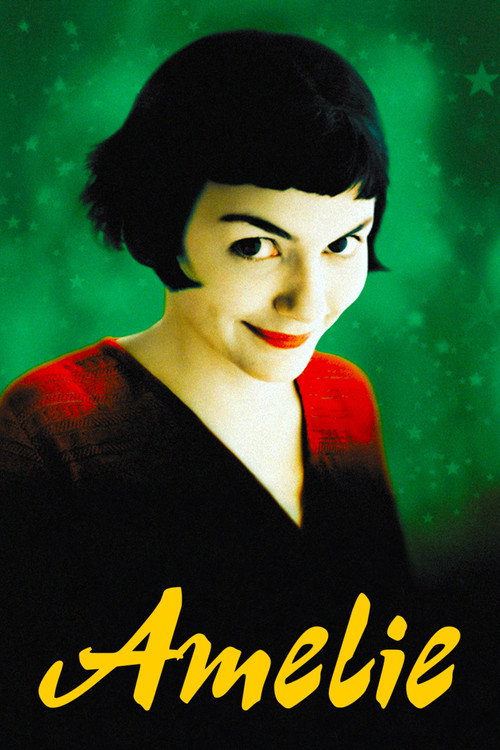
Amélie2001
Jean-Pierre Jeunet's whimsical Parisian romance, brimming with visual invention. Both films celebrate France and the possibility of connection; both believe in the magic of small gestures and patient attention.
But *Amélie* is aggressively whimsical and stylized. If you appreciated *An Autumn Tale*'s restraint, this will feel like the opposite extreme.
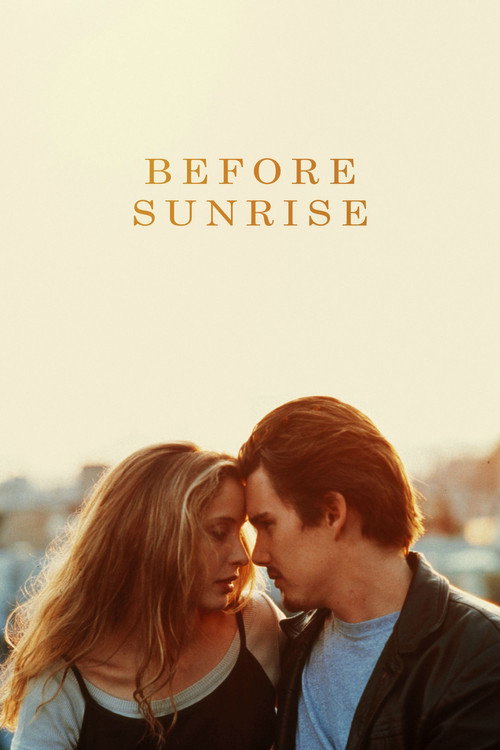
Before Sunrise1995
Richard Linklater's film is almost entirely two people talking through a night in Vienna. It shares *An Autumn Tale*'s faith in dialogue, its belief that conversation *is* romance, and its refusal to underline emotional beats.
But One conversation for ninety minutes. No music, no set pieces, no visual pyrotechnics. If dialogue alone doesn't engage you, this won't convert you.
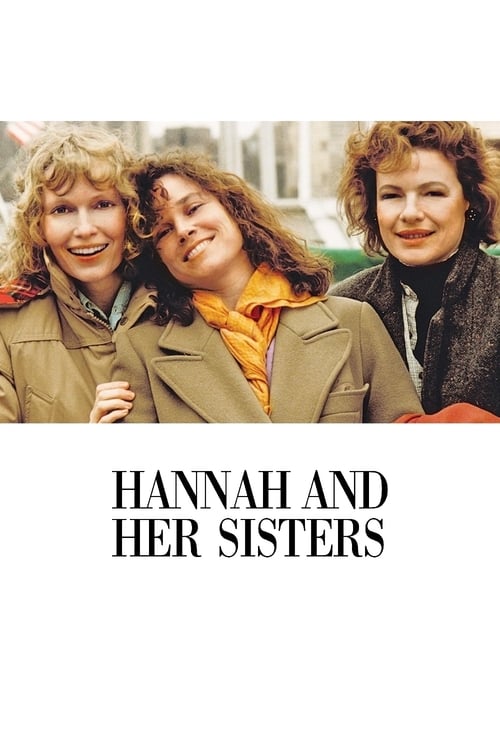
Hannah and Her Sisters1986
Woody Allen's ensemble piece about adult women navigating love, family and mortality. It captures the same blend of wit and melancholy, the sense that growing older means learning to want the right things.
But Allen's New York sensibility and neurotic tone are the opposite of Rohmer's Provence calm. His self-absorbed male characters may annoy you.
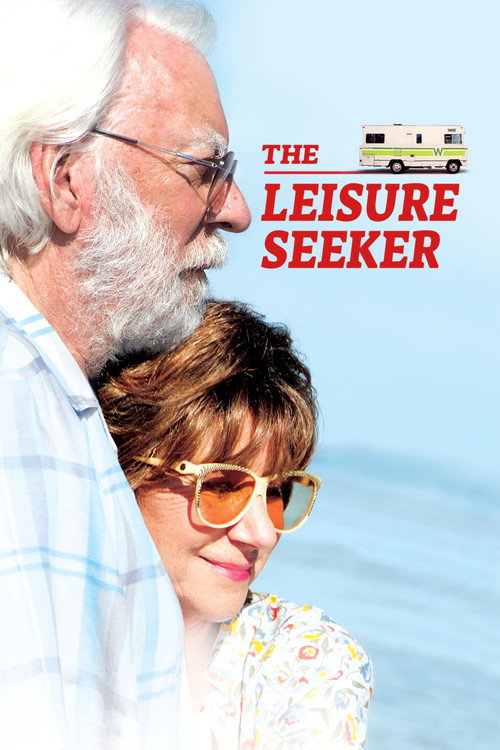
The Leisure Seeker2018
Donald Petrie's bittersweet road movie with Helen Mirren and Donald Sutherland as a long-married couple rediscovering each other. It has *An Autumn Tale*'s warmth and its faith that middle age holds its own kind of beauty.
But It leans harder into sentiment and melancholy than Rohmer does. Some scenes teeter toward the maudlin.
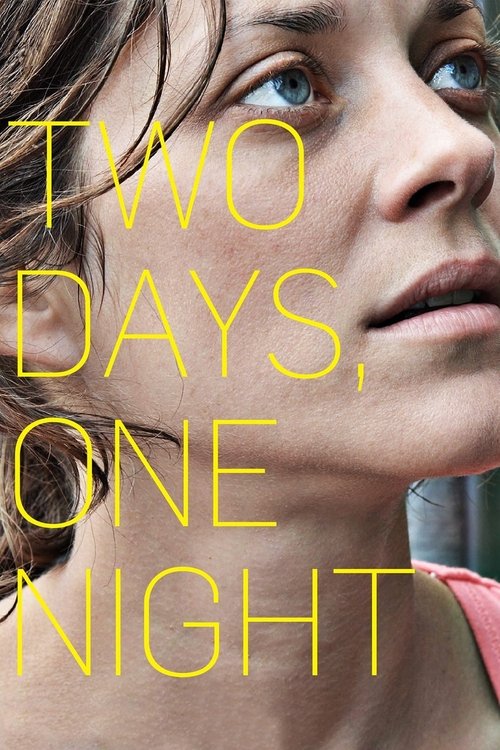
Two Days, One Night2014
The Dardenne brothers' portrait of a working-class woman fighting for her job, with Marion Cotillard's face as your anchor. It shares the meticulous attention to how people really speak and the stubborn dignity of ordinary struggle.
But The tone is grittier and more anxious than *An Autumn Tale*. There's less acceptance and more desperation.
The Shape of Water2017
Guillermo del Toro's fairy tale about a mute woman finding love and agency. Shares *An Autumn Tale*'s faith in quiet connection and its belief that romance can be an act of resistance and self-discovery.
But It's a genre fantasy with monsters and period Cold War intrigue. If you want naturalistic romance without magical realism, this isn't it.

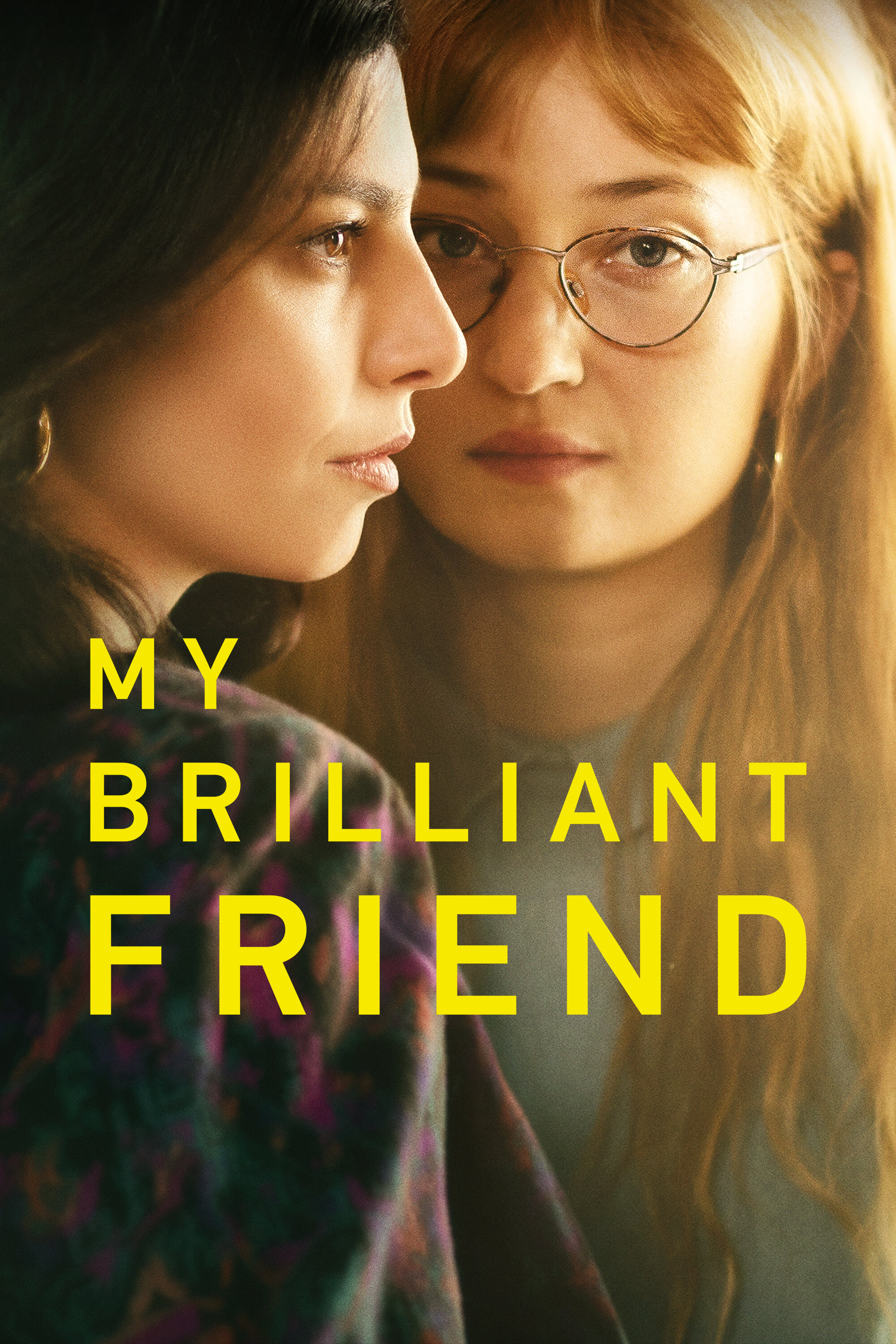
My Brilliant Friend2018
Both centre women's relationships with other women as the real love story, and both refuse to make that secondary or apologetic. Both trust that the texture of female friendship is as cinematically interesting as any romance.
Luca Guadagnino's adaptation of Elena Ferrante's Neapolitan novels. It's about female friendship, competition, and the woman you might have become—a four-season meditation on how women shape each other across decades. Shares *An Autumn Tale*'s interest in female interiority and the plot of life itself.
But It's violent, sexually explicit, and set in a brutal world where men are mostly predatory or absent. *An Autumn Tale* is tender; this is harsh. The Neapolitan dialect will feel impenetrable if you're not paying close attention.
People
Cast
 Marie RivièreIsabelle
 Béatrice RomandMagali
 Alain LiboltGérald
 Didier SandreÉtienne
 Alexia PortalRosine
 Aurélia AlcaïsÉmilia
- Matthieu DavetteGrégoire
- Yves AlcaïsJean-Jacques
Directing
- Éric RohmerDirector
Writing
- Éric RohmerScreenplay
Production
- Margaret MénégozProducer
- Florence RauscherProduction Assistant
- Françoise EtchegarayProduction Manager
Recommended by
I've Loved You So Long, The Concubine, A Tale of Winter, Invisible Life, The Strange Ones