
Film
I've Loved You So Long
A woman returns from fifteen years in prison to rebuild her life with her estranged sister's family. This is a French drama of careful observation—no big emotional speeches, just the daily weight of reintegration, mistrust, and the possibility of forgiveness. It's for anyone who believes cinema's greatest power lies in watching people quietly change.
Should you watch it?
Watch it if you like quiet character studies where the drama lives in glances, silences and the slow, careful work of two sisters relearning how to be near each other.
Skip it if you need brisk plotting, since this moves at a deliberate pace and leans on restraint, so its emotional weight can feel slow to arrive for some viewers.
What it asks of you: Settle in for just under two hours of patient, mostly unhurried scenes where the mood shifts with a look rather than a plot beat.
Not sure? Find tonight's pick in a minute.
If you liked this
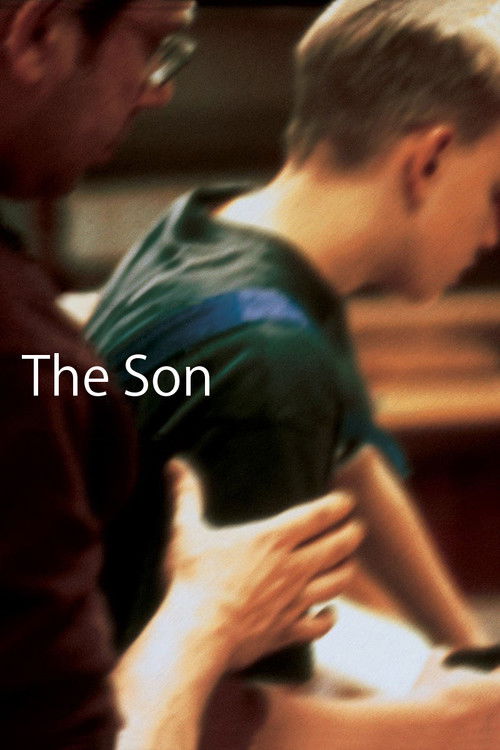
The Son2002
Another Haneke film about a wounded family learning to coexist. His patient, unflinching gaze at damage and the small moments where connection becomes possible. Essential if you loved the emotional restraint of Pialat here.
But Haneke's coldness can feel punitive. Some viewers experience his refusal to guide your feelings as cruelty rather than respect.
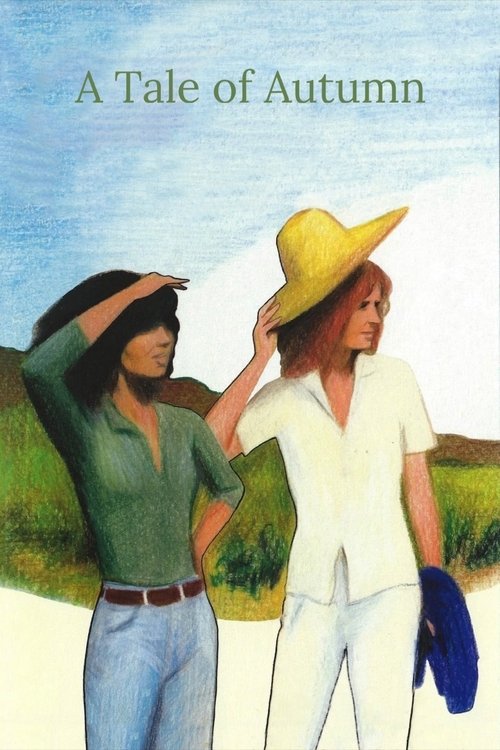
An Autumn Tale1998
Rohmer's late-career masterpiece about two people tentatively exploring companionship. Dialogue-driven, morally complex, focused entirely on how people actually talk and think. The same gentle intelligence as Pialat's film.
But Nothing happens by conventional standards. If you need plot momentum or clear dramatic turns, this will feel like watching paint dry.
In the Mood for Love2000
Wong Kar-wai's meditation on proximity and restraint—two people who belong together but can barely touch. Achingly beautiful, structurally audacious, and about the interior life rather than action. Shares Pialat's belief that what's unsaid matters most.
But The style is so enveloping it can overshadow character. Some find the extreme formalism distant rather than moving.

Not sure tonight? Get a pick in a minute, starting from I've Loved You So Long
The wildcard
Something you would not have found on your own.
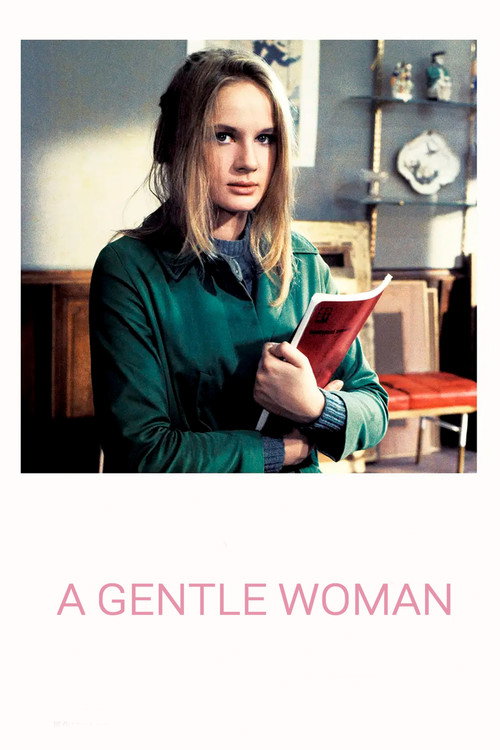
A Gentle Woman1969
Both films are about the gap between devotion and recognition—the possibility that love, however genuine, cannot bridge certain distances. Bresson shows the worst case; Pialat shows the difficult middle ground where healing might be possible.
Bresson's adaptation of Dostoevsky—a woman visits her husband in prison every week for years, and he refuses to see her. The ultimate film about how love doesn't guarantee acceptance. Shot with Bresson's crystalline spareness. A blueprint for Pialat's entire aesthetic.
But It's austere to the point of abstraction. Bresson's style makes Pialat look positively warm. Some viewers find it remote rather than moving.
More like this (8)
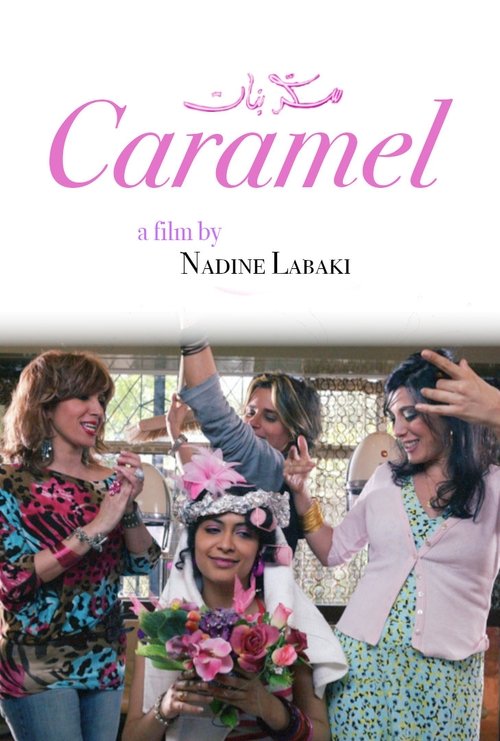
Caramel2007
Nadine Labaki's debut about women in Beirut navigating love, shame, and small rebellions. Warm where Pialat is cool, but equally committed to dignity and the specificity of women's lives. Terrific ensemble work.
But The tonal shifts between comedy and drama can feel uneven. Lighter than you might expect for its subject matter.
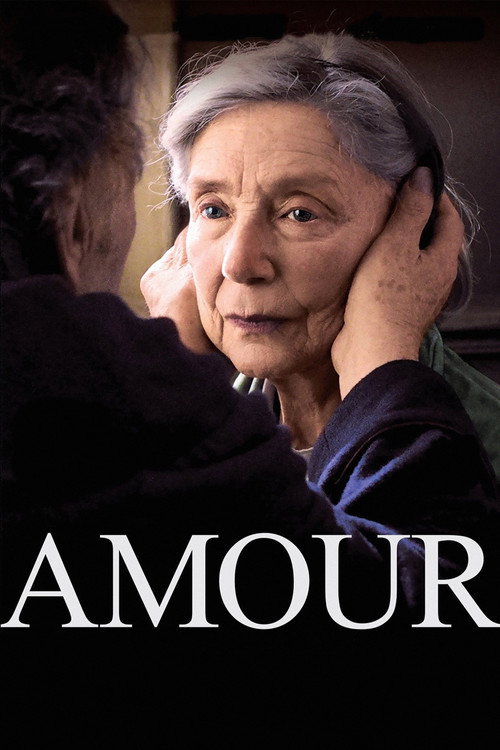
Amour2012
Haneke again, this time about a couple facing decline together. The ultimate refinement of what Pialat starts here—extreme closeness, minimal dialogue, profound tenderness. A masterpiece about what endurance actually means.
But It's a film about aging and mortality that refuses to soften either. Difficult to watch, and designed to be.
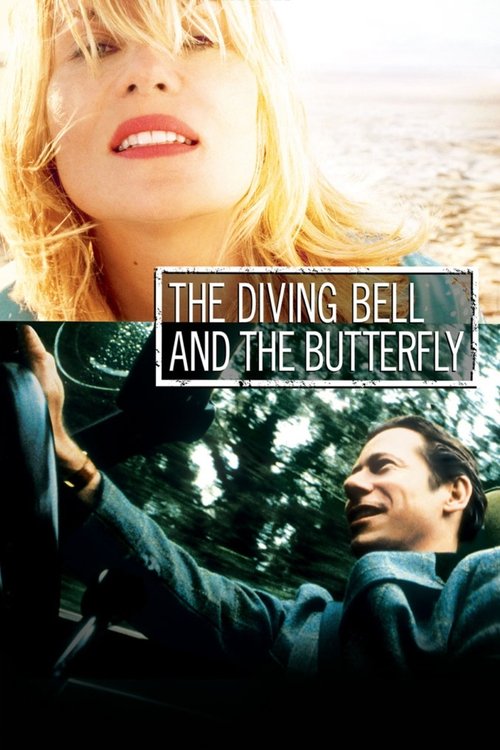
The Diving Bell and the Butterfly2007
Schnabel's account of a man locked in his own body after a stroke—yet shot with such grace and invention that it becomes a love letter to consciousness itself. About transformation and the cost of survival, like Pialat's film.
But The visual experimentation, while beautiful, can feel self-conscious and separate from the emotional core you're after.
A Prophet2009
Audiard's prison drama about a young man learning to survive and scheme his way to power. Gripping as thriller but also a study of transformation under pressure. Harder-edged than Pialat, same commitment to showing how people change.
But Much longer and darker than you might expect. The violence, while never gratuitous, is integral and unblinking.

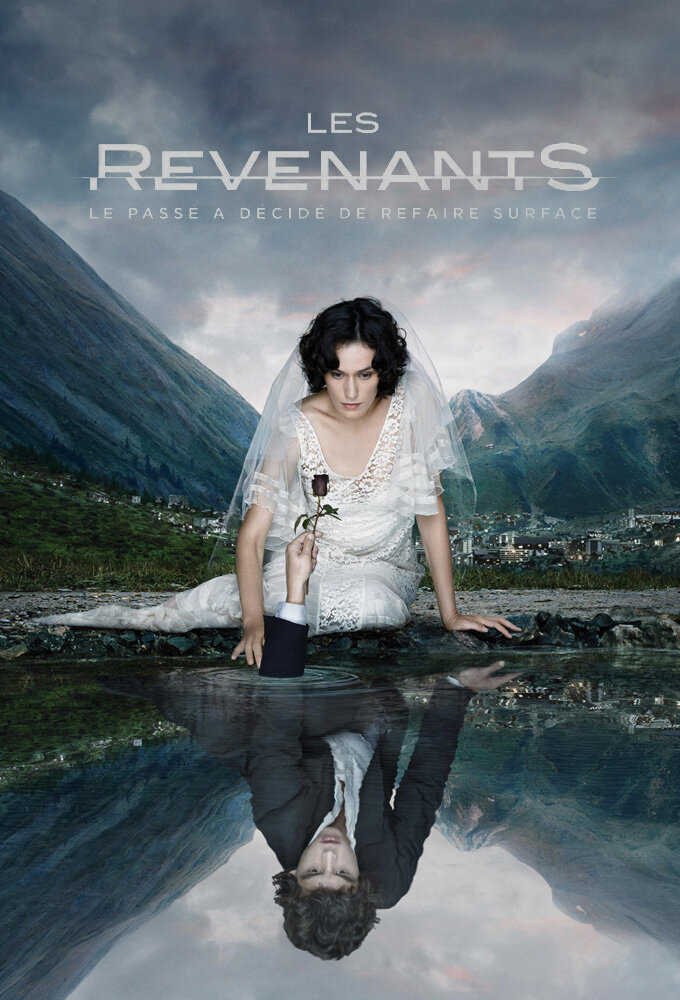
Les Revenants2012
Belgian series about a man who returns after eleven years missing, and the family that must reckon with who he is now. Patient, mysterious, deeply humane. Television willing to sit with uncertainty the way Pialat does.
But Only one season, and it ends on ambiguity rather than resolution. Some find this admirable; others leave frustrated.
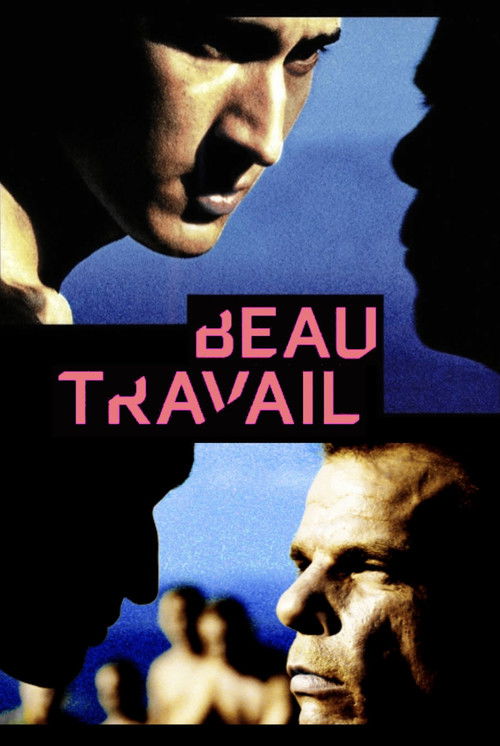
Beau Travail2000
Denis's film about a military unit and the slow erosion of hierarchy and sanity. Formally daring, full of bodies and space, attuned to the interior life beneath discipline. A different register, but the same attention to damage.
But Plotless and dreamlike. It's more interested in mood and sensation than narrative. Long stretches of stillness and observation.
The Ascent1977
Both films believe that the camera should watch people endure, that duration itself is the medium. Tarkovsky moves toward the transcendent; Pialat moves toward the quotidian. But both trust that something profound happens in sustained attention.
Tarkovsky's film about two Soviet partisans trudging through a landscape, pursued and reflecting on faith and betrayal. Metaphysical, glacial, hypnotic. A entirely different universe from contemporary French cinema, but operating from the same belief that cinema is about watching consciousness unfold in time.
But Three hours of slow walking through mud and snow. The spiritual register will alienate viewers expecting conventional drama. Patience required at every level.

Jeanne Dielman, 23, quai du Commerce, 1080 Bruxelles1976
Both films assert that the quotidian is profound, that cinema's job is to watch ordinary people move through ordinary time. Akerman does this as formal provocation; Pialat does it as humanism. But they share the radical belief that there is nothing boring about attention itself.
Chantal Akerman's three-hour documentary of a woman's domestic routine—cooking, cleaning, sex with a client. No music, no manipulation. A radical portrait of labour and time that rewrote what cinema could be. The spiritual ancestor of Pialat's patient observation.
But It's three hours of chopping vegetables and making beds. If you come expecting narrative or conventional drama, you will be furious. One of cinema's most demanding films.

People
Cast
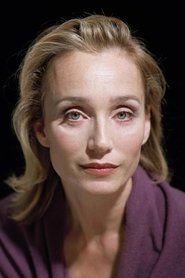 Kristin Scott ThomasJuliette
 Claire JohnstonMère
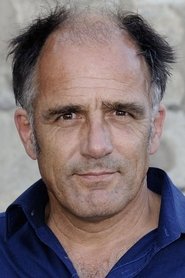 Frédéric PierrotCapitaine Fauré
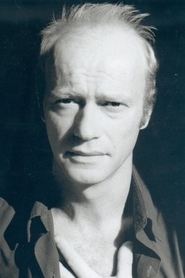 Laurent GrévillMichel
- Lise SégurP'tit Lys
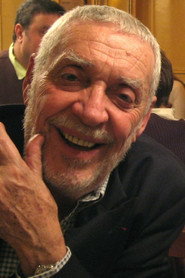 Jean-Claude ArnaudPapy Paul
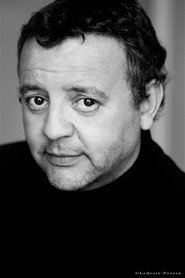 Mouss ZouheyriSamir
- Souad MouchrikKaisha
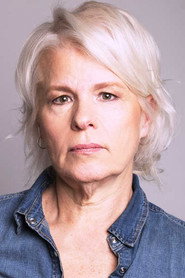 Catherine HosmalinConseillère d'insertion
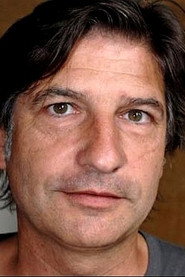 Olivier CruveillerGérard
Directing
- Julien ZidiAssistant Director
- Philippe ClaudelDirector
- Lucie TruffautScript Supervisor
Writing
- Philippe ClaudelWriter
Production
- Séverine BarréAdministration
- Sylvestre GuarinoExecutive Producer
- Yves MarmionProducer
Recommended by
Edge of Seventeen, La Belle Époque, The Barbarian Invasions, Toute une nuit, Woman Without Piano, Oranges Are Not the Only Fruit