
Film
Toute une nuit
- Social drama
- Romantic drama
- Slow-burning
Chantal Akerman's wordless nocturne follows dozens of strangers through a single Brussels night, capturing the small humiliations and quiet longings of romantic encounter. It's less plot than mood—a meditation on desire, rejection, and the ache of wanting connection. Hypnotic and demanding, but gorgeous if you surrender to its rhythm.
Should you watch it?
Watch it if you like romance observed sideways, through many small glances and near-misses rather than a single plot, and you don't mind a film that lets silence do the talking.
Skip it if you need a story with a clear spine and characters you can follow, since this drifts from one stranger to the next and rarely settles anywhere.
What it asks of you: Roughly ninety minutes of slow, wordless drifting through one dark night, with little explanation offered; you have to piece the connections together yourself.
Not sure? Find tonight's pick in a minute.
If you liked this
Come and See1985
Elem Klimov's devastating war film uses sound, silence, and visual composition to create an almost physical experience of trauma. Like Akerman, he trusts the viewer to feel rather than understand.
But It's brutally difficult to watch—not for entertainment, but to bear witness. Requires real emotional endurance.

The Seventh Seal1957
Bergman's chess with Death explores loneliness and human connection across a single nightmare journey. Philosophical but never precious, with the same attentiveness to faces and small gestures that animates Akerman's film.
But The existential density can feel heavy-handed on first viewing. Some find it more cerebral than moving.

Jeanne Dielman, 23, quai du Commerce, 1080 Bruxelles1976
Akerman's masterpiece observes three days in a widow's meticulous routine. It's the logical companion to this film—the same artist examining how we move through time, space, and emotional absence.
But Three hours of domestic routine. If you approach it as narrative cinema, you'll be frustrated. It's meditative or it's nothing.

Not sure tonight? Get a pick in a minute, starting from Toute une nuit
The wildcard
Something you would not have found on your own.
Synecdoche, New York2008
Both use cities and strangers to explore the gap between wanting and having, between the life we imagine and the life we live.
Charlie Kaufman constructs a labyrinthine universe where art, relationships, and identity collapse into one another. Like Akerman, he's interested in how we represent desire and connection—but where she strips away, he builds baroque structures.
But The self-referential density and emotional opacity can feel hermetic. Many find it frustrating rather than moving—clever rather than true.

More like this (8)
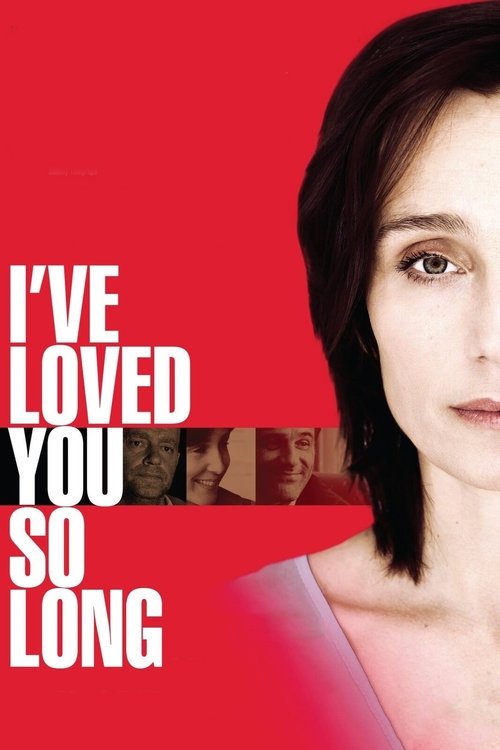
I've Loved You So Long2008
Latifa Khademi's tender film follows the tentative reconnection between estranged sisters. Quiet, patient, alive to the texture of ordinary moments and unspoken feeling.
But The emotional payoff is subtle. It asks you to find meaning in glances and silences rather than dramatic turns.
Stalker1979
Andrei Tarkovsky's metaphysical journey through a mysterious zone. Like Akerman, he uses time and space as the true subject, transforming long takes into meditation.
But Glacial pacing. The 163-minute runtime feels even longer because nothing happens in the conventional sense. Patience isn't optional.

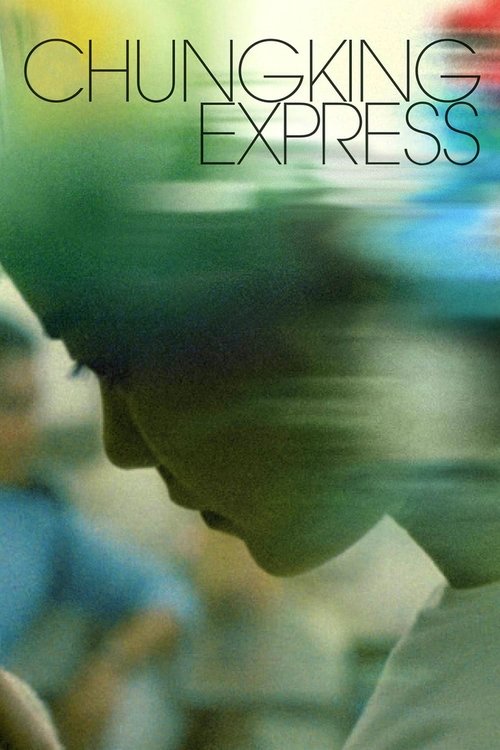
Chungking Express1994
Wong Kar-wai captures the loneliness of urban night, romantic yearning, and missed connections through dazzling visual language. Neon to Akerman's darkness, but the emotional core is recognizable.
But The fragmented narrative and visual excess can feel scattered. Some see style overwhelming substance.
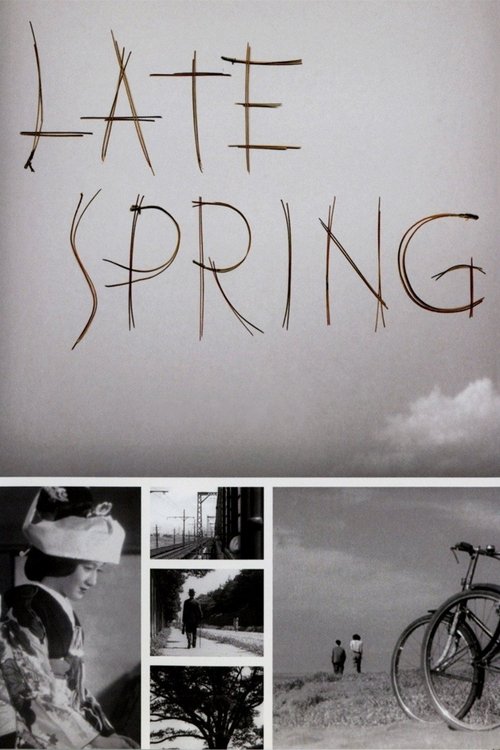
Late Spring1949
Ozu's achingly human study of aging, duty, and the unspeakable gap between parent and adult child. Uses composition and repetition the way Akerman uses silence—to excavate feeling.
But The pacing is glacial and the emotional register is muted. Without patience, it reads as static.
A Ghost Story2017
David Lowery's meditative film about time, loss, and presence uses duration and minimal dialogue to haunt the viewer. Contemporary, but spiritually aligned with Akerman's approach.
But Deliberately strange and slow. The conceit (a ghost in a sheet) might alienate you before the film gets under your skin.

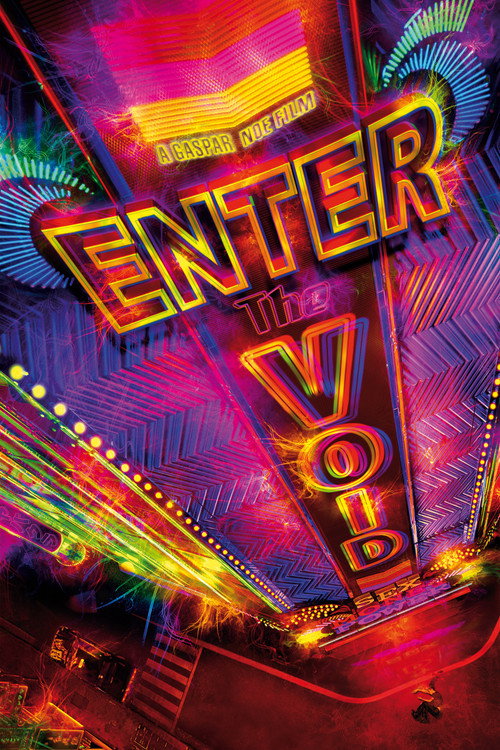
Enter the Void2010
Gaspar Noé's maximalist response to nocturnal urban loneliness—Tokyo instead of Brussels, chaotic instead of austere, but animated by the same fascination with strangers and the night.
But Deliberately exhausting: flashing images, no narrative, sensory overload. It's as demanding as Akerman but in the opposite register.
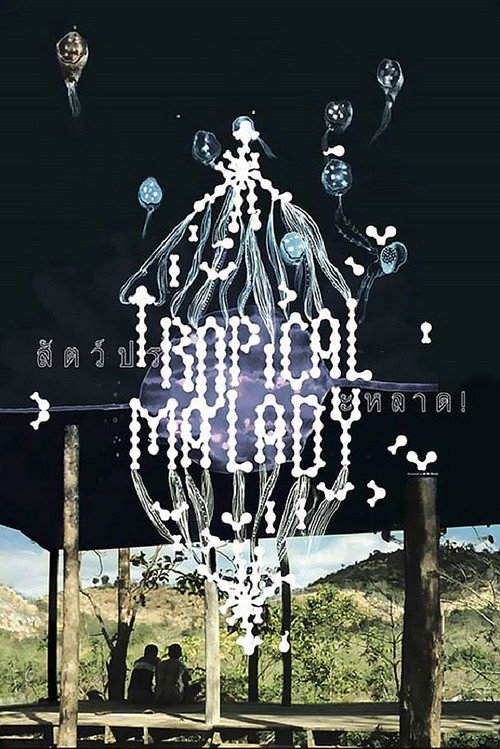
Tropical Malady2004
Both use duration, minimal dialogue, and the aesthetics of observation to render internal states—longing made visible through emptiness rather than action.
Apichatpong Weerasethakul's Thai film about two soldiers dissolves narrative into dream and memory, using long takes and ambient sound to create a state of hypnotic yearning. Utterly different texture, same spiritual DNA.
But The second half abandons linear story entirely. It's more like being in a reverie than watching a film. Requires surrendering to mood over plot.
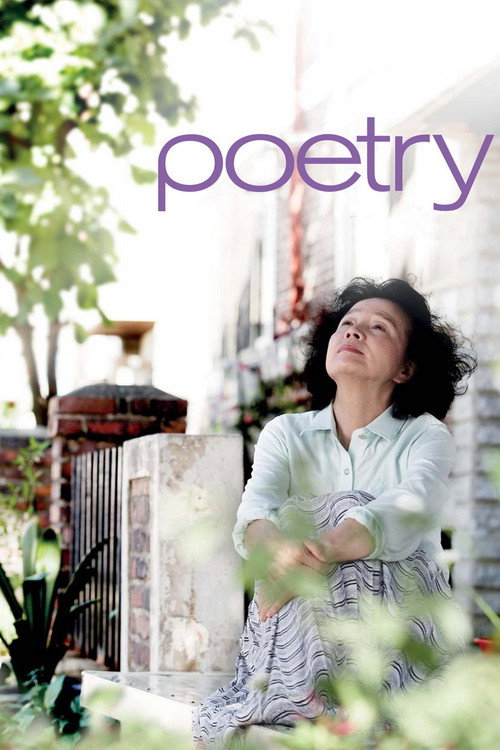
Poetry2010
Both examine vulnerability and desire through observation rather than confession, using formal precision to dignify the inner lives of people the world overlooks.
Lee Chang-dong's film observes a grandmother discovering poetry while navigating community, scandal, and moral complexity. Formally restrained and morally intricate, it finds grace in ordinary suffering with the same quiet insistence as Akerman.
But The pace is glacial and the emotional center is muted. A climactic revelation may read as didactic rather than earned, depending on your patience.
People
Cast
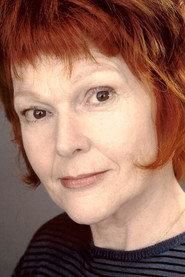
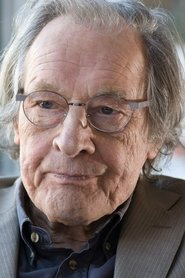
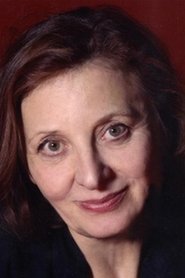
Directing
- Ignacio CarranzaAssistant Director
- Jean-Philippe LarocheAssistant Director
- Liria BégéjaAssistant Director
- Pierrot De HeuschAssistant Director
- Chantal AkermanDirector
Writing
- Chantal AkermanScreenplay
Production
- Gerda DiddensCasting
- Marilyn WateletProducer
- Nicole FlipoProduction Director
- Séverine VermerschProduction Manager
- Stephane DykmanProduction Manager