
Film
Tropical Malady
Apichatpong Weerasethakul's dreamlike meditation on desire and loss. A soldier falls for a country boy; when he vanishes, the film mutates into myth and forest. Hypnotic, oblique, and structurally audacious—for viewers ready to surrender to mood over plot.
If you liked this
A Ghost Story2017
Like Tropical Malady, it transforms grief into something spectral and philosophical. Time collapses, narrative dissolves, and the film sits with profound longing without offering easy comfort or resolution.
But Deliberately paced to the point of stillness. If you need plot momentum or clear emotional beats, this will frustrate you intensely.

The Handmaiden2016
Another film about desire that pivots halfway into something stranger and more mythic. It shares Tropical Malady's willingness to upend its own genre and demand active watching.
But Complex, baroque plotting might feel manipulative rather than mysterious. Some find the tonal shifts jarring rather than revelatory.

Poetry2010
South Korean meditation on secrets, shame, and grace. Like Tropical Malady, it refuses melodrama and lets ambiguity sit. Both films trust the viewer completely.
But Extremely quiet. Long scenes of people in rooms. If you want catharsis or clear moral judgment, you'll be disappointed.

Not sure tonight? Get a pick in a minute, starting from Tropical Malady
The wildcard
Something you would not have found on your own.
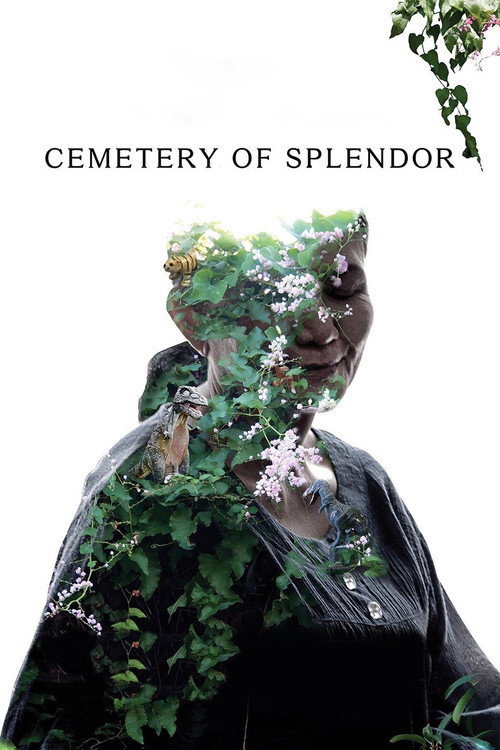
Cemetery of Splendor2015
Spiritual sequel by the same director, extending his formal experiments into territory that feels both continuation and escalation.
Another Apichatpong film, but if you haven't seen it: a meditation on illness, memory, and color in a rural hospital. Same filmmaker, but this one is even more structurally radical—less narrative, more pure cinema.
But Apichatpong fans sometimes find this one hermetic even for him. There is almost no plot. If you didn't love Tropical Malady, this will feel like its more alienating echo.
More like this (8)
In the Mood for Love2000
Wong Kar-wai's chambers of unfulfilled desire. Both films are about longing more than consummation, about looking at someone you can't have. Visually rapturous.
But The plot is gossamer-thin. If story matters more to you than atmosphere, this feels like less than nothing.

Mulholland Drive2001
Like Tropical Malady, it fractures halfway through into dream logic. Both films use their second halves to excavate what the first half was really about. Unsettling and gorgeous.
But Deliberately cryptic. Lynch refuses to disambiguate. If you need to leave a film knowing what happened, this will haunt you in the wrong way.

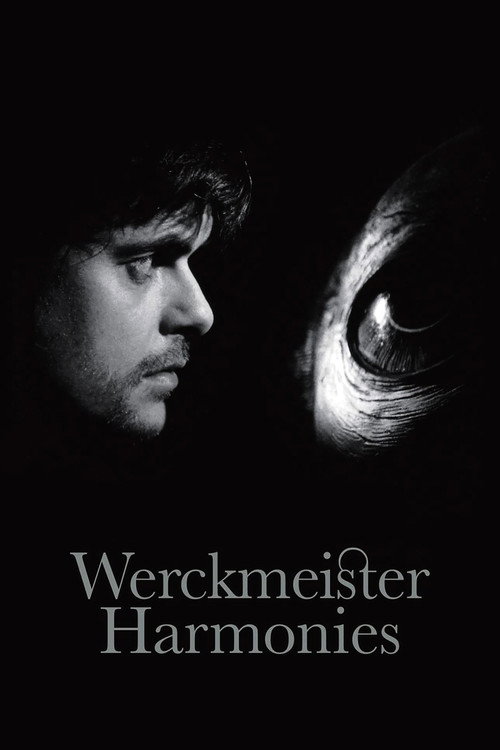
Werckmeister Harmonies2001
Béla Tarr's apocalyptic vision shares Tropical Malady's commitment to long takes and mythic dread. Both films move at their own pace and demand surrender.
But Bleak, slow, and shot in black-and-white. Genuinely depressing. No warmth, no humor, no reprieve.
The Skin I Live In2011
Spanish thriller that pivots from romance into something darker and more disturbing. Like Tropical Malady, it uses genre expectations to unsettle you.
But The pivot is morally queasy in ways the film doesn't fully interrogate. Some will feel exploited by the bait-and-switch.

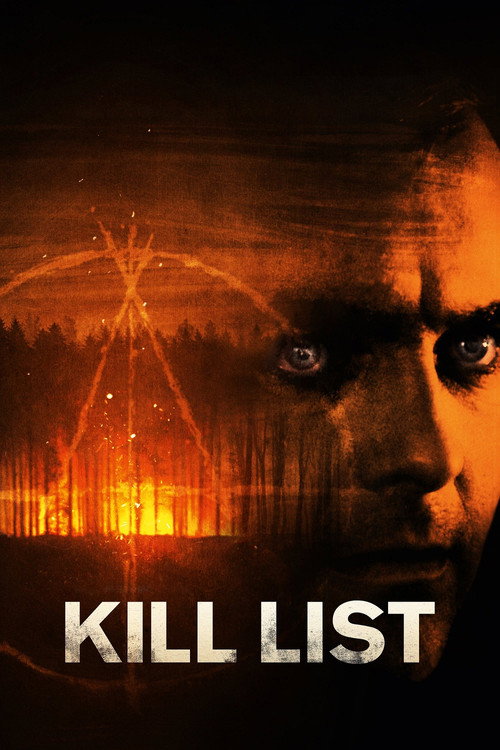
Kill List2011
British folk-horror that moves from crime thriller into something hallucinatory and ritualistic. Shares Tropical Malady's investment in dread as a formal device.
But Genuinely disturbing and nihilistic. The violence is not cathartic. Some viewers find it misanthropic rather than meaningful.
The Holy Mountain1973
Jodorowsky's surreal, symbolic odyssey. Both films use landscape and dream-logic to explore spiritual transformation. Maximalist where Tropical Malady is minimalist, but equally committed to obliquity.
But Bizarre, sometimes pretentious, occasionally offensive by design. Its sincerity can read as mockery and vice versa.

The Headless Woman2008
Both use formal disruption—discontinuous editing, dream logic, the dissolution of linear time—to render the interior experience of loss and fracture.
Mariana de Onis directs this Argentinian film about trauma and dissociation after a car accident. Like Tropical Malady, it uses editing and pacing to render psychological states visible. Hypnotic and devastating.
But Deliberately disorienting. The editing is meant to induce vertigo. If you watch film for clarity, this will exhaust you.

Synecdoche, New York2008
Both films use genre collapse and ontological unease—reality bleeding into representation—to explore how desire and mortality remake us.
Charlie Kaufman's chamber opera about art, death, and the impossibility of representation. It starts as a comedy about theater and becomes something far more metaphysical. Shares Tropical Malady's conviction that narrative can be a prison.
But Willfully confusing. Some consider it brilliant; others consider it overwrought navel-gazing. The self-referentiality can feel suffocating rather than liberating.

People
Cast
 Banlop LomnoiKeng
 Sakda KaewbuadeeTong
Directing
- Apichatpong WeerasethakulDirector
- Suchada SirithanawuddhiFirst Assistant Director
- Sompot ChidgasornpongseSecond Assistant Director
Writing
- Apichatpong WeerasethakulScreenplay
Production
- Albert SettonAccountant
- Parichat Puar-eeAccountant
- Wilaiwan PhraccharoenAssistant Production Manager
- Tiana MilleAssociate Producer
- Sipang AngsnapiromCasting
- Axel MöbiusCo-Producer
- Christoph ThokeCo-Producer
- Marco MuellerCo-Producer
- Paiboon DamrongchaithamCo-Producer
- Pantham ThongsangCo-Producer
- Olivier AkninExecutive Producer
- David Atlan JacksonFinance
- Jean-Baptiste BabinFinance
- Joel ThiboutFinance
- Olivier AkninFinance
- Chatchai Suriyakul Na AyutthayaLocation Manager
- Nittisorn RittisomLocation Manager
- Charles de MeauxProducer
- Chitaphan VajanadilokProduction Coordinator
- Valentina MerliProduction Coordinator
- Xavier DourouxProduction Coordinator
- Pairin NamthipProduction Manager
Recommended by
Night on the Galactic Railroad, The Beach, Toute une nuit, Neighboring Sounds, Sunburn