
Film
Kill List
Ben Wheatley's Kill List starts as a grim domestic drama about a broke, twitchy hitman taking one more job, then quietly, relentlessly mutates into something far stranger and nastier. It's shot like kitchen-sink realism and ends somewhere else entirely — a film that trusts dread over exposition. Not for the squeamish or the impatient; perfect for anyone who likes a film that refuses to explain itself.
If you liked this
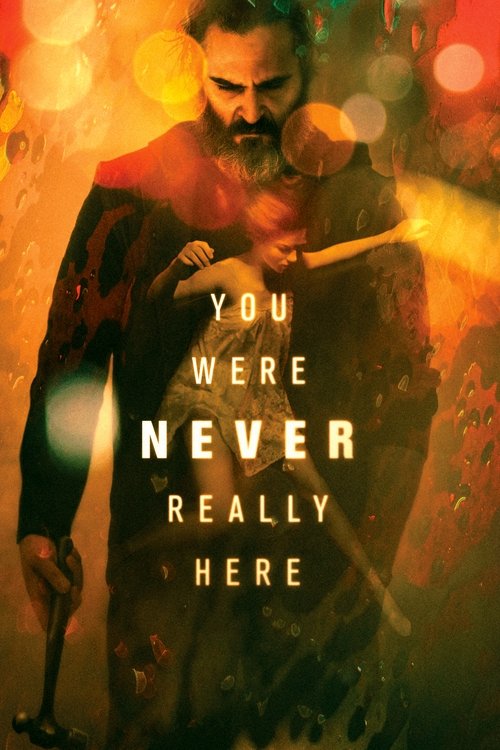
You Were Never Really Here2017
Joaquin Phoenix as a damaged hired enforcer, told in the same fractured, sensory style — violence rendered as trauma rather than spectacle, with a similarly numb, unraveling protagonist.
But Even more elliptical than Kill List; if you wanted answers here, you'll want them even less there.
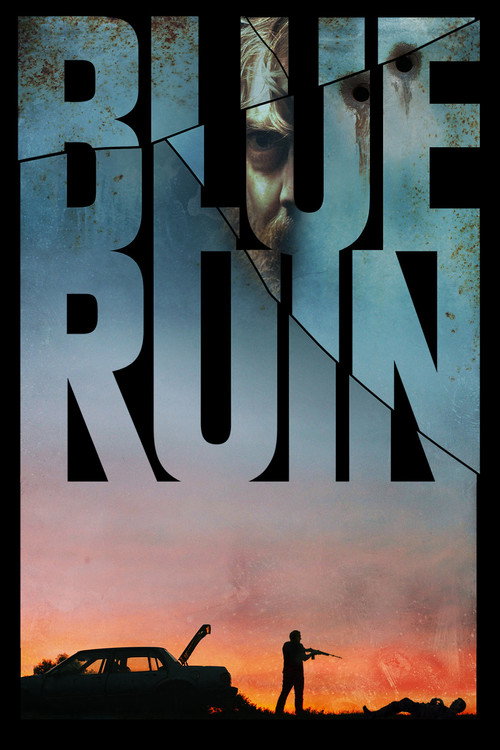
Blue Ruin2014
A scruffy, low-budget revenge thriller where ordinary men are catastrophically bad at violence — the same queasy, amateurish menace that makes Kill List so uncomfortable.
But Slower and quieter than you'd expect from the genre; the tension is in the waiting, not the action.
Sightseers2012no page yet
Wheatley's other great film about ordinary Englishness curdling into murder, this time played as pitch-black comedy — same director, same eye for banal horror, totally different tone.
But The comedy is bone-dry and mean-spirited; if you wanted more dread and less laughing, it won't scratch that itch.
The wildcard
Something you would not have found on your own.
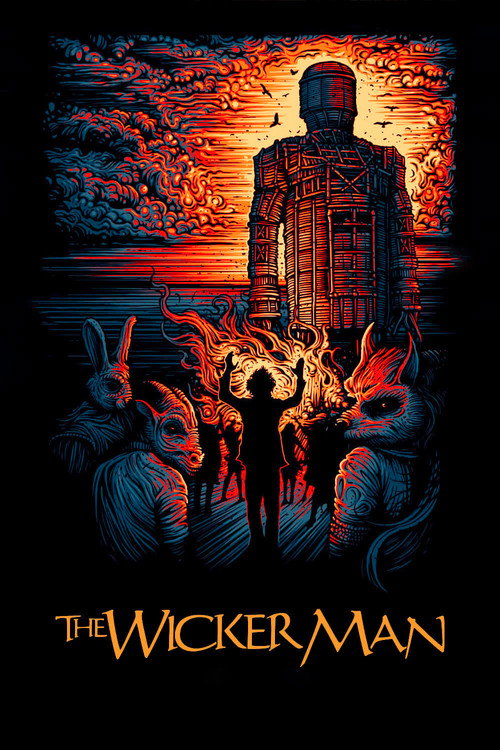
The Wicker Man1973
Kill List's ending directly echoes this film's structure and imagery — both use the ordinary English countryside as camouflage for ritual violence, and both refuse to soften the final revelation.
The film Kill List is quietly in conversation with, especially by its final act — an outsider drawn into a rural English community whose pagan rituals are hiding in plain sight.
But Dated pacing and folksy musical numbers may feel quaint next to Kill List's grime; it's a slow, theatrical build.
More like this (8)
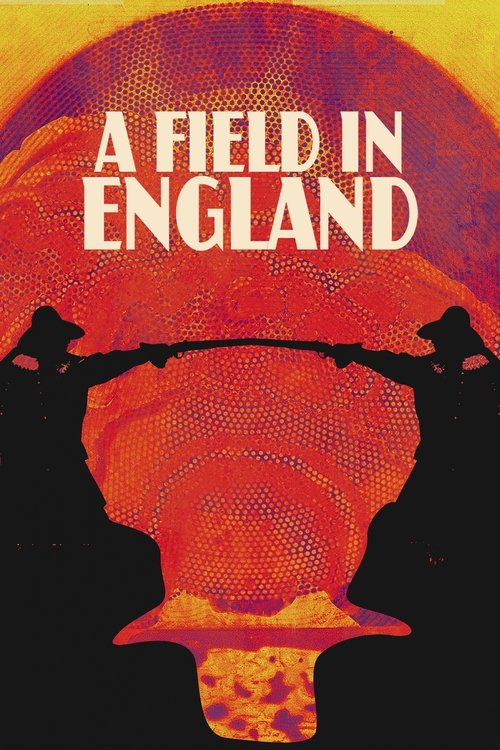
A Field in England2013
Wheatley again, stripped down to black-and-white 17th-century folk horror — hallucinatory, ritualistic, and just as committed to leaving you disoriented.
But Deliberately alienating and plotless by design; some viewers find it more academic exercise than film.
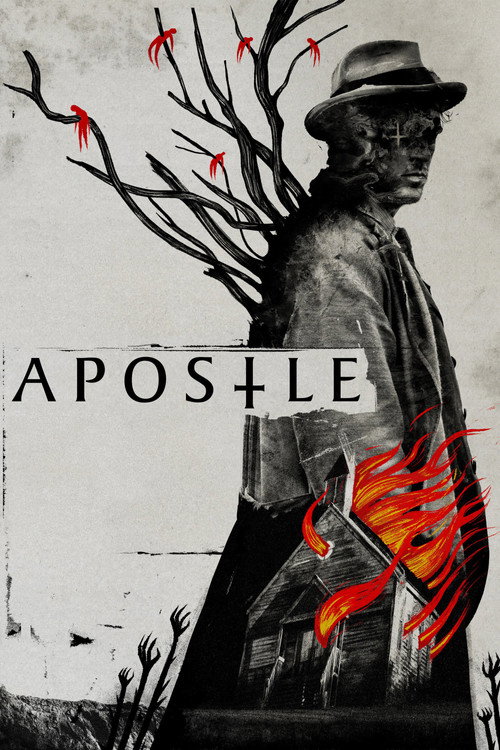
Apostle2018
A man infiltrates an isolated cult on a remote island, and the film builds the same way Kill List does — ordinary tension escalating into full ritual horror by the final act.
But More overtly gory and supernatural than Kill List; the restraint gives way to spectacle earlier than you might like.
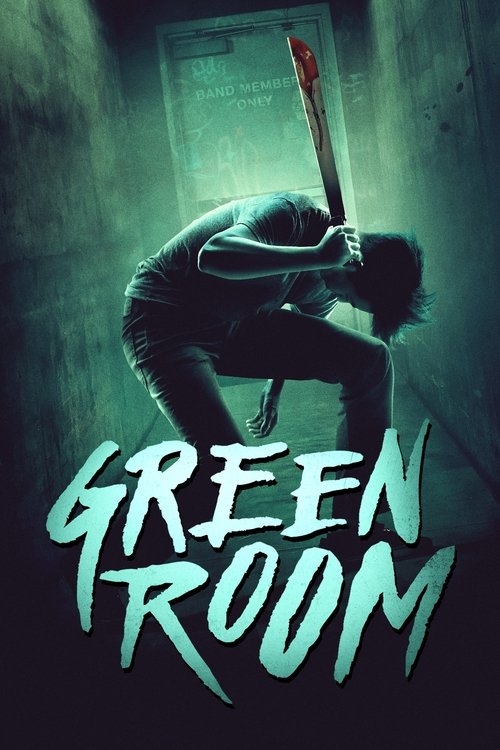
Green Room2016
A punk band trapped with neo-Nazis — visceral, unglamorous violence and a similar sense that ordinary people are horribly unequipped for the danger they've stumbled into.
But More straightforward siege thriller than psychological descent; less ambiguity, more relentless forward motion.
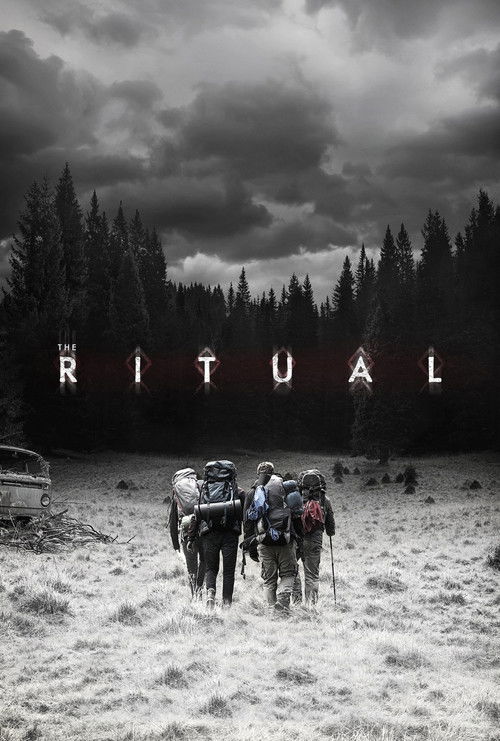
The Ritual2017
Four friends lost in Scandinavian woods find something ancient and wrong — a decent modern folk-horror chaser with the same slow dread and rural menace.
But More conventional monster-movie payoff than Kill List's ambiguity; it explains more than some will want.
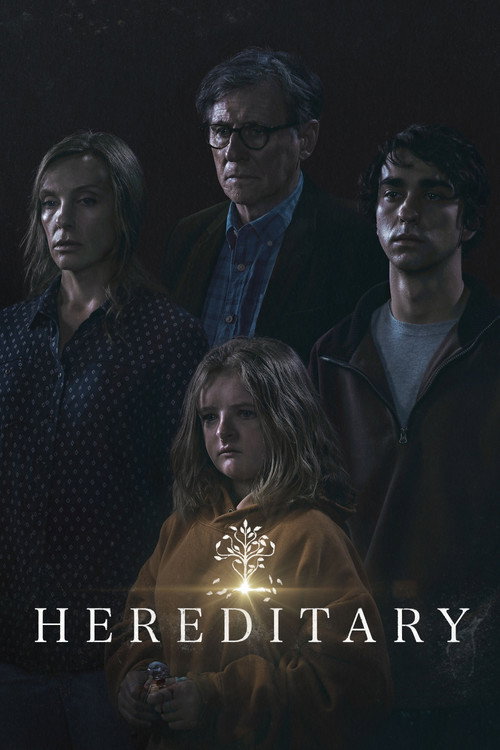
Hereditary2018
Domestic grief and dysfunction slowly reveal themselves as something occult and orchestrated — a similar bait-and-switch from family drama into full ritual horror.
But Longer, more operatic, and more explicit about its horror mechanics than Kill List ever bothers to be.
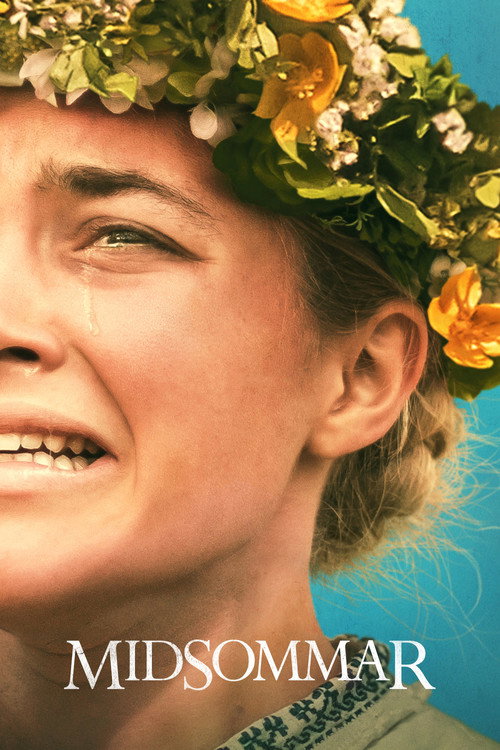
Midsommar2019
Grief-stricken characters walk into a pagan ritual in broad daylight — folk horror playing the same trick of dread in beautiful, ordinary-seeming surroundings.
But Sun-drenched and stately where Kill List is grimy and frantic; a very different rhythm and much longer runtime.
Southcliffe2013no page yet
Where Kill List uses horror to dramatise a soldier's buried violence resurfacing, Southcliffe tells nearly the same story straight, in miniseries form, without any supernatural cover — it's the sober cousin to Jay's story.
A British miniseries about a small English town shattered by a former soldier's violence — the same landscape of quiet villages and damaged men, but played as grief-drama rather than horror.
But There's no genre payoff here, no ritual, no dread-as-entertainment — just a bleak, unflinching study of trauma and its aftermath.
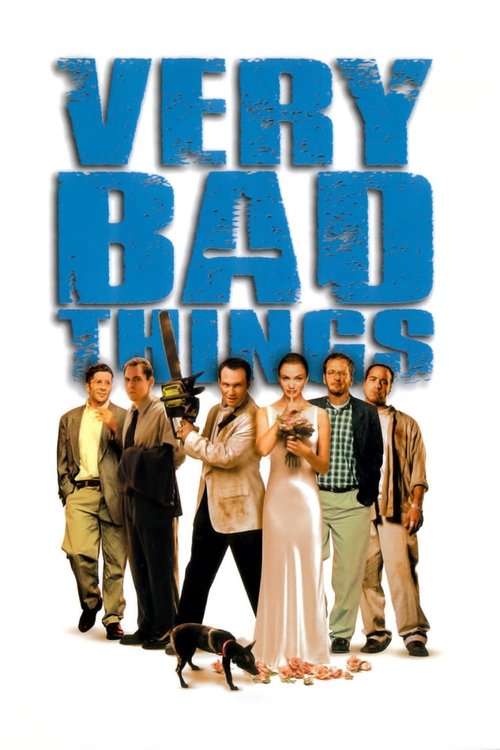
Very Bad Things1998
Both films are about laddish male bonds — barbecues, banter, in-jokes — providing cover for men doing something monstrous; Very Bad Things just plays that rot for gallows laughs instead of dread.
A bachelor party goes catastrophically wrong and a group of ordinary friends spiral into cover-up and murder — the same engine of male camaraderie curdling into horror, played as jet-black farce.
But It's broad, cruel, and very 90s in its shock-comedy instincts; the tonal whiplash between jokes and violence won't land for everyone.
People
Cast
 Neil MaskellJay
 MyAnna BuringShel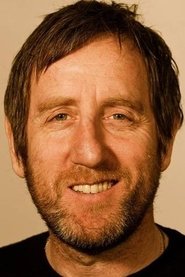
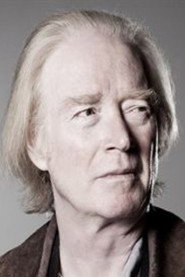 Struan RodgerThe Client
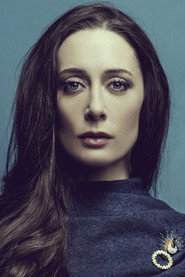 Emma FryerFiona
- Esme FolleyHotel Receptionist
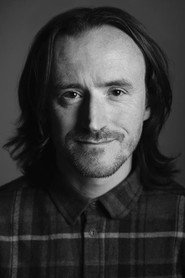 Ben CromptonJustin
 Gemma Lise ThorntonKeira
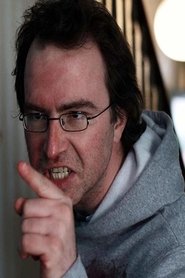 Robin HillStuart
- Zoe ThomasHotel Waitress
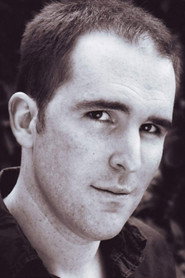 Gareth TunleyThe Priest
Directing
- Ben WheatleyDirector
- James SharpeFirst Assistant Director
Writing
- Amy JumpWriter
- Ben WheatleyWriter
Production
- Ally GippsAssociate Producer
- Ali FearnleyCasting
- Barry RyanCo-Producer
- Hugo HeppellExecutive Producer
- Katherine ButlerExecutive Producer
- Robin GutchExecutive Producer
- Fiona MorhamHead of Production
- Andrew StarkeProducer
- Claire JonesProducer
- Fiona LampteyProduction Manager
- Kate LarkingProduction Manager
Recommended by
The Wicker Man, Midsommar, Audition, Talk to Me, Apostle, The Ritual, A Field in England, Antichrist