
Film
Resolution
- Psychological thriller
- Very dark
A man locks his addicted friend in a remote cabin to force sobriety, but reality itself begins fracturing around them. This is meta-horror disguised as a straightforward thriller—a film that deconstructs its own genre while maintaining genuine dread. For viewers who love conceptual intelligence wrapped around genuine creeping unease.
Should you watch it?
Watch it if you like slow-burn mysteries where the unease comes from doubting what you are seeing, and a tight, low-budget film that trusts a claustrophobic setting and a couple of uneasy men over spectacle.
Skip it if you need propulsive pacing or a clear sense of where the plot is heading, since much of its 93 minutes is spent in a single isolated location with a lot of talk and rising suspicion.
What it asks of you: It asks for patience and close attention, a slow build in a confined space where the mood is restless and grim, and it rewards you for noticing small inconsistencies rather than for waiting on big moments.
Not sure? Find tonight's pick in a minute.
If you liked this
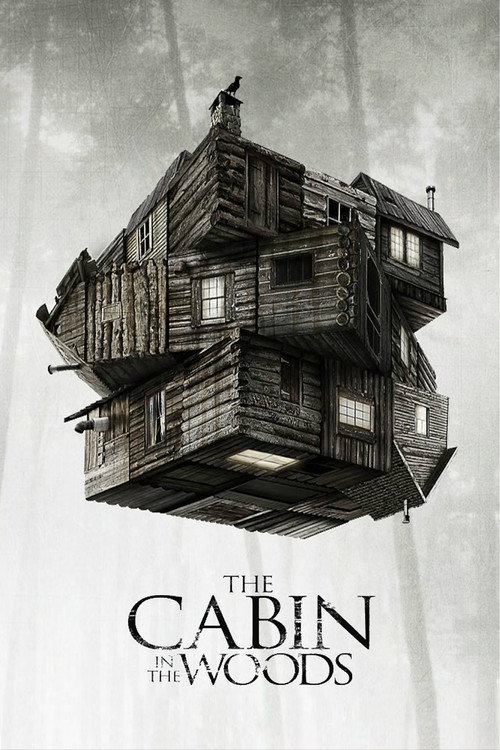
The Cabin in the Woods2012
A horror film that knows it's a horror film, playing with audience expectations and genre tropes while delivering real scares. Shares Resolution's willingness to step outside the story and examine the mechanics of storytelling itself.
But The constant winking at the audience can feel exhausting if you're not in the mood for meta-commentary. Some moments land as clever rather than frightening.
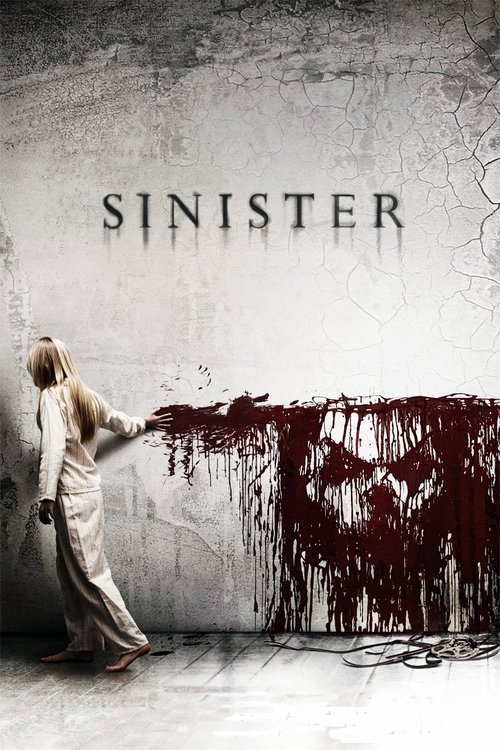
Sinister2012
A methodical descent into dread built on research, documentation, and the slow realization that something ancient and malevolent is present. Similar low-budget intimacy with high-stakes supernatural horror.
But Long stretches without incident can test patience. The final act leans into jump scares in ways earlier scenes avoid, which some find cheap.
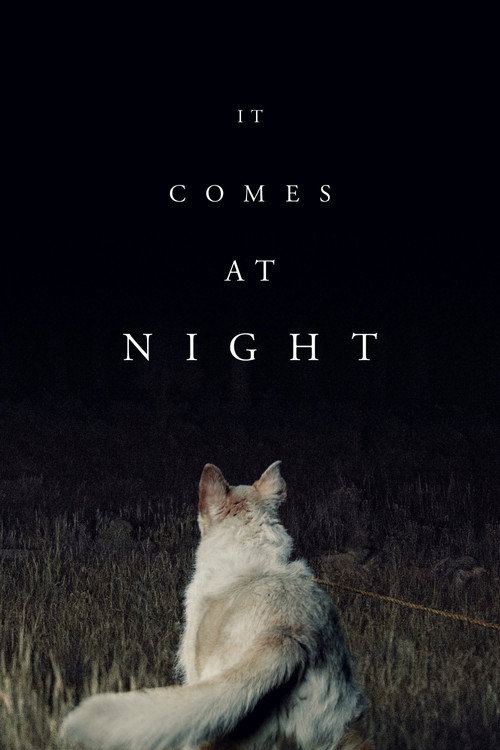
It Comes at Night2017
Paranoia and isolation breed their own horrors here, with ambiguity about what's real threat and what's psychological fracture. Minimal gore, maximum psychological tension—shares Resolution's commitment to dread over spectacle.
But Nothing explicitly supernatural ever appears. If you're watching for monsters or clear answers, you'll feel cheated.
Not sure tonight? Get a pick in a minute, starting from Resolution
The wildcard
Something you would not have found on your own.
Mulholland Drive2001
Both films use narrative structure itself as the engine of horror—what you're watching is more about how stories are told than what happens in them.
Lynch's Los Angeles nightmare plays with film structure itself, asking what's real and who's telling the story. Like Resolution, it uses a confined narrative space that gradually reveals itself as something else entirely. Shares the disorienting power of discovering your genre mid-film.
But Three hours, non-linear, and deliberately obscure about its own meaning. The film refuses to explain itself, which many find either profound or infuriating.

More like this (8)
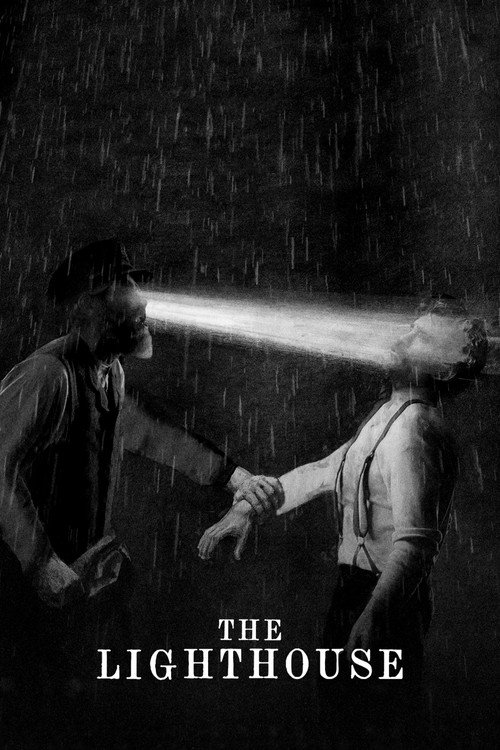
The Lighthouse2019
Two men, confined space, deteriorating sanity, and a narrative that warps and repeats. Formally inventive and genuinely unsettling, with a similar sense that reality is becoming unreliable.
But Black-and-white 16mm and nautical dialect make it aggressively stylish. If that feels pretentious rather than enriching to you, it will grate.
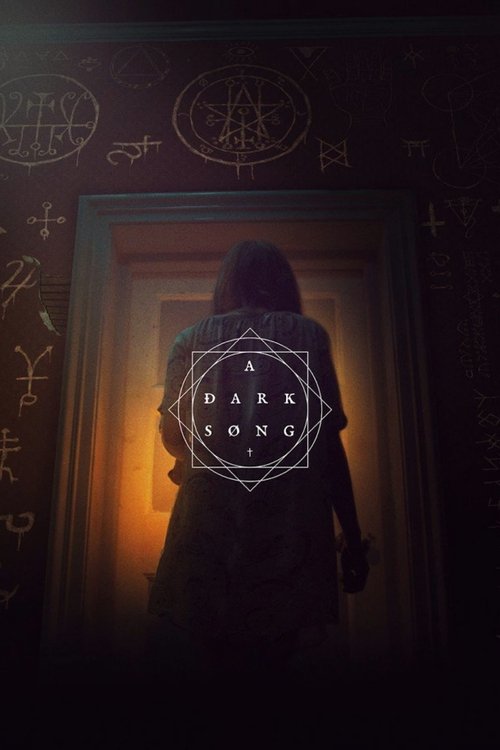
A Dark Song2016
A woman hires an occultist for a week-long ritual in an isolated house, seeking something he can't provide. Intimate, strange, and genuinely moving—shares the confined-space intensity and metaphysical unease.
But Very slow. Plot is secondary to mood and the relationship between two people. If you need forward momentum, this will feel static.
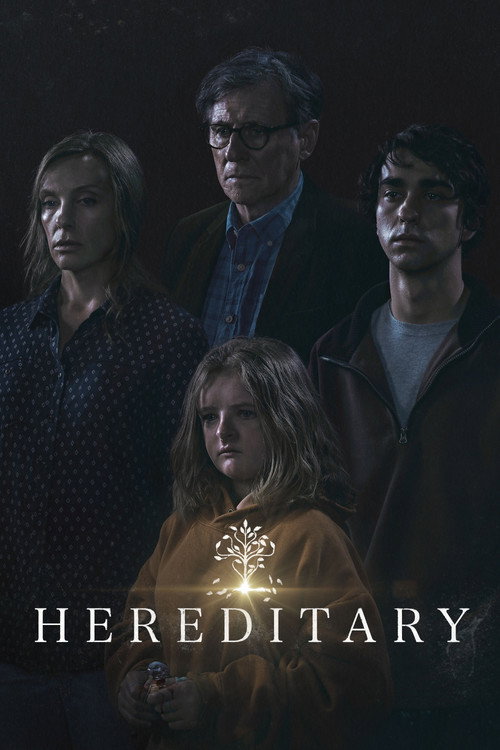
Hereditary2018
Family trauma and hidden occult machinery collide. Visually stunning, deeply unsettling, and—like Resolution—interested in how horror can be structural and inescapable rather than just a series of jump scares.
But Deals explicitly with grief, death, and family dissolution. Watching it feels like emotional exhaustion, not entertainment.
The Wailing2016
A Korean horror-thriller that builds mystery through narrative unreliability and competing explanations. Nothing is certain, every scene can be reinterpreted, and the film trusts the audience to work.
But Nearly three hours, subtitled, and resists closure. Requires patience and re-evaluation; some find it frustrating rather than rewarding.

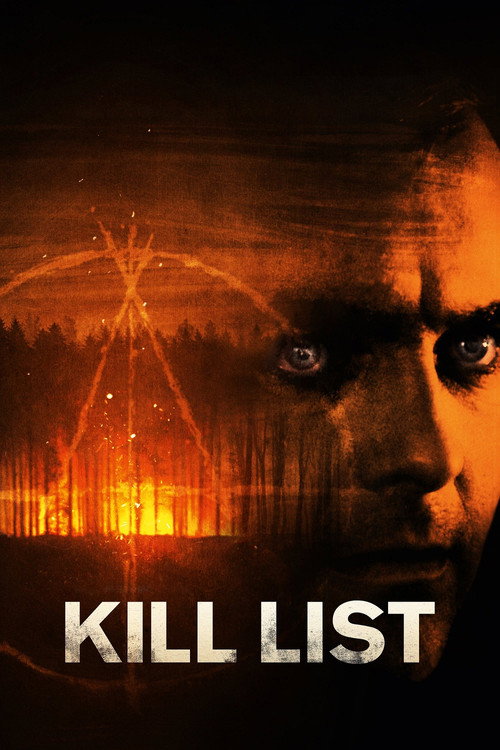
Kill List2011
A contract killer and his partner navigate a job that becomes increasingly wrong and ritualistic. Shot like a thriller but structured like a nightmare, with a similar sense of external forces closing in.
But Graphic violence and a genuinely disturbing third act. The tonal shift is intentional but jarring, and some viewers find it exploitative.
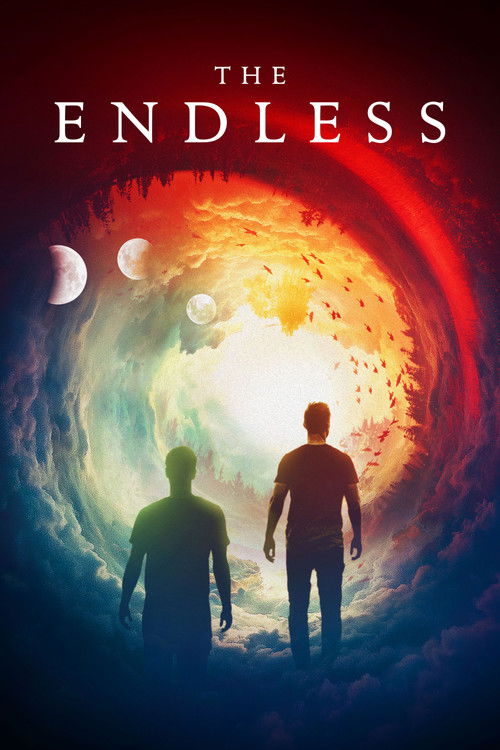
The Endless2017
Two former cult members return to their old commune and discover time and reality work differently there. Low-budget cosmic horror about loops and manipulation—thematically aligned with Resolution's formal play.
But The mechanics are confusing by design. If narrative clarity matters more to you than atmosphere and concept, you'll feel lost.
Rope1948
Both films are studies in how constraint—spatial, temporal, or narrative—can become a weapon. The room itself becomes an antagonist.
Hitchcock's single-take thriller about two men and a murder in a New York apartment. Chamber piece tension that proves confinement and manipulation are enough for overwhelming dread. The formal constraint amplifies the psychological horror.
But Filmed in 1948 with dated attitudes. The single-take technique, while brilliant, draws attention to itself and can feel stagey rather than cinematic.

The Act of Killing2012
Both ask what happens when you force someone to confront their own nature within a constructed frame. The camera becomes an instrument of revelation and complicity.
A documentary asking Indonesian death squad leaders to reenact their own murders on film. Deeply unsettling in a different register than narrative horror, it explores how people construct narratives to justify the unjustifiable. The metafilmic horror is real and devastating.
But Extremely difficult to watch. Witnessing men perform their own atrocities for the camera touches something that fiction rarely reaches. It's not entertainment.

People
Cast
 Peter CilellaMichael Danube
 Vinny CurranChris Daniels
 Zahn McClarnonCharles
 Bill Oberst Jr.Byron
 Emily MontagueJennifer Danube
 Kurt David AndersonBilly
- Skyler MeachamMicah
- Josh HigginsTed Tellensworth
- Carmel BensonSara / Sophie
 Justin BensonLevel 3 UFO Cult Member
 Aaron MoorheadLevel 2.5 UFO Cult Member
 David Lawson Jr.Dave the Level 1 UFO Cult Member
Directing
- Aaron MoorheadDirector
- Justin BensonDirector
- David Lawson Jr.First Assistant Director
Writing
- Justin BensonWriter
Production
- Alicia JohnsonExecutive Producer
- Hal WolvertonExecutive Producer
- Aaron MoorheadProducer
- David Lawson Jr.Producer
- Justin BensonProducer
Recommended by
The Endless, Carrion, The Alchemist Cookbook, The Oregonian, Shutter, The Signal