
Film
Who Can Kill a Child?
A 1976 Spanish horror film where an English couple arrives at a Mediterranean island village to find only mysteriously smiling children—no adults anywhere. It's slow-burn dread that trusts your imagination, building unbearable tension through what's *not* explained. For viewers who prize genuine unease over jump scares and can sit with uncomfortable moral ambiguity.
Should you watch it?
Watch it if you like a single unsettling idea pressed patiently until it curdles, where dread lives in silent faces and sunlit empty streets rather than in gore.
Skip it if you need brisk plotting or constant jolts, since the film lingers on wordless stares and a slow, deliberate build that some viewers will find stretched thin.
What it asks of you: Expect an unhurried rhythm across its 112 minutes, with long stretches of watching and waiting, as the unease gathers slowly rather than arriving in bursts.
Not sure? Find tonight's pick in a minute.
If you liked this
The Wailing2016
Korean masterpiece of creeping paranoia where a village is infected by something inexplicable. Like *Who Can Kill a Child?*, it refuses easy answers and makes you complicit in the uncertainty, building to a devastating moral reckoning.
But Three-hour runtime and a deliberately opaque ending will frustrate viewers looking for resolution. Requires active interpretation rather than passive consumption.

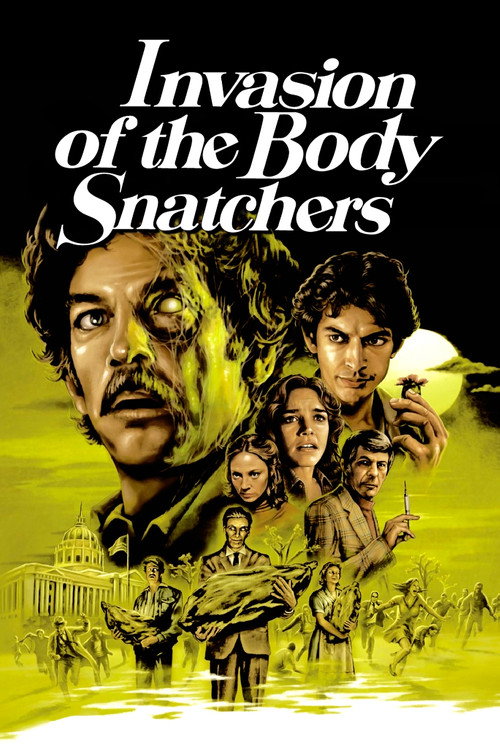
Invasion of the Body Snatchers1978
The paranoia and wrongness of *Who Can Kill a Child?* distilled into pristine sci-fi form. A couple realizes something fundamental about humanity has shifted, and no one will believe them. Same creeping dread, immaculate execution.
But The 70s aesthetic might read as dated. It's more clinical than visceral—some want their horror to hit harder.
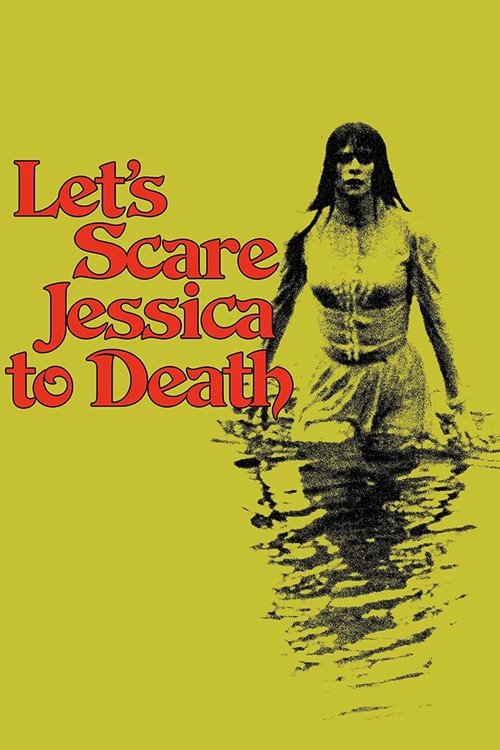
Let's Scare Jessica to Death1971
Slow, hypnotic American horror about a couple moving to an island where reality becomes unreliable. Shares the dreamlike wrongness and isolation of *Who Can Kill a Child?* but filters it through psychological fragility.
But Deliberately paced to the point of patience-testing. Very little plot happens; it's all atmosphere and unease.
Not sure tonight? Get a pick in a minute, starting from Who Can Kill a Child?
The wildcard
Something you would not have found on your own.
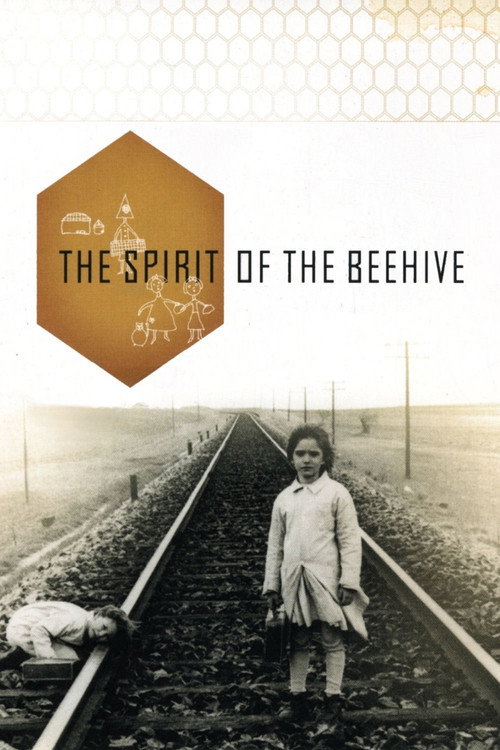
The Spirit of the Beehive1973
Both Spanish films use children and isolated landscapes to explore how innocence becomes complicit in horror. Erice makes the horror metaphorical and historical; Acevedo makes it literal and inexplicable.
Víctor Erice's masterpiece about a girl in post-Civil War Spain who becomes obsessed with Frankenstein. Like *Who Can Kill a Child?*, it's set in rural Spain and uses children's perspectives to create dread—but it's lyrical, meditative, and profoundly about innocence corrupted by history rather than by something supernatural.
But Experimental narrative structure with minimal plot. Demands patience and rewards contemplation, not immediate thrills. Black-and-white photography and elliptical storytelling.
More like this (8)
Suspiria1977
Dario Argento's color-saturated fever dream about a dancer entering a building where logic dissolves. Like *Who Can Kill a Child?*, it prioritizes mood and queasy dread over coherence, creating something genuinely unsettling.
But Surrealist logic means the narrative is secondary. If you want plot clarity, you'll leave frustrated.

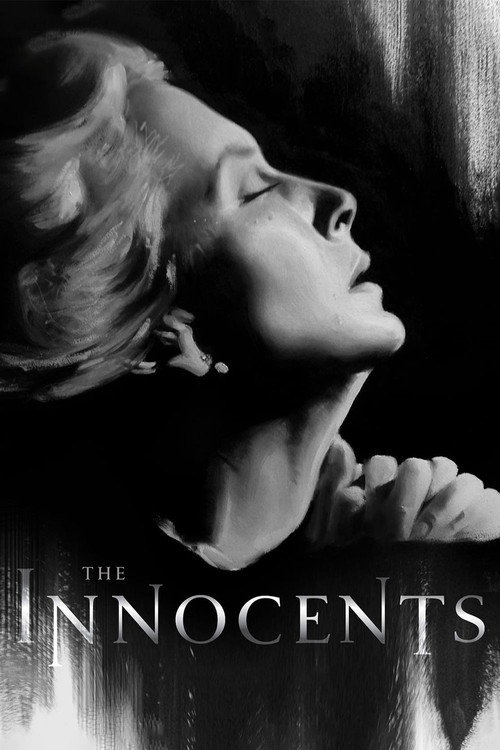
The Innocents1961
Jack Clayton's adaptation of *The Turn of the Screw* captures the same ambiguity: are the children evil or is the adult perceiving them wrongly? It has the same moral vertigo and refusal to settle into easy horror.
But Black-and-white and deliberately restrained. Modern viewers sometimes mistake understated tension for slowness.
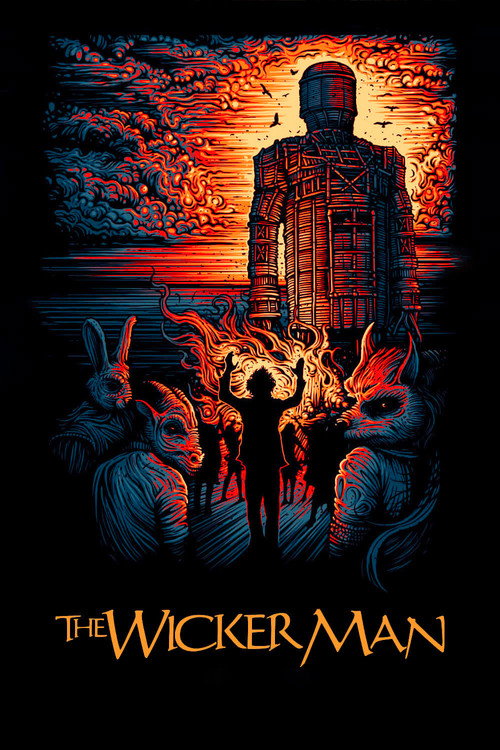
The Wicker Man1973
A policeman arrives at a remote Scottish island where something is profoundly wrong with the community. That same sinking realization that you've entered a world operating by different rules, and you cannot escape.
But The pagan rituals may feel quaint now. The ending divides viewers—some find it brilliant, others anticlimactic.
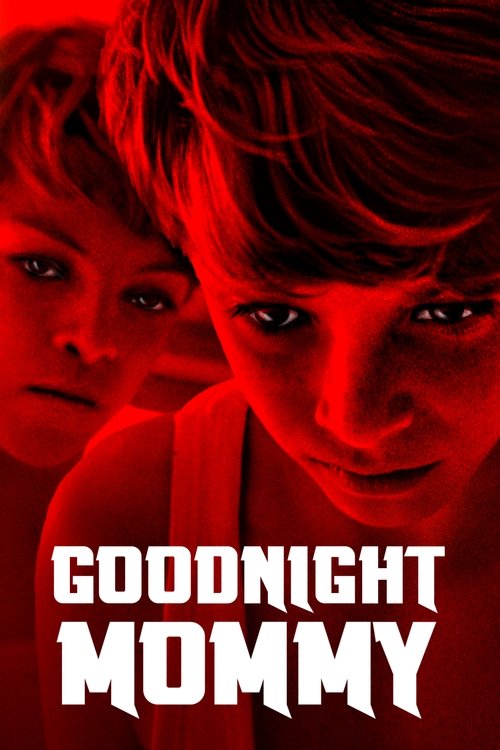
Goodnight Mommy2015
Austrian horror about twin boys whose mother returns from facial surgery wrong. Unsettling child performances, domestic wrongness, and a final twist that recontextualizes everything you've watched.
But Graphic and brutal in ways that will alienate anyone seeking subtlety. Also quite disturbing with children as the focus.
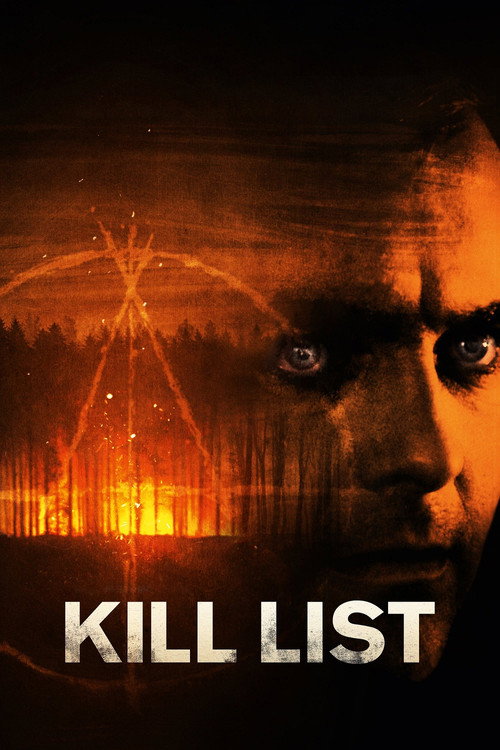
Kill List2011
Ben Wheatley's folk-horror film where a hitman and his partner descend into a nightmare that gets progressively less explicable. Builds dread through incrementalism, like *Who Can Kill a Child?*, and ends in genuine wrongness.
But Ropey found-footage ending sequence and extreme violence. The narrative can feel deliberately obfuscated to the point of frustration.
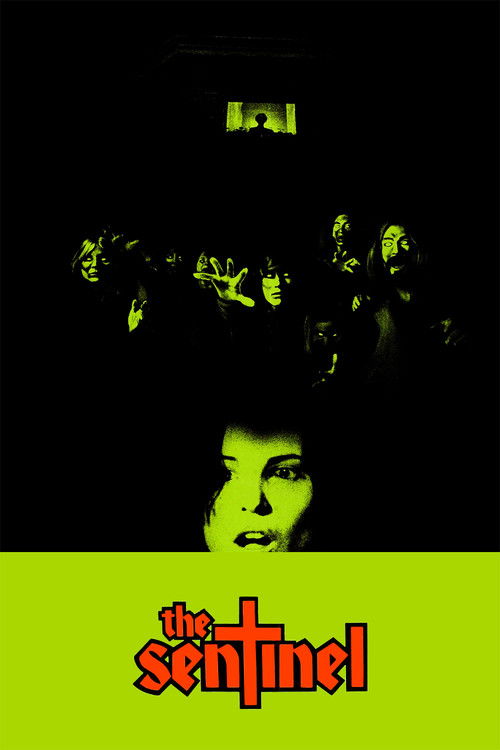
The Sentinel1977
A woman moves into an apartment building that's gradually revealed to harbor something profoundly wrong. Slow-burn wrongness and that same sense of arrival into a corrupted space.
But Meandering plot and a somewhat schlocky premise. Some sequences date poorly; the shocks feel more campy than frightening to modern eyes.
Come and See1985
Both films use children—their vulnerability, their incomprehension—to make violence unbearable to witness. *Who Can Kill a Child?* asks who deserves death; *Come and See* asks what war does to the innocent.
Elem Klimov's Soviet masterpiece depicts a boy conscripted into the Red Army and witnessing the horrors of WWII. The inversion of *Who Can Kill a Child?*: here, the children are destroyed by what adults do. Apocalyptic, unflinching, genuinely one of cinema's great statements about the cost of violence.
But Extremely graphic and emotionally devastating. Not horror entertainment—it's a trauma document. Watching it feels like an ordeal, as intended.

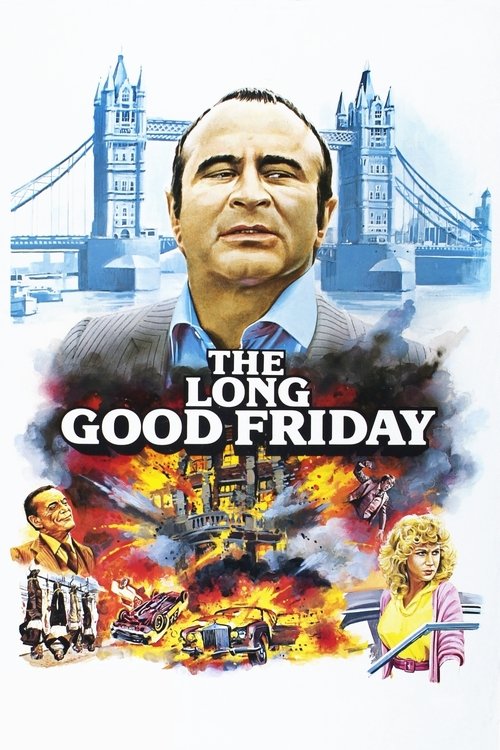
The Long Good Friday1980
Both films trap intelligent protagonists in a logic they cannot escape or master. The wrongness comes not from the supernatural but from systems operating beneath the surface. By the time you understand what's happening, it's too late to leave.
Bob Hoskins as a London crime boss whose empire dissolves in a day of cascading betrayals. Swap the supernatural dread for crime-thriller momentum, but it shares *Who Can Kill a Child?*'s DNA: arrival at a place where you think you understand the rules, only to discover you don't. Increasingly frantic, intellectually vicious, propulsive.
But 1980 British crime film—very specifically of its time and place. Bob Hoskins' accent and the dated slang might alienate viewers unfamiliar with the era. Brutal and cynical rather than frightening.
People
Cast
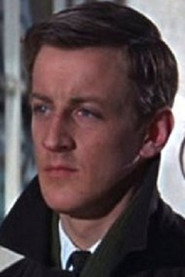
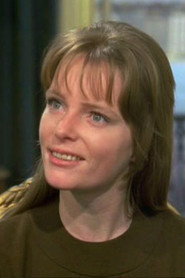 Prunella RansomeEvelyn
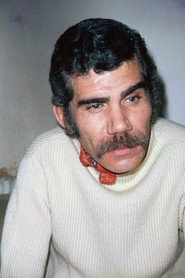 Antonio IranzoCrying Child Father
 Miguel NarrosCoastguard
 Marisa PorcelBeach House Mother
 Luis CigesPostman Enrique Amorós
- Aparicio RiveroMale Nurse
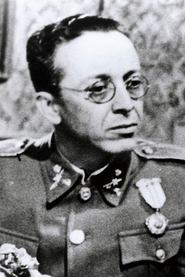 Fabián CondeCamera Shop Clerk
Directing
- Mahnahén VelascoAssistant Director
- Chicho Ibáñez SerradorDirector
- Marisa IbarraScript Supervisor
Writing
- Juan José PlansNovel
- Chicho Ibáñez SerradorScreenplay
Production
- Pedro CollAdministration
- Manuel SalvadorExecutive Producer
- Francisco GarcíaProduction Assistant
- Manuel PérezProduction Director
- Julio ParraProduction Manager