
Film
The Headless Woman
- Drama
- Very dark
- Slow-burning
An Argentinian woman drives over something in the road and cannot decide whether she's hit a person or an animal. What follows isn't suspense but dissociation—a drift through bourgeois life as she quietly fragments. Glacial, morally destabilizing, it rewards patience with an intimate portrait of denial.
Should you watch it?
Watch it if you like films that trust silence and blurred edges, where the mood of a small city and a rattled mind matter more than plot clarity.
Skip it if you need momentum and clear answers; this drifts at its own pace, and much of its meaning sits in what goes unsaid, so restless viewers may find it frustrating.
What it asks of you: Long silences, overlapping chatter and loose scenes that linger without explaining themselves; the attention it wants is patient and sideways, and it stays under ninety minutes.
Not sure? Find tonight's pick in a minute.
If you liked this
Mulholland Drive2001
Lynch's LA nightmare shares the same hypnotic pull and refusal to explain itself. Both films trust you to feel the strangeness before understanding it, building dread through fractured logic and everyday surfaces.
But Nearly three and a half hours of dreamlike abstraction that resists plot summary entirely. Some find it pretentious; it demands surrender, not engagement.

The Turin Horse2011
Béla Tarr's meditation on decay and numbness echoes Headless Woman's formal coldness. Two characters moving through ritual and silence, the world draining of meaning around them. Bleak, hypnotic, endlessly rewatchable.
But Black and white, 146 minutes, almost no dialogue. It's asking a lot. Patience isn't optional, it's the entire film.

Under the Skin2014
Both films use abstraction as a weapon—leaving you unsettled by what isn't shown. Glazer's sci-fi maintains the same cool distance, the same refusal of comfort or explanation that defines Campanella's approach.
But Scarlett Johansson in an avant-garde space drama will alienate half your friends. It's genuinely difficult to sit with.

Not sure tonight? Get a pick in a minute, starting from The Headless Woman
The wildcard
Something you would not have found on your own.
Jeanne Dielman, 23, quai du Commerce, 1080 Bruxelles1976
Both films treat ordinary domesticity as a psychological landscape. Both understand that life's real horrors aren't dramatic; they're the quiet disintegration underneath.
Chantal Akerman's three-hour portrait of a woman's daily rituals is pure cinema of surface and silence. Like Headless Woman, it finds existential crisis in the mundane—what happens when routine cracks.
But A woman does housework for 187 minutes with minimal dialogue. It's a test of your relationship with cinema itself. Genuinely, unbearably slow.

More like this (7)
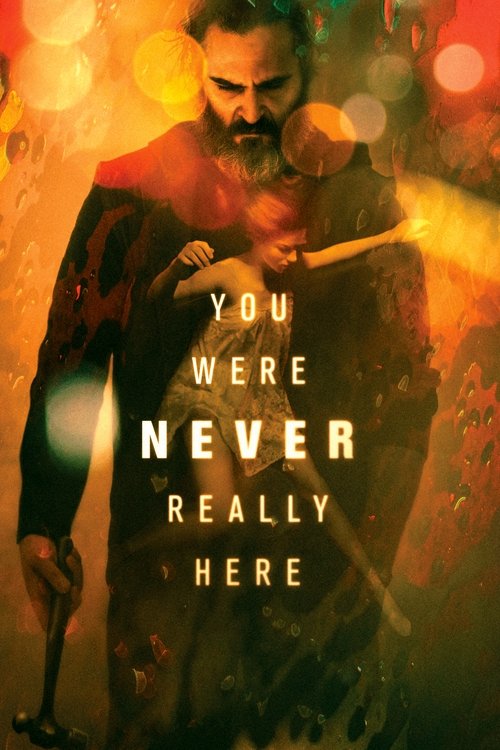
You Were Never Really Here2017
Lynne Ramsay's fractured narrative about a broken man recalls Headless Woman's interest in consciousness splintering. Both track psychological damage through visual fragmentation and find dark grace in confusion.
But Visceral and violent in ways that feel designed to make you uncomfortable. The style can feel like punishment.
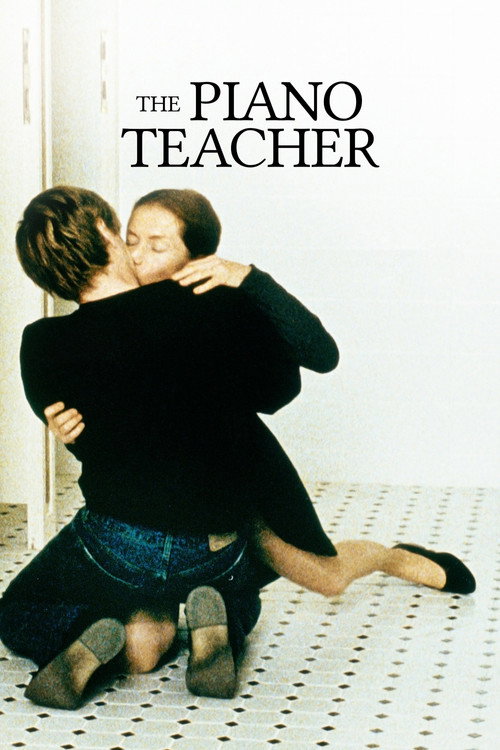
The Piano Teacher2001
Haneke examines repression and class tension in Austria much as Campanella does in Argentina. Both films regard their subjects with unflinching precision and a kind of anthropological coldness.
But Sexually explicit and deeply unpleasant in ways that feel deliberate. Haneke doesn't soften anything.
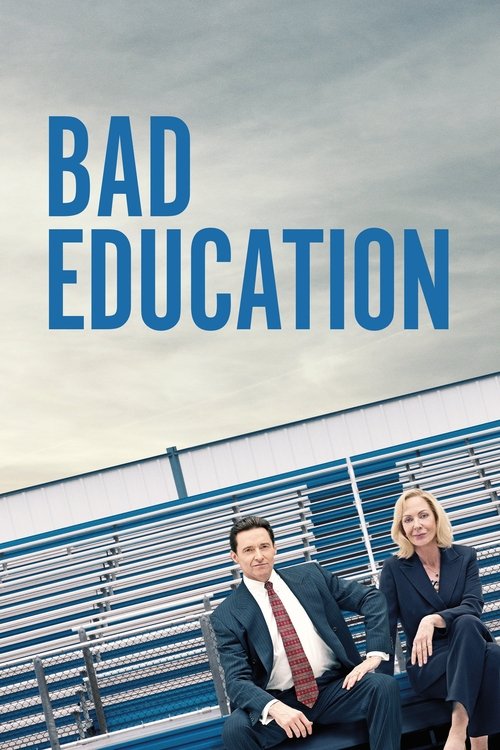
Bad Education2019
Fincher's film shares Headless Woman's interest in how people construct narratives around trauma. Both are ice-cold examinations of self-deception, told with formal control and moral ambiguity.
But True-crime procedural that's more interested in dullness than excitement. The flatness could read as boring if you want drama.
A Ghost Story2017
Lowery's meditation on time and loss matches the film's dreamlike pacing and interest in how ordinary life becomes unbearable. Both find profound melancholy in the quotidian.
But A sheet-covered ghost watching a house for two hours will test anyone's patience. It's experimental to a point some find indulgent.

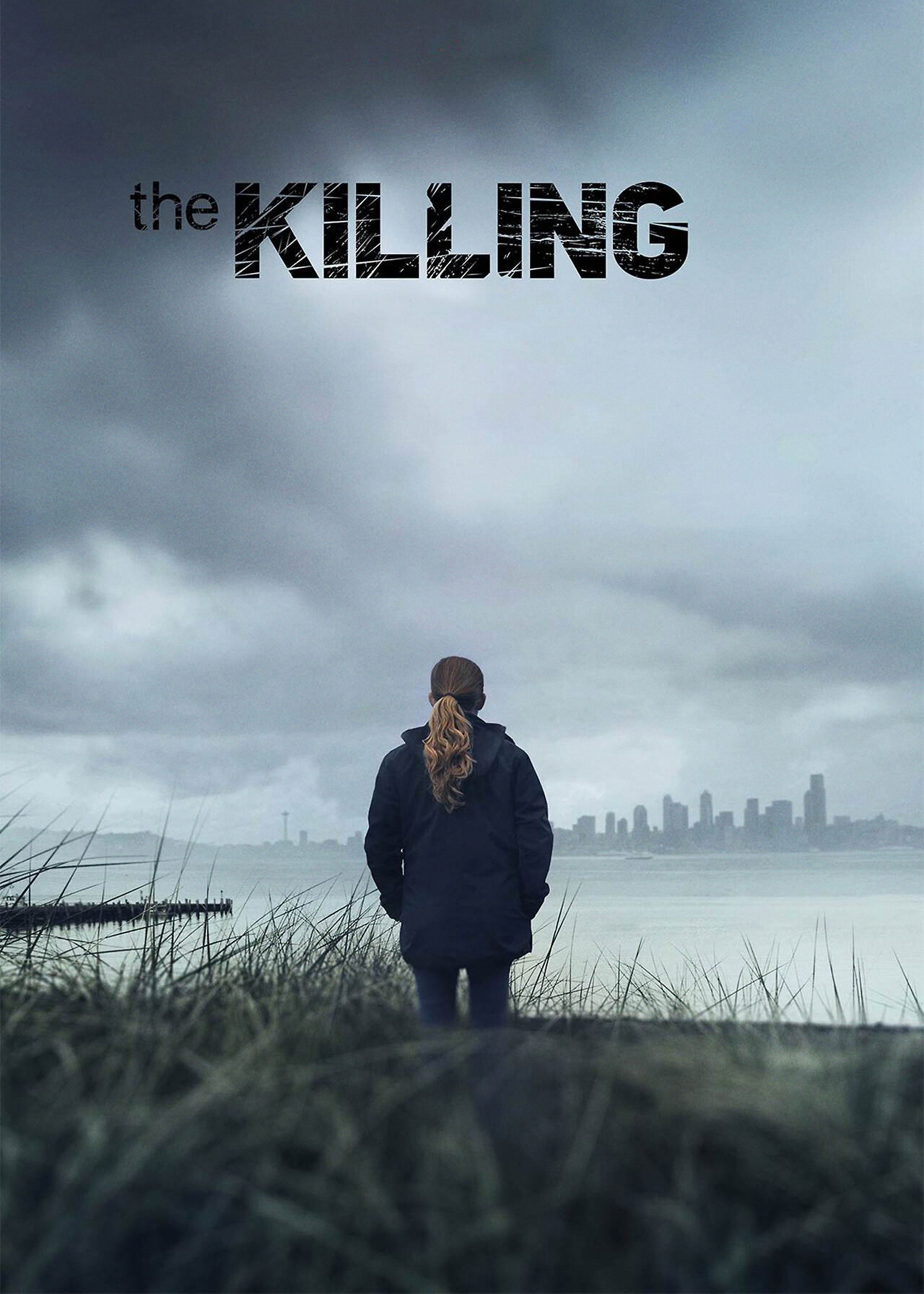
The Killing2011
Danish procedural that doesn't race toward answers. Like Headless Woman, it's more interested in how people endure than what happened. Slow-burn investigation as moral archaeology.
But Twenty episodes to investigate one crime. If you need momentum, this will exhaust you. Deliberately paced to the point of stubbornness.
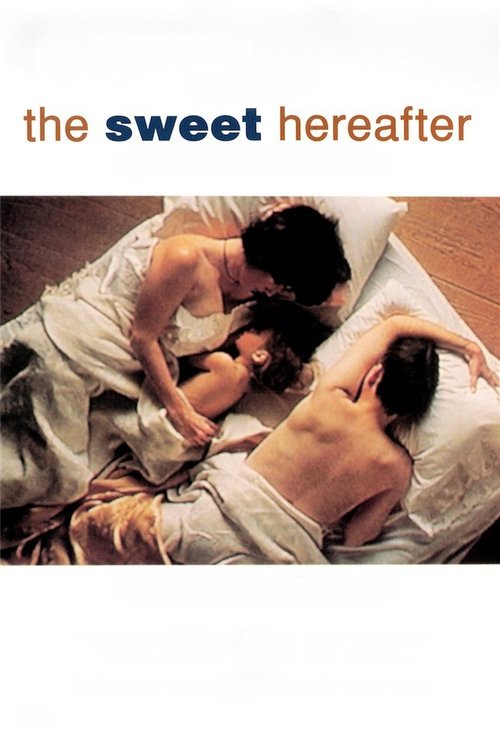
The Sweet Hereafter1997
Egoyan's examination of a town processing grief and accident shares the film's moral ambiguity and formal fragmentation. Both resist easy answers about guilt and innocence.
But A school bus accident kills children. The emotional weight is immense and the film doesn't offer relief. Devastatingly sad rather than satisfying.
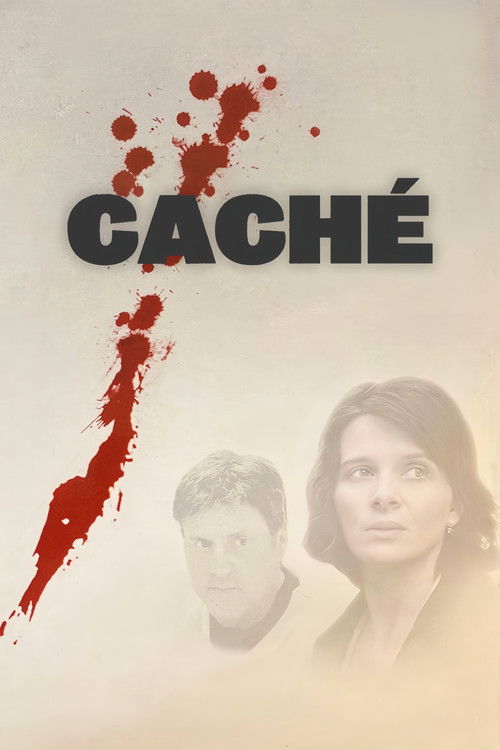
Caché2005
Two films where seeing is a moral act. Both understand that in societies built on denial, perception itself becomes dangerous.
Haneke's formal masterpiece about bourgeois guilt operates in Headless Woman's exact register—surfaces that hide, knowledge that destroys, the camera as interrogator. Both are studies in what people refuse to acknowledge.
But An unsettling examination of complicity that implicates the viewer. Some find it cruel or too clever. The ending offers no catharsis.
People
Cast
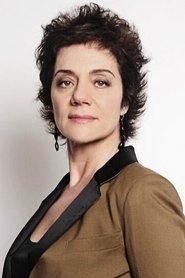 María OnettoVerónica
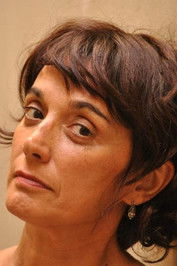 Claudia CanteroJosefina
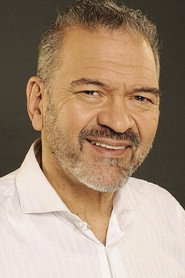 César BordónMarcos
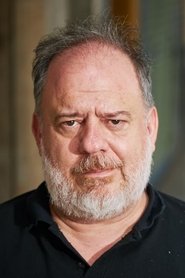 Guillermo ArengoMarcelo
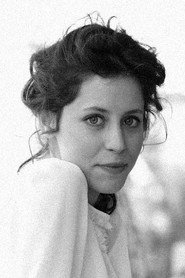 Inés EfrónCandita
 María VanerTia Lala
- Daniel GenoudJuan Manuel
 Alicia MuxoPrima Rosita
 Pía UribelarreaPrima Tere
- Andrea VerdunChica Moto 1
- Maira JuárezChica Moto 2
- Liliana De La FuenteMujer Gorda
Directing
- Daniela MarinaroAssistant Director
- Fabiana TiscorniaAssistant Director
- Carola JalifeContinuity
- Lucrecia MartelDirector
- Federico D'AuriaFirst Assistant Director
- Gonzalo FernándezSecond Assistant Director
Writing
- Lucrecia MartelScreenplay
Production
- Leandro BorrellAssistant Production Manager
- Natalia SmirnoffCasting
- Rémi BurahCo-Producer
- Verónica CuraExecutive Producer
- Fabiana PucciLocation Manager
- Ileana NovasPost Production Coordinator
- Agustín AlmodóvarProducer
- Cesare PetrilloProducer
- Enrique PiñeyroProducer
- Esther GarcíaProducer
- Lucrecia MartelProducer
- Marianne SlotProducer
- Pedro AlmodóvarProducer
- Tilde CorsiProducer
- Verónica CuraProducer
- Vieri RazziniProducer
- Ariel RinaldiProduction Assistant
- Diego AmsonProduction Assistant
- Franco EspósitoProduction Assistant
- Javier ParodiProduction Assistant
- Mariana PonisioProduction Assistant
- Matías CarlesiProduction Assistant
- Patricio RamosProduction Assistant
- Gastón GrazideProduction Coordinator
- Natalia NúñezProduction Coordinator
- Juan Pablo MillerProduction Director
- Zahra DaoudiProduction Manager