
Film
The Sweet Hereafter
- Drama
- Very dark
A lawyer arrives in a grieving small town to pursue a class-action lawsuit after a school bus accident kills children. Atom Egoyan's masterpiece explores how trauma fractures communities and whether seeking justice compounds the damage. Deliberately paced, formally ambitious, and morally unresolved—it stays with you because it refuses easy answers.
Should you watch it?
Watch it if you are drawn to slow, patient films that look hard at grief and blame without tidy consolation, and you don't mind a story told in fragments that circle back and reframe themselves.
Skip it if you want a clear plot that moves briskly, or you find it hard to sit with a subject as raw as a community's mourning for children, however carefully it is handled.
What it asks of you: Around two hours of close attention, unhurried and often quiet, with long still shots and conversations that take their time; it is heavy rather than cruel, and it rewards patience more than it rewards speed.
Not sure? Find tonight's pick in a minute.
If you liked this
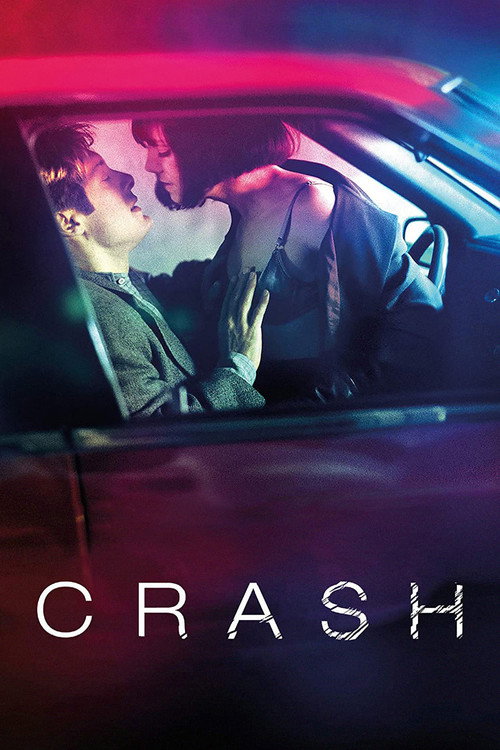
Crash1996
Another Cronenberg meditation on how Canadians process collective injury through systems and bodies. Equally formal, equally uncomfortable, equally necessary—a film that demands you sit with what disturbs you.
But It's transgressive in ways that feel obscene to some viewers. The sexual content tied to violence will alienate many, and rightfully discomfort others.
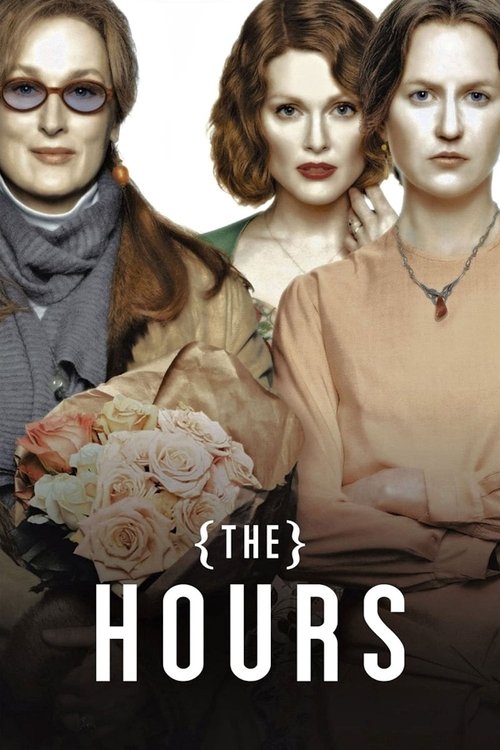
The Hours2002
Three women across time, connected by Woolf's novel, each reckoning with the gap between expected life and lived life. Like *Hereafter*, it finds tragedy in quiet domestic moments and refuses catharsis.
But Deliberately melancholic and formally experimental. If you want momentum or uplift, this will feel glacial and punishing.
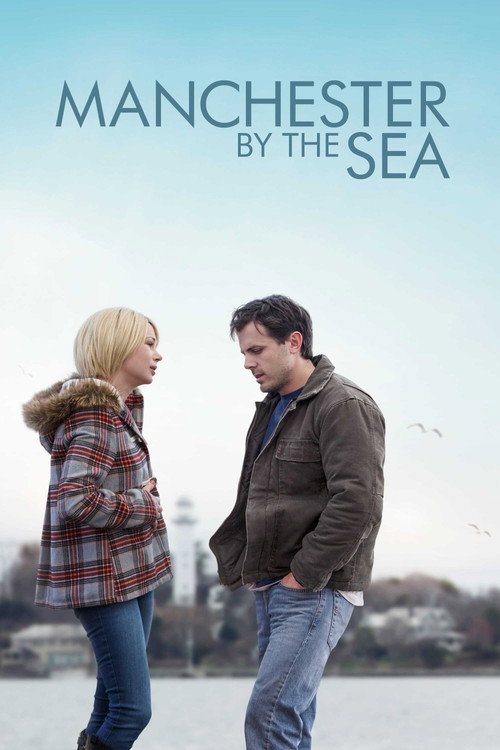
Manchester by the Sea2016
A man returns to his hometown after a death. Kenneth Lonergan captures how grief doesn't resolve—it gets lived with. The tone is immaculate: sad without sentimentality, kind without false comfort.
But Quiet and deliberately unhurried. Some find the pacing distant rather than meditative. Emotionally draining without the catharsis of a crying scene.
Not sure tonight? Get a pick in a minute, starting from The Sweet Hereafter
The wildcard
Something you would not have found on your own.
A Prophet2009
Both use institutional settings to explore how trauma and systems reshape human relationships and selfhood, without offering ethical resolution.
A young man enters prison and emerges transformed—but the film doesn't locate his change in redemption or growth. Instead, it watches how systems shape people into new versions of themselves, without moral judgment. Structurally similar to *Hereafter*: both trace how a community or institution reshapes individuals, and both resist the comfort of a clear villain.
But In French, with harsh prison violence and moral ambiguity. Longer than it feels. Some viewers expect a story arc where one doesn't exist.

More like this (8)
Mulholland Drive2001
Lynch's three-hour dream of Los Angeles and broken ambition. Like *Hereafter*, it uses fractured narrative to mirror psychological trauma. Formally daring and genuinely unsettling about who we pretend to be.
But Willfully obscure and structurally demanding. If you need a film to make sense, you'll find this pretentious. It requires surrender, not understanding.

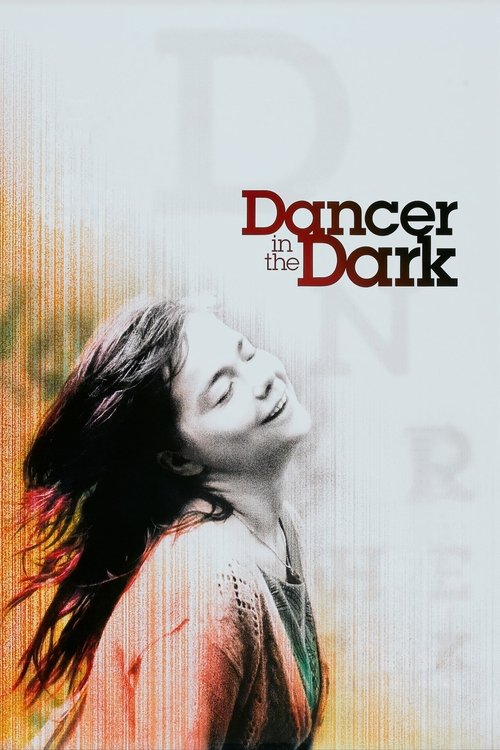
Dancer in the Dark2000
Lars von Trier follows a woman's collapse under poverty and false hope. Visually inventive yet emotionally brutal. Another work about how systems fail communities and individuals pay the price.
But One of cinema's bleakest films. The ending is devastating by design. Musical numbers make the darkness harder to look away from, not easier.
The Savages2007
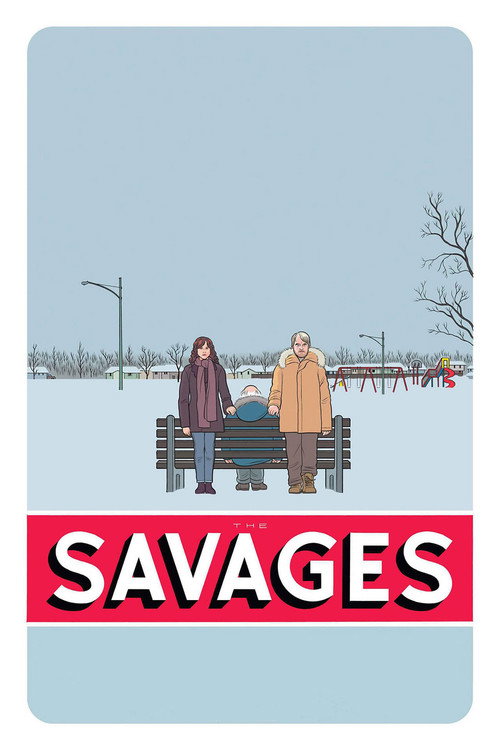
Two adult siblings navigate their father's dementia and their own failure to connect. A comedy that never stops being sad. Frances Ha before Frances Ha, but about decline rather than possibility.
But Claustrophobic and unresolved. The characters are intelligent but self-defeating. If you want growth or redemption, you'll leave frustrated.
Requiem for a Dream2000
Four lives in an American city destroyed by addiction and false hope. Darren Aronofsky's visual language mirrors his characters' spiraling minds. Unflinching about how isolation kills even the loved.
But Relentlessly bleak and formally aggressive. The sound design and editing are intentionally punishing. Many find it exploitative rather than tragic.

A Serious Man2009
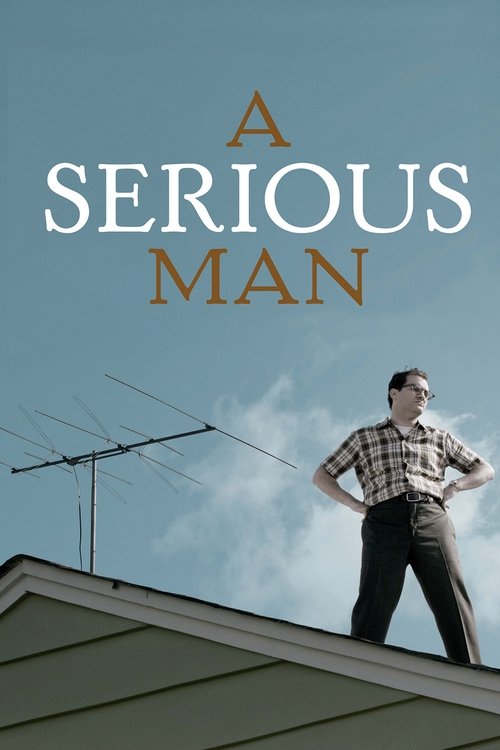
The Coen Brothers follow a man's year of professional and personal collapse. Dark comedy masking genuine anguish. Like *Hereafter*, it suggests that moral complexity doesn't yield answers, only confusion.
But Deeply cynical about human nature and divine justice. The tone whips between funny and devastating, which some find tonal rather than earned.
The Fountain2006
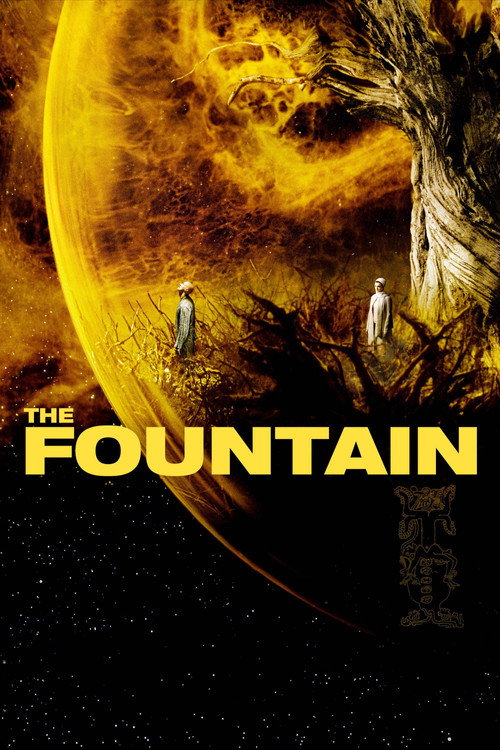
Darren Aronofsky's three-timeline epic about love, death, and the impossibility of saving anyone. Formally experimental and emotionally daring. A genuine reach toward the unfilmable.
But Narratively abstract and visually demanding. The emotional payoff depends entirely on your patience with formal risk. Easy to find overreaching and incoherent.
The Act of Killing2012
Both examine how communities manage collective trauma when justice systems fail or fracture them further. Both refuse easy moral answers.
A documentary asking Indonesian death squad executioners to reenact their murders on film. Joshua Oppenheimer doesn't condemn—he watches as the men mythologize their own atrocities. It's *Hereafter*'s question from the opposite direction: how does a community process collective violence when the perpetrators refuse remorse and the state allows it?
But Deeply disturbing and morally nauseating. The film's refusal to judge some viewers experience as moral relativism rather than moral clarity. Watching men enjoy performing their own murders is not comfortable viewing.

Happiness1998
Both use ensemble narrative and formal control to examine how communities hide their own damage. Both resist sentimentality about human connection.
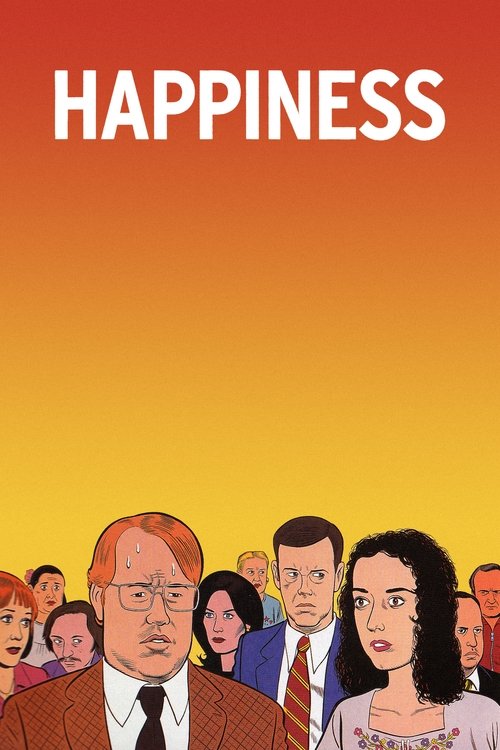
Todd Solondz's dark comedy finds despair in suburban lives—a pedophile father, a woman obsessed with a man who ignores her, a repressed housewife. It shares *Hereafter*'s formal restraint but inverts the tone: where Egoyan is mournful, Solondz is grotesque. Both films trust the audience to sit with moral rot without resolution. Both argue that community doesn't save us from ourselves.
But Deeply offensive and deliberately ugly. The comedy about dark subjects will read as cruel to many. The subject matter—child abuse, sexual obsession—makes it feel exploitative no matter how formally accomplished.
People
Cast
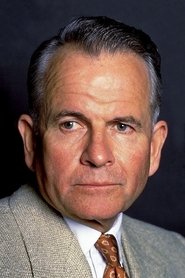 Ian HolmMitchell Stephens
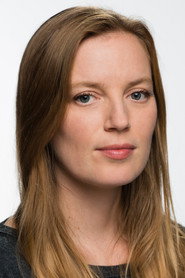 Sarah PolleyNicole Burnell
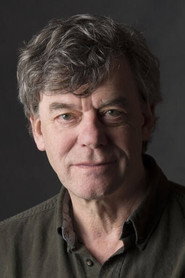 Tom McCamusSam Burnell
 Gabrielle RoseDolores Driscoll
 Alberta WatsonRisa Walker
- Caerthan BanksZoe Stephens
 Maury ChaykinWendell Walker
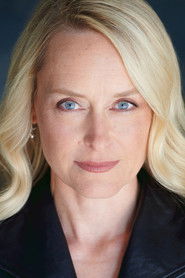 Stephanie MorgensternAllison
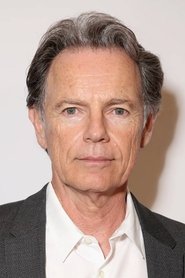 Bruce GreenwoodBilly Ansel
 Arsinée KhanjianWanda Otto
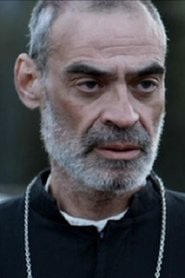 Earl PastkoHartley Otto
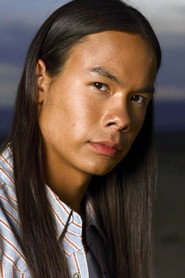 Simon BakerBear
Directing
- Cassandra CronenbergAssistant Director Trainee
- Atom EgoyanDirector
- Andy MikitaFirst Assistant Director
- David WebbFirst Assistant Director
- Joanne T. HarwoodScript Supervisor
- Bruno BryniarskiSecond Assistant Director
- Tracey PoirierSecond Assistant Director
- Mary SylwesterThird Assistant Director
Writing
- Russell BanksNovel
- Atom EgoyanScreenplay
- Allen BellScript Editor
Production
- Cory KinneyAssistant Location Manager
- Tracey RenyardAssistant Location Manager
- David WebbAssociate Producer
- András HámoriExecutive Producer
- Robert LantosExecutive Producer
- Megan ConacherExtras Casting
- Suzanne LeslieExtras Casting
- Sandra CunninghamLine Producer
- Eardley WilmotLocation Manager
- Lorne DavidsonLocation Manager
- Darren RobsonLocation Production Assistant
- Matthew WilliamsLocation Production Assistant
- Selina WilliamsLocation Production Assistant
- Atom EgoyanProducer
- Camelia FriebergProducer
- Tami ThomsonProduction Coordinator
- Roberta PazdroProduction Manager
Recommended by
In the Bedroom, Rabbit Hole, Cria!, Armchair Theatre, Faraway, So Close!, Sleepers, An American Tragedy, Winter in the Blood, Last Tango in Paris, Damnation, Maelström, The Last Tycoon, Monster, A Perfect Murder, Exotica, Man of Ashes, The Son's Room, The Crimson Rivers, The Discomfort of Evening, Sunday, Hot Coffee, The Headless Woman, The Last Dance, The Paradine Case, Krishnam Vande Jagadgurum, Madame DuBarry, A Nos Amours, Simon & the Oaks, Happy Days, Sólo con tu pareja, The Snow Goose, Possible Love