
Film
Man of Ashes
- Social drama
- Very dark
A Tunisian wedding becomes the stage for the eruption of a buried trauma. Two friends, bonded by childhood sexual abuse they've never spoken of, watch their lives unravel as shame, silence, and social pressure converge. Meditative, unflinching, and formally brilliant—a film about how injury lives in the body long after the wound closes.
If you liked this
The Seventh Seal1957
Bergman's masterpiece about mortality and meaning through a tense, symbolic drama. Like *Man of Ashes*, it uses a restricted scenario—a chess game with Death—to unlock philosophical depths about suffering and what we owe each other.
But The philosophical register and deliberate pacing won't suit you if you want plot momentum or conventional emotional catharsis.

A Prophet2009
A brutal prison drama about a young man's transformation under duress. Shares *Man of Ashes*' unflinching look at how trauma reshapes identity, and its portrait of two men bound by damaged history.
But It's longer and more plot-driven; if you loved *Man of Ashes* for its stillness, this will feel restless by comparison.

Stalker1979
Tarkovsky's philosophical science-fiction meditation on desire and meaning. Like *Man of Ashes*, it trusts silence and visual language to convey what dialogue cannot, and centers on a journey toward a truth that terrifies everyone involved.
But It moves at its own unhurried pace for 163 minutes. Patience isn't optional—it's the admission price.

Not sure tonight? Get a pick in a minute, starting from Man of Ashes
The wildcard
Something you would not have found on your own.
The Battle of Algiers1966
Both are Algerian/North African films wrestling with postcolonial trauma—one at the political level, one at the intimate. They're asking the same question: what does it cost a society to survive violence?
Pontecorvo's revolutionary documentary-drama about anticolonial struggle in Algeria—*Man of Ashes*' own homeland, filmed just after independence. It shares the formal rigor and moral seriousness, but channels it into political violence rather than intimate trauma. Essential context for understanding what *Man of Ashes* is asking about Tunisian identity and shame.
But It's a film about terrorism and torture, shot in a deliberately cool, analytical style. If you came for catharsis, you'll leave unsettled and educated, which is different.

More like this (8)
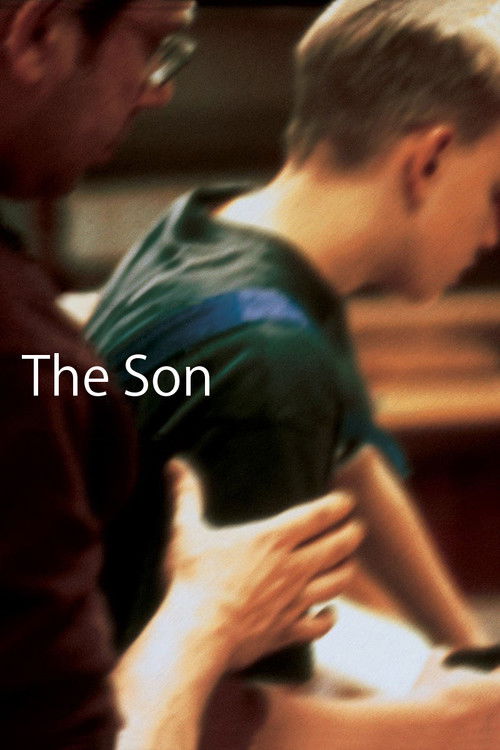
The Son2002
Haneke's devastating chamber piece about a teacher and student carrying unspoken trauma. The two-hander format and focus on what remains unsaid echo *Man of Ashes* perfectly, as does its moral complexity.
But It's austere, repetitive, and offers no relief. The confrontation at its heart is deliberately uncomfortable.
Peppermint Soda1977
Diane Kurys' semiautobiographical film about female friendship and adolescent awakening. Where *Man of Ashes* explores damaged male intimacy, this maps female friendship through the same era's social upheaval with equal tenderness.
But Its intimacy is quieter and less overtly traumatic; it may feel too lyrical if you're craving the weight you felt in *Man of Ashes*.

Winter Light1963
Bergman again, this time a raw look at faith collapsing under the weight of suffering. It shares *Man of Ashes*' commitment to sitting with unbearable feelings rather than resolving them.
But It's bleak to the point of hopelessness, and the religious framework won't resonate if you don't engage with the spiritual questions at stake.

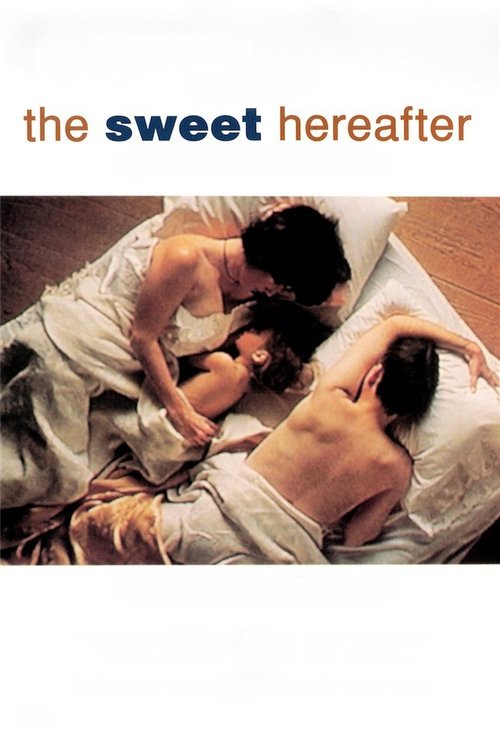
The Sweet Hereafter1997
Atom Egoyan's fractured narrative about a community undone by tragedy. Like *Man of Ashes*, it's concerned with how trauma circulates through social bonds and how silence becomes its own form of violence.
But The non-linear structure demands active viewing; if you're exhausted, the layered storytelling will feel like work rather than art.
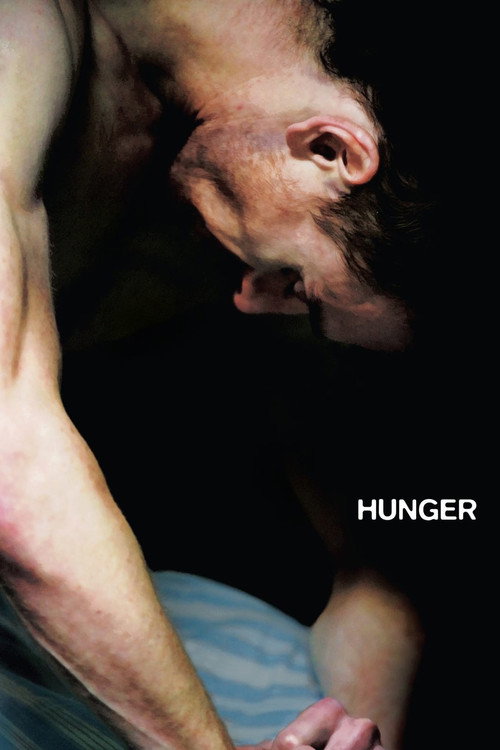
Hunger2008
Steve McQueen's precise, unbearable portrait of political imprisonment and bodily suffering. Both films use physical discipline and visual control to explore how trauma lives in the flesh.
But The final sequence is genuinely difficult to witness. It's masterful but punishing.
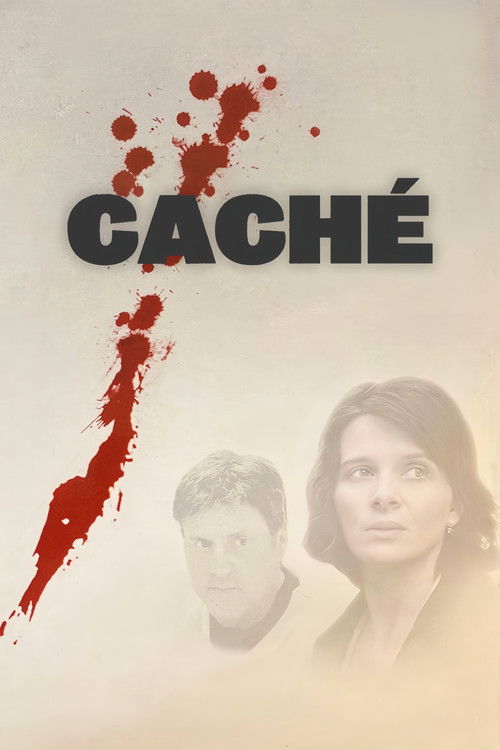
Caché2005
Haneke's investigation of how violence lies dormant beneath domestic surfaces, and how silence becomes complicity. The formal restraint and moral ambiguity mirror *Man of Ashes*' refusal to sentimentalize suffering.
But It ends without resolution, and its coldness can feel didactic rather than moving if you don't buy into Haneke's argument.
The Fire Next Time2020
Both are about how shame circulates through communities, how bodies carry histories that can't be spoken, and how art becomes the only language for the unspeakable. One works through drama, one through essay and animation.
A three-part documentary about James Baldwin's life and ideas, animated and essayistic. Like *Man of Ashes*, it meditates on shame, desire, and the violence of enforced silence in communities marked by discrimination. It's intellectually rigorous but emotionally alive—the opposite of dry.
But It's an essay more than a narrative, and it demands you think alongside it rather than simply watch. Also, it's Baldwin on race and sexuality; if that's not your mode, the philosophical register will feel abstract.

Glue2014
Both are about adolescent trauma that reshapes everything that comes after, shot in a visual language that trusts the image over exposition. Both understand that some wounds don't heal—they just become part of how you move through the world.
A six-part British miniseries about working-class teenagers in crisis, shot with documentary-like intensity and formal control. It shares *Man of Ashes*' refusal to look away from trauma, its attention to how young people's bodies become sites of damage, and its moral seriousness. But it's contemporary, working-class, and very British—a completely different world dealing with the same wounds.
But It's bleak and often ugly, with performances so naturalistic they can feel raw rather than curated. If you need beauty in your suffering, this won't provide it.

People
Cast
- Imed MaalalHachemi
- Khaled KsouriFarfat
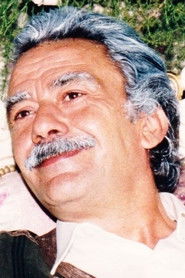 Mustapha AdouaniAmeur
 Mouna NoureddineNefissa
- Yacoub BchiriLevy
- Wassila ChaoukiSejra
- Mohamed DhrifAzaiez
- Sonia MansourAmina
Directing
- Nouri BouzidDirector
Writing
- Nouri BouzidWriter