
Film
The Last Tycoon
Elia Kazan's adaptation of Fitzgerald's unfinished novel about a Hollywood golden-age producer at the peak of power and the edge of collapse. De Niro carries the weight of empire—ambition, romance, exhaustion—with a quietness that makes the film's melancholy burn. It's a portrait of a man who built something beautiful and can't stop building, even as it kills him. For anyone who loves the texture of old Hollywood and character studies that don't need explosions.
If you liked this
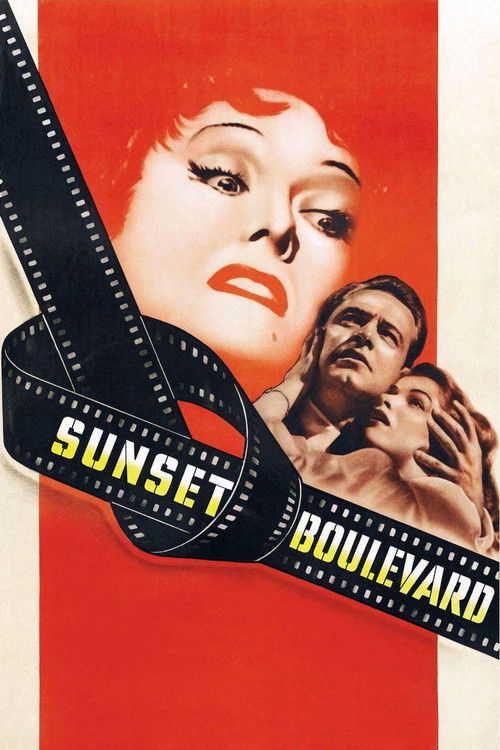
Sunset Boulevard1950
The definitive Hollywood tragedy: a faded star and a ambitious screenwriter spiral into delusion and death. Billy Wilder's masterpiece cuts deeper than any other film about the industry's cruelty and seduction.
But It's a cynical, blackly funny portrait of Hollywood that some find too bleak. The pacing is deliberate; this isn't entertainment in the conventional sense.
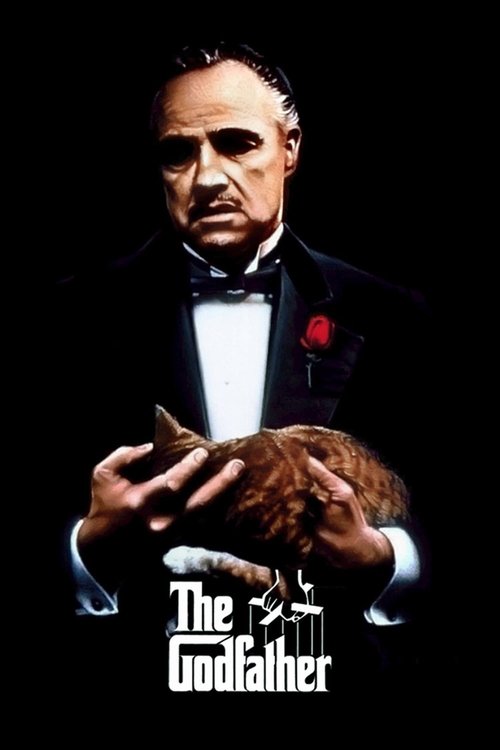
The Godfather1972
Coppola's epic about power, family, and the corruption of ambition. Like The Last Tycoon, it's a study in how empire-building eats the builder alive, told with operatic scope and intimate character work.
But Nearly three hours, and demands attention. If you want plot momentum over atmosphere, this will feel slow.
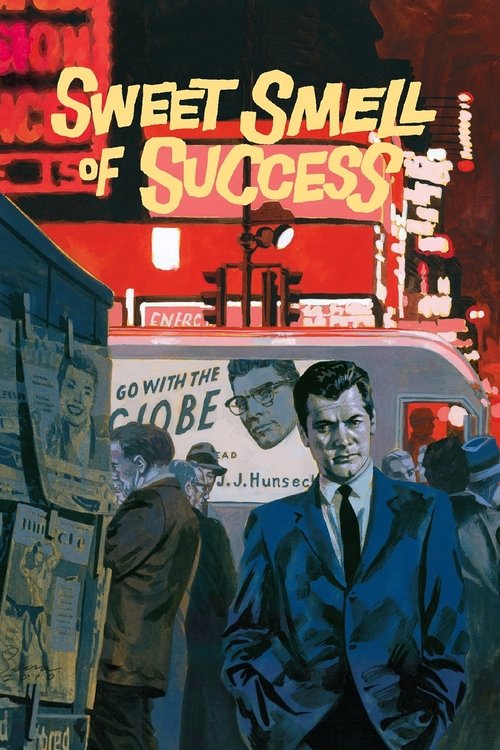
Sweet Smell of Success1957
Ruthless, gorgeous noir about power brokers in New York's entertainment world. The dialogue crackles; the moral decay is so thick you can taste it. A film that understands ambition's real cost.
But The protagonist is almost entirely unlikeable. The cynicism is unrelenting and bleaker than most can stomach.
Not sure tonight? Get a pick in a minute, starting from The Last Tycoon
The wildcard
Something you would not have found on your own.
Tokyo Story1953
Both films are elegies for men who've given everything to their work and find themselves unable to live any other way. The emotional register is restraint as depth.
Ozu's masterpiece about aging parents visiting their son in postwar Tokyo. Like The Last Tycoon, it's a quiet, deceptively still portrait of a man shaped by work, unable to stop, watching time slip away. The mood is heartbreak without melodrama.
But Ozu's compositional style—characters often shot from a low angle, little camera movement, long static takes—reads as glacially slow to those unaccustomed to it. Patience required.

More like this (8)
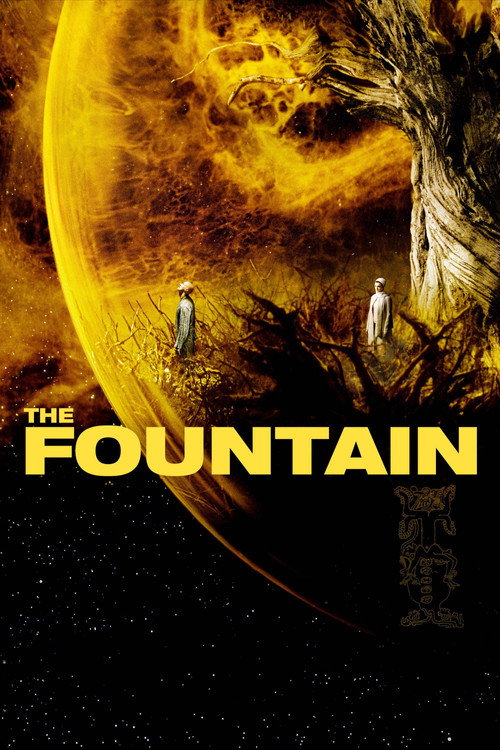
The Fountain2006
Aronofsky's haunting meditation on love, time, and the impossibility of stopping death. Like Stahr, the protagonist is brilliant, driven, and destroying himself to hold onto something he cannot keep.
But Visually experimental and emotionally demanding. The narrative structure is challenging; some find it pretentious rather than profound.
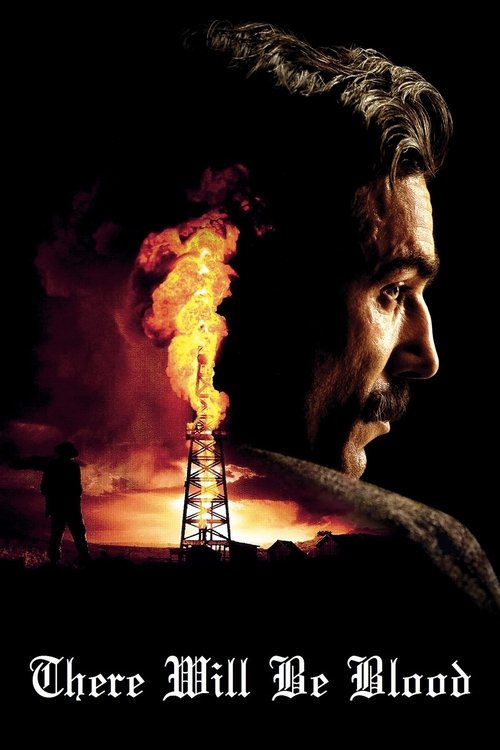
There Will Be Blood2007
Paul Thomas Anderson's epic about an oilman's rise mirrors Stahr's trajectory: genius, ruthlessness, isolation at the top, and the slow realization that winning leaves you alone. Magnificent and terrible.
But Three hours of men in period settings being awful to each other. If you need a likeable protagonist, look elsewhere.
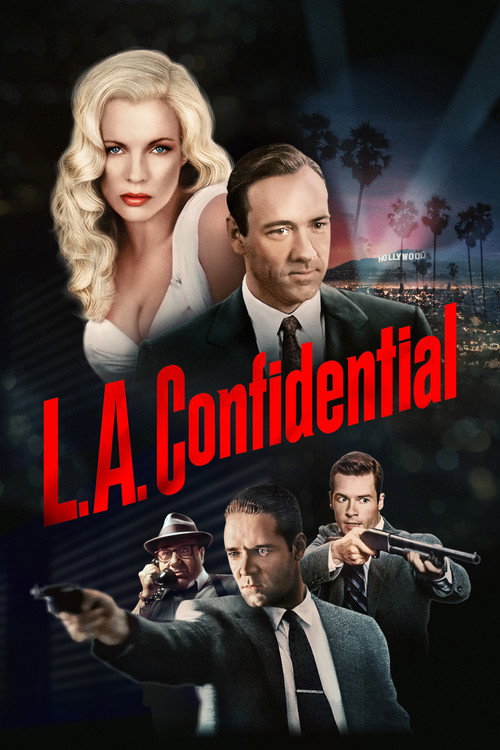
L.A. Confidential1997
Hanson's noir about cops in 1950s LA navigating corruption and power. It captures the same world of beautiful surfaces hiding rot, with thriller momentum that The Last Tycoon lacks.
But The plot is intricate; some find it convoluted. Less interested in psychological depth than in plot mechanics.
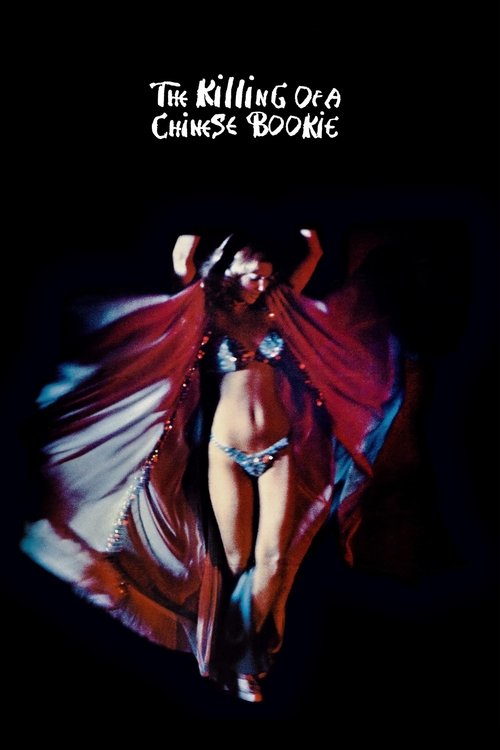
The Killing of a Chinese Bookie1976
Cassavetes' intimate portrait of a nightclub owner caught between survival and dignity. Improvised and raw, it shares The Last Tycoon's fascination with men trying to hold onto control they're losing.
But Deliberately rough and unglamorous. Cassavetes' naturalistic style will feel amateurish if you're expecting studio polish.
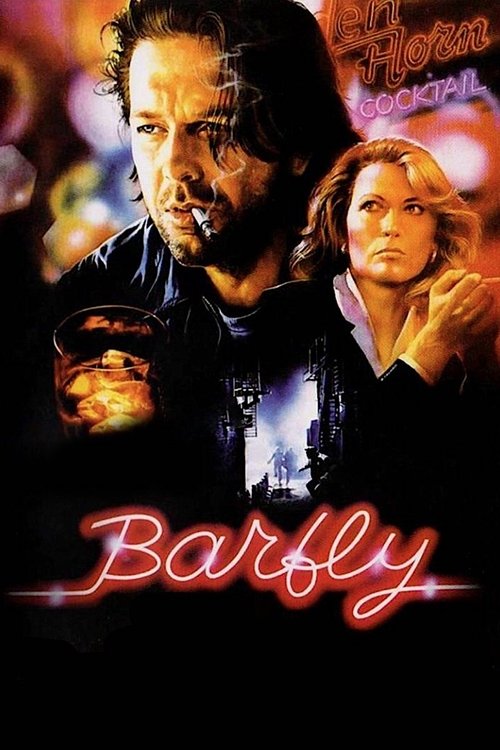
Barfly1987
Barbet Schroeder's darkly comic portrait of a writer destroying himself at the bottom instead of the top. Mickey Rourke and Faye Dunaway in a love story among the wreckage—poignant and unflinching.
But The world is so squalid and the characters so committed to their own ruin that it becomes almost unbearable to watch.
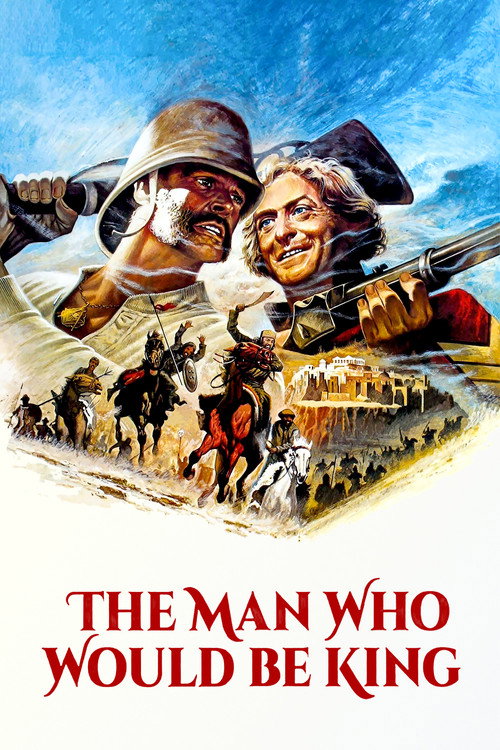
The Man Who Would Be King1975
Huston's adventure film about ambition, friendship, and the delusion that you can build an empire on will alone. Connery and Caine shine; the film balances spectacle with genuine character tragedy.
But It's an adventure film first—if you want introspection over action, you'll find it lighter than expected.
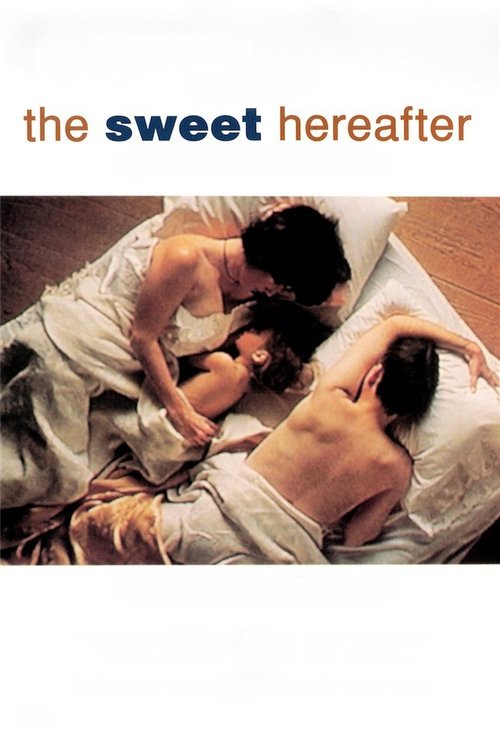
The Sweet Hereafter1997
Both examine the seduction of power—Stahr in Hollywood, Mitchell in the courtroom—and how the compulsion to control events becomes a kind of death wish.
Egoyan's devastating exploration of a small town after a school bus crash and the lawyer who tries to turn grief into a lawsuit. A study in how ambition and the need to fix things destroys both the fixer and those around him.
But The narrative moves backward and sideways rather than forward; some find the fractured chronology alienating. The tone is mournful throughout.
Contempt1963
Both films use the entertainment industry as a lens for examining how the drive to create, control, and succeed hollows out the human beings doing it. Both are shot as visual essays on power and desire.
Godard's film-within-a-film about a screenwriter, a director, and a producer caught in collapsing marriages and artistic compromise. Gorgeously shot in VistaVision, it's a essay on how ambition corrodes intimacy—especially the intimacy of artistic partnership.
But Godard's deliberately fractured approach to narrative will feel like resistance if you expect conventional storytelling. The tone is essayistic rather than dramatic.

People
Cast
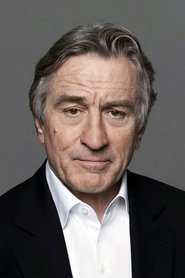 Robert De NiroMonroe Stahr
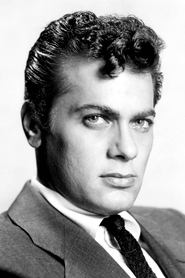 Tony CurtisRodriguez
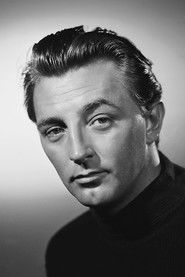 Robert MitchumPat Brady
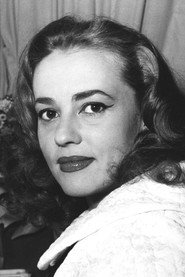 Jeanne MoreauDidi
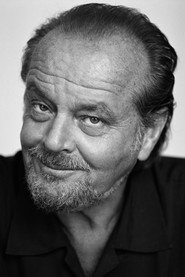 Jack NicholsonBrimmer
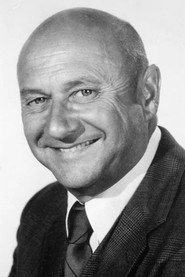 Donald PleasenceBoxley
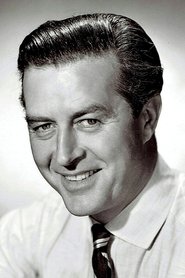 Ray MillandFleishacker
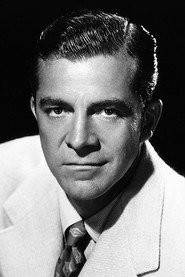 Dana AndrewsRed Ridingwood
 Ingrid BoultingKathleen Moore
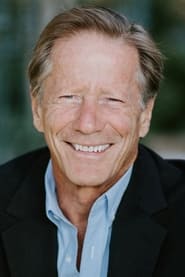 Peter StraussWylie
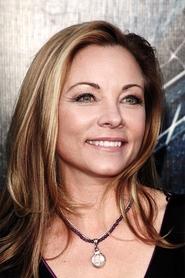 Theresa RussellCecilia Brady
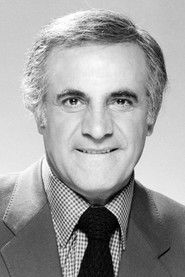 Tige AndrewsPopolos
Directing
- Elia KazanDirector
- Daniel McCauleyFirst Assistant Director
- Karen Hale WookeyScript Supervisor
- Gary DaiglerSecond Assistant Director
- Ron WrightSecond Assistant Director
Writing
- F. Scott FitzgeraldNovel
- Harold PinterScreenplay
Production
- Jane FeinbergCasting
- Mike FentonCasting
- Sam SpiegelProducer
- Lloyd AndersonProduction Manager
Recommended by
The Great Gatsby, Youth, The Betsy, The Stoker, The Woman Next Door