
Film
Youth
Other titles called Youth: the series coming in 2026 (HBO).
- Drama
- Slow-burning
Paolo Sorrentino's *Youth* is a meditation on creativity, mortality, and the weight of unfinished business, set in a crystalline Swiss resort where time moves like honey. Michael Caine and Harvey Keitel play aging artists circling questions they've spent lifetimes avoiding. It's languorous, digressive, occasionally wry—a film that trusts you to sit with ambiguity and beauty without needing to resolve either.
Should you watch it?
Watch it if you love films that drift like a reverie, where lush, deliberately odd images and sly melancholy about ageing matter more than plot, and you're happy to let a scene simply hang.
Skip it if you need a clear narrative spine, since this circles its characters through long pauses and loosely linked vignettes that can feel thin when the pace drifts.
What it asks of you: It asks for patience across two hours and five minutes, with long unhurried stretches and a dreamy, sometimes absurd texture that rewards slowing down and noticing things.
Not sure? Find tonight's pick in a minute.
If you liked this
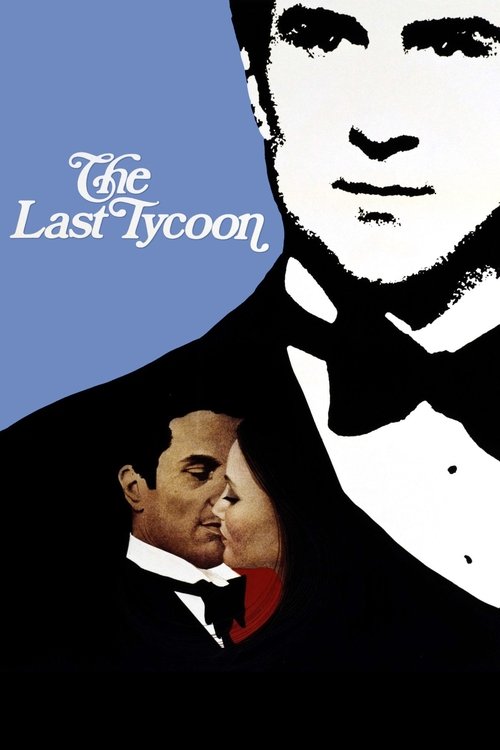
The Last Tycoon1976
A melancholic exploration of power, desire, and obsolescence in Hollywood's golden age. Like *Youth*, it's fascinated by men who built empires now watching them crumble, set against gorgeously composed American landscapes.
But Fitzgerald's prose doesn't always translate cinematically, and the narrative can feel scattered—you're not watching plot so much as mood and regret.
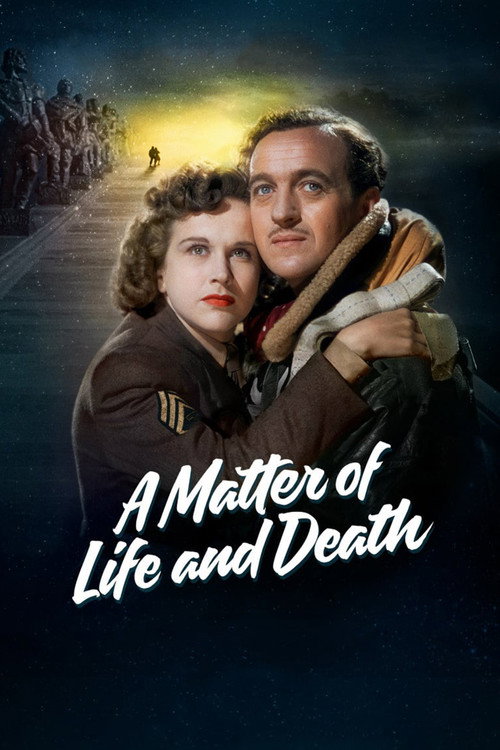
A Matter of Life and Death1946
Powell and Pressburger craft a visually rapturous film about mortality, meaning, and what we leave behind. The same sense of gravitas and beauty, but with an almost supernatural lightness of touch that *Youth* admires.
But The tone shifts between whimsy and philosophical weight in ways that can feel jarring if you're expecting naturalism. Some passages drag deliberately.
Ikiru1952
Kurosawa's masterpiece about a dying man searching for meaning in a life spent on nothing that mattered. Devastatingly humanistic, with the same patient attention to small gestures and interior anguish that defines *Youth*.
But It's a film about the approach of death. There is no escape hatch. The sadness is the entire point, and that can feel relentless.

Not sure tonight? Get a pick in a minute, starting from Youth
The wildcard
Something you would not have found on your own.
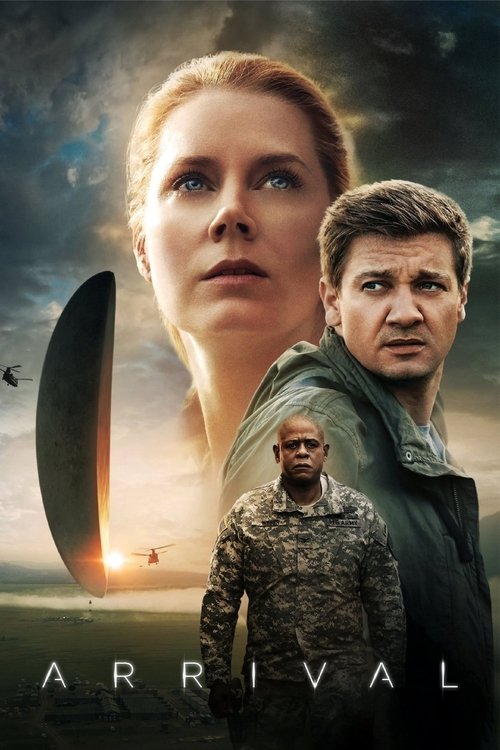
Arrival2016
Both are films about time—how we move through it, what it takes from us, what it reveals. *Youth* is about aging into understanding; *Arrival* is about understanding collapsing time itself. Different genres, same sorrow.
Denis Villeneuve's science fiction film about a linguist learning to communicate with aliens, and what that learning costs her. Formally inventive, mathematically precise, and utterly devastating about time, loss, and choice. *Youth* and *Arrival* are both about what we know too late.
But It's cerebral and conceptual. The emotional payoff requires following abstract ideas. If you need plot momentum, it will feel slow.
More like this (7)
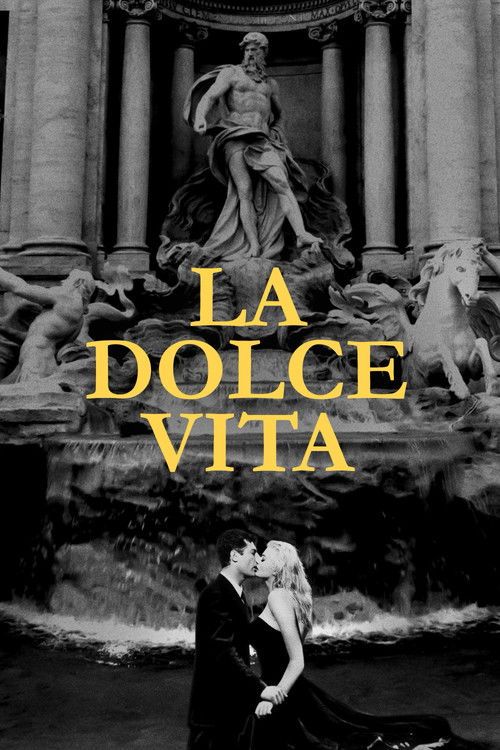
La Dolce Vita1960
Fellini's three-hour fever dream of Rome, beauty, corruption, and the impossibility of satisfaction. Shares *Youth*'s fascination with aesthetics, celebrity, and the exhaustion of perpetually chasing the next thing.
But It meanders by design. There is no plot, no resolution, and some sequences feel indulgent. You have to surrender to it or it will bore you.
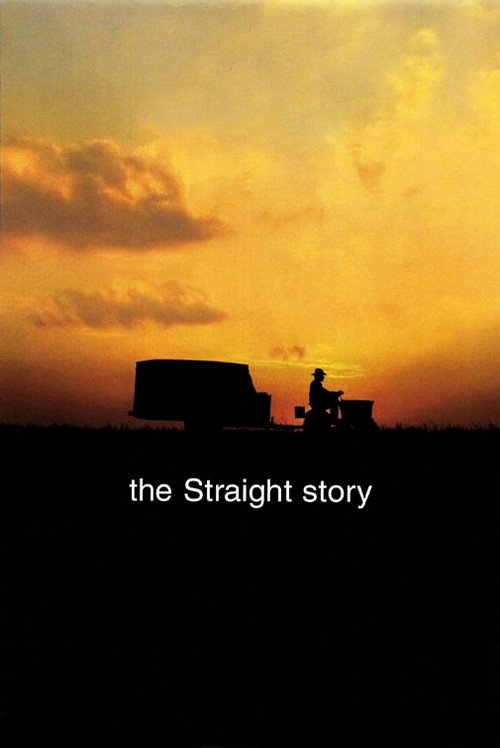
The Straight Story1999
David Lynch's only G-rated film: a widower rides a lawnmower across Iowa to reconcile with his estranged brother. Achingly tender about aging, regret, and the possibility of grace. Slower than slow, but luminous.
But It is genuinely, almost aggressively quiet. If you approach it expecting narrative momentum or surprise, you will be disappointed.
Synecdoche, New York2008
Charlie Kaufman's dizzyingly recursive film about a theater director building a life-size replica of New York inside a warehouse, collapsing art and reality and mortality into one impossible structure. Like *Youth*, it's about artists wrestling with meaning.
But It is baroque, often impenetrable, and designed to frustrate anyone looking for clear answers. Some find it pretentious rather than profound.

Under the Skin2014
Glazer's hypnotic, almost wordless film about an alien woman in Scotland. Shares *Youth*'s commitment to mood and image over plot, and the same willingness to leave you unsettled and wondering what you've seen.
But Dialogue is sparse, plot is minimal, and the payoff is existential dread rather than catharsis. It's more haunting than satisfying.

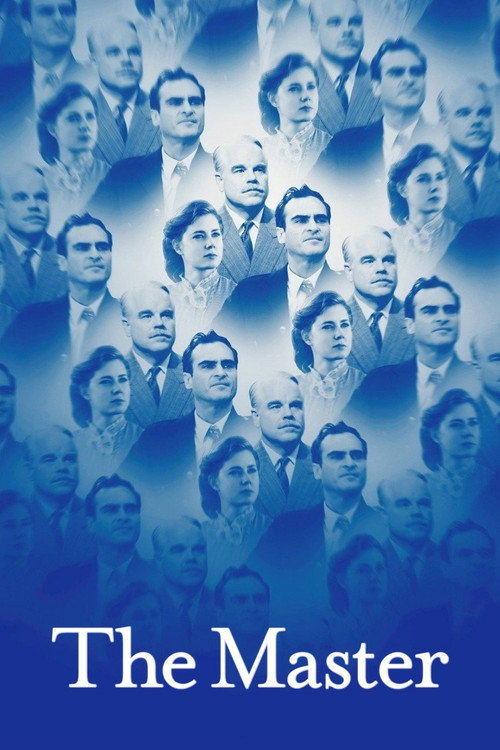
The Master2012
Anderson's portrait of charisma, delusion, and the hunger to follow. Two men circling each other, neither able to leave, both damaged in ways they can't articulate. Like *Youth*, it's visual and psychological rather than narrative.
But It's cryptic about its own meaning, and the relationship between its leads can feel opaque. Some see depth; others see evasion.
A Ghost Story2017
Lowery's strange, powerful film about time, loss, and what remains after we're gone. Casey Affleck spends much of it under a sheet, yet it's achingly alive. Shares *Youth*'s willingness to sit with sorrow without rushing.
But It includes a scene of someone eating pie in real time for several minutes. It challenges patience. Some find it self-indulgent.

The Turin Horse2011
Where *Youth* is about the twilight of artists, *The Turin Horse* is about the twilight of meaning itself. Both are filmed like requiems. But where *Sorrentino* offers Swiss lakes and ambiguity, *Tarr* offers only darkness and the possibility of grace through acceptance.
Béla Tarr's final film, about Nietzsche's last days with his horse, approaching apocalypse with dark humor and visual grandeur. Shares *Youth*'s refusal to comfort the viewer, and its conviction that beauty and despair are not opposites.
But It's in black and white, shot in extreme close-up, and feels like watching the world end in a cottage. It's bleak and repetitive and visually demanding. Forty minutes in, you'll know if you can finish it.

People
Cast
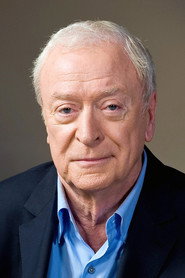 Michael CaineFred Ballinger
 Harvey KeitelMick Boyle
 Rachel WeiszLena Ballinger
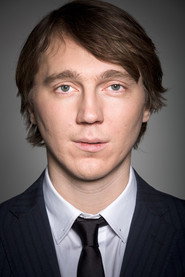 Paul DanoJimmy Tree
 Jane FondaBrenda Morel
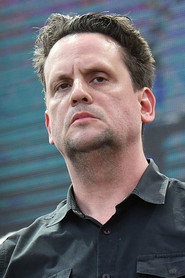 Mark KozelekMark Kozelek
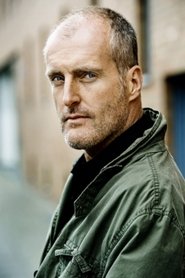 Robert SeethalerLuca Moroder
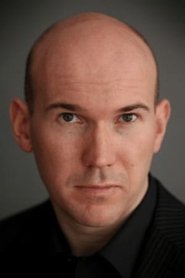 Alex MacqueenQueen's Emissary
 Luna MijovićMasseuse
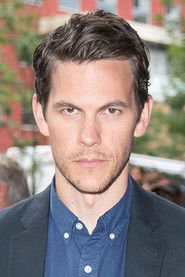 Tom LipinskiScreenwriter in Love
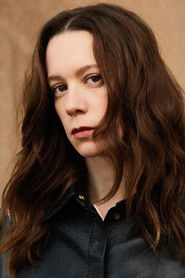 Chloe PirrieGirl Screenwriter
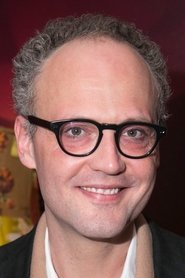 Alex BeckettBearded Screenwriter
Directing
- Paolo SorrentinoDirector
- Davide BertoniFirst Assistant Director
Writing
- Paolo SorrentinoWriter
Production
- Guendalina PontiAssociate Producer
- Annamaria SambuccoCasting
- Laura RosenthalCasting
- Shaheen BaigCasting
- Anne WalserCo-Producer
- David KosseCo-Producer
- Elizabeth KarlsenCo-Producer
- Fabio ConversiCo-Producer
- Jérôme SeydouxCo-Producer
- Muriel SauzayCo-Producer
- Romain Le GrandCo-Producer
- Stephen WoolleyCo-Producer
- Vivien AslanianCo-Producer
- Viola PrestieriExecutive Producer
- Stefano D'AvellaFinance
- Gennaro FormisanoLine Producer
- Carlotta CaloriProducer
- Francesca CimaProducer
- Nicola GiulianoProducer