
Film
Hot Coffee
Hot Coffee demolishes the myth of frivolous lawsuits by revisiting the infamous McDonald's coffee case and following real people harmed when courts were weakened. It's an angry, lucid documentary about how corporations weaponized a single story to reshape American law. Essential viewing for anyone who thinks the legal system works the way they were taught it does.
Should you watch it?
Watch it if you enjoy investigative documentaries that take a familiar story everyone thinks they know and dig under it, with a sharp eye for how public opinion gets shaped.
Skip it if the film is an argument more than a neutral account, so if you want both sides weighed evenly, its one-sided case-building may frustrate you.
What it asks of you: At a brisk eighty-five minutes, it moves through interviews and archival clips at a steady clip, asking you to keep track of names, claims and court-related jargon.
Not sure? Find tonight's pick in a minute.
If you liked this
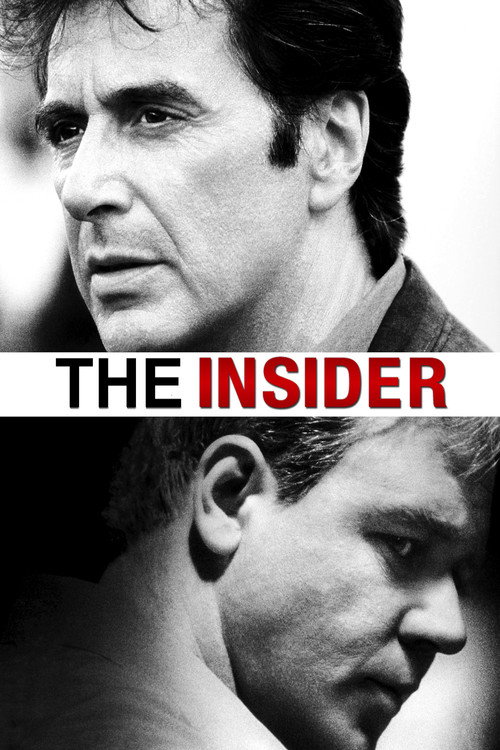
The Insider1999
A tobacco whistleblower risks everything to expose corporate deception on 60 Minutes. Like Hot Coffee, it shows how powerful institutions conspire to silence uncomfortable truths, with meticulous detail and moral fury.
But It's nearly three hours long, dense with legal procedure, and the ending feels incomplete because the fight itself was never truly won.
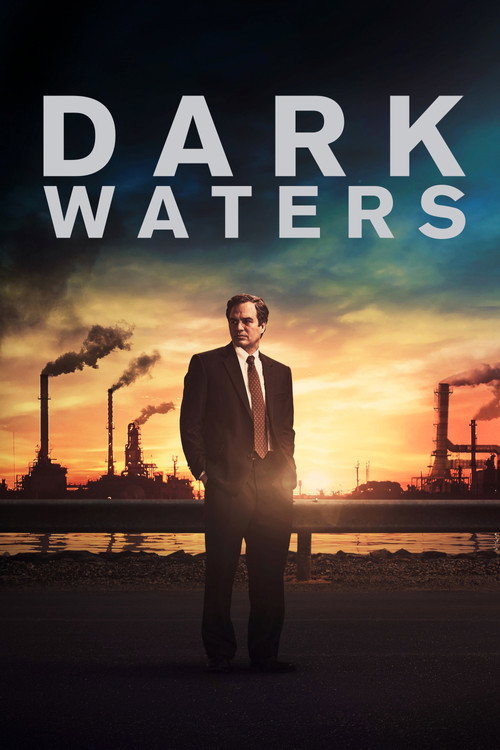
Dark Waters2019
Mark Ruffalo plays a lawyer taking on DuPont over toxic pollution. Same DNA as Hot Coffee: one person's fight against a corporation protected by laws designed to shield them, with real consequences for ordinary families.
But The pacing is methodical to the point of slowness, and it settles into a rhythm that some find grinding rather than gripping.
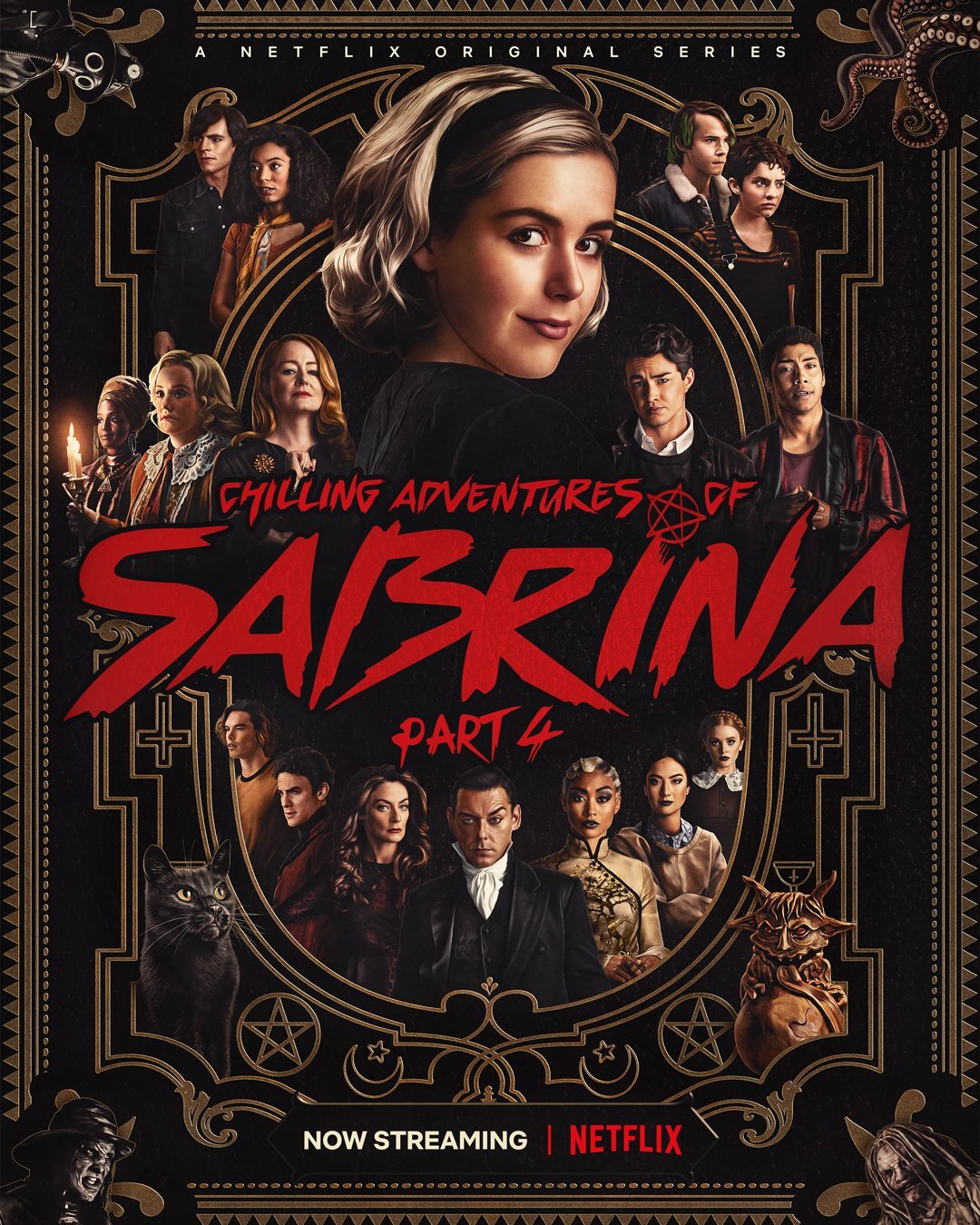
Chilling Adventures of Sabrina2018
Wait—hear this out. It's about the terrifying moment when the machinery of institutions (here, a literal evil church) closes around you. The horror isn't monsters; it's systems designed to trap you. Hot Coffee made me think about this show differently.
But It's a teen drama with gothic aesthetics and it will feel utterly unserious if you're not in the mood for its particular register.
Not sure tonight? Get a pick in a minute, starting from Hot Coffee
The wildcard
Something you would not have found on your own.
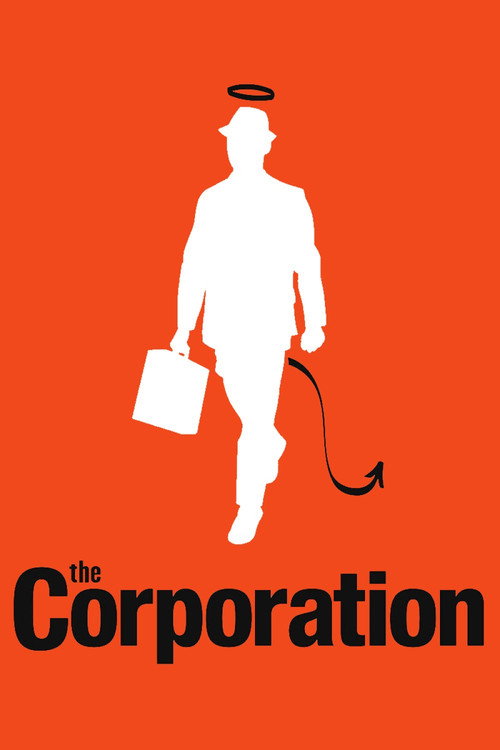
The Corporation2003
Both films argue that the legal system was fundamentally redesigned to benefit corporations over people; this one traces how that redesign happened structurally.
A documentary that treats corporations as entities with legal personhood—the architectural consequence of the legal system Hot Coffee is fighting. It goes deeper into how that system was built and why it's nearly impossible to reform. Watching both films makes each one sharper.
But It's three hours of densely layered interviews and feels more like a polemic than a narrative; some find it didactic and exhausting.
More like this (7)
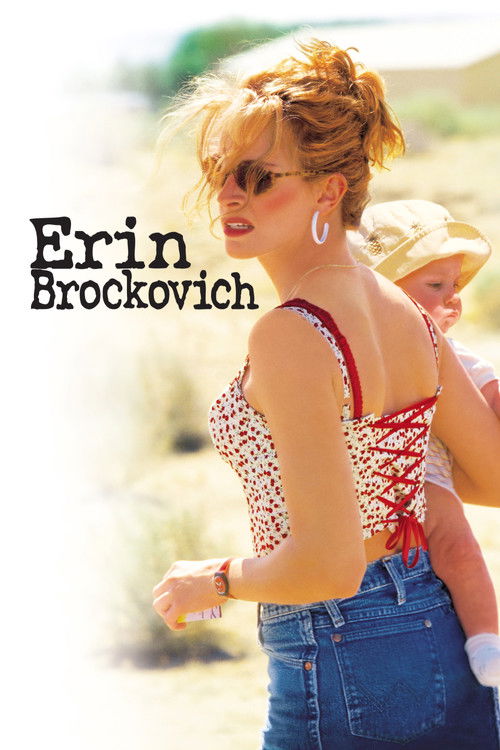
Erin Brockovich2000
A legal drama about a real case where a corporation poisoned a town's water supply. It shares Hot Coffee's conviction that the system is stacked, but tells its story through one woman's determination and charm.
But It's a feel-good movie about a serious subject, which means it sometimes smooths over the rougher truth that Brockovich herself was underpaid and undersupported.
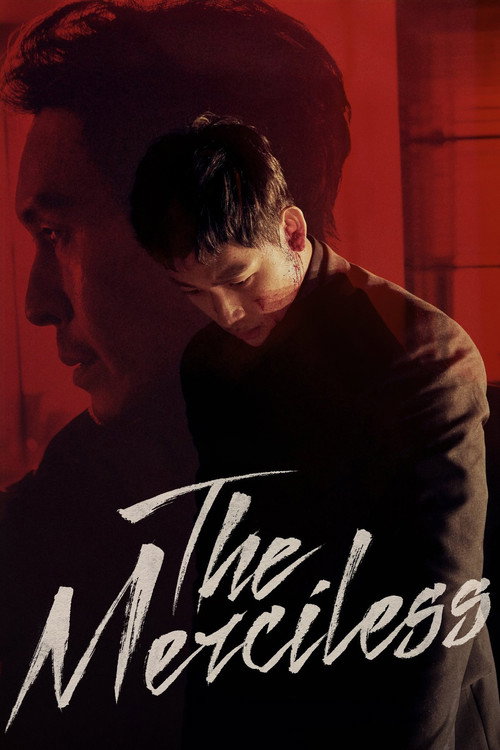
The Merciless2017
A South Korean thriller about religious con artists preying on believers. Like Hot Coffee, it's furious about how systems designed to help people are weaponized against them by those who know how they work.
But It's violent and bleak in ways that can feel exploitative, and the narrative is deliberately opaque in the first half.
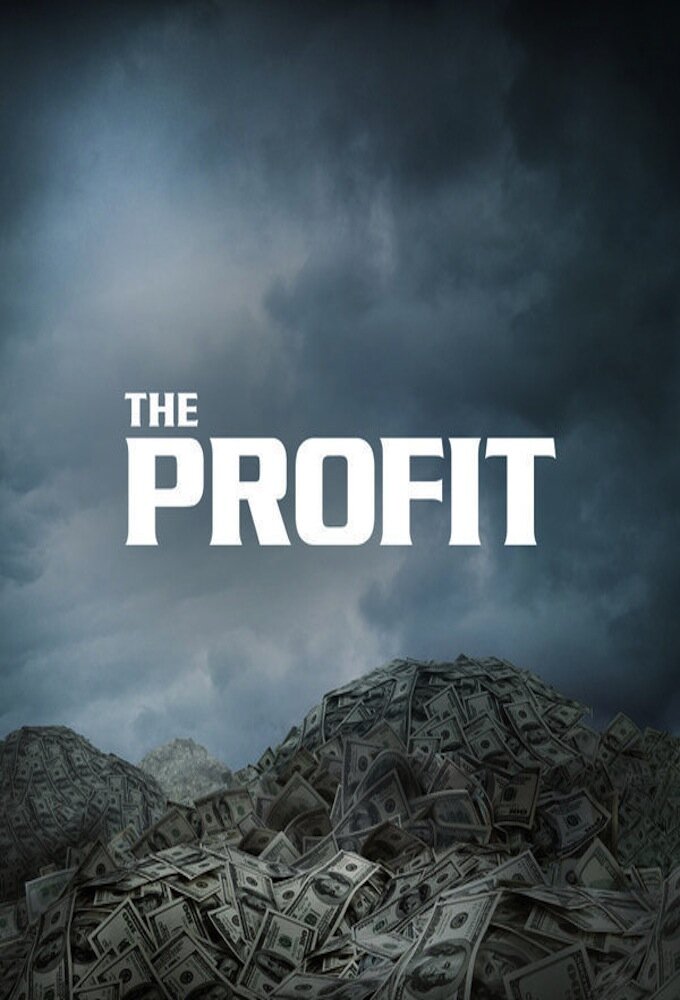
The Profit2013
A docuseries following a venture capitalist buying struggling companies. It's a mirror image of Hot Coffee's thesis: watching how the system works when you're on the inside rather than crushed by it.
But Some episodes are repetitive, and the host's tone can feel smug, which undercuts the documentary impulse.
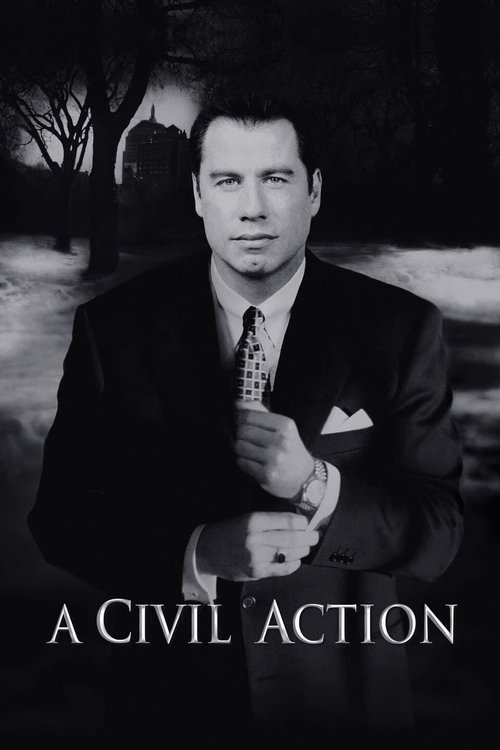
A Civil Action1998
A lawyer takes on two corporations over water contamination. It shares Hot Coffee's focus on how the legal process itself becomes the adversary, and how justice requires not just truth but resources.
But The film is deliberately unglamorous about its subject; it refuses the triumph Hollywood usually demands, which some find defeatist.
Spotlight2015
Journalists uncover systemic abuse protected by institutional power. It has Hot Coffee's investigative methodology and the same quiet rage about institutions that were supposed to protect people doing the opposite.
But The pace is glacial and conversation-heavy; it's a film about reporting rather than action, which demands patience.

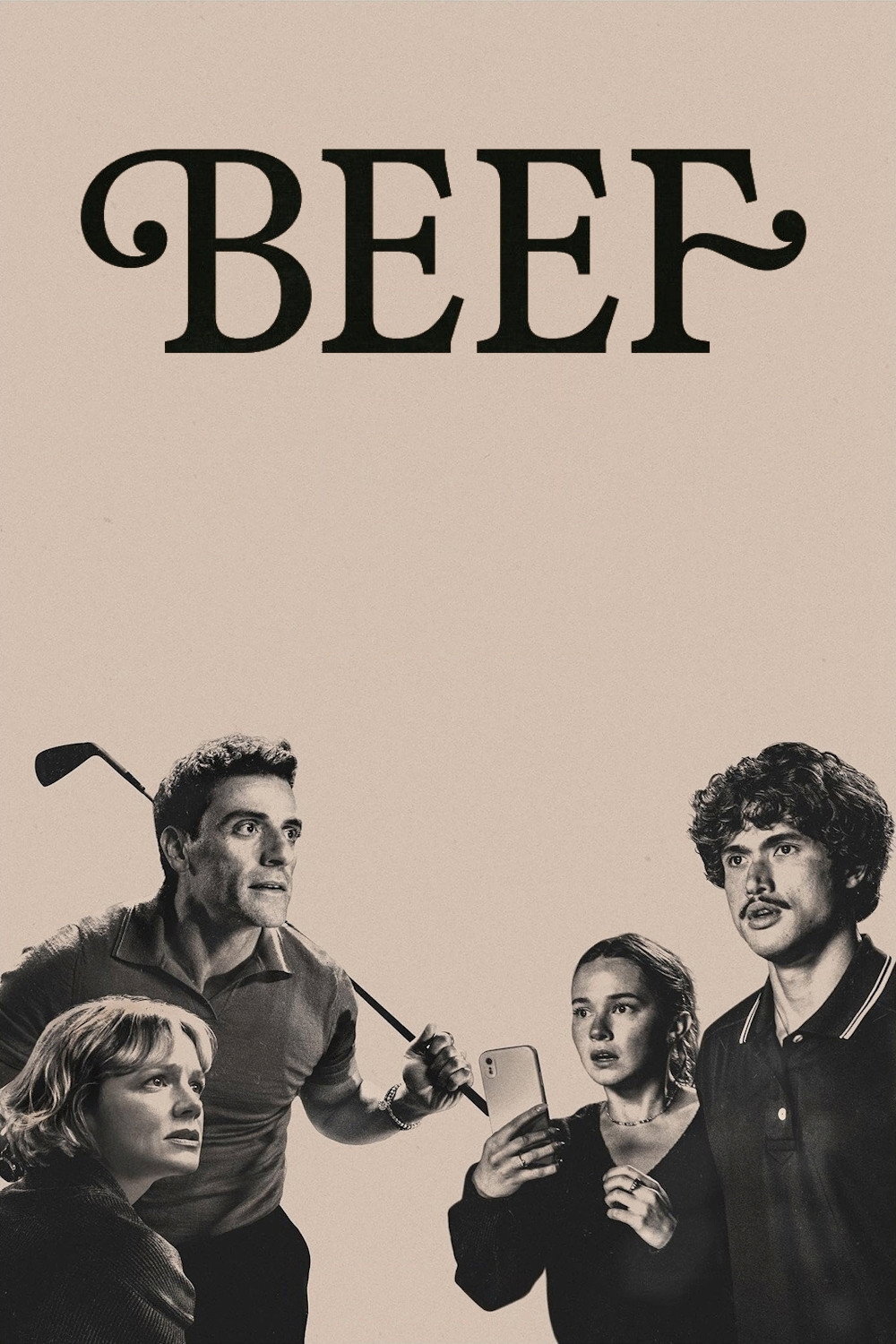
BEEF2023
Both show how ordinary people absorb the cruelty of larger systems and inflict it on each other, creating a cycle that feels inescapable.
A limited series about two strangers whose road-rage incident spirals into mutual destruction. It's a character study of how systems—social, economic, legal—turn conflict into tragedy. Hot Coffee is about how the law fails ordinary people; Beef shows how ordinary people fail each other when they've been taught the system has already failed them.
But It's aggressively dark and there's no catharsis or resolution; some viewers find it punishing rather than illuminating.
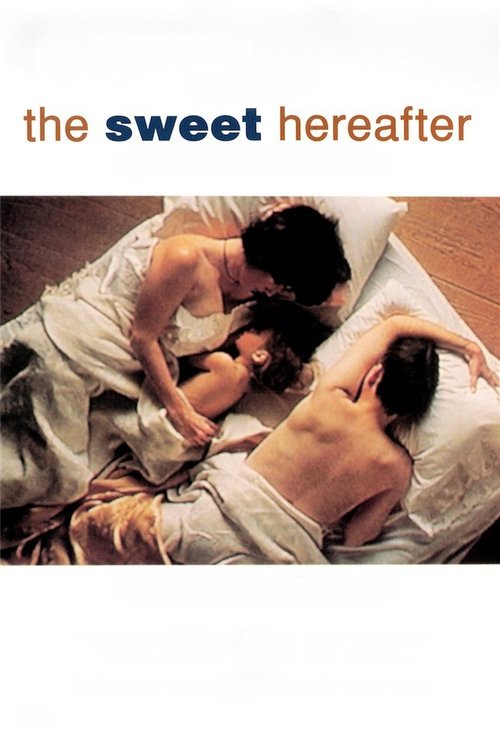
The Sweet Hereafter1997
While Hot Coffee argues we must fight the system, this film asks what happens when we recognize the system has already won—a darker answer to the same question.
Atom Egoyan's film about a small town destroyed by a school-bus accident. A lawyer arrives to sue, but the film asks whether justice through courts actually heals anything. It's the quiet, tragic opposite of Hot Coffee—accepting that the system will fail you, so what remains?
But It's glacial, oblique, and refuses narrative momentum. The fractured timeline is precise but can feel impenetrable.
People
Cast
- Joan ClaybrookSelf
 Oliver DiazSelf
- Joanne DoroshowSelf
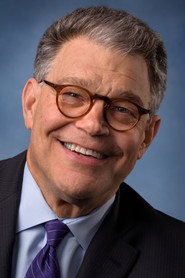 Al FrankenSelf
- Colin GourleySelf
- Connor GourleySelf
 John GrishamSelf
- Victor SchwartzSelf
- Wayne SlaterSelf
- Chris TianoSelf
Directing
- Susan SaladoffDirector
Production
- Betsy RateAssociate Producer
- Erin CrumpackerAssociate Producer
- Rebecca SaladoffCo-Producer
- Sheila NevinsExecutive Producer
- Alan OxmanProducer
- Carly HugoProducer
- Adam J. SegalPublicist
- Sara BernsteinSupervising Producer