
Film
Voyeur
Voyeur is a documentary about legendary journalist Gay Talese investigating a motel owner who secretly watched guests for decades. It's tense and claustrophobic, turning into a strange examination of complicity and storytelling itself. The film becomes increasingly about what Talese chose to do with the story, and what he didn't. For anyone fascinated by the ethics of journalism, true crime's murkier sides, or how a pursuit of truth can expose uncomfortable things about the pursuer.
Should you watch it?
Watch it if you enjoy patient documentaries about the craft of reporting, where the pleasure lies in watching a writer dig into a story and weigh his own motives along the way.
Skip it if you want a tidy true-crime procession of evidence and verdicts; this is looser, more absorbed in the reporter and the ethics of his method than in the crime.
What it asks of you: Settle in for ninety-five minutes of talking heads, unhurried and conversational, where the mood stays wry and uneasy rather than racing toward a jolt.
Not sure? Find tonight's pick in a minute.
If you liked this
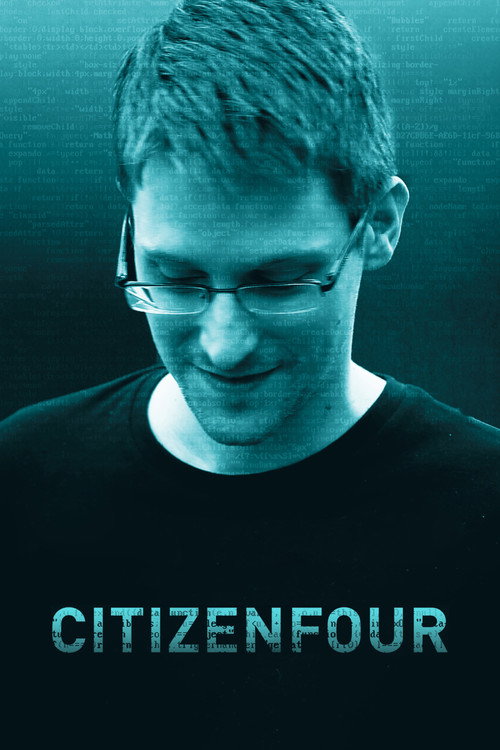
Citizenfour2014
Laura Poitras's documentary about Edward Snowden has that same real-time tension and moral complexity. It's about exposure and whistleblowing, but also about what it costs to tell secrets and who gets to decide what the world should know.
But It requires patience with technical detail and political nuance. Some viewers find the pacing glacial, and it doesn't offer easy answers or satisfying closure.
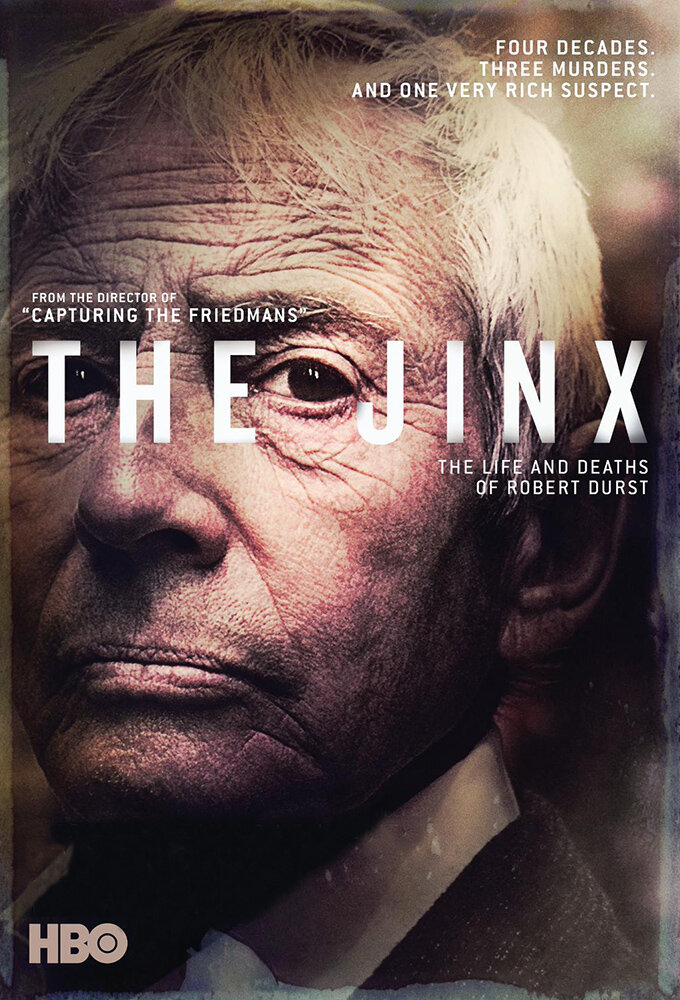
The Jinx: The Life and Deaths of Robert Durst2015
A six-part HBO miniseries where journalist Andrew Jarecki investigates a wealthy man's possible murders. It has that same slow-burn revelation, and the same unsettling question about whether the documentary itself becomes complicit in something darker.
But It's very long and very deliberate. Some feel the ending undermines its own investigation, and the subject's legal status makes rewatching uncomfortable.
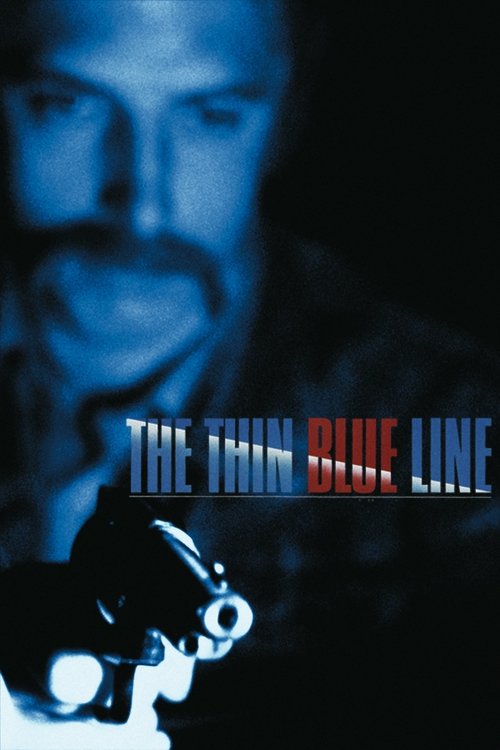
The Thin Blue Line1988
Errol Morris's masterpiece about a wrongful conviction uses documentary technique to interrogate truth itself. Like Voyeur, it's about what journalists uncover and how that shapes reality—and sometimes, how it warps it.
But Made in 1988, its visual style can feel dated. The pacing is unconventional and some find the philosophical questions exhausting rather than engaging.
Not sure tonight? Get a pick in a minute, starting from Voyeur
The wildcard
Something you would not have found on your own.
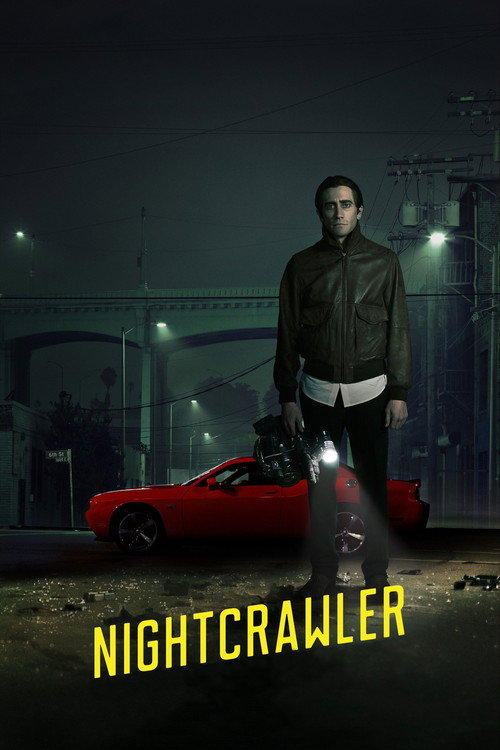
Nightcrawler2014
Both examine how the machinery of exposure—journalism, filmmaking, documentation—can become a tool of manipulation and self-interest. The observer is not innocent.
Jake Gyllenhaal plays a freelance videographer who sells footage of crimes and disasters to TV news. It's about the exact same moral rot—how journalists and their subjects collude in exploitation, and how the observer becomes complicit. Voyeur's themes in a thriller disguise.
But Bleak and cynical in a way that can feel nihilistic rather than revelatory. Gyllenhaal's character is so repellent that some viewers just find it draining rather than enlightening.
More like this (7)
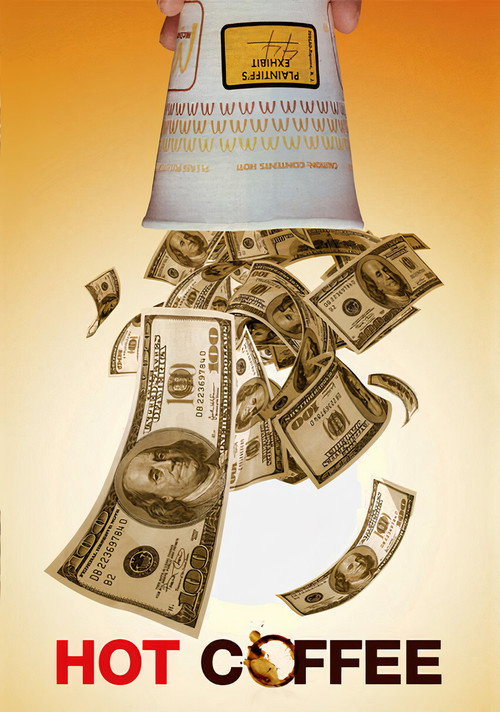
Hot Coffee2011
Documentary about the famous McDonald's coffee lawsuit, but really about media narratives and how stories get told wrong. It shares Voyeur's concern with what gets reported, what gets ignored, and who profits from the telling.
But Feels didactic and agenda-driven to some viewers. The courtroom sequences are dry, and it doesn't have the psychological tension that makes Voyeur so uncomfortable.
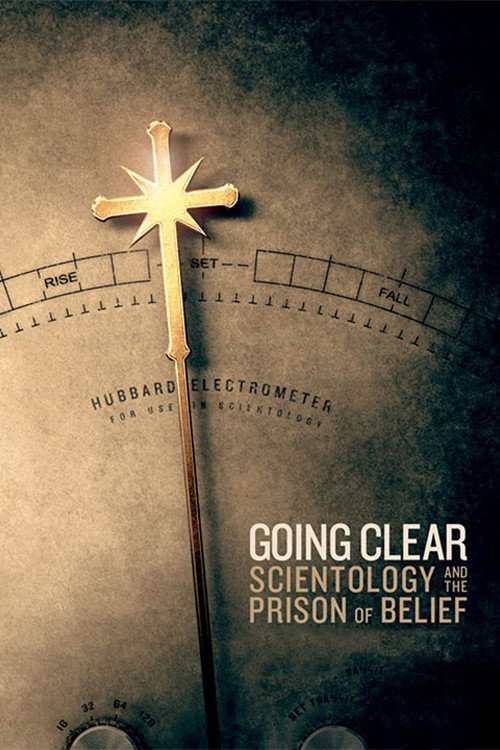
Going Clear: Scientology and the Prison of Belief2015
Alex Gibney's HBO documentary about Scientology has similar DNA—a massive, hidden wrongdoing exposed through interviews. It's about how systems get built to hide the truth, and how hard it is to get anyone to say anything.
But Repetitive in structure and very long for what amounts to an extended accusation. Some feel it becomes sensationalized rather than investigative.
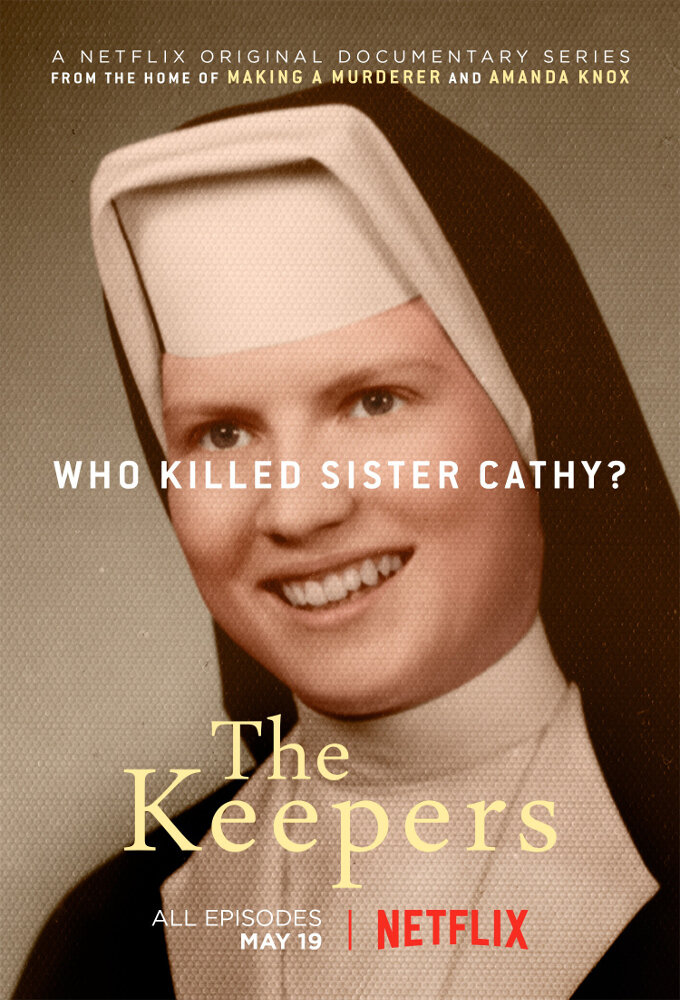
The Keepers2017
A Netflix miniseries about unsolved murders and institutional cover-up in Baltimore. Like Voyeur, it wrestles with old crimes, new documentaries, and questions about whether we're actually seeking truth or just a story.
But Sprawling and unfocused. The lack of resolution frustrates many viewers, and the documentary-within-documentary framing can feel manipulative.
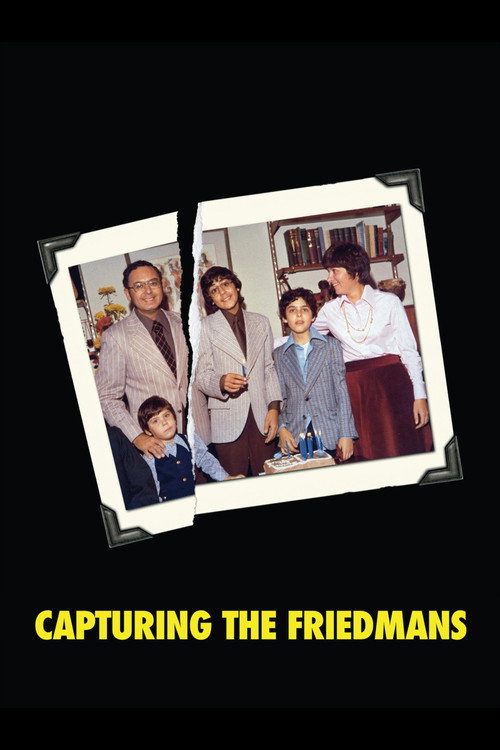
Capturing the Friedmans2003
Andrew Jarecki's earlier film about a family destroyed by allegations. It's uncomfortable precisely because you can't pin down what's true, and the cameras themselves seem to warp reality. Essential companion to Voyeur's themes.
But Deeply unsettling and morally ambiguous in ways that leave you queasy rather than satisfied. Some find the filmmaker's neutrality irresponsible given the subject matter.
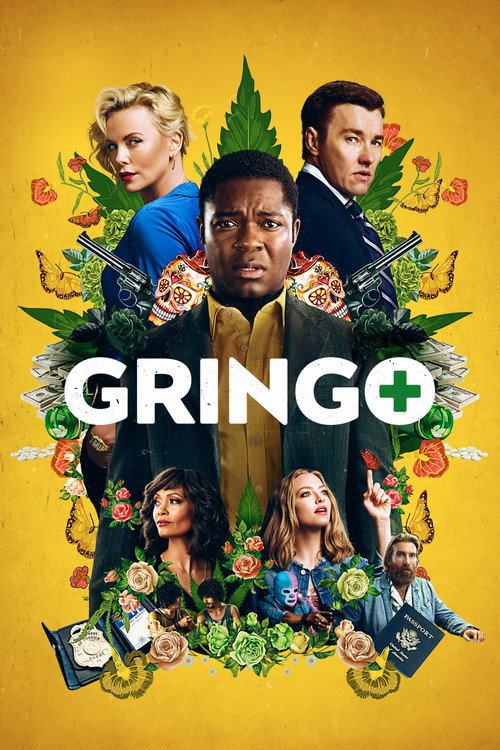
Gringo2018
Adrian Grenier's documentary about an American businessman in Mexico. It shares Voyeur's fascination with unreliable narrators and the question of whether we can ever really know what happened, or just whose story we believe.
But Confusing timeline and scattered narrative. Many feel it doesn't land any meaningful conclusions despite its provocative setup.
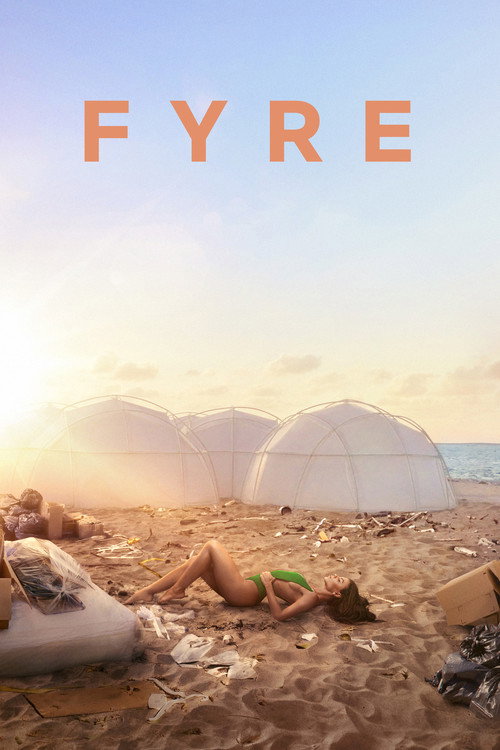
Fyre2019
Netflix documentary about a music festival scam. It captures that same voyeuristic thrill of watching someone's deception unravel, and asks what role media plays in enabling hype and delusion.
But Largely surfaces-level despite the juicy subject. It can feel more like a platform for self-serving interviews than real investigation.
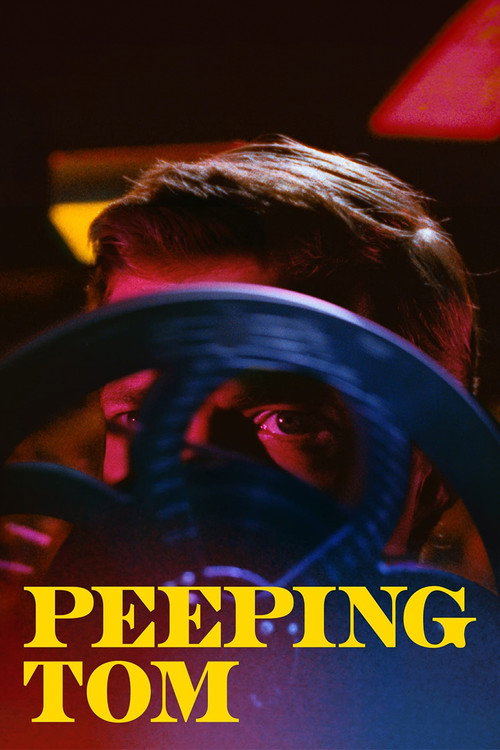
Peeping Tom1960
Both are meta-investigations of voyeurism itself—how watching becomes a form of violation, and how art or documentary can replicate that violation in the audience's mind.
Michael Powell's 1960 film about a man who films women without consent. Technically and morally light-years ahead of its time, it's the ur-text for cinema about voyeurism and complicity. Voyeur doesn't exist as a documentary without this film existing as art first.
But Black and white, 1960s pacing, and extremely disturbing subject matter. The film's sympathy toward its protagonist alienates many viewers, and it requires serious tolerance for discomfort.
People
Cast
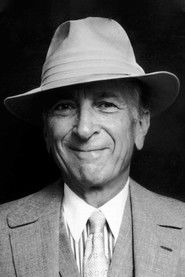 Gay TaleseSelf - Writer
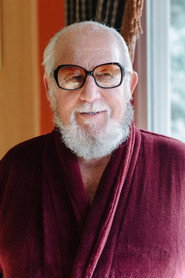 Gerald FoosSelf - Hotel Owner
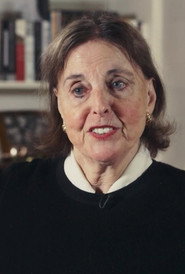 Nan TaleseSelf - Gay's Wife
 Susan MorrisonSelf - Articles Editor, The New Yorker
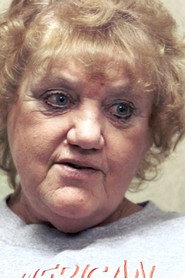 Anita FoosSelf - Gerald's Wife
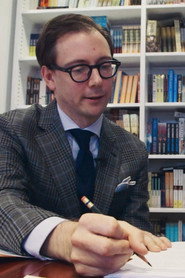 Jamison StoltzSelf - Senior Editor, Grove-Atlantic
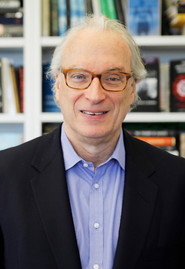 Morgan EntrekinSelf - Publisher, Grove-Atlantic
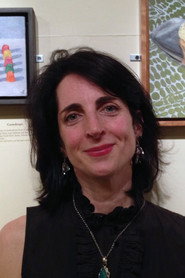 Pamela TaleseSelf - Gay's Daughter
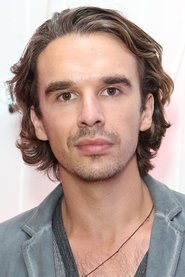 Edward AkroutSelf - Hotel Guest
- Mike FunkSelf - The Chicken Man (Hotel Guest)
Directing
- Josh KouryDirector
- Myles KaneDirector
Production
- Jenny RaskinCo-Executive Producer
- Paula M. FroehleCo-Executive Producer
- Steven H. CohenCo-Executive Producer
- Adam Del DeoExecutive Producer
- Angus WallExecutive Producer
- Dan CoganExecutive Producer
- Geralyn White DreyfousExecutive Producer
- Jason Spingarn-KoffExecutive Producer
- Jeremiah ZagarExecutive Producer
- Jeremy YachesExecutive Producer
- Julie Parker BenelloExecutive Producer
- Ken PelletierExecutive Producer
- Linda CarlsonExecutive Producer
- Lisa NishimuraExecutive Producer
- Trisha KouryProducer